

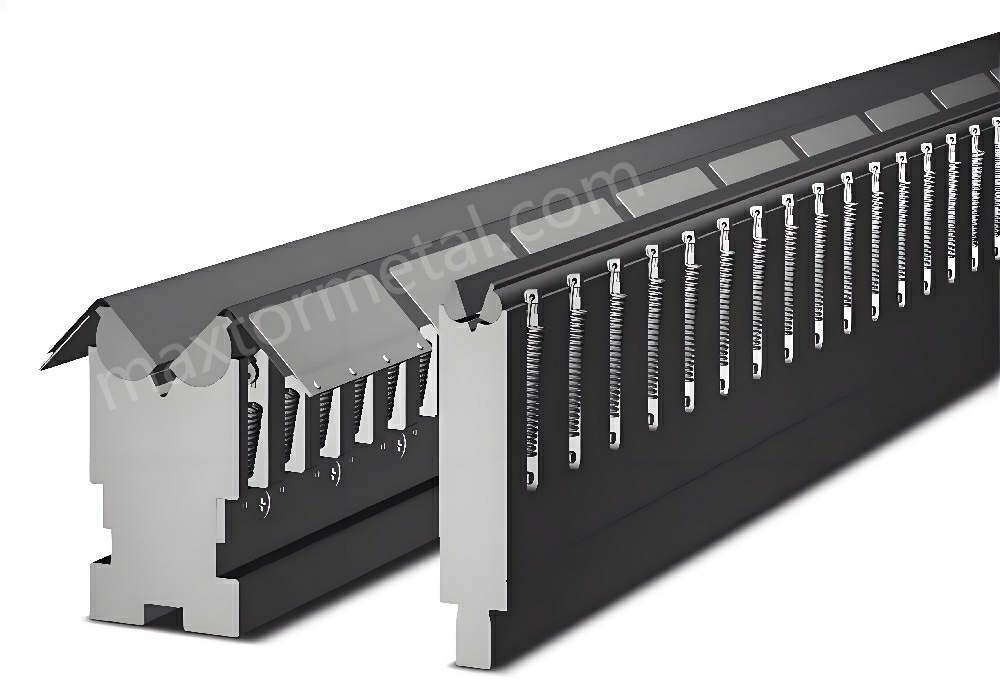
Anda dapat mencegah springback secara efektif dengan menggunakan perkakas dan metode penekukan yang tepat. Kualitas sangat krusial karena springback dapat menyebabkan kesalahan fatal yang mahal dan pemborosan material. Perkakas press brake canggih, seperti yang ditawarkan oleh Nanjing Metal, membantu Anda mencapai hasil tekukan yang sempurna dengan menyediakan:
- Mesin press brake presisi tinggi dengan teknologi CNC, yang membantu meminimalkan kesalahan.
- Sistem pengukuran sudut real-time yang menyesuaikan pengaturan secara otomatis.
- Teknik kompensasi springback bawaan, seperti over-bending.
Mencegah springback memastikan bahwa komponen logam Anda terpasang dengan benar setiap saat.
Poin-poin Utama
- Springback terjadi ketika logam mencoba kembali ke bentuk semula setelah Anda menekuknya. Memahami hal ini membantu Anda menghasilkan tekukan yang lebih baik.
- Menggunakan perkakas press brake yang berkualitas membantu Anda mengurangi kesalahan. Ini juga membuat hasil tekukan Anda lebih akurat.
- Overbending adalah cara yang baik untuk mengatasi springback. Tekuk logam sedikit lebih banyak dari yang Anda butuhkan untuk mendapatkan sudut yang tepat.
- Sifat material seperti kekuatan luluh (yield strength) dan ketebalan memengaruhi seberapa besar springback yang terjadi. Pilih material Anda dengan cermat untuk hasil yang lebih baik.
- Mengubah radius tekukan dapat membantu mengurangi springback. Radius yang lebih kecil biasanya menghasilkan springback yang lebih sedikit.
- Sistem kompensasi CNC melakukan penyesuaian saat Anda menekuk. Ini membantu menjaga akurasi tekukan dan mengurangi kesalahan.
- Menjaga perkakas press brake Anda dalam kondisi baik membantunya bekerja secara konsisten setiap saat. Ini juga membantu mencegah masalah springback.
- Uji dan sesuaikan pengaturan penekukan Anda, seperti gaya (force) dan kecepatan, untuk mengontrol springback dengan lebih baik. Ini juga dapat meningkatkan kualitas komponen Anda.
Mencegah Springback: Dasar-Dasar
Apa Itu Springback
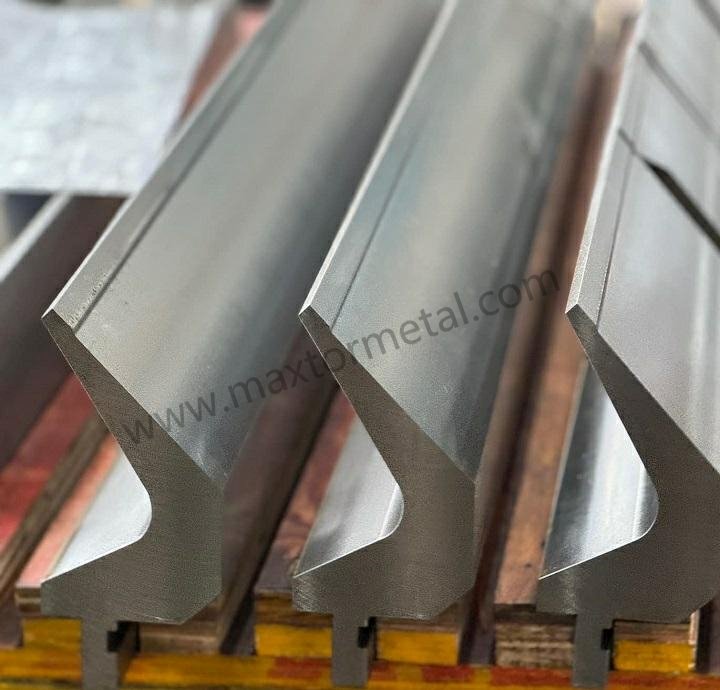
Saat Anda menekuk logam, logam tersebut cenderung kembali ke bentuk semula. Hal ini disebut springback. Selama penekukan lembaran logam (sheet metal bending) atau stamping logam, logam meregang dan menekuk. Saat Anda menghentikan penekukan, elastisitas logam membuatnya kembali sedikit. Akibatnya, bentuk akhir mungkin tidak sesuai dengan yang Anda inginkan.
Springback terjadi karena logam bersifat elastis. Atom-atom bergerak saat Anda menekuk logam dan cenderung kembali ke posisi semula saat penekukan dihentikan. Itulah mengapa mencegah springback sangat penting dalam proses penekukan.
Mengapa Springback Penting
Springback dapat menyebabkan masalah pada stamping logam dan penekukan lembaran logam. Jika tidak dikontrol, komponen mungkin tidak dapat dirakit dengan pas. Anda mungkin melihat celah atau lubang yang tidak sejajar. Komponen mungkin tidak memiliki ukuran yang tepat. Hal ini membuang-buang material dan waktu.
Tip: Para insinyur selalu mempertimbangkan springback saat merencanakan penekukan. Memprediksi dan mengatasi springback membantu Anda mendapatkan ukuran yang tepat dan menghindari kesalahan.
Anda harus mencegah springback untuk memastikan komponen Anda akurat. Akurasi dimensi sangat penting dalam industri otomotif, kedirgantaraan, dan elektronik. Jika Anda mengabaikan springback, komponen Anda mungkin tidak lolos pemeriksaan kualitas.
Faktor-faktor Kunci
Banyak faktor yang memengaruhi seberapa besar springback yang terjadi pada penekukan lembaran logam dan stamping logam. Mengetahui faktor-faktor ini membantu Anda memilih metode dan perkakas terbaik untuk menghentikan springback.
- Sifat Material:
Logam yang berbeda berperilaku berbeda saat Anda menekuknya. Baja berkekuatan tinggi dan logam dengan kekuatan luluh tinggi memiliki springback yang lebih besar. Logam tersebut lebih memantul kembali. Tabel di bawah ini menunjukkan bagaimana beberapa sifat material memengaruhi springback:Sifat MaterialPengaruh Tipikal pada SpringbackKekuatan Luluh (Yield Strength)Kekuatan luluh yang tinggi sangat meningkatkan springback.Modulus YoungNilai yang tinggi membuat springback lebih besar.Eksponen Pengerasan Regangan (Strain Hardening Exponent)Mengubah cara logam menahan penekukan, memengaruhi springback.Ketebalan LembaranSetiap pengurangan ketebalan sebesar 10% dapat meningkatkan springback sebesar 5-8%.Kandungan KarbonSetiap penambahan karbon sebesar 0.1% dapat meningkatkan springback sebesar 5-8%.Ukuran ButirUkuran butir yang lebih kecil dapat meningkatkan springback sebesar 10-15%.Perlakuan Panas (Heat Treatment)Dapat menurunkan springback sebesar 20-30% dengan menurunkan kekuatan luluh. - Radius Tekukan:
Ukuran radius tekukan sangat memengaruhi springback. Radius tekukan yang lebih kecil berarti springback yang lebih sedikit. Jika Anda menggunakan radius tekukan yang besar, seperti delapan kali ketebalan, Anda akan mendapatkan springback yang lebih besar. Berikut adalah reaksi berbagai material yang berbeda:MaterialRentang Springback (derajat)304 stainless steel2 hingga 3Mild aluminum1.5 hingga 2Cold-rolled steel0.75 hingga 1.0Hot-rolled steel0.5 hingga 1.0Copper and brass0.00 hingga 0.5 - Celah Cetakan (Die Clearance):
Ruang antara punch dan die disebut die clearance. Hal ini memengaruhi seberapa banyak logam menekuk dan memantul kembali. Untuk mild steel, die clearance terbaik adalah sekitar 12-13% per sisi. Untuk stainless steel, Anda membutuhkan lebih dari 25% per sisi. Jika celahnya terlalu besar atau terlalu kecil, springback akan memburuk. - Kualitas Perkakas:
Perkakas press brake yang berkualitas membantu mengontrol springback. Alat yang dibuat dengan baik dan dirawat dengan benar memberikan hasil yang konsisten. Cetakan (die) yang buruk atau usang dapat menyebabkan lebih banyak springback dan bentuk yang salah. Anda dapat melihat pisau kustom dan opsi perkakas canggih Di Sini untuk membantu proses Anda. - Penyebab Lainnya:
- Elastisitas material: Logam yang lebih elastis memiliki springback yang lebih besar.
- Geometri komponen: Bentuk yang rumit dengan lengkungan atau sudut tajam memiliki springback yang lebih besar.
- Tekanan stamping: Tekanan yang tidak memadai membuat springback menjadi lebih buruk.
- Karakteristik die: Desain dan kondisi die sangat berpengaruh.
Catatan: Efek ukuran dapat mengubah sudut springback sebesar lebih dari 7%. Bahkan perubahan kecil pada ketebalan atau ukuran butir (grain size) dapat membuat perbedaan besar.
Jika Anda memahami faktor-faktor kunci ini, Anda dapat berupaya mencegah springback pada setiap pekerjaan stamping atau penekukan (bending) lembaran logam. Menggunakan material yang tepat, mengubah radius tekuk (bend radius), mengatur celah die (die clearance) yang baik, dan memilih perkakas press brake (press brake tooling) yang tepat, semuanya membantu Anda mendapatkan hasil yang akurat.
Teknik Overbending
Cara Kerja Overbending
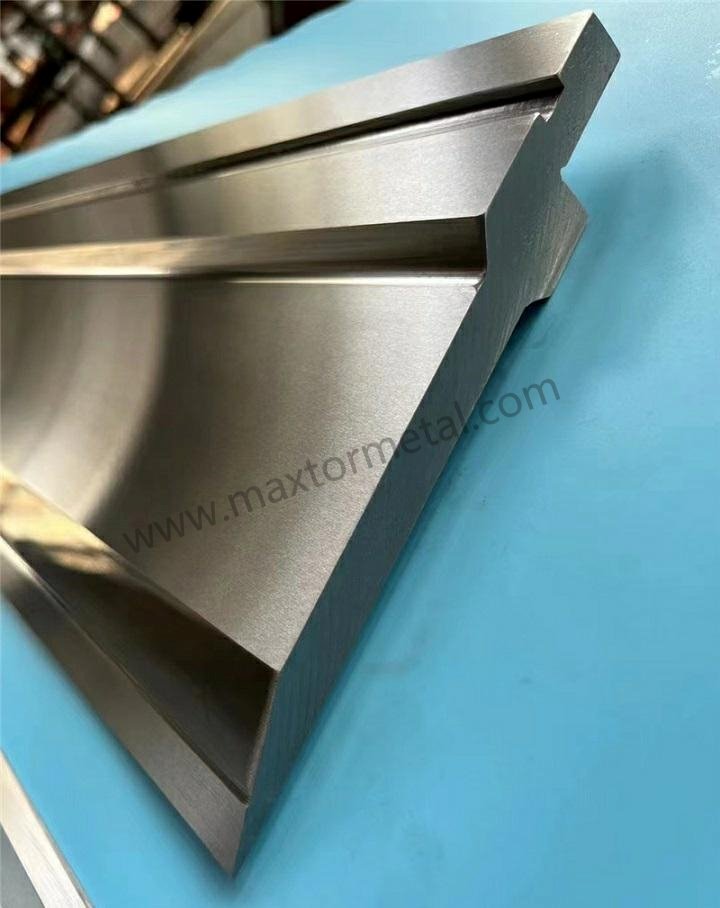
Saat Anda menekuk logam, logam tersebut cenderung kembali ke bentuk semula. Ini disebut springback. Overbending membantu mencegah hal ini terjadi. Anda menekuk logam lebih dari sudut yang dibutuhkan. Setelah terjadi springback, logam akan kembali ke sudut yang tepat.
Overbending sangat mudah dan bekerja dengan baik. Banyak bengkel menggunakannya untuk berbagai jenis logam dan ketebalan. Overbending dapat mengurangi springback hingga hampir setengahnya. Sebagai contoh, algoritma kompensasi dapat menurunkan springback sebesar 45%. Jika perpindahan pertama adalah 20.1 mm, overbending dapat membuatnya hanya menjadi 11.3 mm pada flensa yang paling penting. Hal ini membuat komponen Anda lebih pas dan menghemat waktu untuk memperbaiki kesalahan.
Tip: Overbending bekerja paling baik jika Anda memahami material Anda dan menggunakan perkakas press brake (press brake tooling) yang tepat. Selalu periksa hasil kerja Anda dan lakukan penyesuaian jika diperlukan.
Menghitung Sudut Overbend
Anda perlu menentukan sudut overbend yang tepat untuk mendapatkan hasil yang baik. Ada beberapa langkah yang harus diikuti. Setiap langkah membantu Anda mengontrol springback dan meningkatkan kualitas penekukan.
Berikut adalah cara menentukan sudut overbend:
- Identifikasi Jenis Material:
Logam yang berbeda berperilaku berbeda pula. Aluminium, baja, dan tembaga memiliki tingkat springback yang berbeda. - Ukur Ketebalan Material:
Logam yang lebih tebal memiliki springback yang lebih besar. Anda harus mengetahui ketebalannya sebelum memulai. - Periksa Radius Tekuk (Bend Radius):
Radius tekuk harus sesuai dengan ketebalan material. Radius yang terlalu kecil dapat menyebabkan retak pada logam yang rapuh. - Tentukan Sudut Tekuk yang Diinginkan:
Pilih sudut yang Anda inginkan untuk hasil akhir komponen Anda. - Estimasi Kompensasi Springback:
Gunakan pengalaman Anda, tabel referensi, atau uji coba penekukan untuk memperkirakan seberapa besar logam akan membal (springback). - Hitung Sudut Overbend:
Gunakan rumus ini:Sudut Overbend = Sudut yang Diinginkan + Kompensasi SpringbackSebagai contoh, jika Anda menginginkan sudut 90° dan memperkirakan springback sebesar 2°, atur press brake Anda ke 92°. - Sesuaikan Pengaturan Perkakas dan Mesin:
Perkakas dan mesin press brake memengaruhi hasil Anda. Pastikan Anda menggunakan pengaturan yang tepat untuk logam Anda. - Lakukan Uji Coba Penekukan (Test Bend):
Tekuk sampel material dan ukur sudutnya. Periksa apakah sudah sesuai dengan target Anda. - Lakukan Penyesuaian Halus (Fine-Tune) jika Diperlukan:
Jika sudutnya salah, ubah sudut overbend dan coba lagi.
Berikut adalah daftar periksa cepat untuk perhitungan overbend Anda:
- Jenis bahan
- Ketebalan material
- Radius tekuk (Bend radius)
- Sudut tekuk (Bend angle)
- Kembali ke masa awal
- Fitur perkakas dan mesin
| Faktor | Mengapa Hal Ini Penting |
|---|---|
| Jenis Bahan | Logam menekuk dan membal (springback) secara berbeda |
| Ketebalan | Lembaran yang lebih tebal membutuhkan lebih banyak kompensasi |
| Radius Tekuk | Radius kecil dapat menyebabkan retakan |
| Sudut Tekuk | Menentukan bentuk akhir |
| Kembali ke masa awal | Harus diukur atau diestimasi |
| Perkakas/Mesin | Memengaruhi presisi dan repetibilitas |
Catatan: Selalu lakukan uji coba penekukan sebelum memproduksi massal. Ini membantu Anda mendeteksi kesalahan lebih awal dan memastikan kualitas komponen Anda baik.
Jika Anda mengikuti langkah-langkah ini, Anda dapat mengontrol springback dan mendapatkan hasil tekukan yang akurat setiap saat. Overbending adalah metode terbukti yang membantu Anda mendapatkan hasil yang ingin dicapai.
Optimalisasi Perkakas untuk Pencegahan Springback
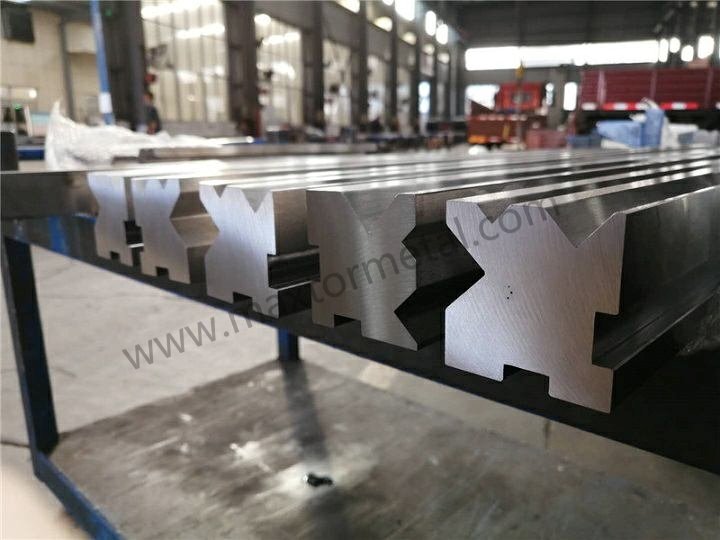
Perkakas press brake (press brake tooling) khusus membantu mencegah springback. Memilih die dan punch yang tepat memungkinkan Anda mengontrol bagaimana logam menekuk. Perusahaan seperti Nanjing Metal memiliki perkakas press brake (press brake tooling) yang canggih. Alat-alat ini membantu Anda mendapatkan hasil yang akurat dalam penekukan lembaran logam (sheet metal bending) dan stamping logam.
Pemilihan Die dan Punch
Jenis Die yang Umum dan Pengaruhnya terhadap Springback
Bentuk die Anda memengaruhi seberapa besar logam mengalami springback. Bentuk die yang berbeda membantu mengendalikan pemulihan elastis (elastic recovery) dan mencegah springback. Tabel di bawah ini menunjukkan bagaimana geometri die memengaruhi hasil Anda:
| Titik Bukti | Keterangan |
|---|---|
| Modifikasi geometri die | Bentuk dan struktur die memengaruhi pemulihan elastis. Sudut dan radius yang tepat membantu meminimalkan springback. |
| Penggunaan compensating die | Die ini dirancang untuk mengimbangi pemulihan elastis dengan memungkinkan deformasi yang terkendali. |
| Guide/punch presisi tinggi | Penyelarasan (alignment) yang baik mengurangi deformasi yang tidak diinginkan dan pemulihan elastis. |
Anda dapat menambahkan bentuk atau dart pada radius flensa. Hal ini membuat bagian tersebut lebih kuat dan mengurangi springback. Untuk mengurangi springback, usahakan agar lebih banyak bagian yang menekuk secara plastis. Anda dapat melakukannya dengan menambahkan fitur reduksi pada bentuk bagian Anda.
Pertimbangan Geometri Punch
Bentuk punch juga penting untuk pencegahan springback. Untuk lembaran logam tipis dan tebal, gunakan radius ujung punch (punch nose radius) yang lebih besar dari empat kali ketebalan lembaran. Hal ini membantu mengurangi springback dan memberikan hasil yang lebih baik. Radius punch yang lebih kecil dan celah (clearance) yang rapat membantu pengerjaan logam tipis maupun tebal.
Menghasilkan tingkat regangan (strain) yang lebih tinggi dan regangan yang merata akan mengurangi springback. Ini memberikan hasil yang lebih baik pada komponen jadi. Selalu sesuaikan bentuk punch Anda dengan material dan ketebalannya untuk hasil terbaik dalam pembengkokan lembaran logam (sheet metal bending) dan stamping logam.
Skenario Aplikasi untuk Pemilihan Optimal
Pilih die dan punch Anda berdasarkan jenis logam, ketebalan, dan bentuknya. Sebagai contoh:
- Gunakan compensating die jika Anda memperkirakan pemulihan elastis yang tinggi.
- Pilih guide dan punch presisi tinggi untuk komponen dengan toleransi ketat.
- Tambahkan dart atau bentuk pada flensa untuk kekuatan ekstra dan mengurangi springback.
- Pilih radius ujung punch yang lebih besar dari empat kali ketebalan lembaran untuk pencegahan springback yang paling optimal.
Material dan Desain Tooling
Peran Material Canggih (misalnya, Karbida, Baja Khusus) dalam Mengurangi Springback
Material perkakas (tooling) memengaruhi seberapa baik Anda mengontrol springback. Material canggih seperti karbida dan baja khusus mengurangi springback lebih baik daripada material biasa. Tabel di bawah ini membandingkan sudut springback rata-rata untuk berbagai material dan ukuran die:
| Bahan | Sudut Springback Rata-Rata (Die 10 mm) | Sudut Springback Rata-Rata (Die 30 mm) |
|---|---|---|
| DC06 | 6.93° | 17.26° |
| HX420 | 28.0° | 54.60° |
| RAK 40/70 | 30.6° | 58.60° |
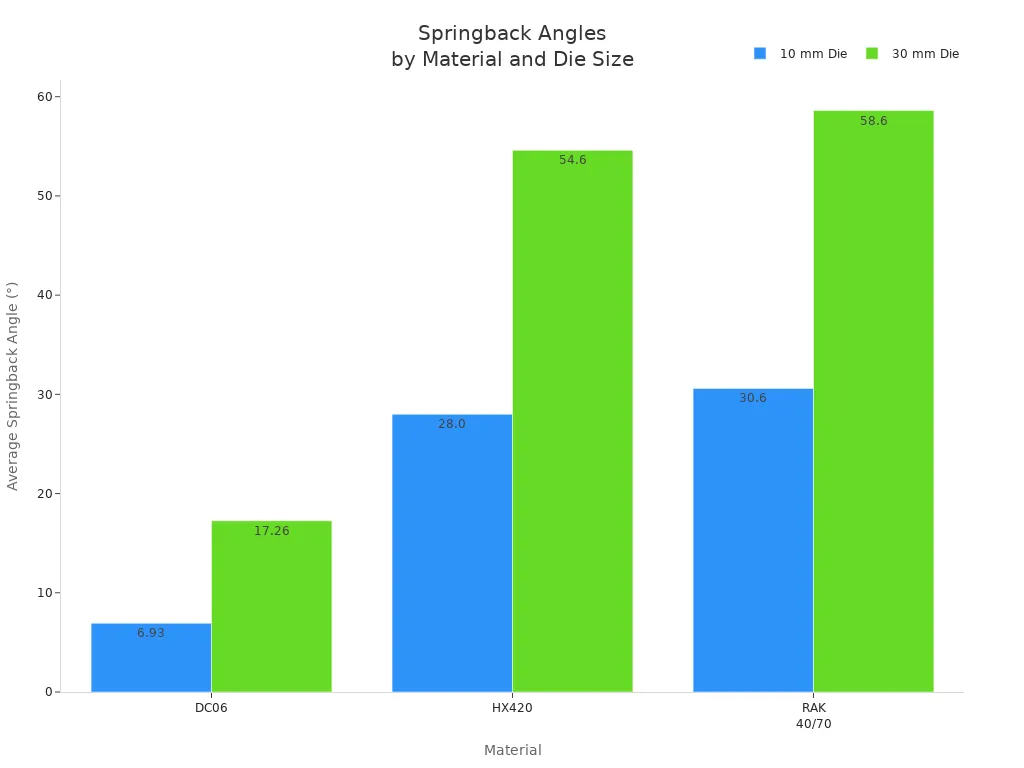
Menggunakan material perkakas (tooling) canggih memberikan pencegahan springback yang lebih baik. Material ini bertahan lebih lama dan mempertahankan bentuknya. Ini membantu Anda tetap akurat dalam sheet metal stamping dan stamping logam.
Desain Tooling Inovatif untuk Akurasi yang Ditingkatkan
Desain perkakas baru, seperti V-punch kustom dan gooseneck punch, memberi Anda kontrol lebih besar. Desain ini membantu Anda melakukan penyesuaian dan penyelarasan dengan lebih baik. Anda dapat menggunakan perkakas kustom untuk menyesuaikan dengan kebutuhan Anda dalam pembengkokan lembaran logam (sheet metal bending).
Tips Perawatan
Daftar Periksa Inspeksi Harian
Periksa perkakas press brake Anda setiap hari agar tetap berfungsi dengan baik. Ini membantu Anda menjaga pencegahan springback tetap kuat. Berikut adalah daftar periksa sederhana:
- Bersihkan perkakas untuk menghilangkan debu, oli, dan sidik jari.
- Periksa apakah ada keausan atau kerusakan.
- Pastikan semua bagian sejajar dan kencang.
Tip: Bersihkan perkakas press brake Anda setelah setiap giliran kerja (shift). Gunakan kain bebas serat dan pembersih yang aman untuk logam.
Prosedur Perawatan Rutin
Perawatan rutin membuat perkakas press brake Anda bertahan lebih lama. Ini menjaga pencegahan springback Anda berfungsi dengan baik. Ikuti langkah-langkah berikut:
- Lumasi perkakas Anda setiap minggu atau saat dibutuhkan.
- Gunakan pelumas anti-korosi yang disetujui.
- Jaga kelembapan bengkel di bawah 50% dan pastikan sirkulasi udara berjalan baik untuk mencegah karat.
- Kalibrasi dan selaraskan press brake Anda secara berkala untuk pembengkokan yang akurat.
- Latih pekerja untuk mendeteksi masalah sejak dini dan menggunakan peralatan dengan benar.
- Buat jadwal perawatan dan patuhi jadwal tersebut.
- Gunakan teknologi untuk pemeriksaan waktu nyata (real-time) dan analitik prediktif.
| Praktik Pemeliharaan | Keterangan |
|---|---|
| Inspeksi Reguler | Pemeriksaan harian, mingguan, dan bulanan mendeteksi masalah sejak dini dan mencegah waktu henti (downtime). |
| Pelumasan | Mengurangi gesekan dan mencegah korosi, memperpanjang masa pakai perkakas. |
| Kalibrasi dan Penyelarasan | Keeps the machine within tight tolerances for accurate bending. |
| Training and Education for Operators | Helps operators use the press brake correctly and spot problems early. |
| Creating a Maintenance Schedule | Ensures you never miss important maintenance steps. |
| Utilizing Technology for Monitoring | Lets you predict and prevent problems before they cause downtime. |
If you follow these tips, your press brake tooling stays in good shape. This helps you stop springback and get high-quality results in every sheet metal bending and metal stamping job.
Metode Bottoming dan Coining
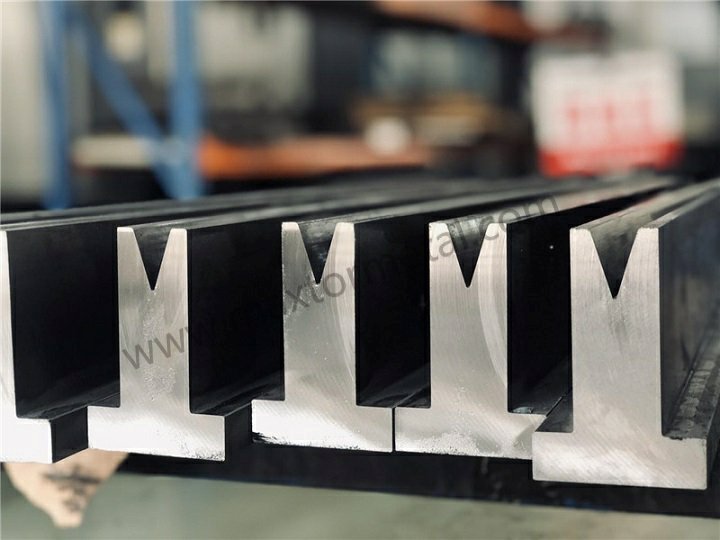
Bottoming Process
Principle of Bottoming
Bottoming is when you press sheet metal hard into the die. You use more force than air bending but less than coining. The punch pushes the metal until it touches the die sides. This changes the metal’s shape and helps stop springback.
There are ways to lower springback in bottoming. Arc bottoming uses the arc’s springback at the die’s bottom to fight side wall springback. Pinching die methods use a beaded punch to pinch the metal with round beads. This helps get rid of springback.
Bottoming is good if you want the same angle and less springback in your sheet metal bending jobs.
Steps in the Bottoming Process
Here are the steps for bottoming. First, put the sheet metal on the die. Next, line up the punch with the bend line. Lower the punch until the metal touches the die sides. Push hard enough to change the metal’s shape. Hold the pressure for a short time. Then let go and take out the bent part.
You must use the right force and die clearance. These things change how much springback you get after bending.
Advantages and Limitations of Bottoming
Bottoming has some good points. You get okay bend accuracy. Springback is less than with air bending. It works for thicker metal sheets.
But there are some limits. You may not get the best accuracy. Bottoming is better for thick sheets and simple shapes. If you need very tight sizes, you might want to use coining.
| Metode | Ketebalan Bahan | Persyaratan Presisi |
|---|---|---|
| Dasar | Thicker materials | Moderate precision |
Suitable Applications for Bottoming
You can use bottoming for many things. It works for car parts that need strong bends. It is good for building parts that need okay accuracy. Use it for sheet metal stamping when you want to control springback. It is also good for thick sheet metal projects.
Bottoming helps you stop bending problems and get steady results in many sheet metal bending jobs.
Coining for Accuracy
Principle of Coining
Coining is a way to bend metal with high accuracy. You use a punch to press the metal deep into the die with a lot of force. This force changes the metal and squeezes the bend area. Coining almost stops springback and gives you a very exact bend.
Coining needs much more force than air bending or bottoming. The punch and die press the metal so hard that the bend angle stays just as you set it.
Steps in the Coining Process
Here are the steps for coining. Put the sheet metal on the die. Line up the punch with the bend line. Lower the punch and use a lot of force, five to ten times more than air bending. Press the metal into the die until the bend is fully made. Hold the pressure for a short time. Let go and take out the part.
Coining works best for thin metal and parts that need to be very exact.
Benefits of Coining for Springback Prevention
Coining has many good points.
| Metode | Tonnage Required | Bend Accuracy | Springback Reduction |
|---|---|---|---|
| Pencetakan Uang | High (5-10x air bending) | Tinggi | Minimal |
| Pembengkokan Udara | Rendah | Variabel | Lebih tinggi |
| Pembengkokan Bawah | Sedang | Sedang | Sedang |
You get almost no springback. The bend angles are very exact. You can stop most bending problems.
Coining is best when you need perfect bends and almost no springback in your sheet metal bending work.
When to Use Coining
Use coining when you work with thin sheet metal. Use it if you need high accuracy and tight sizes. It is good when you want almost no springback. Use it for parts in electronics, airplanes, or home appliances.
| Metode | Ketebalan Bahan | Persyaratan Presisi |
|---|---|---|
| Pencetakan Uang | Thinner materials | Presisi tinggi |
Coining helps you get perfect bends and stop bending problems in tough sheet metal bending jobs.
Penyesuaian Parameter Proses

When you want to control the quality of your bends, you must pay close attention to your process parameters. Adjusting force, speed, and temperature can help you achieve the right shape and reduce errors in your sheet metal work.
Force and Speed Settings
Effect of Bending Force Magnitude
You need to set the right amount of force when you bend metal. If you use too little force, the metal may not bend enough. If you use too much, you can damage the part or the tooling. The correct force helps you get a clean bend and keeps the angle close to what you want. When you use the right force, you also help control springback. The metal stays in its new shape better, and you get more accurate results.
Influence of Bending Speed on Springback
Bending speed changes how the metal reacts. If you bend too fast, the metal may not have time to stretch and form well. If you bend too slow, the metal can cool down or lose heat, which changes how it bends. You need to match the speed to the type of metal you use.
- Softer metals like aluminum and copper work best at speeds of 8-10 mm/s. This speed lets the metal bend smoothly and reduces springback.
- Harder metals like stainless steel and high-strength steel need slower speeds, around 5-8 mm/s. This helps the metal bend evenly and keeps the angle steady.
Tip: Always check your machine settings before you start. The right speed helps you get the best bend and keeps your parts within tolerance.
Material-Specific Parameter Adjustments
Every metal acts differently when you bend it. You must adjust your force and speed for each type. For example, aluminum bends easily, so you can use less force and a faster speed. Stainless steel is harder, so you need more force and a slower speed. If you switch materials, always test a sample first. This helps you find the best settings and avoid mistakes.
Experimental Methods for Optimizing Force and Speed
You can use simple experiments to find the best force and speed for your job. Start with a test piece. Try different settings and measure the bend angle after each test. Write down your results. Look for the settings that give you the closest angle with the least springback. Repeat this process when you change materials or thickness. Over time, you will build a chart of the best settings for your shop.
Temperature Control
Role of Heating in Reducing Springback
Heating the metal before bending can make a big difference. When you heat the metal, it becomes softer and easier to bend. This lowers the yield strength and makes the metal more flexible. Heated metal bends with less force and shows less springback. You get a more accurate angle and a smoother bend.
Suitable Materials for Temperature-Assisted Bending
Not all metals need heating, but some benefit from it. Stainless steel and aluminum are two common metals that respond well to pre-heating. When you heat these metals, you make them easier to form. This helps you get better results, especially with tight bends or thick sheets.
Temperature Control Methods and Equipment
You can use different tools to heat your metal. Some shops use ovens or heat lamps to warm the whole sheet. Others use induction heaters for fast, local heating. You must watch the temperature closely. Too much heat can damage the metal. Too little heat may not help at all. Use a thermometer or a temperature sensor to check your work.
| Deskripsi Bukti | Poin-poin Utama |
|---|---|
| Pre-heating reduces yield strength | Pre-heating makes hard-to-form materials easier to bend, potentially reducing springback. |
| Slower bending reduces springback | Maintaining sufficient heat during slower bending can lead to less springback, but too slow can cause heat loss and inconsistencies. |
| Heating before forming increases ductility | Heating is beneficial when additional ductility is required for the bending process. |
Safety and Process Considerations
Always think about safety when you use heat. Wear gloves and eye protection. Keep flammable items away from your work area. Make sure your equipment is in good shape. Never leave heated metal unattended. Plan your process so you can bend the metal while it is still hot. This helps you get the best results and keeps your shop safe.
Note: Heating can help you control springback, but you must use it carefully. Always follow safety rules and check your results.
Kontrol Material dan Orientasi

Pemilihan Bahan
Choosing Materials with Low Springback Tendency
You can control the quality of your bends by choosing the right sheet metal. Some materials show less springback than others. Mild steel is a popular choice because it bends easily and keeps its shape well. Stainless steel and aluminum are also common, but they need more attention during bending.
Here is a table that shows how different materials behave:
| Bahan | Springback (%) | Remarks |
|---|---|---|
| Baja Ringan | 5–7% | Balanced formability; good for high-volume jobs |
| Besi tahan karat | 8–12% | High strength; needs precise tooling |
| Aluminium | 7–10% | Lightweight; more springback in thin sheets |
If you want less springback, mild steel is a reliable option. Stainless steel and aluminum need extra steps to get the right bend.
Comparing Common Sheet Metals (Aluminum, Mild Steel, Stainless Steel)
You see different results when you bend aluminum, mild steel, or stainless steel. Mild steel bends with less force and keeps its shape. Aluminum is light and easy to handle, but thin sheets can spring back more. Stainless steel is strong and resists rust, but it needs careful control to avoid errors.
- Mild steel works well for most jobs.
- Aluminum is best for lightweight parts.
- Stainless steel is strong and durable.
You should match the material to your project needs. Each metal has its own benefits and challenges.
Impact of Material Thickness and Yield Strength
Material thickness changes how much springback you see. Thicker sheets bend with less springback because they can stretch more before returning to their original shape. Thin sheets need more adjustments because they spring back easily.
- Thicker materials need more force and bend with less springback.
- Thinner materials bend with less force but show more springback.
- You may need extra roller passes for thin sheets to get the right angle.
Yield strength also matters. Metals with high yield strength resist bending and show more springback. You should check both thickness and yield strength before you start bending.
Tip: Always measure your material thickness and choose the right settings for your press brake. This helps you control springback and get accurate bends.
Adjusting Orientation
Understanding Grain Direction (Rolling Direction)
Sheet metal has a grain direction from the rolling process. Grain direction affects how the metal bends and stretches. If you bend along the grain, the metal may crack or tear. If you bend across the grain, the metal bends more smoothly.
Grain direction also changes springback. You need to know the grain direction before you start bending.
Effects of Bending Parallel vs. Perpendicular to Grain
Bending parallel to the grain makes the metal stronger but less flexible. You may see more cracks and higher springback. Bending perpendicular to the grain gives you better formability and less risk of defects.
You can also rotate the blank to a 45 or 90-degree angle. This helps the metal stretch evenly and lowers the chance of cracks. A case study showed that changing the blank orientation reduced cracking by 15%. This proves that grain direction matters in bending.
Best Practices for Orienting Blanks Before Bending
You should always check the grain direction before you bend. Here are some best practices:
- Mark the grain direction on each blank.
- Bend perpendicular to the grain for better results.
- Rotate blanks if you see cracks or defects.
- Test a sample piece before starting a big job.
Note: Proper blank orientation helps you avoid defects and control springback. You get smoother bends and stronger parts.
Teknik Pencegahan Springback Tingkat Lanjut
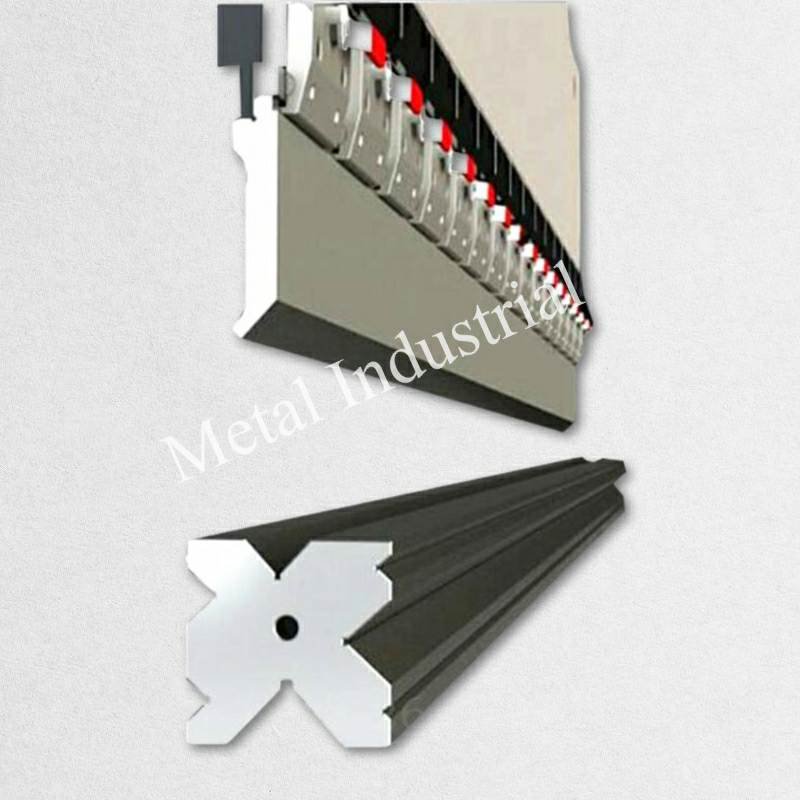
CNC Compensation
Principle of CNC Compensation
CNC compensation helps you bend metal very accurately. The CNC system checks the bend angle while you work. A laser device looks at the metal as it bends. It finds changes in thickness and springback. The system moves the slide block to fix the angle. This helps you get the bend you want every time.
Types of CNC Compensation Systems
There are two main types of CNC compensation systems:
- Closed-loop systems use feedback to make bends better. They check the angle and fix it during bending.
- Open-loop systems do not use feedback. They follow commands but do not fix mistakes.
- Tool offsets let you set each tool’s size. This makes changing tools easier.
- Error compensation fixes problems from tool wear or heat.
Closed-loop systems work best because they fix errors right away.
Steps for Implementing CNC Compensation
Here are steps to use CNC compensation:
- Measure the bend angle after a test bend.
- Put the compensation value into the CNC system.
- Use angle compensation to change the settings.
- Pick CNC press brakes with real-time angle checks.
- The system finds springback and fixes the bend as you work.
This keeps your bends correct and lowers mistakes.
Benefits and Limitations of CNC Compensation
CNC compensation has many good points. You get accurate bends and fewer mistakes. The system works for different metals and thicknesses. You save time because you do not need to fix parts later. You also waste less material.
But CNC systems can be hard to learn. Your team needs training to use them well. Some systems cost more, but they help you get better bends.
Application Scenarios for CNC Compensation
Use CNC compensation when you need very accurate bends. It is good for car, airplane, and electronics parts. It works well for jobs with many bends or tight sizes. CNC compensation helps with metals that spring back a lot.
Tip: If you want better bends, think about getting CNC press brakes with compensation.
Simulation and Prediction Tools
Overview of Simulation Tools (e.g., FEA Software)
Simulation tools help you see how metal will bend. Finite Element Analysis (FEA) software models the bending process. You can test different metals and shapes before you start. FEA uses special math to show how metal will act.
How Simulation Predicts Springback
Simulation tools use metal models and properties to guess springback. For example, Voce hardening law and Barlat’s yield functions help get good results. The software checks things like Young’s modulus and hardening law. It uses special math to match real bending.
You can compare simulation results with test bends. This helps you see if your guesses are right.
Integrating Simulation Results into Production
You can use simulation results to set up your press brake. The software tells you the best force, speed, and angle for each metal. You can change your process before you bend real parts. This saves time and cuts waste.
Many shops use simulation to plan jobs and teach workers. You can also use it to try new metals or designs.
Advantages of Using Prediction Tools
Simulation tools have many good points:
- You can guess springback before you bend metal.
- You save metal and time by avoiding mistakes.
- You can test new designs quickly.
- You get better accuracy and fewer defects.
Simulation helps you plan better and get steady results.
Common Challenges and Solutions
You may have problems with simulation tools. Setting up the software can take time. You need good metal data for good guesses. Sometimes, results do not match real bends. You can fix these problems by updating your metal library and checking your process often.
Note: Always check your simulation results with test bends. This helps you keep your process working well.
Geometric Stiffeners
What Are Geometric Stiffeners
Geometric stiffeners are shapes added to metal parts. You can use ribs, beads, or flanges to make the part stronger. Stiffeners help metal keep its shape after bending.
How Stiffeners Reduce Springback
Stiffeners make the part stiffer. They fight elastic stress and help keep the shape you want. You see less springback when you use stiffeners.
Design Considerations for Stiffeners
Plan stiffeners carefully. Think about the part’s size and shape. Pick the right stiffener for your job. Make sure the design fits your process.
Examples of Stiffener Applications
Add ribs to car panels to keep them flat. Use beads in appliance parts for extra strength. Flanges work well in building pieces to hold their shape.
Limitations and Best Practices
Here is a table showing the good and bad points of geometric stiffeners:
| Keuntungan | Keterbatasan |
|---|---|
| Makes parts stiffer | Harder to design |
| Fights elastic stress | May cost more |
| Helps keep shape after bending | Needs more work and material |
You should balance the good points with the extra cost and work. Test your stiffener designs before making lots of parts.
Tip: Use geometric stiffeners when you need strong, accurate parts with less springback.
Mencegah Cacat Tekuk Lembaran Logam: Praktik Terbaik
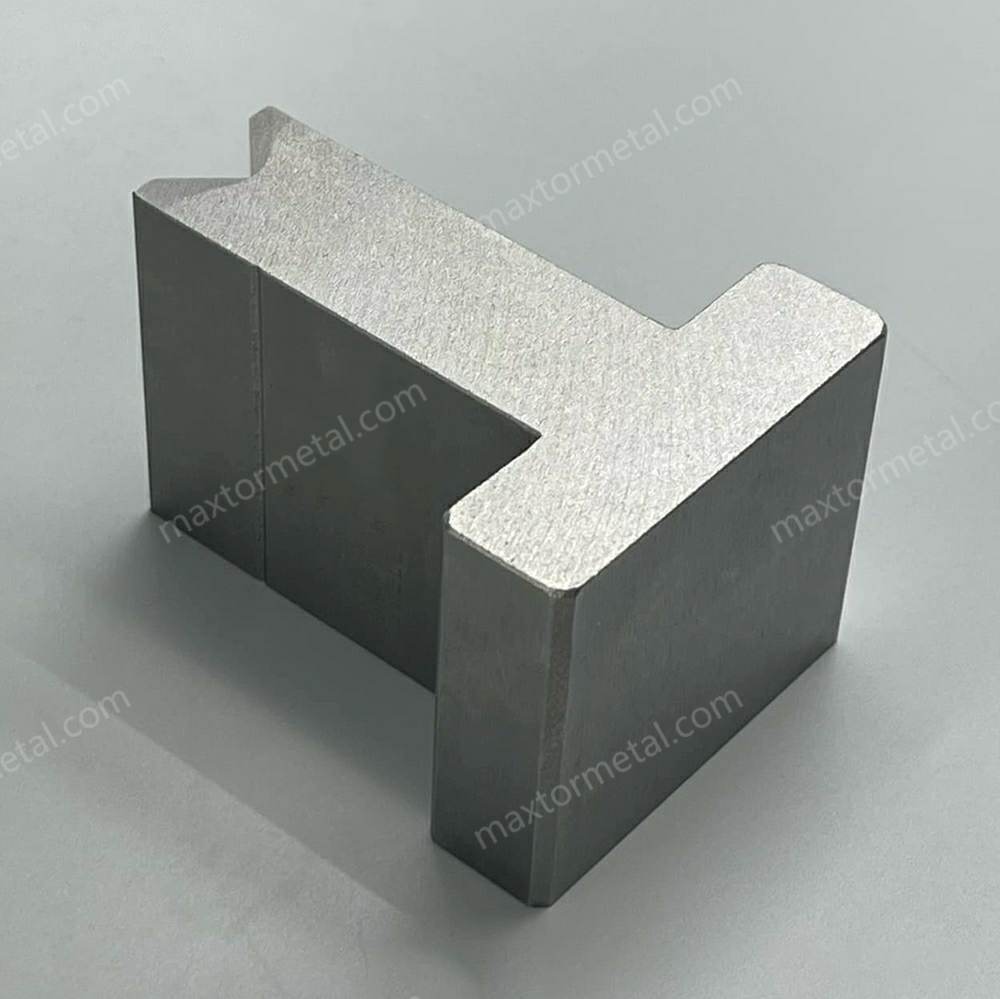
Post-Bend Correction
You can fix many bending problems after you bend the metal. These fixes help you get the right angle and shape, especially if springback causes trouble. Here are some ways to fix your bends:
- Overbending: Push the metal a little more so it stays at the right angle after it springs back.
- Widening the die angle: Change the die’s angle to match how the metal acts and lower springback.
- Smaller punch radius: Use a punch with a smaller tip to help control the bend.
- Geometric adjustment: Change the tool’s shape in the opposite way of the springback.
- Springback correction tables: Use charts that show how metals react, so you can set your angles before you bend.
- Custom scripts: Set up your press brake to make automatic changes for each bend.
Tip: Always look at your parts after you bend them. Small fixes can really help your part’s quality.
Kontrol Kualitas yang Ketat
Quality control helps you make sure your parts are right and do not have bending problems. You should check every part after you bend it. Look for cracks, wrinkles, or wrong angles. Use tools like protractors or digital angle finders to check each bend.
You can make a checklist for your team:
- Check the bend angle and radius.
- Look for marks or cracks on the surface.
- Match the part to your drawing.
- Write down any problems and fix them fast.
Using good press brake tooling, like OEM/ODM tools, helps you keep your work steady. Custom tools fit your job and help stop mistakes.
Here is how OEM/ODM press brake tooling helps you bend without mistakes:
| Keuntungan | Keterangan |
|---|---|
| Consistent bend angles | Makes sure all parts have the same angle, so they match. |
| Precise control of the bend radius | Lets you make tight bends, which is important for good parts. |
| Minimal defects | Helps stop problems like wrinkles, cracks, or bent shapes. |
| Masa pakai alat yang lebih lama | Tools last longer, so you spend less time fixing or changing them. |
Sequence Bending
The order you bend each part is important. Sequence bending helps you stop common bending problems and makes your work easier. Plan your bends so each step helps the next one. Start with easy bends and do hard ones last.
- Bend big flanges first to keep the part steady.
- Make small or tight bends last so nothing gets in the way.
- Use supports or holders to keep the part still while you bend.
- Try your plan on a test piece before making lots of parts.
Note: Good planning and the right order help you stop springback and keep your parts right.
If you follow these best steps, you can stop sheet metal bending problems and make good parts every time.
You can make perfect bends by using good ways to control springback. When you check your tools and how you work, you find ways to lower springback and make your parts better. Good press brake tooling helps you get the same results every time and stops springback problems. If you need help with bending, talk to a sales engineer Di Sini.
Tanya Jawab Umum
What is springback in sheet metal bending?
Springback is when metal tries to go back to its old shape after you bend it. This can make the angle of your part change. You need to control springback to get the right bend.
How can you reduce springback during bending?
You can lower springback by overbending the metal. Picking the right tools and changing machine settings also helps. Heating the metal or using bottoming and coining can help too. Always test your setup before making lots of parts.
Why does material type affect springback?
Different metals act in their own way. High-strength steel and aluminum usually have more springback. Mild steel has less. Always check the metal’s yield strength and thickness before you bend it.
What role does press brake tooling play in springback control?
Press brake tooling shapes the metal and helps control springback. Good quality tools give better bends. Picking the right die and punch helps you get the angle you want.
Can you fix springback after bending?
Yes, you can fix springback by making small changes. You might bend the part a little more or use other fixes after bending. Always check the angle and fix it if you need to.
Does grain direction matter for springback?
Yes, grain direction changes how metal bends and springs back. Bending across the grain gives less springback and fewer cracks. Always mark and check the grain direction before you bend.
How do CNC systems help with springback?
CNC systems check the bend angle as you work. They change the press brake settings to fix springback. This helps you get the right bend every time.
Lihat Juga
Memilih Perkakas Rem Tekan Terbaik untuk Baja Tahan Karat
Perkakas Rem Tekan Gaya Eropa vs. Amerika: Mana yang Tepat untuk Bengkel Anda?
Pembengkokan Udara vs. Pembengkokan Bawah: Memilih Perkakas Rem Tekan yang Tepat untuk Proyek Anda
Panduan Lengkap untuk Dies Rem Tekan: Memilih Bahan Terbaik untuk Mencegah Keausan
Panduan Perkakas Rem Tekan untuk Pemula: Memilih Pembukaan V-Die yang Tepat

 English
  Spanish
  Italian
  French
  Portuguese
  Russian
  German
  Arabic
  Hindi
Hindi  Vietnamese
  Indonesian
  Japanese
  Korean
satu Respon