

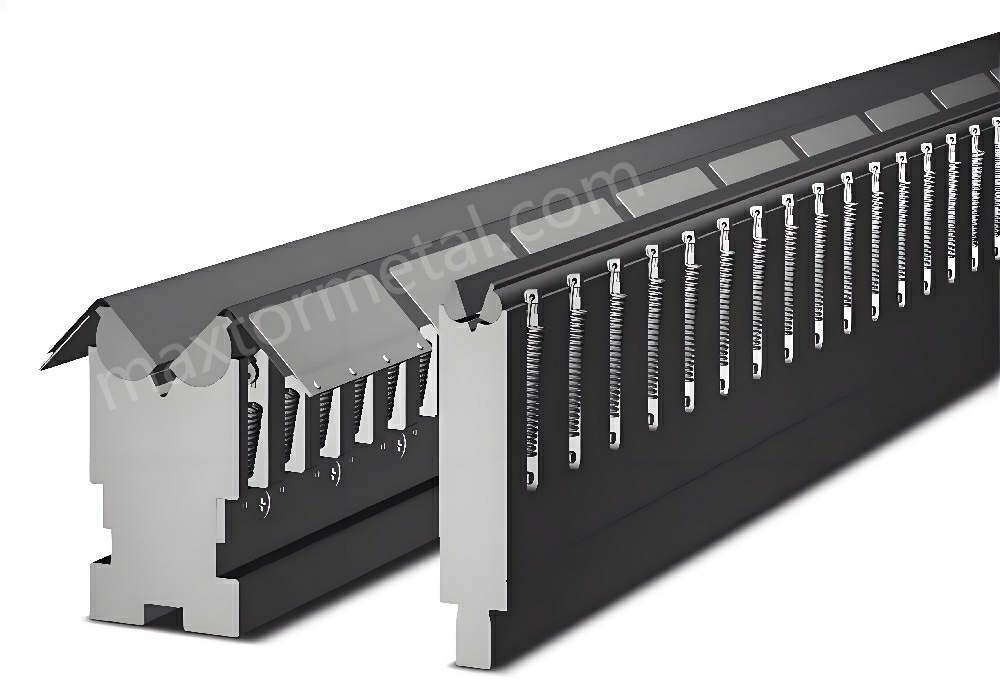
Bạn có thể ngăn ngừa độ hồi đàn một cách hiệu quả bằng cách sử dụng các dụng cụ và phương pháp chấn phù hợp. Chất lượng là yếu tố quyết định vì độ hồi đàn có thể dẫn đến các lỗi tốn kém và lãng phí vật liệu. Chày cối máy chấn tiên tiến, chẳng hạn như các sản phẩm từ Nanjing Metal, giúp bạn đạt được các góc chấn hoàn hảo bằng cách cung cấp:
- Máy chấn độ chính xác cao với công nghệ CNC, giúp giảm thiểu sai sót.
- Hệ thống đo góc thời gian thực tự động điều chỉnh các thiết lập.
- Các kỹ thuật bù hồi đàn tích hợp, chẳng hạn như chấn quá góc (over-bending).
Ngăn ngừa độ bật lại đảm bảo rằng các chi tiết kim loại của bạn luôn lắp khớp chính xác.
Những điểm chính
- Hiện tượng hồi đàn xảy ra khi kim loại có xu hướng trở lại hình dạng ban đầu sau khi chấn. Hiểu rõ điều này sẽ giúp bạn thực hiện các đường chấn tốt hơn.
- Sử dụng chày cối máy chấn chất lượng tốt giúp giảm thiểu sai sót, đồng thời tăng độ chính xác cho các đường chấn.
- Chấn quá góc (Overbending) là một phương pháp hiệu quả để xử lý độ hồi đàn. Hãy chấn kim loại sâu hơn một chút so với góc yêu cầu để đạt được góc thành phẩm chính xác.
- Các đặc tính vật liệu như giới hạn bền chảy và độ dày sẽ ảnh hưởng đến mức độ hồi đàn. Hãy lựa chọn vật liệu cẩn thận để đạt kết quả tốt hơn.
- Thay đổi bán kính chấn có thể giúp giảm độ hồi đàn. Bán kính chấn nhỏ hơn thường đồng nghĩa với độ hồi đàn ít hơn.
- Hệ thống bù CNC thực hiện các điều chỉnh ngay trong quá trình chấn. Điều này giúp duy trì độ chính xác của đường chấn và giảm thiểu sai sót.
- Bảo dưỡng chày cối máy chấn ở trạng thái tốt giúp thiết bị hoạt động ổn định và đồng nhất, đồng thời hạn chế các vấn đề do hồi đàn gây ra.
- Thử nghiệm và điều chỉnh các thiết lập chấn, chẳng hạn như lực chấn và tốc độ, để kiểm soát độ hồi đàn tốt hơn. Điều này cũng giúp nâng cao chất lượng chi tiết gia công.
Ngăn ngừa độ hồi đàn: Các nguyên lý cơ bản
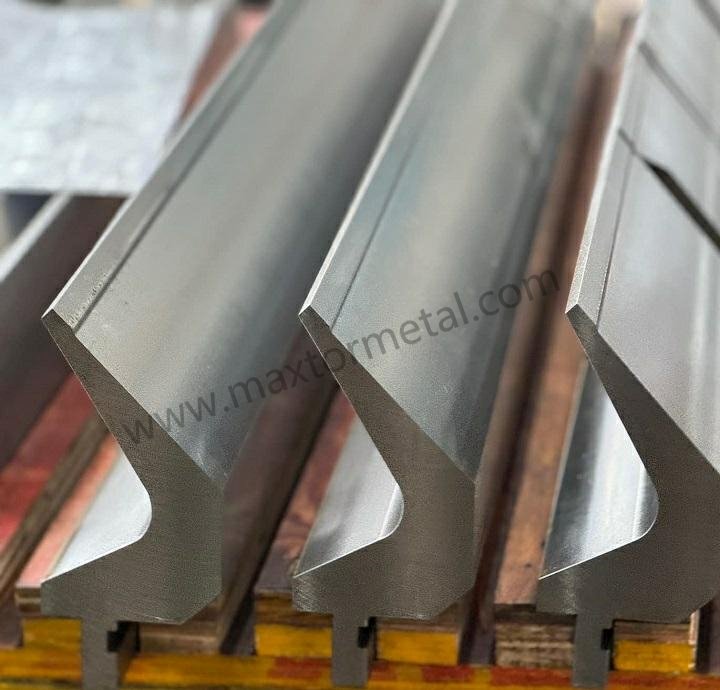
Độ hồi đàn (Springback) là gì?
Khi bạn uốn chấn kim loại, nó có xu hướng phản hồi lại trạng thái cũ. Hiện tượng này gọi là độ hồi đàn (springback). Trong quá trình chấn tôn tấm hoặc dập kim loại, kim loại bị kéo giãn và uốn cong. Khi ngừng tác dụng lực, tính đàn hồi của kim loại sẽ khiến nó co lại một chút. Do đó, hình dạng cuối cùng có thể không đạt đúng góc độ mong muốn.
Hiện tượng hồi đàn xảy ra do tính đàn hồi của kim loại. Các nguyên tử dịch chuyển khi bạn uốn cong kim loại và có xu hướng trở lại vị trí cũ khi ngừng lực tác dụng. Đó là lý do tại sao việc kiểm soát và ngăn ngừa độ hồi đàn là cực kỳ quan trọng trong gia công chấn.
Tại sao độ hồi đàn lại quan trọng?
Độ hồi đàn có thể gây ra nhiều vấn đề trong dập kim loại và chấn tôn tấm. Nếu không kiểm soát tốt, các chi tiết có thể không lắp khớp được với nhau. Bạn có thể thấy các khe hở hoặc các lỗ bắt vít không thẳng hàng. Các chi tiết có thể sai lệch kích thước, gây lãng phí vật tư và thời gian.
Mẹo: Các kỹ sư luôn phải tính đến độ hồi đàn khi thiết kế các bước chấn. Việc dự đoán và khắc phục độ hồi đàn giúp bạn đạt được kích thước chính xác và tránh các sai sót không đáng có.
Bạn phải ngăn ngừa độ hồi đàn để đảm bảo các chi tiết gia công đạt độ chính xác tuyệt đối. Độ chính xác kích thước là cực kỳ quan trọng trong các ngành ô tô, hàng không vũ trụ và điện tử. Nếu bỏ qua độ hồi đàn, sản phẩm của bạn có thể không vượt qua được các khâu kiểm định chất lượng.
Các yếu tố chính
Có nhiều yếu tố ảnh hưởng đến mức độ hồi đàn trong chấn tôn tấm và dập kim loại. Hiểu rõ các yếu tố này sẽ giúp bạn lựa chọn phương pháp và dụng cụ tối ưu nhất để hạn chế độ hồi đàn.
- Đặc tính vật liệu:
Các loại kim loại khác nhau sẽ có phản ứng khác nhau khi chấn. Thép cường độ cao và kim loại có giới hạn bền chảy cao có độ hồi đàn lớn hơn. Chúng có xu hướng bật ngược lại nhiều hơn. Bảng dưới đây cho thấy một số đặc tính vật liệu ảnh hưởng đến độ hồi đàn như thế nào:Đặc tính vật liệuẢnh hưởng điển hình đến độ hồi đànGiới hạn bền chảyGiới hạn bền chảy cao làm tăng mạnh độ hồi đàn.Modun YoungGiá trị cao làm tăng độ hồi đàn.Hệ số biến cứng nguộiThay đổi khả năng chống uốn của kim loại, ảnh hưởng đến độ hồi đàn.Độ dày tấmMỗi 10% độ dày giảm đi có thể làm độ hồi đàn tăng thêm 5-8%.Hàm lượng CarbonMỗi 0.1% carbon tăng thêm có thể làm tăng độ hồi đàn từ 5-8%.Kích thước hạtKích thước hạt nhỏ hơn có thể làm độ hồi đàn tăng từ 10-15%.Nhiệt luyệnCó thể giảm độ hồi đàn từ 20-30% bằng cách làm giảm giới hạn bền chảy. - Bán kính chấn:
Kích thước bán kính chấn ảnh hưởng rất lớn đến độ hồi đàn. Bán kính chấn nhỏ hơn đồng nghĩa với độ hồi đàn ít hơn. Nếu bạn sử dụng bán kính chấn lớn, chẳng hạn như gấp tám lần độ dày vật liệu, độ hồi đàn sẽ lớn hơn. Dưới đây là cách các vật liệu khác nhau phản ứng:Vật liệuPhạm vi hồi đàn (độ)Thép không gỉ 3042 đến 3Nhôm dẻo1.5 đến 2Thép cán nguội0.75 đến 1.0Thép cán nóng0.5 đến 1.0Đồng và đồng thau0.00 đến 0.5 - Khe hở cối chấn (Die Clearance):
Khoảng cách giữa chày và cối được gọi là khe hở cối chấn. Nó ảnh hưởng đến mức độ uốn cong và hồi đàn của kim loại. Đối với thép mềm, khe hở cối chấn tối ưu là khoảng 12-13% mỗi bên. Đối với thép không gỉ, bạn cần trên 25% mỗi bên. Nếu khe hở quá lớn hoặc quá nhỏ, độ hồi đàn sẽ trở nên nghiêm trọng hơn. - Chất lượng chày cối:
Chày cối máy chấn chất lượng tốt giúp kiểm soát độ hồi đàn hiệu quả. Các dụng cụ được chế tạo và bảo dưỡng tốt sẽ mang lại kết quả ổn định. Cối chấn cũ hoặc kém chất lượng có thể làm tăng độ hồi đàn và gây sai lệch hình dạng. Bạn có thể tham khảo các loại dao cắt thiết kế theo yêu cầu và các tùy chọn chày cối tiên tiến đây để hỗ trợ quy trình sản xuất của bạn. - Các nguyên nhân khác:
- Tính đàn hồi của vật liệu: Kim loại có tính đàn hồi cao hơn sẽ có độ hồi đàn lớn hơn.
- Hình học của chi tiết: Các hình dạng phức tạp với các đường cong hoặc góc sắc nhọn sẽ có độ hồi đàn nhiều hơn.
- Áp lực dập: Áp lực không đủ lớn sẽ làm tăng độ hồi đàn.
- Die characteristics: The design and condition of dies matter a lot.
Ghi chú: The size effect can change the springback angle by more than 7%. Even small changes in thickness or grain size can make a big difference.
If you know these key factors, you can work to stop springback in every sheet metal stamping or bending job. Using the right materials, changing your bend radius, setting good die clearance, and picking good press brake tooling all help you get accurate results.
Kỹ thuật chấn quá góc (Overbending)
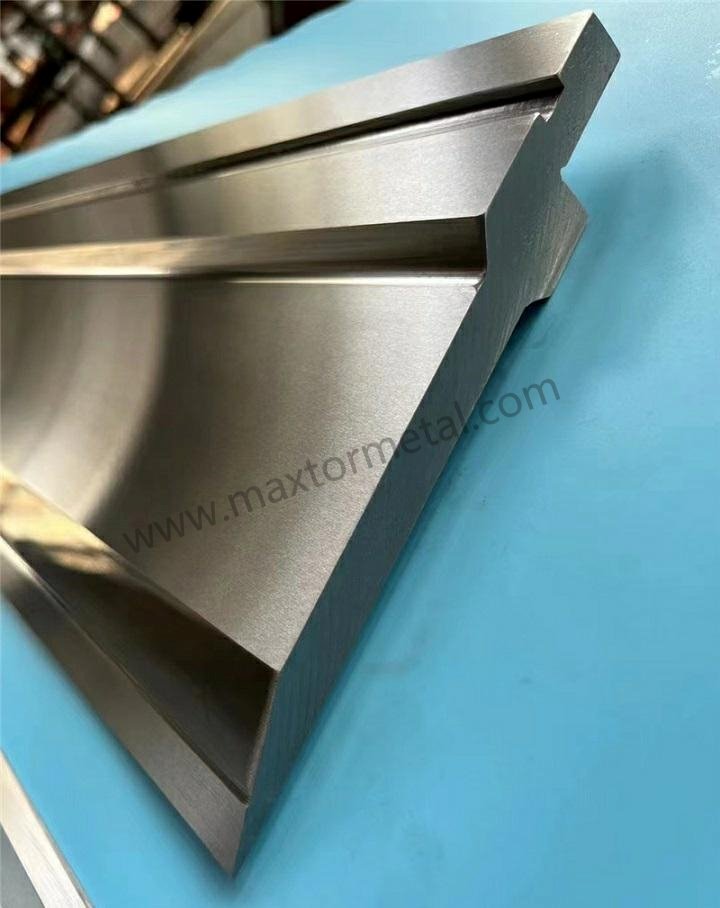
How Overbending Works
When you bend metal, it wants to go back. This is called springback. Overbending helps stop this from happening. You bend the metal more than you need. After springback, the metal ends up at the right angle.
Overbending is easy and works well. Many shops use it for different metals and thicknesses. Overbending can cut springback almost in half. For example, a compensation algorithm can lower springback by 45%. If the first displacement is 20.1 mm, overbending can make it only 11.3 mm at the most important flange. This makes your parts fit better and saves time fixing mistakes.
Mẹo: Overbending works best when you know your material and use the right press brake tooling. Always check your work and change things if needed.
Calculating Overbend Angles
You need to figure out the right overbend angle for good results. There are a few steps to follow. Each step helps you control springback and make bending better.
Here is how you find the overbend angle:
- Identify the Material Type:
Different metals act differently. Aluminum, steel, and copper have different springback. - Measure the Thickness of the Material:
Thicker metal has more springback. You must know the thickness before you start. - Check the Bend Radius:
The bend radius should match the thickness. A small radius can crack brittle metals. - Set the Desired Bend Angle:
Pick the angle you want for your finished part. - Estimate Springback Compensation:
Use your experience, tables, or test bends to guess how much the metal will spring back. - Calculate the Overbend Angle:
Use this formula:Overbend Angle = Desired Angle + Springback CompensationFor example, if you want a 90° angle and expect 2° of springback, set your press brake to 92°. - Adjust Tooling and Machine Settings:
The tooling and press brake machine change your results. Make sure you use the right setup for your metal. - Perform a Test Bend:
Bend a sample piece and measure the angle. See if it matches your goal. - Fine-Tune as Needed:
If the angle is wrong, change the overbend angle and try again.
Here is a quick checklist for your overbend calculation:
- Material type
- Độ dày vật liệu
- Bend radius
- Bend angle
- Sự hồi phục
- Tooling and machine features
| Nhân tố | Tại sao nó quan trọng |
|---|---|
| Loại vật liệu | Metals bend and spring back differently |
| Độ dày | Thicker sheets need more compensation |
| Bán kính uốn cong | Small radius can cause cracks |
| Góc uốn | Sets the final shape |
| Sự hồi phục | Must be measured or estimated |
| Tooling/Machine | Affects precision and repeatability |
Ghi chú: Always do a test bend before making lots of parts. This helps you find mistakes early and makes sure your parts are good.
If you follow these steps, you can control springback and get accurate bends every time. Overbending is a proven way to help you get the results you want.
Tối ưu hóa chày cối để ngăn ngừa độ hồi đàn
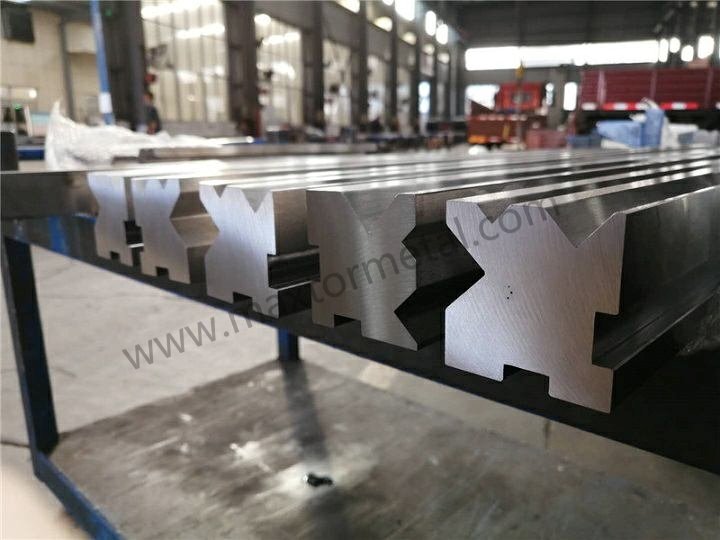
Special press brake tooling helps stop springback. Picking the right dies and punches lets you control how metal bends. Companies like Nanjing Metal have advanced press brake tooling. These tools help you get accurate results in sheet metal bending and metal stamping.
Die and Punch Selection
Common Die Types and Their Impact on Springback
The shape of your die changes how much metal springs back. Different die shapes help control elastic recovery and stop springback. The table below shows how die geometry affects your results:
| Điểm chứng cứ | Sự miêu tả |
|---|---|
| Die geometry modification | The shape and structure of the die impact elastic recovery. Proper angles and radii help minimize springback. |
| Use of compensating dies | These dies are designed to counteract elastic recovery by allowing controlled deformation. |
| High-precision guides/punches | Good alignment reduces unwanted deformations and elastic recovery. |
You can add shapes or darts to the flange radius. This makes the part stronger and lowers springback. To reduce springback, try to make more of the part bend plastically. You can do this by adding reduction features to your part’s shape.
Punch Geometry Considerations
Punch shape also matters for springback prevention. For thin and thick sheet metals, use a punch nose radius bigger than four times the sheet thickness. This helps lower springback and gives better results. Smaller punch radii and tight clearances help with both thin and thick metals.
Making higher strain levels and even strain lowers springback. This gives you better results in finished parts. Always match your punch shape to your material and thickness for the best results in sheet metal bending and metal stamping.
Application Scenarios for Optimal Selection
Pick your die and punch based on metal type, thickness, and shape. For example:
- Use compensating dies if you expect high elastic recovery.
- Pick high-precision guides and punches for tight tolerance parts.
- Add darts or shapes to flanges for extra strength and less springback.
- Choose a punch nose radius bigger than four times the sheet thickness for most springback prevention.
Tooling Material and Design
Role of Advanced Materials (e.g., Carbide, Special Steels) in Reducing Springback
Tooling material affects how well you control springback. Advanced materials like carbide and special steels lower springback better than regular materials. The table below compares average springback angles for different materials and die sizes:
| Vật liệu | Average Springback Angle (10 mm Die) | Average Springback Angle (30 mm Die) |
|---|---|---|
| DC06 | 6.93° | 17.26° |
| HX420 | 28.0° | 54.60° |
| RAK 40/70 | 30.6° | 58.60° |

Using advanced tooling materials gives you better springback prevention. These materials last longer and keep their shape. This helps you stay accurate in sheet metal stamping and metal stamping.
Innovative Tooling Designs for Enhanced Accuracy
New tooling designs, like custom V-punches and gooseneck punches, give you more control. These designs help you adjust and align better. You can use custom tooling to fit your needs in sheet metal bending.
Mẹo bảo trì
Danh sách kiểm tra hàng ngày
Check your press brake tooling every day to keep it working well. This helps you keep springback prevention strong. Here is a simple checklist:
- Clean tools to remove dust, oil, and fingerprints.
- Kiểm tra xem có dấu hiệu hao mòn hoặc hư hỏng không.
- Make sure all parts are lined up and tight.
Mẹo: Clean your press brake tools after every shift. Use a lint-free cloth and a metal-safe cleaner.
Routine Maintenance Procedures
Regular maintenance makes your press brake tooling last longer. It keeps your springback prevention working well. Follow these steps:
- Lubricate your tools every week or when needed.
- Use approved anti-corrosion lubricants.
- Keep shop humidity below 50% and make sure air moves well to stop rust.
- Calibrate and align your press brake often for accurate bending.
- Train workers to spot problems early and use equipment right.
- Make a maintenance schedule and follow it.
- Use technology for real-time checks and predictive analytics.
| Thực hành bảo trì | Sự miêu tả |
|---|---|
| Kiểm tra thường xuyên | Daily, weekly, and monthly checks catch issues early and prevent downtime. |
| Bôi trơn | Reduces friction and prevents corrosion, extending tool life. |
| Hiệu chuẩn và Căn chỉnh | Keeps the machine within tight tolerances for accurate bending. |
| Training and Education for Operators | Helps operators use the press brake correctly and spot problems early. |
| Creating a Maintenance Schedule | Ensures you never miss important maintenance steps. |
| Utilizing Technology for Monitoring | Lets you predict and prevent problems before they cause downtime. |
If you follow these tips, your press brake tooling stays in good shape. This helps you stop springback and get high-quality results in every sheet metal bending and metal stamping job.
Phương pháp chấn chạm đáy (Bottoming) và chấn ép phẳng (Coining)
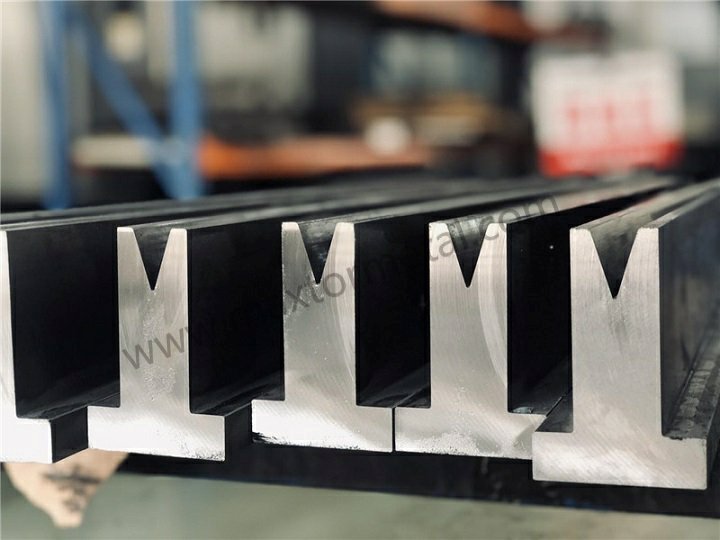
Bottoming Process
Principle of Bottoming
Bottoming is when you press sheet metal hard into the die. You use more force than air bending but less than coining. The punch pushes the metal until it touches the die sides. This changes the metal’s shape and helps stop springback.
There are ways to lower springback in bottoming. Arc bottoming uses the arc’s springback at the die’s bottom to fight side wall springback. Pinching die methods use a beaded punch to pinch the metal with round beads. This helps get rid of springback.
Bottoming is good if you want the same angle and less springback in your sheet metal bending jobs.
Steps in the Bottoming Process
Here are the steps for bottoming. First, put the sheet metal on the die. Next, line up the punch with the bend line. Lower the punch until the metal touches the die sides. Push hard enough to change the metal’s shape. Hold the pressure for a short time. Then let go and take out the bent part.
You must use the right force and die clearance. These things change how much springback you get after bending.
Advantages and Limitations of Bottoming
Bottoming has some good points. You get okay bend accuracy. Springback is less than with air bending. It works for thicker metal sheets.
But there are some limits. You may not get the best accuracy. Bottoming is better for thick sheets and simple shapes. If you need very tight sizes, you might want to use coining.
| Phương pháp | Độ dày vật liệu | Yêu cầu chính xác |
|---|---|---|
| Đít | Thicker materials | Moderate precision |
Suitable Applications for Bottoming
You can use bottoming for many things. It works for car parts that need strong bends. It is good for building parts that need okay accuracy. Use it for sheet metal stamping when you want to control springback. It is also good for thick sheet metal projects.
Bottoming helps you stop bending problems and get steady results in many sheet metal bending jobs.
Coining for Accuracy
Principle of Coining
Coining is a way to bend metal with high accuracy. You use a punch to press the metal deep into the die with a lot of force. This force changes the metal and squeezes the bend area. Coining almost stops springback and gives you a very exact bend.
Coining needs much more force than air bending or bottoming. The punch and die press the metal so hard that the bend angle stays just as you set it.
Steps in the Coining Process
Here are the steps for coining. Put the sheet metal on the die. Line up the punch with the bend line. Lower the punch and use a lot of force, five to ten times more than air bending. Press the metal into the die until the bend is fully made. Hold the pressure for a short time. Let go and take out the part.
Coining works best for thin metal and parts that need to be very exact.
Benefits of Coining for Springback Prevention
Coining has many good points.
| Phương pháp | Tonnage Required | Bend Accuracy | Springback Reduction |
|---|---|---|---|
| Đúc tiền | High (5-10x air bending) | Cao | Tối thiểu |
| Điều khiển không khí | Thấp | Biến | Cao hơn |
| Uốn cong đáy | Vừa phải | Vừa phải | Vừa phải |
You get almost no springback. The bend angles are very exact. You can stop most bending problems.
Coining is best when you need perfect bends and almost no springback in your sheet metal bending work.
When to Use Coining
Use coining when you work with thin sheet metal. Use it if you need high accuracy and tight sizes. It is good when you want almost no springback. Use it for parts in electronics, airplanes, or home appliances.
| Phương pháp | Độ dày vật liệu | Yêu cầu chính xác |
|---|---|---|
| Đúc tiền | Thinner materials | High precision |
Coining helps you get perfect bends and stop bending problems in tough sheet metal bending jobs.
Điều chỉnh thông số quy trình

When you want to control the quality of your bends, you must pay close attention to your process parameters. Adjusting force, speed, and temperature can help you achieve the right shape and reduce errors in your sheet metal work.
Force and Speed Settings
Effect of Bending Force Magnitude
You need to set the right amount of force when you bend metal. If you use too little force, the metal may not bend enough. If you use too much, you can damage the part or the tooling. The correct force helps you get a clean bend and keeps the angle close to what you want. When you use the right force, you also help control springback. The metal stays in its new shape better, and you get more accurate results.
Influence of Bending Speed on Springback
Bending speed changes how the metal reacts. If you bend too fast, the metal may not have time to stretch and form well. If you bend too slow, the metal can cool down or lose heat, which changes how it bends. You need to match the speed to the type of metal you use.
- Softer metals like aluminum and copper work best at speeds of 8-10 mm/s. This speed lets the metal bend smoothly and reduces springback.
- Harder metals like stainless steel and high-strength steel need slower speeds, around 5-8 mm/s. This helps the metal bend evenly and keeps the angle steady.
Tip: Always check your machine settings before you start. The right speed helps you get the best bend and keeps your parts within tolerance.
Material-Specific Parameter Adjustments
Every metal acts differently when you bend it. You must adjust your force and speed for each type. For example, aluminum bends easily, so you can use less force and a faster speed. Stainless steel is harder, so you need more force and a slower speed. If you switch materials, always test a sample first. This helps you find the best settings and avoid mistakes.
Experimental Methods for Optimizing Force and Speed
You can use simple experiments to find the best force and speed for your job. Start with a test piece. Try different settings and measure the bend angle after each test. Write down your results. Look for the settings that give you the closest angle with the least springback. Repeat this process when you change materials or thickness. Over time, you will build a chart of the best settings for your shop.
Temperature Control
Role of Heating in Reducing Springback
Heating the metal before bending can make a big difference. When you heat the metal, it becomes softer and easier to bend. This lowers the yield strength and makes the metal more flexible. Heated metal bends with less force and shows less springback. You get a more accurate angle and a smoother bend.
Suitable Materials for Temperature-Assisted Bending
Not all metals need heating, but some benefit from it. Stainless steel and aluminum are two common metals that respond well to pre-heating. When you heat these metals, you make them easier to form. This helps you get better results, especially with tight bends or thick sheets.
Temperature Control Methods and Equipment
You can use different tools to heat your metal. Some shops use ovens or heat lamps to warm the whole sheet. Others use induction heaters for fast, local heating. You must watch the temperature closely. Too much heat can damage the metal. Too little heat may not help at all. Use a thermometer or a temperature sensor to check your work.
| Mô tả bằng chứng | Những điểm chính |
|---|---|
| Pre-heating reduces yield strength | Pre-heating makes hard-to-form materials easier to bend, potentially reducing springback. |
| Slower bending reduces springback | Maintaining sufficient heat during slower bending can lead to less springback, but too slow can cause heat loss and inconsistencies. |
| Heating before forming increases ductility | Heating is beneficial when additional ductility is required for the bending process. |
Safety and Process Considerations
Always think about safety when you use heat. Wear gloves and eye protection. Keep flammable items away from your work area. Make sure your equipment is in good shape. Never leave heated metal unattended. Plan your process so you can bend the metal while it is still hot. This helps you get the best results and keeps your shop safe.
Note: Heating can help you control springback, but you must use it carefully. Always follow safety rules and check your results.
Kiểm soát vật liệu và hướng thớ kim loại

Lựa chọn vật liệu
Choosing Materials with Low Springback Tendency
You can control the quality of your bends by choosing the right sheet metal. Some materials show less springback than others. Mild steel is a popular choice because it bends easily and keeps its shape well. Stainless steel and aluminum are also common, but they need more attention during bending.
Here is a table that shows how different materials behave:
| Vật liệu | Springback (%) | Remarks |
|---|---|---|
| Thép mềm | 5–7% | Balanced formability; good for high-volume jobs |
| Thép không gỉ | 8–12% | High strength; needs precise tooling |
| Aluminium | 7–10% | Lightweight; more springback in thin sheets |
If you want less springback, mild steel is a reliable option. Stainless steel and aluminum need extra steps to get the right bend.
Comparing Common Sheet Metals (Aluminum, Mild Steel, Stainless Steel)
You see different results when you bend aluminum, mild steel, or stainless steel. Mild steel bends with less force and keeps its shape. Aluminum is light and easy to handle, but thin sheets can spring back more. Stainless steel is strong and resists rust, but it needs careful control to avoid errors.
- Mild steel works well for most jobs.
- Aluminum is best for lightweight parts.
- Stainless steel is strong and durable.
You should match the material to your project needs. Each metal has its own benefits and challenges.
Impact of Material Thickness and Yield Strength
Material thickness changes how much springback you see. Thicker sheets bend with less springback because they can stretch more before returning to their original shape. Thin sheets need more adjustments because they spring back easily.
- Thicker materials need more force and bend with less springback.
- Thinner materials bend with less force but show more springback.
- You may need extra roller passes for thin sheets to get the right angle.
Yield strength also matters. Metals with high yield strength resist bending and show more springback. You should check both thickness and yield strength before you start bending.
Tip: Always measure your material thickness and choose the right settings for your press brake. This helps you control springback and get accurate bends.
Adjusting Orientation
Understanding Grain Direction (Rolling Direction)
Sheet metal has a grain direction from the rolling process. Grain direction affects how the metal bends and stretches. If you bend along the grain, the metal may crack or tear. If you bend across the grain, the metal bends more smoothly.
Grain direction also changes springback. You need to know the grain direction before you start bending.
Effects of Bending Parallel vs. Perpendicular to Grain
Bending parallel to the grain makes the metal stronger but less flexible. You may see more cracks and higher springback. Bending perpendicular to the grain gives you better formability and less risk of defects.
You can also rotate the blank to a 45 or 90-degree angle. This helps the metal stretch evenly and lowers the chance of cracks. A case study showed that changing the blank orientation reduced cracking by 15%. This proves that grain direction matters in bending.
Best Practices for Orienting Blanks Before Bending
You should always check the grain direction before you bend. Here are some best practices:
- Mark the grain direction on each blank.
- Bend perpendicular to the grain for better results.
- Rotate blanks if you see cracks or defects.
- Test a sample piece before starting a big job.
Note: Proper blank orientation helps you avoid defects and control springback. You get smoother bends and stronger parts.
Các kỹ thuật ngăn ngừa độ hồi đàn nâng cao
CNC Compensation
Principle of CNC Compensation
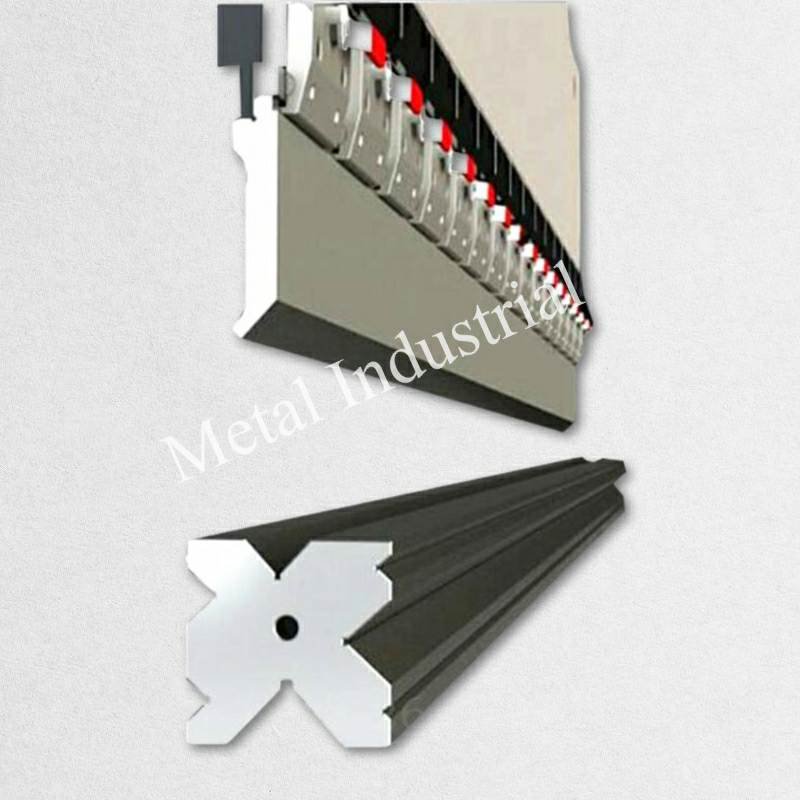
CNC compensation helps you bend metal very accurately. The CNC system checks the bend angle while you work. A laser device looks at the metal as it bends. It finds changes in thickness and springback. The system moves the slide block to fix the angle. This helps you get the bend you want every time.
Types of CNC Compensation Systems
There are two main types of CNC compensation systems:
- Closed-loop systems use feedback to make bends better. They check the angle and fix it during bending.
- Open-loop systems do not use feedback. They follow commands but do not fix mistakes.
- Tool offsets let you set each tool’s size. This makes changing tools easier.
- Error compensation fixes problems from tool wear or heat.
Closed-loop systems work best because they fix errors right away.
Steps for Implementing CNC Compensation
Here are steps to use CNC compensation:
- Measure the bend angle after a test bend.
- Put the compensation value into the CNC system.
- Use angle compensation to change the settings.
- Pick CNC press brakes with real-time angle checks.
- The system finds springback and fixes the bend as you work.
This keeps your bends correct and lowers mistakes.
Benefits and Limitations of CNC Compensation
CNC compensation has many good points. You get accurate bends and fewer mistakes. The system works for different metals and thicknesses. You save time because you do not need to fix parts later. You also waste less material.
But CNC systems can be hard to learn. Your team needs training to use them well. Some systems cost more, but they help you get better bends.
Application Scenarios for CNC Compensation
Use CNC compensation when you need very accurate bends. It is good for car, airplane, and electronics parts. It works well for jobs with many bends or tight sizes. CNC compensation helps with metals that spring back a lot.
Tip: If you want better bends, think about getting CNC press brakes with compensation.
Simulation and Prediction Tools
Overview of Simulation Tools (e.g., FEA Software)
Simulation tools help you see how metal will bend. Finite Element Analysis (FEA) software models the bending process. You can test different metals and shapes before you start. FEA uses special math to show how metal will act.
How Simulation Predicts Springback
Simulation tools use metal models and properties to guess springback. For example, Voce hardening law and Barlat’s yield functions help get good results. The software checks things like Young’s modulus and hardening law. It uses special math to match real bending.
You can compare simulation results with test bends. This helps you see if your guesses are right.
Integrating Simulation Results into Production
You can use simulation results to set up your press brake. The software tells you the best force, speed, and angle for each metal. You can change your process before you bend real parts. This saves time and cuts waste.
Many shops use simulation to plan jobs and teach workers. You can also use it to try new metals or designs.
Advantages of Using Prediction Tools
Simulation tools have many good points:
- You can guess springback before you bend metal.
- You save metal and time by avoiding mistakes.
- You can test new designs quickly.
- You get better accuracy and fewer defects.
Simulation helps you plan better and get steady results.
Common Challenges and Solutions
You may have problems with simulation tools. Setting up the software can take time. You need good metal data for good guesses. Sometimes, results do not match real bends. You can fix these problems by updating your metal library and checking your process often.
Note: Always check your simulation results with test bends. This helps you keep your process working well.
Geometric Stiffeners
What Are Geometric Stiffeners
Geometric stiffeners are shapes added to metal parts. You can use ribs, beads, or flanges to make the part stronger. Stiffeners help metal keep its shape after bending.
How Stiffeners Reduce Springback
Stiffeners make the part stiffer. They fight elastic stress and help keep the shape you want. You see less springback when you use stiffeners.
Design Considerations for Stiffeners
Plan stiffeners carefully. Think about the part’s size and shape. Pick the right stiffener for your job. Make sure the design fits your process.
Examples of Stiffener Applications
Add ribs to car panels to keep them flat. Use beads in appliance parts for extra strength. Flanges work well in building pieces to hold their shape.
Limitations and Best Practices
Here is a table showing the good and bad points of geometric stiffeners:
| Thuận lợi | Hạn chế |
|---|---|
| Makes parts stiffer | Harder to design |
| Fights elastic stress | May cost more |
| Helps keep shape after bending | Needs more work and material |
You should balance the good points with the extra cost and work. Test your stiffener designs before making lots of parts.
Tip: Use geometric stiffeners when you need strong, accurate parts with less springback.
Ngăn ngừa lỗi uốn chấn tấm kim loại: Các giải pháp tối ưu
Post-Bend Correction
You can fix many bending problems after you bend the metal. These fixes help you get the right angle and shape, especially if springback causes trouble. Here are some ways to fix your bends:
- Overbending: Push the metal a little more so it stays at the right angle after it springs back.
- Widening the die angle: Change the die’s angle to match how the metal acts and lower springback.
- Smaller punch radius: Use a punch with a smaller tip to help control the bend.
- Geometric adjustment: Change the tool’s shape in the opposite way of the springback.
- Springback correction tables: Use charts that show how metals react, so you can set your angles before you bend.
- Custom scripts: Set up your press brake to make automatic changes for each bend.
Tip: Always look at your parts after you bend them. Small fixes can really help your part’s quality.
Kiểm Soát Chất Lượng Nghiêm Ngặt
Quality control helps you make sure your parts are right and do not have bending problems. You should check every part after you bend it. Look for cracks, wrinkles, or wrong angles. Use tools like protractors or digital angle finders to check each bend.
You can make a checklist for your team:
- Check the bend angle and radius.
- Look for marks or cracks on the surface.
- Match the part to your drawing.
- Write down any problems and fix them fast.
Using good press brake tooling, like OEM/ODM tools, helps you keep your work steady. Custom tools fit your job and help stop mistakes.
Here is how OEM/ODM press brake tooling helps you bend without mistakes:
| Lợi ích | Sự miêu tả |
|---|---|
| Consistent bend angles | Makes sure all parts have the same angle, so they match. |
| Precise control of the bend radius | Lets you make tight bends, which is important for good parts. |
| Minimal defects | Helps stop problems like wrinkles, cracks, or bent shapes. |
| Tuổi thọ dụng cụ dài hơn | Tools last longer, so you spend less time fixing or changing them. |
Sequence Bending
The order you bend each part is important. Sequence bending helps you stop common bending problems and makes your work easier. Plan your bends so each step helps the next one. Start with easy bends and do hard ones last.
- Bend big flanges first to keep the part steady.
- Make small or tight bends last so nothing gets in the way.
- Use supports or holders to keep the part still while you bend.
- Try your plan on a test piece before making lots of parts.
Note: Good planning and the right order help you stop springback and keep your parts right.
If you follow these best steps, you can stop sheet metal bending problems and make good parts every time.
You can make perfect bends by using good ways to control springback. When you check your tools and how you work, you find ways to lower springback and make your parts better. Good press brake tooling helps you get the same results every time and stops springback problems. If you need help with bending, talk to a sales engineer đây.
Câu hỏi thường gặp
What is springback in sheet metal bending?
Springback is when metal tries to go back to its old shape after you bend it. This can make the angle of your part change. You need to control springback to get the right bend.
How can you reduce springback during bending?
You can lower springback by overbending the metal. Picking the right tools and changing machine settings also helps. Heating the metal or using bottoming and coining can help too. Always test your setup before making lots of parts.
Why does material type affect springback?
Different metals act in their own way. High-strength steel and aluminum usually have more springback. Mild steel has less. Always check the metal’s yield strength and thickness before you bend it.
What role does press brake tooling play in springback control?
Press brake tooling shapes the metal and helps control springback. Good quality tools give better bends. Picking the right die and punch helps you get the angle you want.
Can you fix springback after bending?
Yes, you can fix springback by making small changes. You might bend the part a little more or use other fixes after bending. Always check the angle and fix it if you need to.
Does grain direction matter for springback?
Yes, grain direction changes how metal bends and springs back. Bending across the grain gives less springback and fewer cracks. Always mark and check the grain direction before you bend.
How do CNC systems help with springback?
CNC systems check the bend angle as you work. They change the press brake settings to fix springback. This helps you get the right bend every time.
Xem thêm
Lựa Chọn Dụng Cụ Uốn Sườn Tốt Nhất cho Thép Không Gỉ
Dụng Cụ Uốn Sườn Kiểu Châu Âu so với Kiểu Mỹ: Loại Nào Phù Hợp cho Xưởng của Bạn?
Uốn trong Không Khí vs. Uốn Chạm Đáy: Lựa Chọn Dụng Cụ Uốn Sườn Phù Hợp cho Dự Án của Bạn
Hướng Dẫn Toàn Diện về Khuôn Cối Máy Chấn: Chọn Vật Liệu Tốt Nhất để Ngăn Ngừa Mài Mòn
Hướng Dẫn Dụng Cụ Uốn Sườn cho Người Mới Bắt Đầu: Chọn Độ Mở Khuôn Chữ V Phù Hợp
Cách Tính Toán Lực Uốn và Tải Trọng (Tonnage) của Máy Chấn Tôn

 English
  Spanish
  Italian
  French
  Portuguese
  Russian
  German
  Arabic
  Hindi
Hindi  Vietnamese
  Indonesian
  Japanese
  Korean
Một bình luận