
OEMスリッターナイフの図面:スピンドル嵌合監査、ISO公差、TIRゲート

スリッターラインにおいて、優れた刃物鋼を使用していたとしても、内径とアーバーの嵌合部(ボア・アーバー界面)の仕様が不適切であったり、検証が不十分であったりすると、バリ、幅のズレ、早期チッピングなどの問題が発生します。このチェックリストは、エンジニアリング監査用として作成されています。OEMスリッター刃の図面を用意し、実際のスピンドルやアーバーの寸法と比較して、工具がコイルに接触する前に合否判定を記録します。お使いのラインで丸刃スリッターに加えてローラーシャー刃も使用している場合は、工具ファミリー全体で製品の形状と検査基準を統一してください。寸法公差、軸方向の振れ許容値、内径嵌合要件は、材質グレードやライン速度によって大きく異なります。エンジニアリングの全体像については、Maxtor Metalのロータリー[…]に関するガイドを参照してください。
アフターマーケット向けシュレッダーナイフ調達:仕様管理、CMMプラン、MTRバリデーション、および機能適合性検証。
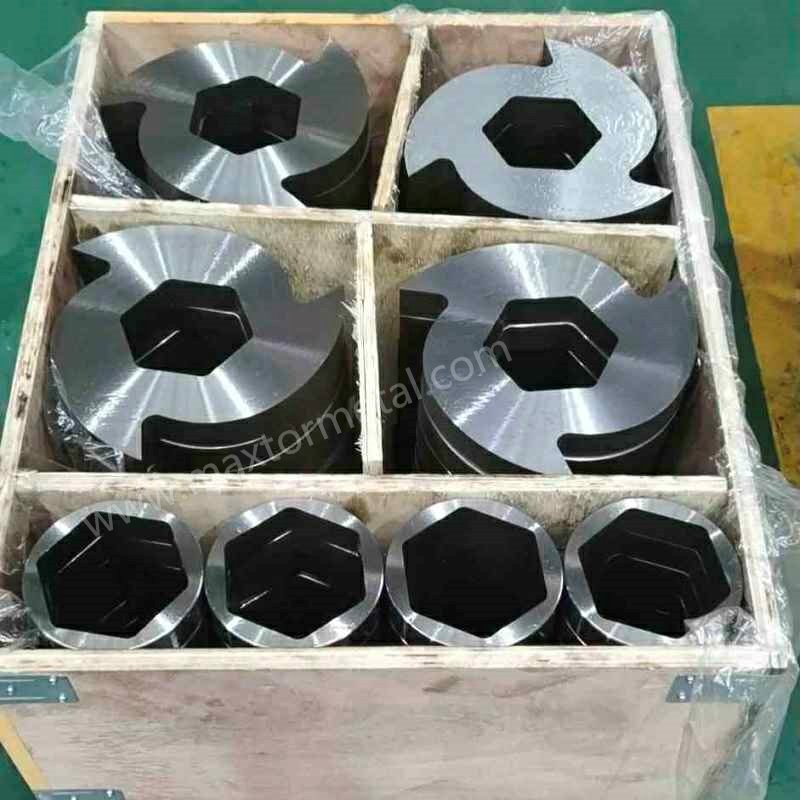
免責事項:このガイドは、監査に対応可能な受入検査ワークフローを文書化するためにMaxtor Metalによって執筆されました。ここに記載されている方法および判定基準はサプライヤーを問わず、OEM部品や認定されたアフターマーケットサプライヤーの製品に適用できます。Maxtor Metalのページが参照されている場合、それは形状ファミリーの用語参照としてのみ使用されています。自社のSOP(標準作業手順書)で使用されている承認済みの参照ページや図面パッケージに置き換えていただいて構いません。アフターマーケット製のシュレッダー刃を購入することは、稼働率を賭けたギャンブルであってはなりません。一軸または二軸シュレッダーを運用している方なら、隠れたコストをすでにご存じでしょう。書面上は「ほぼ同じ」に見える刃であっても、破砕サイズが仕様から外れたり、電流値が上昇したり、あるいはクリアランス起因の衝突トラブルを引き起こして[…]
中心穴公差と振れ(ランアウト):高速スリッターの振動を低減するためのISO 286公差の最適化。
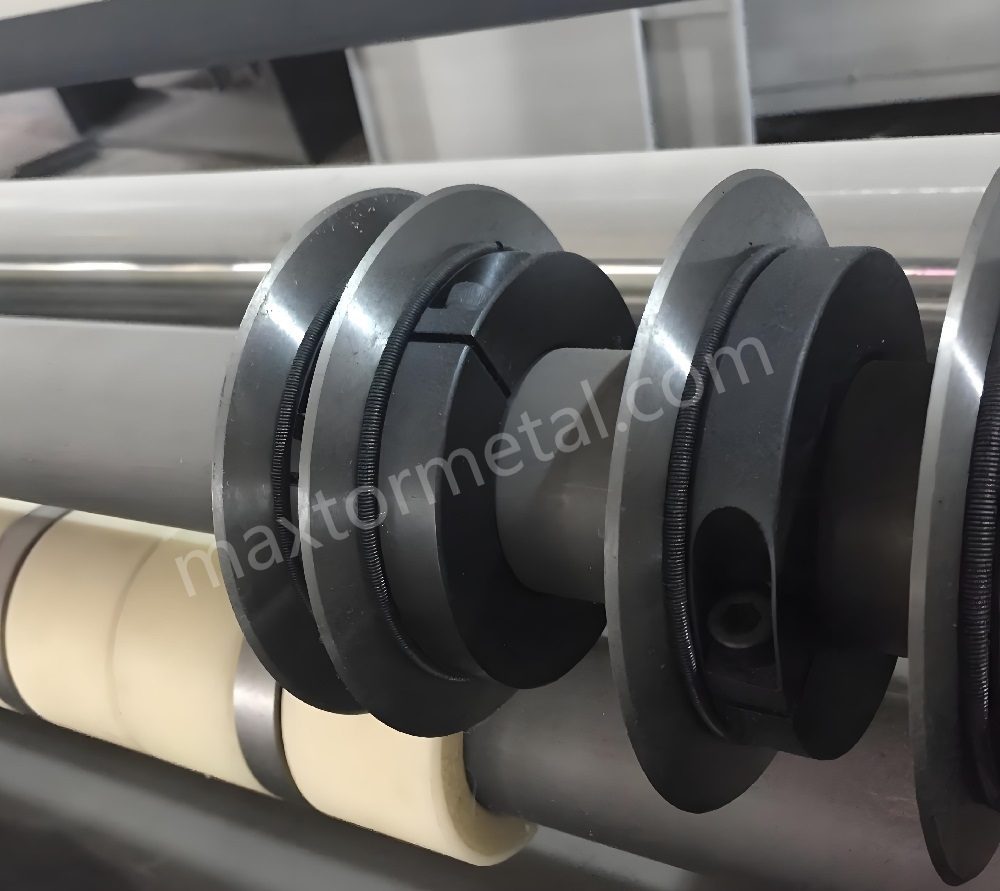
高速スリットは非常にシビアです。丸刃が正確に回転しない場合、刃が「摩耗」する前にカットエッジの品質が低下します。この記事では、Maxtor Metalが中心ボア公差の振れ(ボア径と幾何公差が高速運転時にエッジのTIRとしてどのように現れるか)と、指定可能な数値、および繰り返し実施できる検査方法を関連付けて解説します。技術ノート:軸方向の振れ(面振れ)規格や材質グレードを含むナイフ単体の仕様については、Maxtor Metalの精密丸刃スリッターナイフをご覧ください。振れの増幅:幾何学から力学へ。静止状態では、振れは単純な幾何学的誤差のように見えます。つまり、刃の切削円がアーバー軸と完全に同心になっていない状態です。しかし、高速運転時には、この誤差が力の問題へと変化します。ボア部におけるわずかな偏心が、[…]を引き起こします。
円盤スリッターナイフのシングル・ダブル・コンパウンド刃(ベベル):被削材の剛性に基づく選定&セットアップフレームワーク
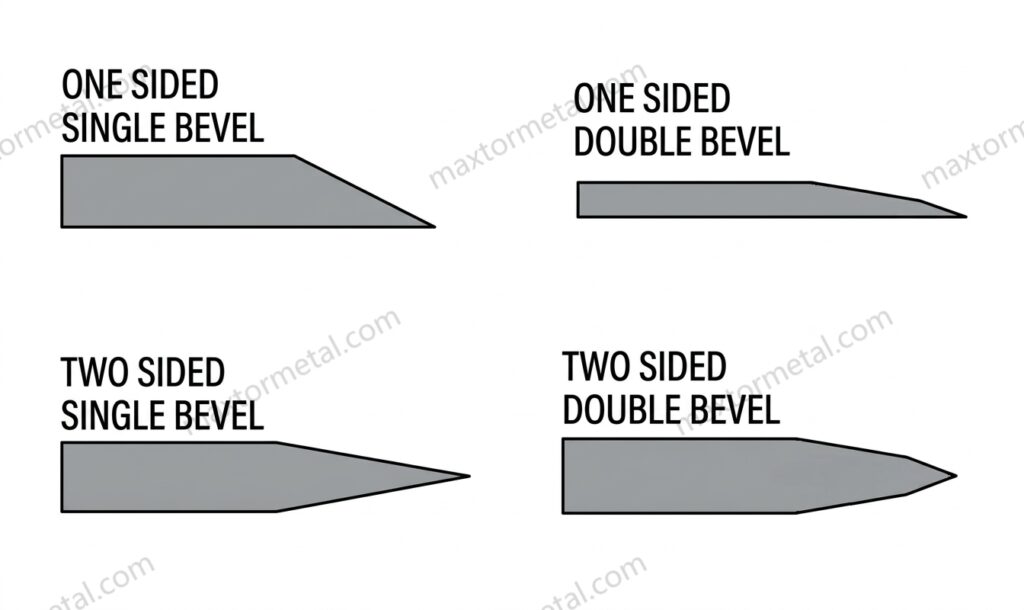
本ガイドの使用方法(範囲と前提条件):以下の推奨範囲とトラブルシューティング手順は、一般的なコンバーティングラインにおける丸刃スリッターナイフの実践的な出発点です。実際の最適な設定は、機械設計(ホルダーの剛性、振れ、スペーサーの積層)、ウェブの支持、および基材のばらつきに依存します。常に管理されたテストで検証し、一度に変更する変数は1つだけにしてください。技術ノート:軸方向の振れ(面振れ)規格や材質グレードを含むナイフ単体の仕様については、Maxtor Metalの精密丸刃スリッターナイフをご覧ください。より少ない交換頻度でより綺麗なエッジをカットしたい場合、最も手っ取り早い解決策は通常、新しい機械の導入ではなく、張力下での材料の挙動に刃先形状を合わせることです。Maxtor Metalは、フィルム、不織布、繊維、ラミネートにおいて同様のパターンを目にしています[…]
円盤刃のラップ量(重ね深さ)とサイドクリアランスの最適化:刃先品質と寿命向上のためのメカニズム、DOE、およびパ累トトレードオフ
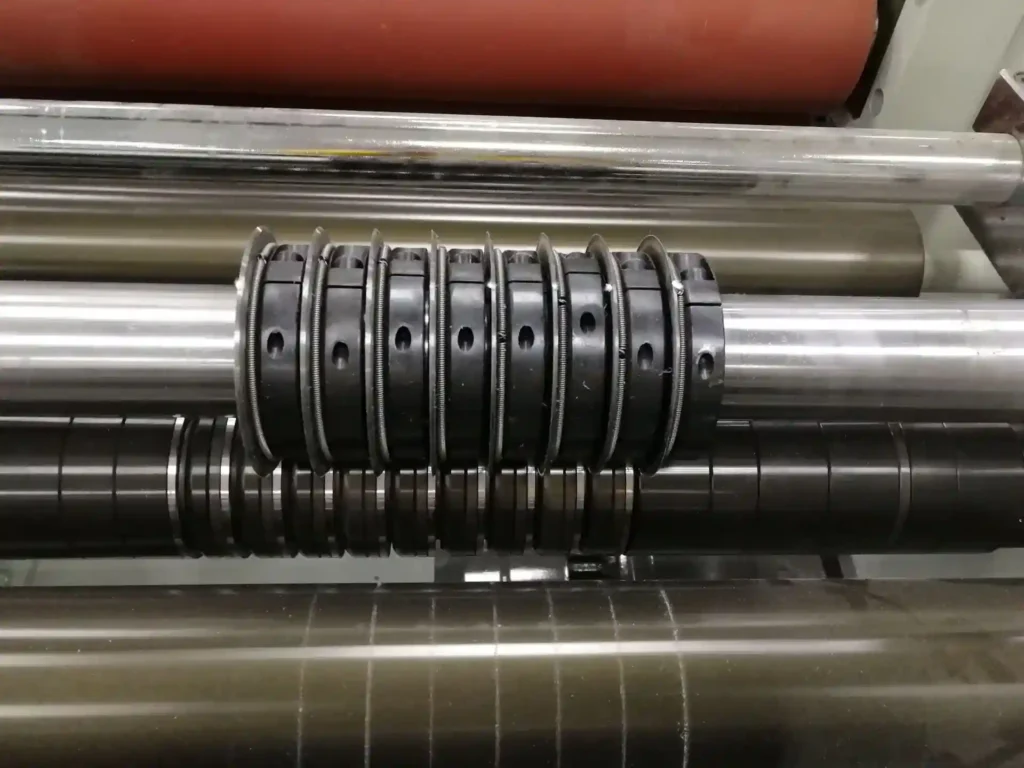
公開日:2026-05-28 | 最終更新日:2026-05-28 スリッター・リワインダーにおいて、より綺麗な切断面、粉塵の低減、および刃の長寿命化を追求する場合、Maxtor Metalは何度も同じパターンを目にしています。最も迅速に効果が得られるのは、実際に調整可能な2つのセットアップ変数、すなわち「オーバーラップ量」と「サイドクリアランス」です。シャースリットにおいて、オーバーラップ量とサイドクリアランスは、安定したカットポイントを共同で形成(または破壊)します。クラッシュカット/スコアカットにおいては、これに相当する「深さ」はアンビルへの食い込み深さとなり、「クリアランス」はアライメントと圧力の均一性になります。いずれにせよ、これらの設定は工場が重視するKPI(切断面の品質、負荷/トルク、発熱、摩耗率、交換頻度、および最終的にはOEEと総所有コスト)に直結します。本記事では、実用的な[…]
面振れ(轴向跳动)、動的TIRとスリットエッジ品質:高速コンバーティングラインにおけるメカニズム、測定、および対策
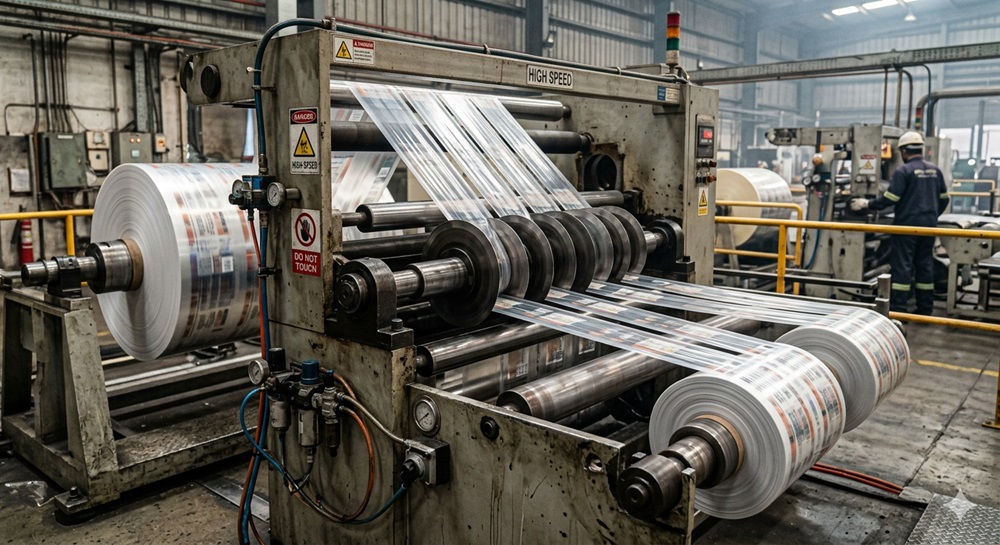
高速スリットは妥協を許しません。わずかな形状誤差であっても、メンテナンスのチェックリストに現れるはるか前に、バリ、フェザリング、不安定なレーンとして表面化します。Maxtor Metalでは、ラインのOEE向上が求められる一方で、後工程のラミネート、印刷、または溶接のためにスリット端面を極めて綺麗に保つ必要がある場合に、振れの問題が最も頻繁に発生することを確認しています。主なポイント:軸方向(端面)の振れは、回転ごとに刃がウェブに与える負荷を変化させます。高速運転時においては、動的ブレや熱変位が検証されていないと、常温時に「許容範囲内のTIR」であっても不良品(スクラップ)を発生させる原因になります。軸方向の振れの定義:軸方向の振れ(端面振れとも呼ばれる)とは、回転する端面が本来の回転軸に対して前後(軸方向)に動く現象を指し、[…]
裁断幅ばらつきのトラブルシューティング:多条スリッティングにおける累積厚み公差の制御
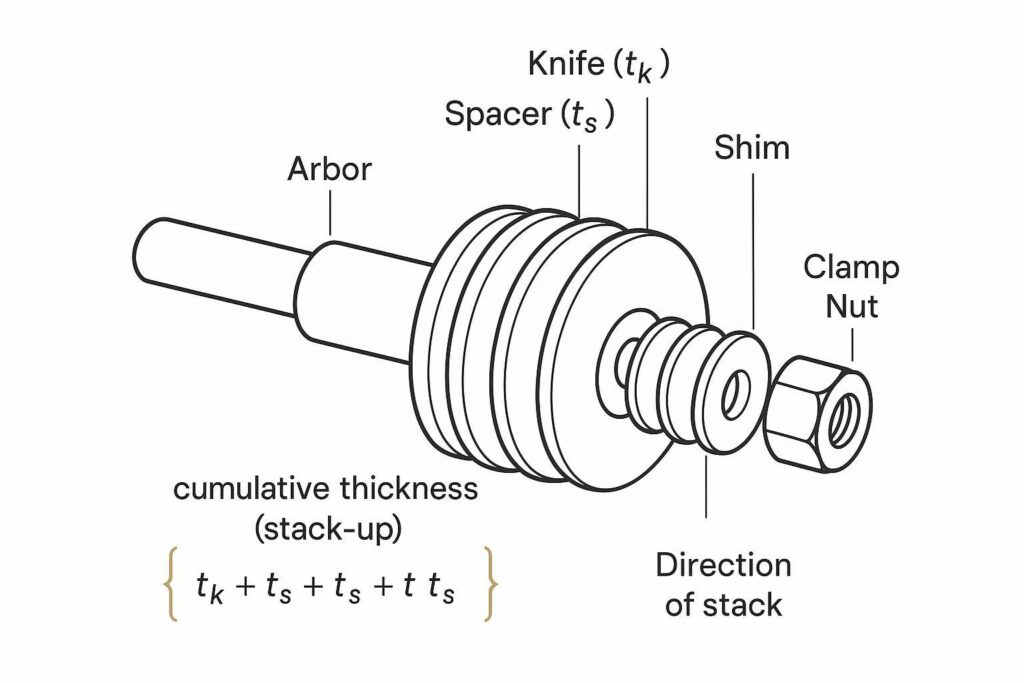
Maxtor Metalは、加工ラインやスリットライン向けに、カスタムの精密研磨された工業用ナイフを製造しています。日常のスリット加工において、スリット幅の安定性(およびOEE)を低下させる最も速い方法の1つは、1つのアーバーに多数のナイフ、スペーサー、シムを積み重ねたときに、わずかな厚み誤差がどのような影響を与えるかを無視することです。累積厚み公差の基本 定義と用語 累積厚み公差(スタックアップ)とは、複数のコンポーネントを直列に組み合わせたときに、組み立てられたスタック高さで予想される最大変動のことです。マルチナイフスリットレーンでは、このスタック高さによってナイフとスペーサーの軸方向位置が設定され、それがクリアランス、そして最終的にはスリット幅とエッジ状態を決定します。この記事で使用される主な用語: スタック誤差の原因 スタック […]
HSS(ハイス鋼)vs 超硬: 刃物の長寿命化に向けた材質とライン速度の最適マッチング
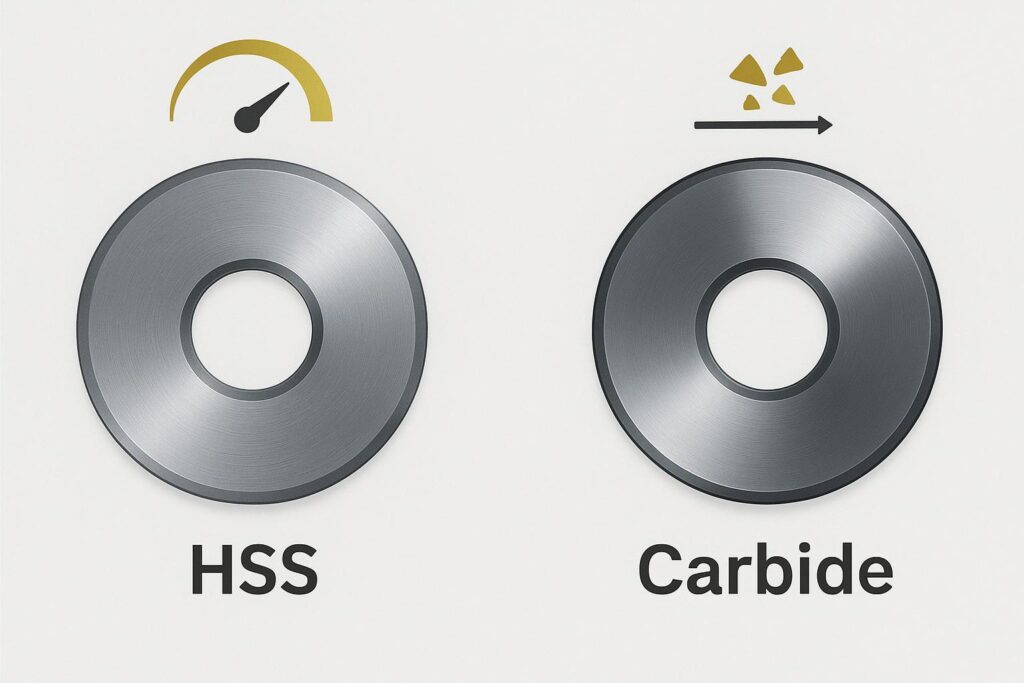
重要なポイント HSSと超硬合金の違いが刃の寿命、OEE、TCOに及ぼす影響 刃の寿命は、ナイフ交換の頻度、スリットエッジの安定性、切断がずれていることに誰かが気づく前に発生するスクラップの量に影響します。ライン変換では、これは3つのビジネス指標になります。選択する前に記録すべき重要な変数 再現性のある決定をしたい場合は、まず各ジョブについて次の5つの変数を記録することから始めます。このガイドで提供されるもの 次のステップがナイフの仕様決定または交換である場合、MAXTOR METALの円形ナイフとブレードのページは、準備すべきもの(図面、OD/ID、厚さ、アプリケーションノート)の実用的な参考資料となります。材料とスピードの適合 プロのヒント:[…]
バリのない裁断を実現する下刃(ボトムナイフ)と上刃のセッティングガイド

最終更新日: 2026-05-12 注: ナイフの形状、オーバーラップ/圧力、および安全手順は、必ずOEMスリッターのマニュアルとホルダー設計と照らし合わせて確認してください。以下の範囲は開始点であり、生産を開始する前に、低速でライン上で検証する必要があります。 せん断スリットの基本 せん断スリットは、上刃と下刃の間で制御された「はさみカット」です。刃のペアが正しく設定されていると、ウェブは最小限の毛羽立ち、低粉塵、一定のスリット幅で分離されます。刃のペアが間違っていると、同じラインでバリ、光沢、熱、チャタリングが発生する可能性があります。バリのないスリットについて考える実用的な方法は、下側の円形ナイフを単独で購入するのではなく、システムを構築しているということです。[…]
電極スリッティング用超硬スリッターナイフの長寿命化レポート
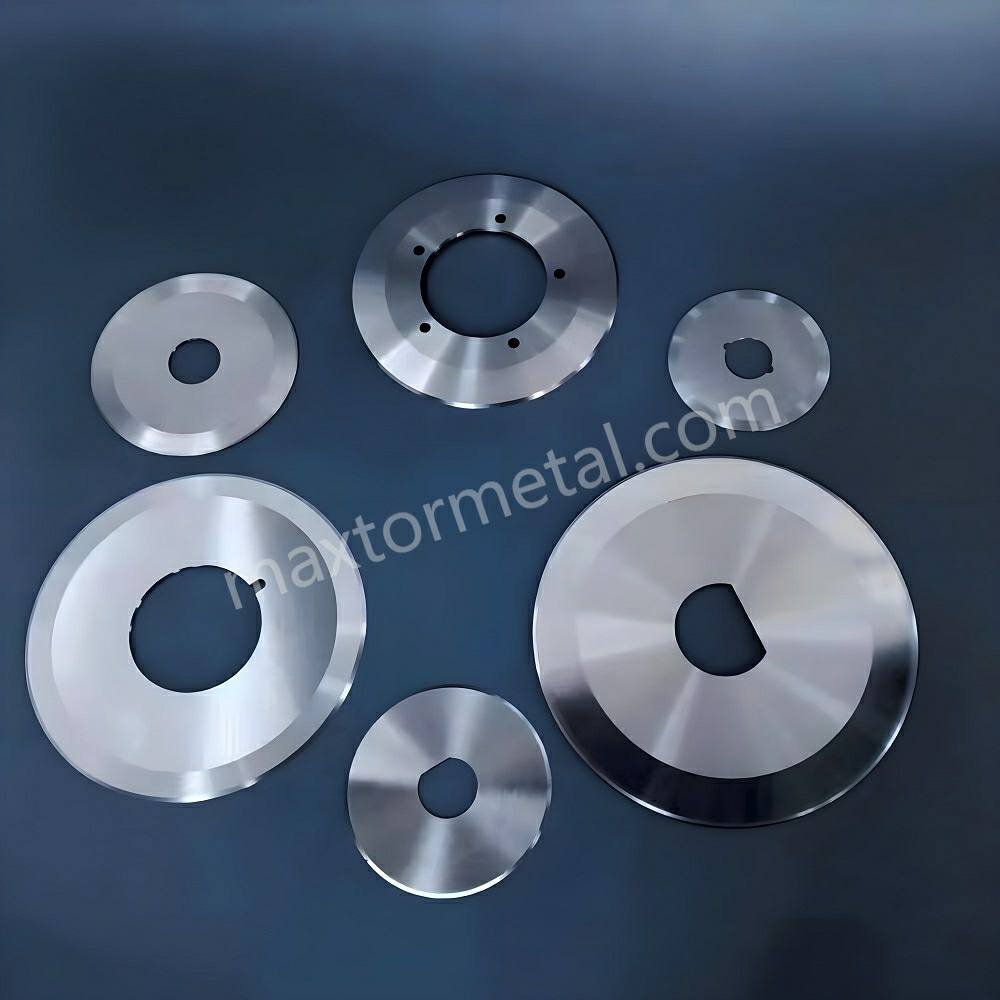
適用範囲と制限事項(最初にお読みください):本レポートは、リチウムイオン電極およびセパレータのスリット加工に関する実践的な測定およびプロセス制御のガイダンスを提供します。目標値、設定、および検査頻度は、装置設計(せん断/スコアスリット構造)、材料システム(Cu/Al、コーティング、セパレータの種類)、ライン速度、および測定能力によって異なります。変更点については、ライン上で管理された試験を実施して検証し、社内の安全および品質手順に従ってください。本ガイドの作成方法:ここに記載されている推奨事項は、アフターサービス中に発生した繰り返しの現場問題(バリのスパイク、過剰な粉塵/破片、不安定性)と、設定ウィンドウ(ギャップ/トーイン/チップ角度、TIR/平行度、張力安定性)を測定可能な結果に結びつけるトラブルシューティングループから得られた教訓に基づいて作成されています。範囲と例は、管理された試験の出発点として扱ってください。[…]

 English
  Spanish
  Italian
  French
  Portuguese
  Russian
  German
  Arabic
  Hindi
Hindi  Vietnamese
  Indonesian
  Japanese
  Korean