

요약: 코일 교체 빈도 감소는 주로 계획된 다운타임을 단축함으로써 OEE를 개선하며, 이는 시간 가동률(Availability) 향상으로 직결됩니다. 2차적인 개선 효과는 성능 가동률(Performance, 재가동 후 램프업 기간 단축)과 품질(Quality, 스트립 접합 부위와 관련된 불량 발생 구간 감소)에서 나타납니다. 이러한 효과는 스트립 소모 속도, 코일 길이, 정지당 교체(Changeover) 시간, 교체 시 발생하는 스크랩량의 4가지 입력 변수로 수치화할 수 있습니다. 교대 근무(Shift)당 2,000m를 소모하는 작업 실례에서, 100m 코일을 500m 코일로 변경하면 3시간 이상의 시간 가동률이 복구되며, 교대 조당 약 $3,700의 생산 처리량 기회 가치를 확보할 수 있습니다.
코일 피딩 방식의 전단 및 슬리팅(Slitting) 라인은 보통 작업자가 "빨리 돌리는 것을 잊어서" OEE가 떨어지는 것이 아닙니다. 코일 교체, 스트립 통판(Threading), 그리고 라인 안정화 작업을 위해 어쩔 수 없이 — 그것도 매우 반복적으로 — 라인을 정지해야 하기 때문에 OEE 손실이 발생합니다.
보다 길고 안정적인 생산 기간을 운영하려면 가장 빠른 해결책은 종종 줄이는 것입니다. 코일 교체 빈도. 그래서 많은 팀이 전환 과정을 감사하는 것으로 시작하는 것입니다. OEE 가용성 OEE 프레임워크 내의 손실 (OEE는 일반적으로 가용성 × 성능 × 품질로 계산됩니다.) ISO 22400-2:2021 — 제조 운영 관리를 위한 KPI 정의.
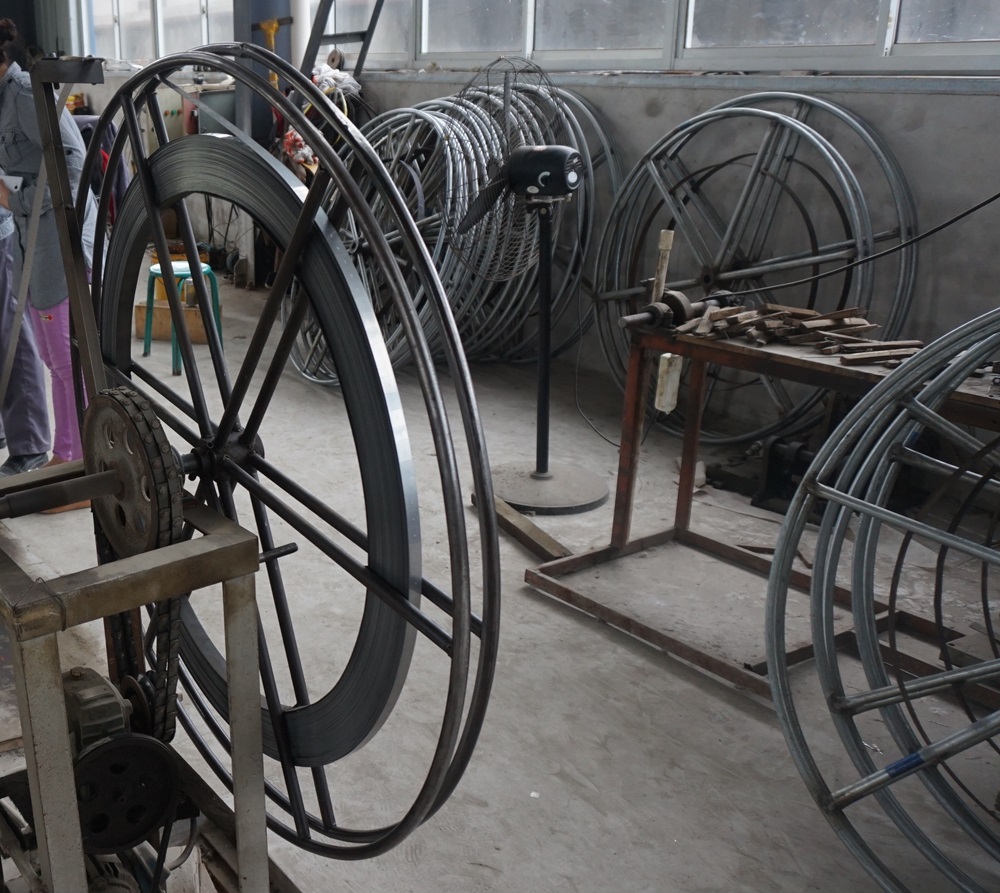
실무적으로 코일의 길이와 일관성은 교체(Changeover) 기술만큼이나 중요합니다. 스트립 공급이 장기 가동을 지원할 수 있을 정도로 안정적이라면, 엄격한 치수 정밀도를 유지하면서도 교대 조당 라인 중단 횟수를 대폭 줄이도록 계획할 수 있습니다.
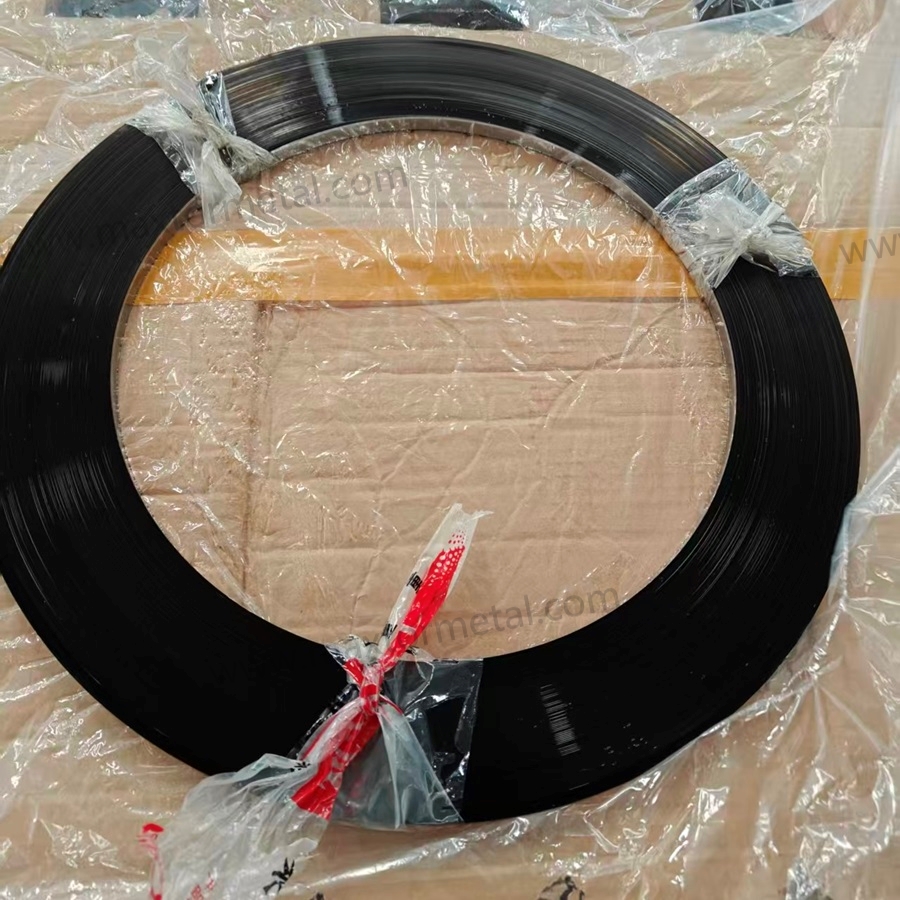
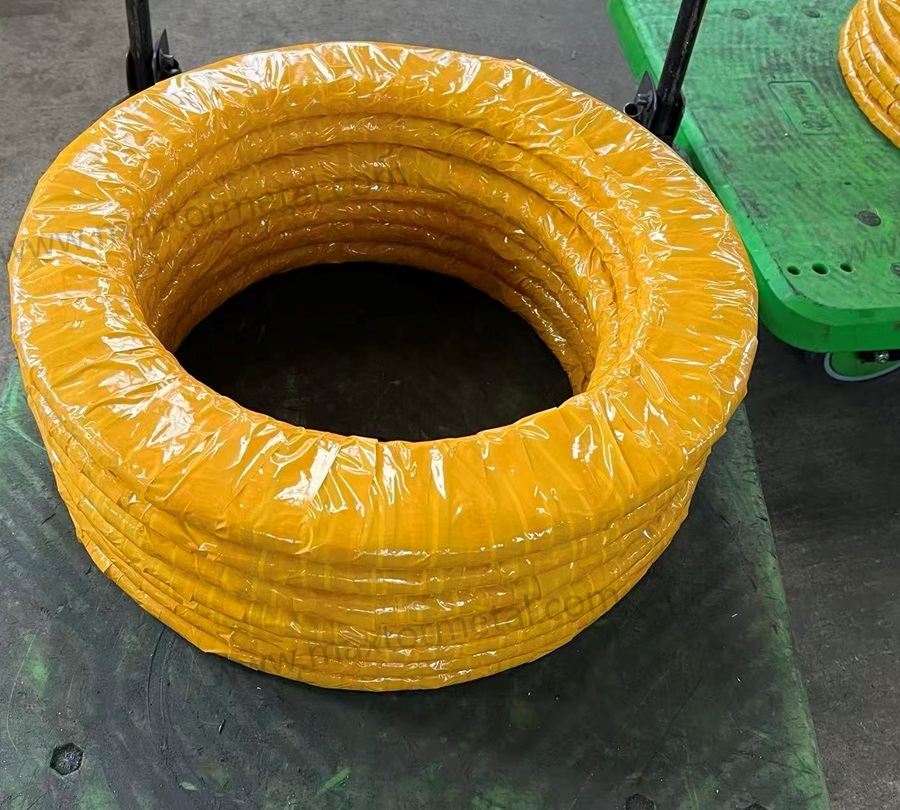
엔지니어링 참고 사항: 코일 공급 사양이 코일 길이, 치수 공차 및 열처리 추적성을 포함한 블레이드 스트립 인증 요구 사항을 충족해야 하는 경우 Maxtor Metal의 참조 페이지를 참조하십시오. 경사면 릴에 담긴 산업용 블레이드 스트립 강재 폼팩터 사양 및 장기적인 일관성 관리를 위해.
- 코일 교체 빈도를 줄이면 가용성, 노동력 및 폐기물이 개선되는 이유는 무엇일까요?
- 이 모델이 다루는 내용: OEE 계산, 노동력, 접합 불량, 처리량 가치
- 필요한 입력값: 미터/교대, 분/교대, 스크랩 미터/교대, 작업팀, 비율, 속도, 수율
- 간략 가이드: 입력값, 결과값, 그리고 이 모델이 적용되는 경우
빠른 계산기 입력 (복사/붙여넣기)
| 입력 | 공식의 기호 | 단위 | 참고 사항 / 구입처 |
|---|---|---|---|
| 교대 근무당 스트립 소비량 | 교대당 미터 | m/교대 | MES, 코일 사용 기록 또는 집계표에서 |
| 코일 길이 | 코일당 미터 | m/코일 | 공급업체 사양 / 입고 검사 |
| 전환 시간(내부) | 변경당 분 | 최소/변경 | 비디오 시간 분석 또는 가동 중지 시간 기록에서 |
| 승무원 규모(유효) | 승무원 규모 | 사람들 | 작업이 병렬화될 경우 효율적인 작업팀을 활용하십시오. |
| 잔돈당 스크랩 | 스크랩_m_per_change | m/변경 | 접합부 끝부분 + 나사산 조각 |
| 선로 속도(정상 상태) | 라인 속도(m/분) | m/min | 안정적인 주행 속도를 사용하십시오. |
| 재시작 수율 / 1차 통과 수율 | 생산하다 | 0–1 | 필요한 경우 변경 후 기간을 별도로 측정하십시오. |
| 기부금액 (선택사항) | 미터당 값 | $/m | 매출액보다 공헌이익률을 선호합니다. |
팁: 병목 현상이 회선에 있지 않다면 "손실된 미터"를 "손실된 가용 시간"으로 변환하고 $/m 대신 시간당 공헌 이익을 사용하여 가치를 평가하십시오.
코일 교체 빈도 감소가 OEE 시간 가동률을 어떻게 끌어올리는가 — 그리고 그 계산법이 생각보다 간단한 이유오
가용성, 성능, 품질 간의 연관성
코일 교체 횟수를 줄이는 것이 주로 개선 사항입니다. 유효성—종종 다음과 같이 추적됩니다 OEE 가용성—전환 횟수가 적을수록 예정된 생산 시간 내에 계획된 중단 시간이 줄어들기 때문입니다.
들어 올릴 수도 있습니다. 성능 그리고 품질 작지만 실질적인 방식으로:
- 성능재시동 횟수가 줄어들면 예열 기간이 단축되고, 장력을 안정화하는 동안 발생하는 "미세 정지" 횟수가 줄어들며, 접합 직후 속도 저하가 줄어듭니다.
- 품질각 접합 또는 나사산 가공 과정은 장력과 가이드 정렬이 안정될 때까지 오작동, 버 변화, 모서리 굴곡 또는 치수 편차와 같은 결함 발생 위험이 높은 작은 구간을 만들 수 있습니다.
핵심 요점경영진이 수용할 수 있는 모델을 원한다면 OEE 로직을 깔끔하게 유지하세요. 전환 작업은 가용성에 직접적인 영향을 미칩니다. 이 글의 주요 내용은 다음과 같습니다. 가용성 손실 및 복구량을 정량화합니다. 코일 교체로 인한 성능 및 품질 향상(재시작 횟수 감소, 결함 발생 시간 단축)도 흔히 나타나지만, 이러한 부수적인 이점은 일반적으로 규모가 작고 현장 특성에 따라 달라지므로, 전체 OEE 향상을 주장하기 전에 동일한 데이터 사전 및 회계 규칙을 사용하여 파일럿 프로젝트에서 측정해야 합니다.
가동 중지 시간 및 노동력 계산
이것들을 실용적인 출발점으로 활용하세요. 단위는 분, 미터, 개 등으로 일관되게 유지하세요.
모델 경계(수식을 사용하기 전에 읽어보세요)
- “"계량기 분실"은 회선이 제약 조건이라고 가정합니다. 방정식
손실된 미터 수 = 가동 중지 시간(분) × 선로 속도 × 수율실제로 복구된 시간을 판매 가능한 생산량으로 전환할 수 있는 경우에만 기회 가치를 반영합니다. - 내부 전환 작업과 외부 전환 작업을 분리하십시오. 준비 작업(도구 준비, 다음 코일 배치 등)이 실행 중에 이루어질 수 있다면, 이를 외부적인 것으로 간주하고 계산에 포함하지 마십시오.
변경당 분재고 여부를 확인하세요. - 효율적인 인력 규모를 사용하십시오. 정지 시간 동안 한 작업자만 실제로 작업이 중단되고 다른 작업자는 부가가치 작업을 계속하는 경우, 다음을 사용하십시오.
승무원 수 = 1(또는 일부). - 미터당 가격은 보수적으로 책정해야 합니다. 매출액보다는 공헌이익률(또는 기회 가치)을 선호하고, 그 가정을 문서화하십시오.
- 재가동 시 수율이 정상 상태 수율과 항상 동일한 것은 아닙니다. 변경 후 결함이 집중되는 경우, 변경 후 기간을 별도로 측정하고 더 낮은 값을 사용하십시오.
생산하다그 기간 동안.
- 교대 근무당 잔돈 수량
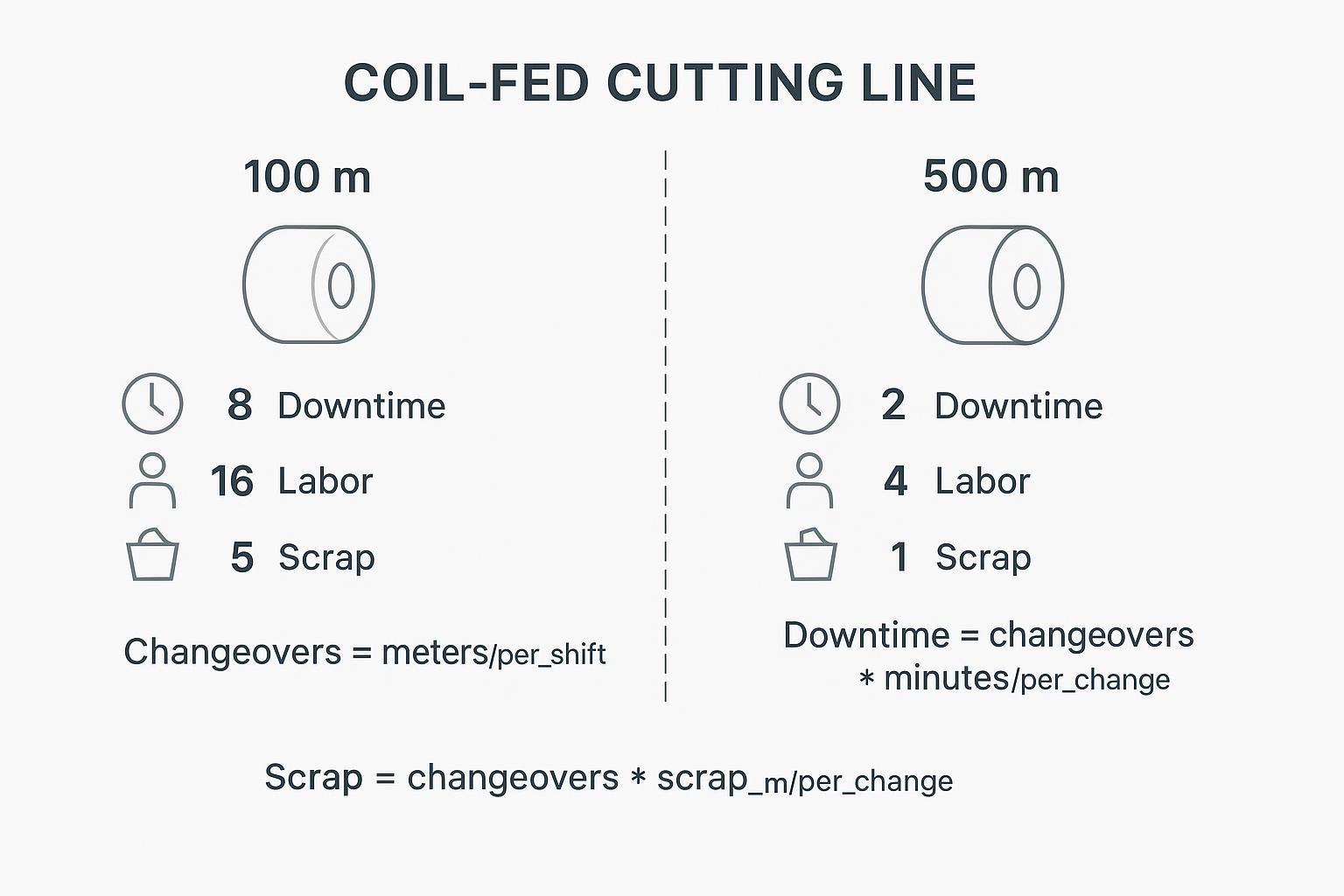
교대 근무당 변화량 = 교대 근무당 미터 수 / 코일당 미터 수
(정수가 필요한 경우, 반올림하세요. 부분 코일의 경우에도 전환이 필요하기 때문입니다.)
- 코일 교체로 인한 교대 근무당 가동 중지 시간
다운타임(분) = 교대 근무당 변경 횟수 × 변경당 시간(분)
- 교대 근무 시간당 작업 시간(분)
최소 노동 시간 = 최소 가동 중지 시간 × 승무원 수
- 교대 근무당 인건비 (선택 사항)
인건비 = 분당 노동시간/60 × 시간당 인건비
이는 의도적으로 단순화된 것으로, 코일 교체 작업에 투입되는 인원수를 계산하는 것입니다. 만약 작업팀이 실제로 병렬적으로 운영된다면(한 사람이 코일을 교체하는 동안 다른 사람들은 부가가치 작업을 계속하는 경우), 실제 작업팀 규모를 줄일 수 있습니다.
접합 불량으로 인한 폐기물 및 처리량 손실
흔히 발생하는 두 가지 "숨겨진" 손실은 쉽게 정량화할 수 있습니다.
- 접합/나사산 조각
스플라이스 스크랩 m = 교대 근무당 변경량 × 변경당 스크랩 m
만약 폐기물을 미터 단위가 아닌 무게 단위로 측정한다면:
접합부 폐기물 무게 = 접합부 폐기물 미터 × 미터당 무게
- 가동 중단으로 인한 처리량 손실
회선의 미터당 판매 가격(또는 미터당 공헌 이익)이 안정적이라면, 시간 손실의 가치를 추정할 수 있습니다.
손실된 미터 수 = 가동 중지 시간(분) × 분당 선로 속도(미터) × 수율손실된 가치 = 손실된 미터 수 × 미터당 가치
어디 생산하다 이는 해당 운영 기간 동안 판매 가능한 제품으로 전환되는 생산량의 비율입니다. 미터당 정확한 값을 알 수 없는 경우, 다른 값으로 대체하십시오. 시간당 공헌이익 또는 보수적인 "기회 가치" 비율.
100m vs 500m 코일 비교 (코일 교체 빈도)오
가정 및 공식 설정
이 섹션에서는 방법을 보여줍니다. 코일 교체 빈도 동일한 전력 소비율을 사용할 때, 짧은 코일에서 긴 코일로 변경할 경우 발생하는 변화입니다.
이 비교의 요점은 500m가 항상 더 좋다는 것이 아닙니다. 요점은 여러분이 자신의 식물 데이터를 대입해 볼 수 있도록 계산 과정을 보여주는 것입니다.
100m 코일에서 500m 코일로 변경했을 때 다음과 같은 영향을 비교해 보겠습니다.
- 교대 근무당 코일 교체 횟수
- 전환 가동 중지 시간
- 교대 근무
- 접합 스크랩
보수적인 입력값을 사용한 예시
한 회선의 소비 전력은 다음과 같다고 가정해 보겠습니다.
교대당 미터 수 = 2,000m변경 소요 시간(분) = 12분scrap_m_per_change = 3m승무원 수 = 2선로 속도(분당 미터) = 25m/분(지속적인 달리기 중)수율 = 0.98미터당 값 = $0.80(가능하다면 수익이 아닌 공헌 가치를 사용하십시오.)
사례 A: 100m 코일
교대 근무당 변화 수 = 2,000 / 100 = 20가동 중지 시간_분 = 20 × 12 = 240분(4시간)노동_분 = 240 × 2 = 480분(8.0 노동시간)접합부 스크랩 길이 = 20 × 3 = 60m잃어버린 거리(미터) = 240 × 25 × 0.98 = 5,880m손실 가치 = 5,880 × $0.80 = 교대 근무당 $4,704
사례 B: 500m 코일
교대 근무당 변화 수 = 2,000 / 500 = 4downtime_min = 4 × 12 = 48분노동 시간(분) = 48 × 2 = 96분(1.6 노동시간)접합부 조각 길이 = 4 × 3 = 12m잃어버린 거리(미터) = 48 × 25 × 0.98 = 1,176m손실액 = 1,176 × $0.80 = 교대 근무당 $940.80
델타(100m → 500m)
- 전환: -교대당 16달러
- 중단 시간: -교대 근무당 192분
- 노동 시간: -교대당 384 노동분 (6.4 노동시간)
- 접합 스크랩: -교대당 -48m
- 처리량 기회 가치: -$3,763 (교대당) (위의 가정을 바탕으로)
이 수치가 크게 보이는 이유는 모델이 코일 교체가 실제 라인 정지이며 라인 속도가 "전환 속도"보다 훨씬 빠르다고 가정하기 때문입니다. 라인 속도가 느리거나 전환 작업이 부분적으로 외부 업체에 맡겨지는 경우 차이는 줄어들지만, 방향은 대개 동일하게 유지됩니다.
감도 조절 레버 및 손익분기점
코일 길이를 늘리는 것의 경제성은 몇 가지 요소에 따라 달라지는데, 이러한 요소들을 빠르게 검증해 볼 수 있습니다.
- 변경에 소요되는 시간(분): 만약 교대 시간이 12분이 아닌 5분이라면, 그 효과는 다소 작아지겠지만, 교대가 잦은 경우에는 여전히 의미 있는 결과입니다.
- 교대 근무당 계량기량(소비율)소비 전력이 높을수록 코일 길이가 더욱 중요해지는데, 이는 짧은 코일은 빨리 마모되기 때문입니다.
- 잔돈당 스크랩사소한 접합 불량이라도 교대 근무 시간당 15~30회 발생하면 상당한 문제가 됩니다.
- 정상 상태에서의 라인 속도빠른 노선일수록 정류장마다 더 높은 기회비용이 발생합니다.
- 재시작 중 양보변경 후 품질이 저하될 경우(트래킹, 버, 표면 자국, 치수 편차), 실제 가치 손실은 단순한 가동 중단 시간 추정치를 초과할 수 있습니다.
실질적인 손익분기점 확인 방법은 다음과 같이 비교하는 것입니다.
- 더 긴 코일의 추가 자재/취급 비용(보관, 크레인 사용 시간 및 위험 관리 포함) 대비
- 가동 중단 시간 감소, 인건비 절감, 불량품 감소를 통해 가치를 회복했습니다.
코일 대형화(Longer Coils)가 실제 OEE 개선으로 이어지기 위한 전제 조건오
취급, 장력, 코어 및 보관
코일 길이가 길어지면 전환 횟수는 줄어들지만, 요구 사항은 더 높아집니다. 훈련 그리고 장력 안정성.
코일 길이를 늘리기 전에 검토해야 할 주요 제약 조건:
- 코일 무게와 크레인 및 리프팅 장비(슬링 각도 및 작업하중 포함) 간의 관계
- 맨드릴과 핵심 사양 호환성(내경/외경, 확장 범위, 코어 압축 저항)
- 제동력 및 풀림 토크 제어(특히 가속/감속 시)
- 폐쇄 루프 장력 제어(무용수 반응, 로드셀 피드백, 웹/스트립 가이드 안정성)
- 보관 공간, 랙 등급 및 바닥 하중
강판 자체가 안정성 문제의 원인(가장자리 변형, 두께 변화, 잔류 응력)인 경우, 코일 길이가 길어질수록 문제가 더욱 악화될 수 있습니다. 즉, 배치(batch)의 불안정성을 인지하기까지 더 오랜 시간이 걸리게 됩니다.
이러한 점에서 공급업체 측의 공정 관리가 매우 실질적으로 중요합니다. 블레이드 스트립 공급에 있어 코일 길이 및 품질 관리에 대해 논의할 때, 관련 증빙 자료를 요구하는 것은 타당합니다. 열처리 일관성 그리고 치수 공차 장기간 연속 생산에 걸쳐 유지되는 이러한 제어는 440C와 같은 검증된 재질 등급이 긴 코일 전체에 걸쳐 예측 가능한 성능을 발휘하는지 여부를 결정하는 것과 동일한 제어 방식입니다. 블레이드 스트립 강재에 대한 이러한 공급업체 측 제어가 어떻게 명시되고 검증되는지에 대한 자세한 프레임워크는 다음을 참조하십시오. HRC 56~58에서 440C 다이스 교체용 블레이드 검증. Maxtor Metal는 공급업체가 감사를 위해 검토할 수 있도록 두께 공차 기록, 주기적인 경도 샘플링 기록 및 열처리 배치 문서를 형식화하여 제공합니다.
안전, 표준 운영 절차 및 교육 업데이트
코일의 길이가 길어지거나 무게가 무거워지면 코일 공급 라인의 위험도가 달라집니다. 이러한 변화는 통제된 변경 사항으로 간주하여 표준 작업 절차를 업데이트하고, 작업자를 재교육하며, 취급 한계 및 안전 조치에 대한 가정이 여전히 유효한지 확인해야 합니다.
최소한 다음 사항을 새로 고치거나 추가하십시오.
- 훈련 및 역량코일 교체 작업을 수행할 자격이 있는 사람, 리프팅 장비를 조작할 수 있는 사람, 그리고 재교육 후 "승인" 절차가 무엇인지 정의합니다.
- 승강기 배치도 및 설비승인된 조명기구만 사용, 작업하중(WLL) 확인, 출입금지 구역 설정, 명확한 수신호/조준 규칙 준수.
- 락아웃/시범 운영브레이크, 핀치 롤 및 장력 시스템에 저장된 에너지를 나사산 삽입 또는 막힘 제거 전에 분리하십시오.
- 시작 레시피: 문서화된 장력/브레이크 설정값과 정의된 램프업 시퀀스를 통해 재시동 변동성을 줄입니다.
- 첫 번째 계량기 검증재시작 직후 점검해야 할 사항(트래킹, 모서리 상태, 버 변화, 표면 자국 및 치수 검사).
일반적인 자재 취급 및 보관 지침은 OSHA를 참조하십시오. 자재 취급 및 보관 (OSHA 2236).
이 목록을 간편한 표준 작업 점검표로 활용하십시오. 기계의 안전장치 및 연동장치 규정에 맞게 조정하십시오.
정지 전 (외부 작업)
- 다음 코일 검증 완료: 내경/외경, 코어 사양, 엣지 보호 장치 정상 작동.
- 인양 계획 확정: 승인된 설비, 작업하중 확인, 접근 금지 구역 설정
- 준비된 공구 및 소모품: 접합 재료, 칼, 렌치, 측정기
- 정확한 풀림 "레시피" 준비 완료: 브레이크/토크 설정값, 댄서/로드셀 목표값
정지 중 (내부 작업)
- 저장 에너지(브레이크, 핀치 롤, 장력 시스템)에 대한 SOP에 따른 잠금/시운전
- 코일 헤드 정렬 및 나사산 경로 확인 완료 (꼬임 및 오작동 방지)
- 접합부 품질 검사: 정렬, 접합 및 끝단 관리
재시작 후 (첫 번째 계량기 검증)
- 장력 안정성: 무용수/로드셀 반응 및 안정적인 추적 성능 확인
- 모서리/품질 검사: 버(burr) 교체, 모서리 굴곡, 표면 자국
- 치수 검사: 너비/두께 편차(해당되는 경우)
- 출력 증가 시 발생하는 미세한 정지 현상을 기록하고, 정해진 매개변수를 통해서만 재조정하십시오 (임의적인 조정은 피하십시오).
더 길거나 무거운 코일로 교체할 경우, 간단한 표준 작업 절차(SOP)를 갱신하고 담당자의 역량을 점검해야 합니다. 일반적인 취급 및 보관 지침은 OSHA의 "자재 취급 및 보관(OSHA 2236)" 소책자를 참조하십시오. https://www.osha.gov/sites/default/files/publications/OSHA2236.pdf
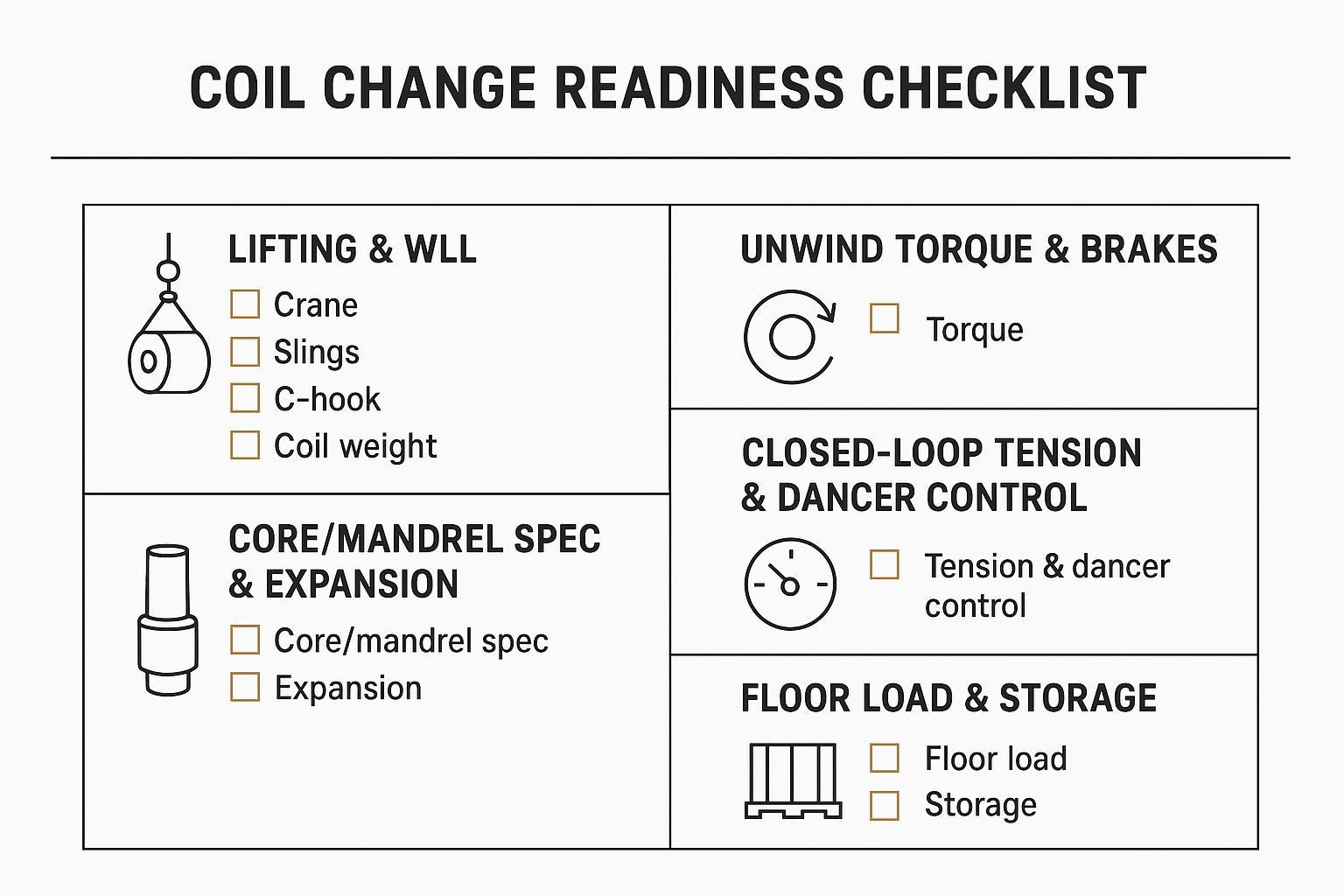
표준 작업에 다음 사항을 업데이트(또는 추가)하십시오.
- 인양 계획: 승인된 고정 장치, 작업하중(WLL) 확인, 접근 금지 구역, 태그 라인 및 "접촉 금지" 규칙
- 잠금/시험 작동: 나사를 끼우기 전에 브레이크, 핀치 롤 및 장력 시스템에 저장된 에너지를 격리합니다.
- 나사 끼우기 방법: 정해진 경로, 안전장치/인터록, 안전한 손 위치
- 전압 설정값: 시작 레시피 및 검증 검사("안정적"이란 무엇인가)
- 최초 생산품/최초 생산분 검증: 변경 후 검사 항목 (트래킹, 모서리 상태, 버, 표면)
자동 접합 및 SMED와의 통합
코일 교체 빈도를 줄이는 것이 한 가지 방법이고, 나머지 교체 과정의 시간과 변동성을 줄이는 것이 또 다른 방법입니다.
두 가지 실질적인 통합:
- 자동 접합(선택적 업그레이드 경로)자동 접합은 감소시킬 수 있습니다. 효과적인 코일 변경의 영향을 최소화하기 위해 작업 일부를 외부화하고 재시동 변동성을 줄입니다. 많은 발전소에서 이는 중요한 부분입니다. 자본 및 통합 결정 (장비 성능, 재료 호환성, 안전/보호 장치 및 검증 요구 사항) 따라서 그렇습니다. 위의 간단한 방정식에는 정량화되어 있지 않습니다.. 기준 전환 시간을 설정하고, 전환 시마다 폐기물을 줄이고, 생산량을 재조정한 후 다음 단계 옵션으로 고려하십시오.
- 스메드SMED의 핵심 아이디어는 내부 작업(기계 정지)을 외부 작업(기계 작동)으로 변환한 다음, 남은 부분을 표준화하는 것입니다. 이 방법은 시게오 신고가 개발했으며, 자세한 내용은 다음 문헌에 문서화되어 있습니다. 제조 분야의 혁명: SMED 시스템. Productivity Press, 1985 (SMED 방법론의 주요 출처).
코일 공급식 배관용 간단한 SMED 입문자 체크리스트:
- 다음 코일을 사전 준비합니다(ID 확인, 코어 확인, 에지 보호).
- 나사 가공 도구와 토크 설정을 표준화하십시오.
- 정렬 및 스트립 경로에 시각적 표시를 사용하십시오.
- 팀 구성원을 병렬화하십시오. 한 명은 기계 변경을 담당하고, 다른 한 명은 검증 및 문서화를 담당합니다.
実証事例:440C刃物用帯鋼分条・製造ライン(匿名化済)
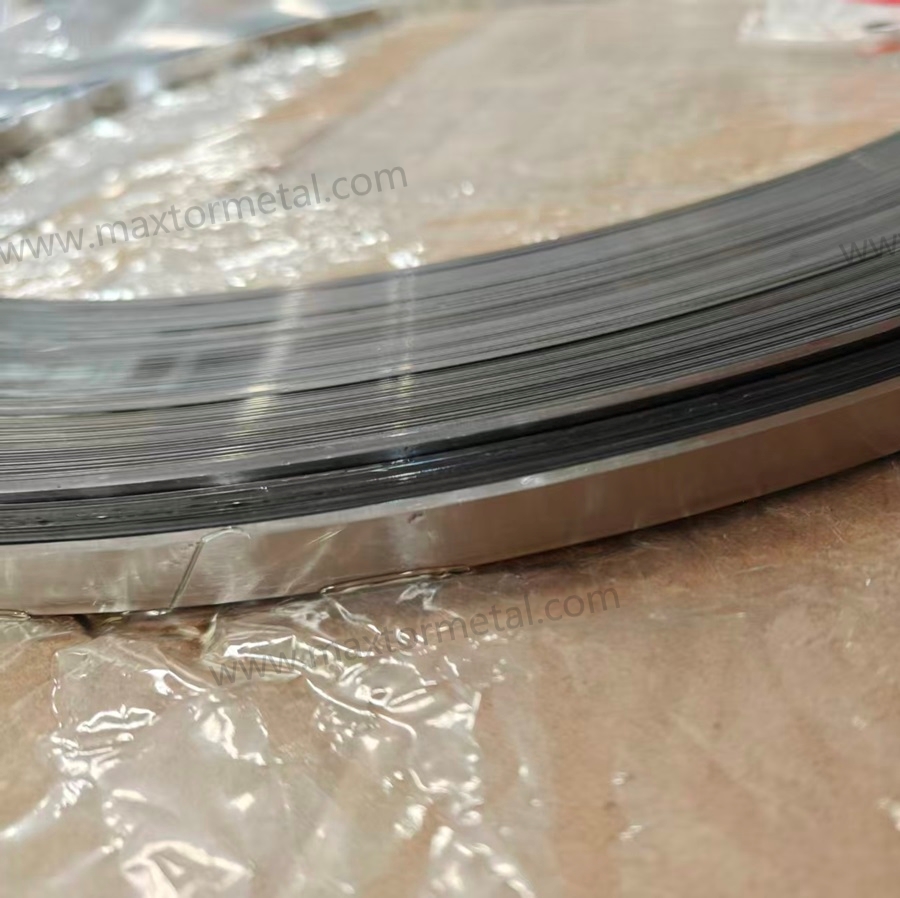
익명 처리된 이 사례는 블레이드 스트립 제조업체가 OEE를 개선한 방법을 보여줍니다. 코일 교체 빈도 감소 제품 사양을 안정적으로 유지하면서.
프로젝트 배경
- 제품: 440C 블레이드 스트립 강철, 식품 절단용 칼날 및 산업용 밴드 나이프 제조업체에 공급됩니다.
- 목표: 코일 길이를 늘려 (단순히 압연 속도를 높이는 것이 아니라) 전환 횟수를 줄이는 것
- 소요 시간: ~5주
- 데이터 소유권 및 익명화: 본 데이터 세트는 Maxtor Metal의 기술팀이 고객과 함께 진행한 공급업체 검증 및 프로세스 최적화 프로젝트 과정에서 수집되었습니다. 고객 식별 정보는 고객의 동의를 얻어 익명화되었습니다.
전제 조건 (일정하게 유지됨)
- 동일한 강종, 두께, 폭 및 열처리 공정
- 동일한 승무원/팀; 표준화된 교대 교육
- 새로운 장비는 추가되지 않았습니다 (공정 및 전환 워크플로우 최적화만 해당).
- 교대 근무마다 첫 번째 코일 검증을 수행합니다.
- OEE 회계 규칙은 변경되지 않았습니다.
측정 방법
데이터 사전 (각 측정항목의 의미)
| 데이터 필드 | 정의 (무엇을 기록할 것인가) | 단위 | 일반적인 출처 |
|---|---|---|---|
| 교대당 미터 | 근무 시간 동안 실제로 소모된 스트립 양 | m/교대 | MES + 코일 사용 기록 |
| 변경당 분 | 전환 시작부터 안정적인 생산까지 소요되는 시간 (가능한 경우 외부 준비 시간 제외) | 최소/변경 | 영상 시간 분석 + 다운타임 기록 |
| 스크랩_m_per_change | 이음매/나사산 가공 기간에 맞춰 묶인 자투리 길이 (꼬리 부분 + 나사산 가공 자투리) | m/변경 | 접합부 측정 + 폐기 로그 |
| 교대 근무당 변화 | 교대 근무 중 코일 교체 횟수 | 계산/교대 | 운영자 기록 + 가동 중지 시간 기록 |
| 계획된 다운타임(최소) | 코일 교체와 관련된 계획된 정지 시간의 합계 | 분/교대 | 다운타임 로그 |
| 가용성_델타 | 기준치 대비 가용 지점 변화 | 전철기 | OEE 보고서 (동일한 회계 규칙 적용) |
| 오이델타 | 기준치 대비 전체 OEE 포인트 변화 | 전철기 | OEE 보고서 (동일한 회계 규칙 적용) |
참고: 본 시범 사업에서 "안정적인 생산"은 장력, 추적 및 품질 검사가 교대 근무 첫 미터 검증을 통과하여 정상 작동 범위에 도달하는 것으로 정의했습니다.
교대 근무당:
- 실제 스트립 소모량(m/교대)을 기록하십시오.
- 생산 시작부터 안정적인 생산으로 전환하는 데 걸리는 시간(분/전환)
- 접합/나사산 창 주변의 자투리 길이를 측정합니다(m/변경량).
- 교대 근무별 변경 횟수를 세고 계획된 가동 중지 시간을 합산합니다.
- 가용성 및 전체 OEE 변화를 계산합니다.
기준선 (이전)
| 목 | 기준선 |
|---|---|
| 코일 길이 | 1,000~1,200m/코일 |
| 블레이드 스트립 소모량 | 2,600~3,100m/교대 |
| 코일 교체 | 2~3교대 |
| 전환 시간 | 16~20분/교체 |
| 스크랩 생성됨 | 7~10m/변화 |
영상 리뷰를 추천합니다 ~60% 정지 시간은 물리적인 코일 교체 자체 때문이 아니라, 리프팅 고정 장치를 찾고, 코일 헤드를 정렬하고, 확인을 기다리고, 장력을 재안정화하는 등의 지연 시간 때문이었습니다. 이러한 패턴은 일반적으로 SMED 방식 분석(내부 작업과 외부 작업을 분리하고 나머지 작업을 표준화하는 방식)을 통해 해결됩니다.
첫 번째 개선 시도 (코일 길이만 조정)
코일 길이는 약 30%(기준치인 1,000~1,200m에서 약 1,300~1,550m로) 증가되었지만, 풀림 매개변수나 전환 작업 흐름은 변경되지 않았습니다. 예상대로 교대 근무당 변경 횟수는 감소했지만, 팀은 다음과 같은 사항을 기록했습니다.
- 더 큰 외경(OD)으로 인해 관성이 높아짐 — 변경 후 처음 8~12분 동안 풀림 장력이 ±15~20% 범위에서 변동함 (기준 시점의 ±5% 대비)
- 교체 후 처음 약 20분 동안 약간의 스트립 스네이킹 현상이 발생하여 작업자 개입이 필요할 수 있습니다.
- 잔돈 한 개당 발생하는 자투리 쓰레기는 기준치인 7~10m에서 11~15m로 증가하여 잔돈 개수 감소분을 부분적으로 상쇄했습니다.
- 네트워크 가용성 개선: 거의 없음 — 정지 횟수는 줄었지만, 정지 후 재시작 시간 간격은 길어짐
연구팀은 이러한 접근 방식을 거부하고 코일 길이 증가는 풀림 매개변수 재조정 및 표준화된 전환 작업과 병행되어야 한다는 결론을 내렸습니다. 여기서 얻을 수 있는 교훈은 코일 길이는 독립적인 조절 요소가 아니라 시스템 변수라는 것입니다.
최종 개선 사항 (코일 길이 + 공정 + 표준 작업)
취해진 조치:
- 코일 길이를 ~만큼 늘렸습니다.35–45%
- 재조정된 풀림 매개변수
- 사전 준비된 도구 및 고정 장치
- 정지 전 코일 헤드 위치 표준화
- 전환 및 재시작 검증을 위해 체크리스트를 사용했습니다.
결과:
| 목 | 전에 | 후에 |
|---|---|---|
| 코일 길이 | 1,000~1,200m | 1,400~1,700m |
| 블레이드 스트립 소모량 | 2,600~3,100m/교대 | ~변경되지 않음 |
| 전환 시간 | 16~20분/교체 | 11~14분/교체 |
| 잔돈당 스크랩 | 7~10m | 4~6m |
개선 요약
| 미터법 | 개선 |
|---|---|
| 교대 근무당 코일 교체 횟수 | ↓ ~25–35% |
| 계획된 점검 시간 | ↓ ~35–45% |
| 전환 스크랩 | ↓ ~30–45% |
| 유효성 | + ~2–4점 |
| 전체 OEE | + ~3~6점 |
운영자의 행동 중 중요한 요소
뛰어난 성과를 내는 팀은 일반적으로 다음과 같은 특징을 보입니다.
- 다음 코일을 약 10분 전에 미리 준비했습니다.
- 정지하기 전에 확정된 경기 일정 및 리프팅 계획
- 올바른 언와인드 텐션 레시피를 일찍 로드했습니다.
- 재시작 후 즉시 첫 번째 계량기 점검을 실시했습니다.
성과가 낮은 승무원들은 다음과 같은 경향을 보였습니다.
- 회선이 끊긴 후 도구를 검색하세요
- 첫 번째 코일 점검 지연
- 임시방편적인 장력 조절에 의존합니다.
같은 장비를 사용하더라도 교대 근무 간의 차이는 종종 ~2~4분/교체.
적용 한계
이 접근 방식은 다음과 같은 경우에 가장 효과적입니다.
- 생산은 안정적입니다 (장기간 생산에도 동일한 등급/사양을 유지합니다).
- 코일 무게/외경 증가량은 취급 허용 범위 내에 있습니다.
- 풀림 시스템은 더 높은 관성을 안정적으로 제어할 수 있습니다.
생산 일정에서 등급/폭/사양이 자주 변경되는 경우, 긴 코일의 이점이 SKU 변경으로 인해 상쇄될 수 있습니다. 따라서 코일 길이 전략은 코일 길이에만 의존하기보다는 SMED(단일 모드 및 단일 모드 설계), 일정 관리, 표준화된 작업과 결합해야 합니다.
FAQ:
Q: 코일 교체 빈도는 OEE에 어떤 영향을 미칩니까?
모든 코일 교체는 계획된 생산 시간 내의 '계획된 정지'에 해당하며, 이는 OEE의 시간 가동률(Availability)을 직접적으로 떨어뜨립니다. 또한 라인 재가동 시 성능 가동률(속도 램프업, 스트립 장력 안정화)과 품질(접합부 인접 불량, 치수 드리프트)이 저하될 수 있는 가동 초기 구간을 유발합니다. 이러한 복합적인 영향으로 인해 코일 교체 빈도 개선은 코일 피딩 라인에서 가장 투자 회수(Payback)가 빠른 OEE 개선 레버 중 하나로 꼽힙니다. 가동 중단 시간, 공수(노무비), 접합 스크랩이라는 '회복 가능한 3대 손실'을 한 번에 정돈할 수 있기 때문입니다.
Q: 코일 피딩 방식의 나이프 스트립 라인에서 직관적이고 현실적인 교체(Changeover) 시간 목표는 무엇입니까?
본 문의 파일럿 데이터에 따르면, SMED(싱글 정돈) 스타일의 최적화를 거치기 전에는 회당 16~20분이 일반적인 베이스라인입니다. 기외 준비 작업(External prep)을 표준화하고, 치공구(Fixtures)를 사전에 배치하며, 정지 전 언와인더(Unwind) 레시피를 검증한 결과, 동일한 작업 조가 설비 추가 없이 회당 11~14분을 달성했습니다(약 25~35% 단축). 자동 접합(Auto-splicing) 기능이 있는 라인은 기내 교체 시간을 더 줄일 수 있지만, 가장 큰 단일 개선 성과는 대개 사후 반응적인 "공구 및 자재 찾기" 시간을 사전 준비된 기외 작업으로 전환하는 데서 나옵니다.
Q: 코일 교체로 인한 OEE 시간 가동률 손실(Availability loss)은 어떻게 계산합니까?
계산식: 가동중단_시간(분) = (교대조당_소모메터수 / 코일당_메터수) × 회당_교체시간(분). 이 값을 계획된 생산 시간으로 나누면 시간 가동률 하락 비율(%)을 얻을 수 있습니다. 예를 들어, 교대조당 20회 교체 × 회당 12분 = 240분의 계획된 다운타임이 발생합니다. 8시간 근무(480분) 기준으로, 비계획 정지(突發정지)를 제외하고도 코일 교체 하나만으로 이미 50%의 시간 가동률 손실(Drag)이 발생하는 셈입니다.
For grid-blade lines where slot-bottom fractures are a recurring unplanned-stop source, see Stopping Grid Blade Snapping at Slot Bottoms for the geometry and metallurgical controls that reduce snap-related line interruptions.
Q: 코일의 길이가 스트립의 품질이나 나이프의 성능에 영향을 미칩니까?
코일 길이 자체는 스트립 품질에 중립적입니다. 중요한 것은 공급업체의 공정 제어(Process control)가 코일 전장에 걸쳐 일정하게 유지되느냐입니다. 코일이 길어지면 기존의 치수 드리프트나 열처리 불균일성이 증폭됩니다. 즉, 문제를 감지하기 전에 라인이 더 길게 가동되어 불량 구간이 늘어날 수 있습니다. 이것이 코일 길이 연장을 단순한 물류적 결정으로 취급해서는 안 되며, 공급업체의 품질 문서 검토와 반드시 병행해야 하는 이유입니다. 특히 나이프용 스트립강(Blade strip steel)의 경우, 코일 전장에 걸친 '두께 공差(Tolerance)'와 주기적인 '경도 샘플링 검사'는 공급업체에 요청해야 할 가장 중요한 두 가지 공정 제어 지표입니다.
Q: 코일 대형화(Longer Coils)를 단행해도 OEE가 개선되지 않는 경우는 언제입니까?
개선 효과가 미비하거나 오히려 마이너스가 되는 세 가지 대표적인 시나리오가 있습니다. (1) 생산 스케줄상 강종, 폭, 사양 변경이 빈번한 경우: SKU 교체(품종 변경)에 따른 다운타임이 코일 교체 빈도 감소로 얻은 이득을 상쇄합니다. (2) 언와인더 설비가 대외경(Large OD) 코일의 '높은 관성(Inertia)'을 안정적으로 제어하지 못하는 경우: 재가동 초기 장력 및 속도 제어가 불안정해져 다운타임 단축 효과가 사라집니다. (3) 해당 라인이 공정 전체의 제약 조건(Bottleneck)이 아닌 경우: 후공정(Downstream)이 병목 구간이라면 코일 라인에서 시간 가동률을 확보하더라도 공장 전체의 추가적인 처리량(Throughput) 가치 증대로 이어지지 않습니다.
Q: 코일 대형화로 전환할 때 나이프용 스트립강 공급업체에 요청해야 하는 필수 품질 문서는 무엇입니까?
최소한 다음 문서들이 필요합니다. 코일의 양 끝단뿐만 아니라 전장에 걸쳐 샘플링된 '치수 공차 기록(두께 및 폭)', 코일 로트 번호와 연동된 '열처리 배치(Batch) 기록서', 그리고 '경도 샘플링 검사 로그'입니다. 식품 접촉용 나이프 어플리케이션의 경우, '부동태화(Passivation) 및 표면 조도 기록(Ra ≤ 0.8 µm)'도 필수적으로 확인해야 합니다. Maxtor Metal은 스트립강 코일 공급 자격을 평가하는 고객들을 위해 공급업체 감사(Audit) 프로그램 형식에 맞춘 표준 품질 문서 패키지를 완벽히 지원하고 있습니다.
EN 10204 3.1 인증서 구조, ASTM A681/ISO 4957에 따른 화학 성분 교차 검증, 9점 경도 매핑을 포함하여 입고 검사 시 이러한 문서를 읽고 확인하는 방법에 대한 단계별 가이드는 다음을 참조하십시오. 스트립 블레이드용 공구강 MTC 판독 및 품질 보증 체크리스트.
결론
- 주요 이점: 전환 횟수 감소, 가동률 향상, 설치 작업량 감소, 접합 불량률 감소
- 다음 단계: 공장 데이터 입력, 단기 시범 운영을 통한 검증, 취급 및 안전 한계 검토
코일 교체 빈도를 줄이는 것은 OEE(전체 설비 효율)를 향상시키는 확실한 방법입니다. 이는 눈에 보이는 손실 항목인 교체 작업으로 인한 계획된 가동 중지 시간을 줄이기 때문입니다. 이러한 투자의 수익률(ROI)은 보수적인 가정을 하더라도 높은 수준을 유지하는 경우가 많은데, 이는 가동 시간 증가, 부가가치가 없는 작업에 소요되는 노동 시간 감소, 그리고 접합 관련 불량 발생 감소라는 세 가지 효과가 복합적으로 작용하기 때문입니다.
기술 검토에서 타당성을 입증하려면 코일 길이를 단순히 구매 문제로만 생각하지 말고 공정 능력 문제로 다뤄야 합니다. 안정적인 장기 생산을 위해서는 코일 전체에 걸쳐 일관된 열처리와 엄격한 치수 관리가 필수적이며, 이는 공급업체의 품질 관리 문서가 스트립 가격뿐만 아니라 중요한 고려 사항임을 의미합니다.
Maxtor Metal는 배치 수준의 문서화를 통해 공식적인 코일 공급 검증 프로그램을 운영하는 고객을 지원합니다. 여기에는 코일 길이에 걸친 치수 공차 기록, 열처리 일관성 데이터, 감사 준비 검토에 적합한 형식의 경도 샘플링 기록이 포함됩니다. 내부 검토에 참조점으로 사용할 구체적인 장형 코일 공급 사양이 필요한 경우, 경사면 릴에 담긴 산업용 블레이드 스트립 강재 제품 페이지가 관련 시작점입니다.
Once coil change frequency is optimized, the next operational lever is blade lifecycle management. A structured regrind program — with measurable scrap/regrind thresholds and proactive sharpening intervals — can reduce annual knife consumable costs by 45–60%. See the Regrinding Industrial Strip Blades: Sharpening vs Scrap Guide for the full decision framework.
참고문헌
데이터 투명성 고지
- 최종 업데이트: 2026-07-11
- 면책 조항: 본 문서에는 설명을 위해 Maxtor Metal의 제품 사례가 포함되어 있습니다. OEE 모델과 시범 방법론은 자격을 갖춘 모든 코일 공급업체에 적용할 수 있습니다.
- 파일럿 데이터 측정 방법: 파일럿 섹션에서는 일관된 OEE 회계 규칙, 변경 시간 연구, 접합/나사산 가공 구간 주변의 스크랩 길이 측정 등을 적용한 익명화된 5주간의 현장 시험 결과를 요약합니다. 이러한 맥락에서, 전환 시간 수단 전환 시작부터 안정적인 생산까지 (가능한 경우 외부 준비 과정을 제외합니다.) 잔돈당 스크랩 수단 꼬리 부분 + 나사산 조각은 접합부/나사산 창 주변에서 측정됩니다..
- 안전 주의사항: 코일을 교체하거나 장력 시스템을 조정할 때는 항상 현장의 안전 절차, 리프팅 계획 및 장비 제조업체의 지침을 따르십시오.
- ISO. ISO 22400-2:2021 — 자동화 시스템 및 통합 — 제조 운영 관리의 핵심 성과 지표(KPI) — 제2부: 정의 및 설명. https://www.iso.org/standard/54497.html
- 신고, S. 제조 분야의 혁명: SMED 시스템. Productivity Press, 1985. (SMED 방법론의 주요 출처.) https://books.google.com.pe/books?id=ooXVVIfqEQwC&printsec=frontcover
- OSHA. "자재 취급 및 보관(OSHA 2236)"“ https://www.osha.gov/sites/default/files/publications/OSHA2236.pdf
- OSHA. “수동으로 물건을 들어 올릴 때 안전한 무게 제한에 대한 OSHA 절차(표준 해석).” https://www.osha.gov/laws-regs/standardinterpretations/2013-06-04-0
- ASME. ASME B30.20 — 후크 하부 리프팅 장치. 미국기계학회. https://www.asme.org/codes-standards/find-codes-standards/b30-20-hook-lifting-devices
토미 탕 는 선임 영업 엔지니어입니다. Maxtor Metal 12년간 산업 고객에게 맞춤형 블레이드 및 블레이드 스트립 공급, 코일 공급식 절단 및 슬리팅 애플리케이션을 지원해 온 경력을 보유하고 있습니다. CSE, CME, 식스 시그마 그린 벨트, 그리고 PMP 자격을 갖추고 있으며, 엔지니어와 기술 구매자가 자재 선택, 치수 일관성 및 감사에 용이한 품질 관리를 통해 가동 중지 위험을 줄일 수 있도록 지원하는 데 중점을 둡니다.

 English
  Spanish
  Italian
  French
  Portuguese
  Russian
  German
  Arabic
  Hindi
Hindi  Vietnamese
  Indonesian
  Japanese
  Korean