
اختيار سكاكين معالجة البوليمرات الطبية: الفولاذ المقاوم للصدأ 420 مقابل 440C، وإنهاء السطح، والتحكم في دورة المياه
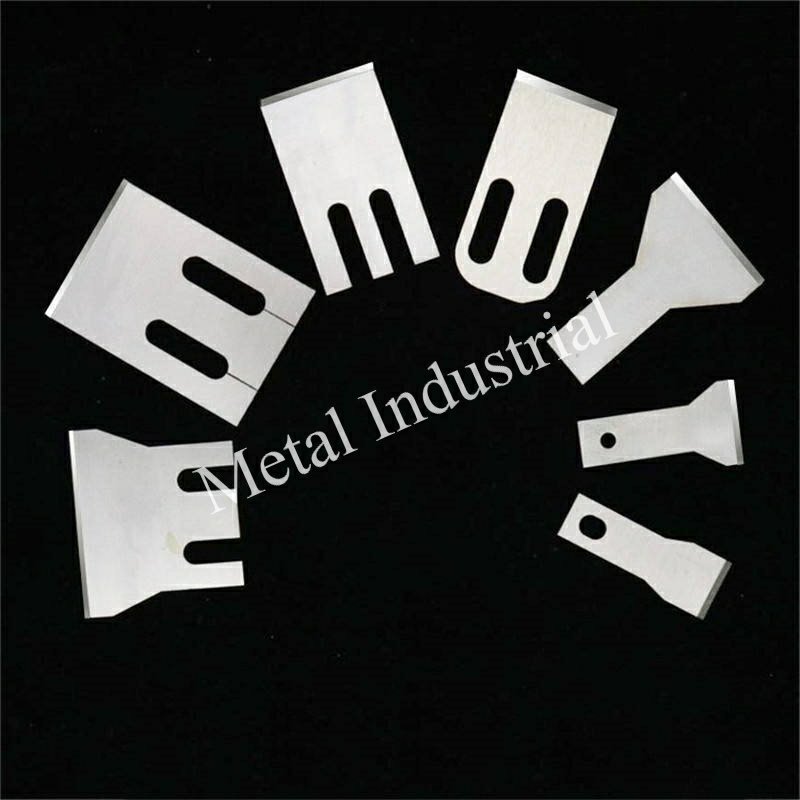
Quick answer: In medical-grade polymer pelletizing, 420 and 440C stainless are not interchangeable: 420 offers higher toughness, better polishability, and more corrosion tolerance in sanitization-intensive or variable-chemistry water loops; 440C delivers superior edge retention for abrasive polymers in stable, controlled-chemistry loops. Both grades require Ra ≤ 0.4 µm mirror finish and verified passivation per ASTM […]
شفرات تحبيل البلاستيك من ميتالورجيا المساحيق M390 مقابل CPM S90V: اختيار الدرجة تحت ظروف التآكل العالي بألياف الزجاج
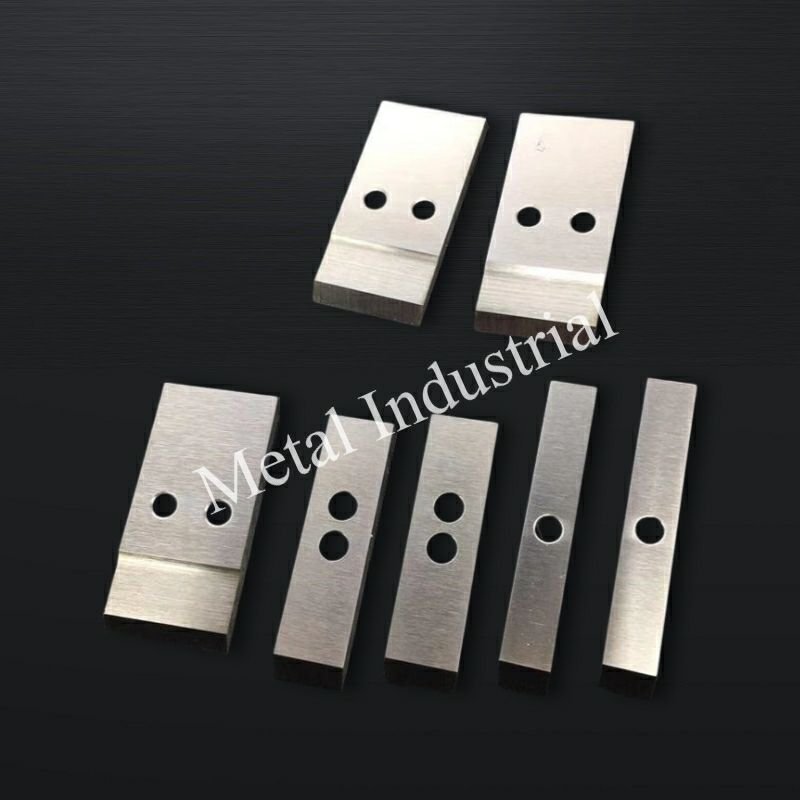
Quick answer: For pelletizing blades under high glass-fiber wear, powder metallurgy stainless steels outperform conventional tool steels because their fine, uniform carbide distribution resists micro-ploughing without the toughness trade-offs of high-alloy ingot steels. Between M390 and CPM S90V: choose CPM S90V when abrasion load is the dominant failure mode (>30% GF, neutral water); choose M390 when […]
التصاق المادة بسكاكين التحبيب تحت الماء لـ TPU: اختيار طلاء DLC مقابل PTFE ونوافذ التشغيل.
Quick answer: Knife gumming in TPU underwater pelletizing is a system problem, not just a coating problem. The fastest fix is to address the mechanism first (restore cutting-plane stability and quench consistency), then select coatings: DLC on cutting-edge faces for hardness and low friction, PTFE on low-wear non-edge faces for adhesion reduction. Running DLC without fixing […]
خامة وتصميم والتحكم في قطع كربيد التنجستن لزيادة وقت تشغيل محببات البلاستيك تحت الماء
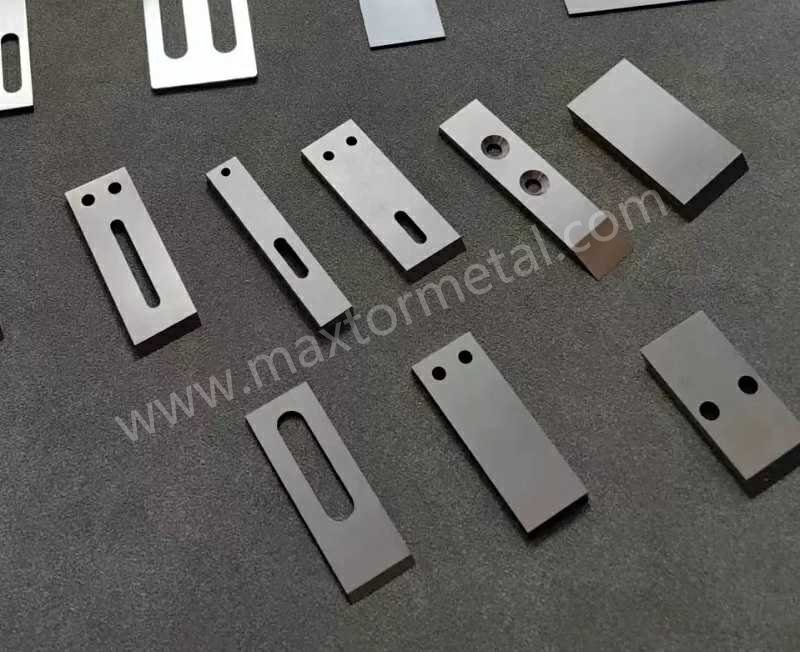
Quick answer: Stable die-face cutting on underwater pelletizer lines depends on four variables working together: carbide grade (HRA 88–92 for most WC–Co inserts), edge geometry (controlled radius, not just “sharp”), contact pressure management (engage → trim, not pressure-chase), and water-loop stability (40–60°C, filtered, degassed). Changing inserts without addressing die-face condition or cutter-head balance is the most […]
التأهيل الهندسي لكتل السكاكين في الإنتاج البتروكيماوي عالي الحجم
Quick answer: A water-ring pelletizer knife block is qualified for high-volume production by verifying four things: runout/TIR at functional datums (typically ≤0.03–0.04 mm), balance grade per ISO 21940 (G6.3 baseline, tightening to G2.5 at higher speeds), vibration acceptance per ISO 20816 (often ≤2.8 mm/s RMS), and full material traceability via EN 10204 3.1/3.2 certificates linked to […]
تحبيب الخيوط مقابل تحبيب الحلقة المائية: الاختيار حسب المادة والتكلفة الإجمالية للملكية (TCO)
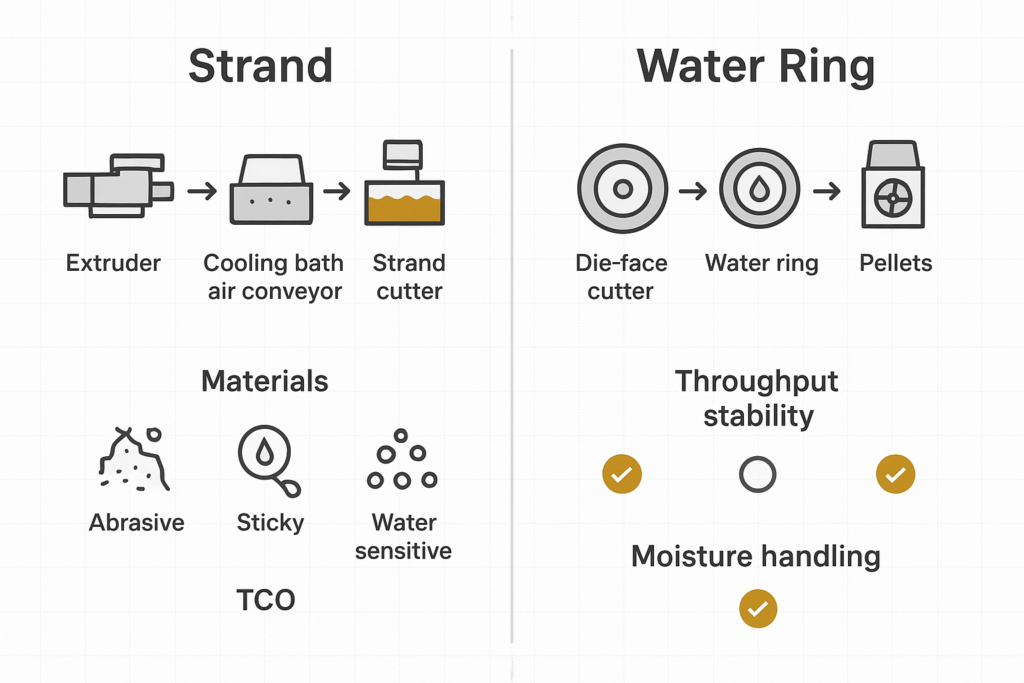
إن اختيار طريقة تكوير الحبيبات بين طريقة الخيوط وطريقة الحلقة المائية ليس مجرد تفضيل للتقطيع "الرطب" أو "الجاف". بل إنه يُغير العوامل المتحكمة في جودة الحبيبات، وما الذي يتعطل أولاً أثناء أي عطل، وموقع التكلفة الحقيقية للطن الواحد (قطع الغيار المستهلكة، والتجفيف، وعمليات التغيير، والخردة). في مجال الخلط وإعادة التدوير في المملكة المتحدة - خاصةً عند استخدام مواد ذات محتوى عالٍ من الألياف الزجاجية، أو مواد محملة بالمعادن، أو مواد ذات محتوى عالٍ من المواد المعاد تدويرها [...]
القواطع الدوارة: الدليل النهائي لتحبيب الخيوط المائية

هذا الدليل مُخصّص لقادة شركات تصنيع المواد المركبة الذين يديرون خطوط إنتاج حبيبات الألياف المائية، والذين يحتاجون إلى جودة قطع موثوقة مع عدد أقل من عمليات التغيير وتكاليف قابلة للتنبؤ. ستتعرف على المتطلبات الفنية التي تُثبّت طول وشكل الحبيبات، وكيفية اختيار مصنع صيني موثوق لآلات القطع الدوارة/السكاكين، وما يجب طلبه في وثائق مراقبة الجودة، وكيفية نمذجة التكلفة النهائية و[...]
كيفية اختيار سكاكين تحبيب الوجه الساخن لـ PE/PP المبرد بالهواء
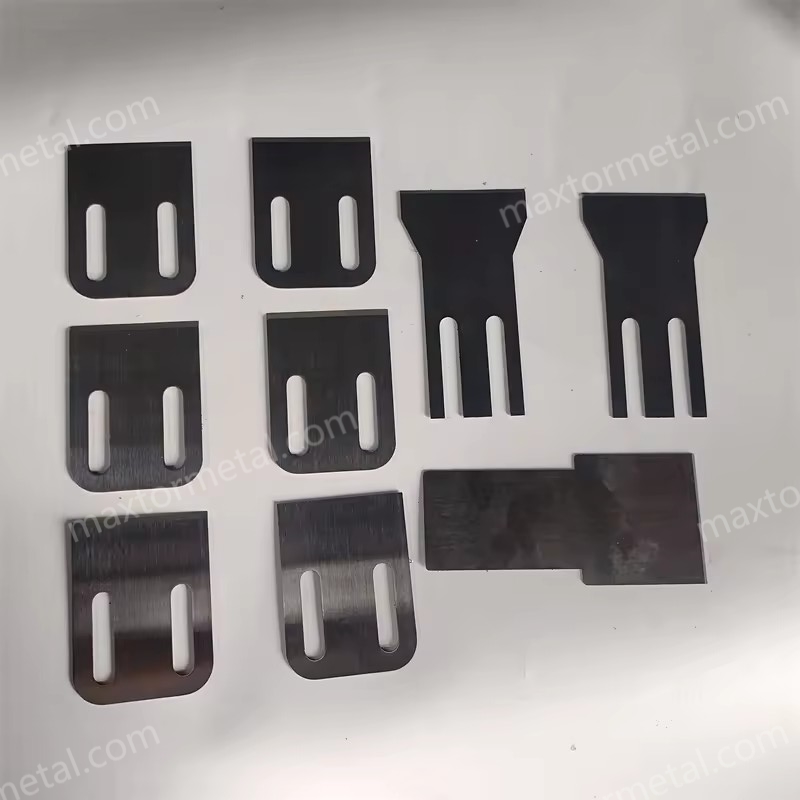
إن اختيار شفرات تحبيب الوجه الساخن المناسبة لـ PE/PP المبرد بالهواء لا يقتصر فقط على أسماء المواد في عرض السعر. بل إن الاختيار الصحيح يقلل بشكل مباشر من الذيول والدقائق الناعمة، ويضمن استقرار جودة القطع عبر نوبات العمل، ويحافظ على إمكانية التنبؤ بوقت التشغيل ليبقى إجمالي تكلفة الملكية (TCO) متوافقًا مع الخطة. يوضح لك هذا الدليل كيفية تحديد ركيزة الشفرة، وصلابتها، [...]
سكاكين المحببة التي تقاوم التآكل في الراتنجات المعززة بالألياف الزجاجية
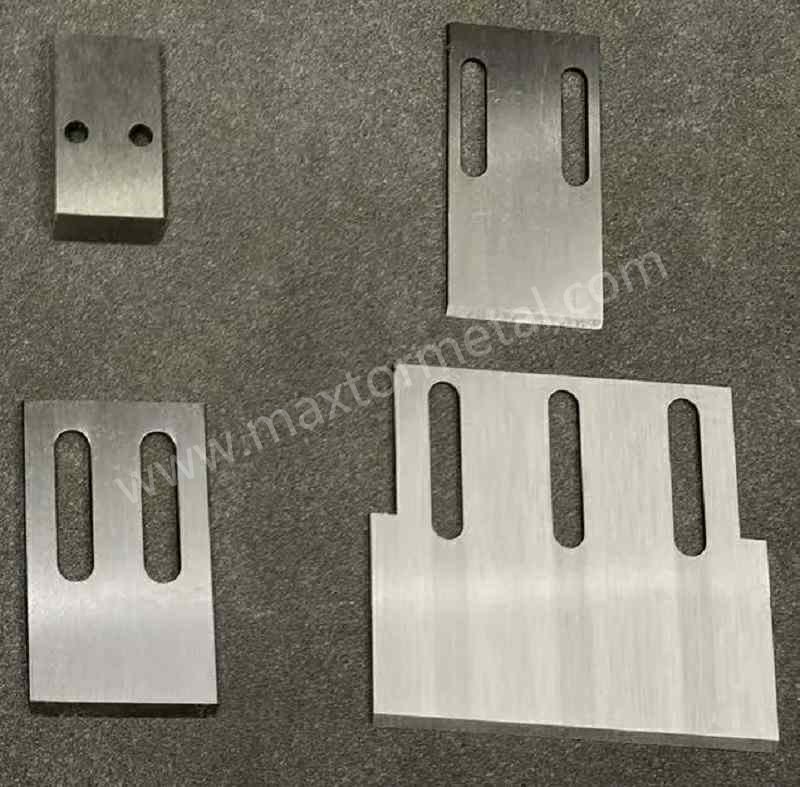
مقدمة: تحوّل الألياف الزجاجية مادة البولي أوليفين العادية إلى معجون كاشط. يعمل كل خيط مقطّع كمبرد مجهري، مما يُسرّع من استدارة حواف الشفرات ويحفر أخاديد دقيقة في سطح القالب. والنتيجة؟ زيادة في كمية الجزيئات الدقيقة والشوائب، واهتزازات متزايدة، واستبدال الشفرات أو إعادة شحذها بشكل متكرر. في عملية تحبيب البولي بروبيلين/البولي إيثيلين باستخدام سطح القالب/حلقة الماء (تحت الماء) مع […]
إطالة عمر سكين المحببة: إجراءات الصيانة التي تقلل من وقت التوقف
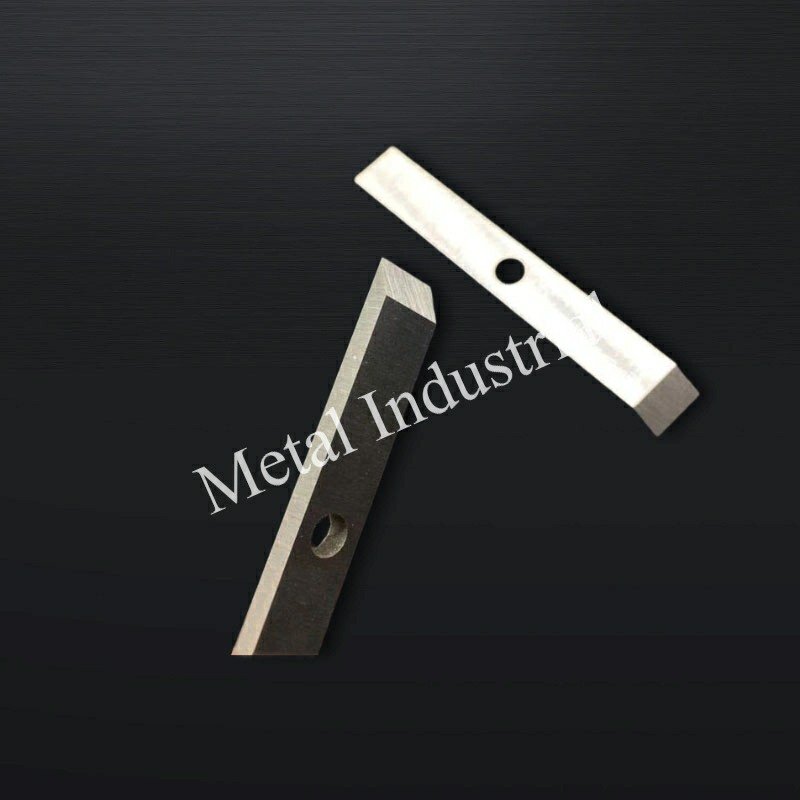
بقلم تومي تانغ، مهندس مبيعات أقدم (Nanjing METAL). خبرة 12 عامًا في دعم تطبيقات شفرات التحبيب وتقليل الحجم. الشهادات: CSE، CME، Six Sigma Green Belt، PMP. نطاق وملاحظة التحقق من الصحة: النطاقات الرقمية في هذا الدليل هي نقاط بداية نموذجية مستخدمة في الممارسات المصنعية. اتبع دائمًا دليل الشركة المصنعة للمعدات الأصلية (OEM) وقواعد السلامة الخاصة بالموقع أولاً، ثم قم بتأكيد نقاط الضبط النهائية مع [...]

 English
  Spanish
  Italian
  French
  Portuguese
  Russian
  German
  Arabic
  Hindi
Hindi  Vietnamese
  Indonesian
  Japanese
  Korean