
Selezione delle Lame per Polimeri ad Uso Medico: Acciaio Inox 420 vs 440C, Finitura Superficiale e Controllo del Circuito d'Acqua

Risposta rapida: Nella granulazione di polimeri per uso medicale, gli acciai inossidabili 420 e 440C non sono intercambiabili: il 420 offre una maggiore tenacità, una migliore lucidabilità e una superiore tolleranza alla corrosione nei circuiti idrici a igienizzazione intensiva o con chimica variabile; il 440C assicura una tenuta del filo superiore per polimeri abrasivi in circuiti a chimica stabile e controllata. Entrambi i gradi richiedono una finitura a specchio Ra ≤ 0,4 µm e una passivazione verificata secondo ASTM […]
Coltelli granulatori in metallurgia delle polveri M390 vs CPM S90V: Selezione del grado in condizioni di elevata usura da fibra di vetro
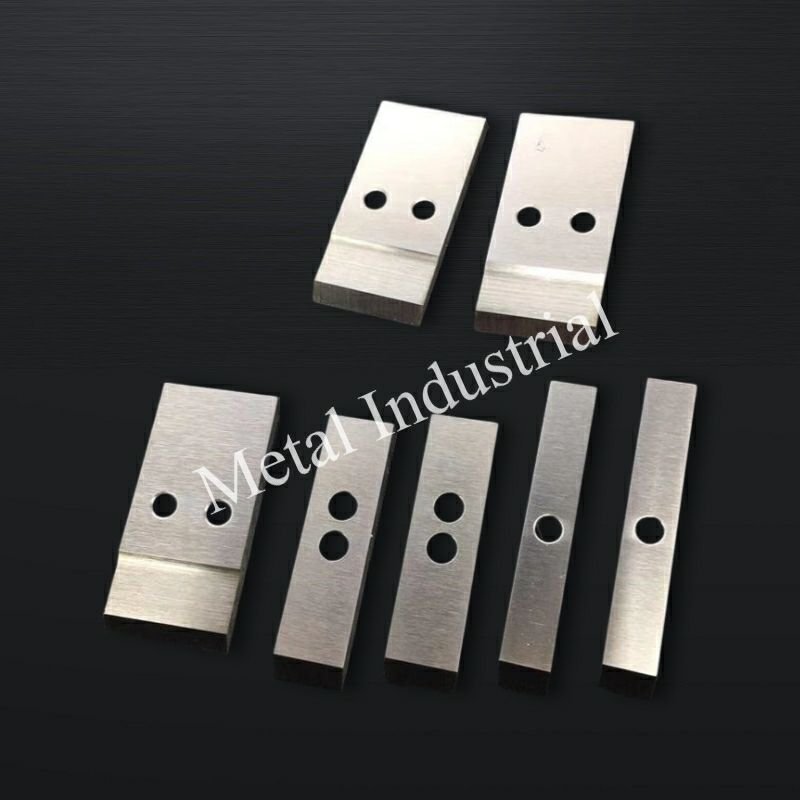
Quick answer: For pelletizing blades under high glass-fiber wear, powder metallurgy stainless steels outperform conventional tool steels because their fine, uniform carbide distribution resists micro-ploughing without the toughness trade-offs of high-alloy ingot steels. Between M390 and CPM S90V: choose CPM S90V when abrasion load is the dominant failure mode (>30% GF, neutral water); choose M390 when […]
Incollamento delle lame nella granulazione subacquea di TPU: selezione del rivestimento DLC vs PTFE e finestre operative.
Risposta rapida: L'incrostazione della lama nella pellettizzazione subacquea del TPU è un problema di sistema, non solo un problema di rivestimento. La soluzione più rapida è intervenire prima sul meccanismo (ripristinare la stabilità del piano di taglio e la consistenza del raffreddamento), quindi selezionare i rivestimenti: DLC sulle superfici del tagliente per durezza e basso attrito, PTFE sulle superfici non taglienti a bassa usura per ridurre l'adesione. L'utilizzo del DLC senza risolvere il problema […]
Grado, design e controllo degli inserti in carburo di tungsteno per l'uptime del pellettizzatore sommerso
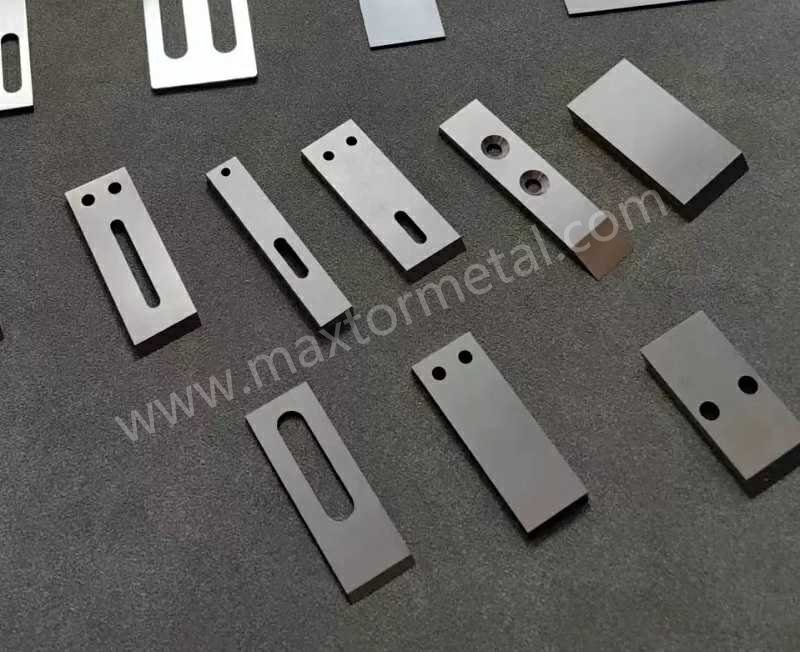
Risposta rapida: Il taglio stabile della superficie di taglio nelle linee di pellettizzazione subacquea dipende da quattro variabili che lavorano insieme: grado del carburo (HRA 88–92 per la maggior parte degli inserti WC–Co), geometria del tagliente (raggio controllato, non solo "affilato"), gestione della pressione di contatto (innesto → rifinitura, non pressione-inseguimento) e stabilità del circuito dell'acqua (40–60 °C, filtrata, degassata). Cambiare gli inserti senza intervenire sulle condizioni della superficie di taglio o sul bilanciamento della testa di taglio è la cosa più […]
Qualifica tecnica dei blocchi lama per la produzione petrolchimica ad alto volume
Risposta rapida: un blocco di lame per pellettizzatore ad anello d'acqua è qualificato per la produzione di grandi volumi verificando quattro aspetti: eccentricità/TIR ai riferimenti funzionali (tipicamente ≤0,03–0,04 mm), grado di bilanciamento secondo ISO 21940 (livello base G6.3, che si restringe a G2.5 a velocità più elevate), accettazione delle vibrazioni secondo ISO 20816 (spesso ≤2,8 mm/s RMS) e tracciabilità completa del materiale tramite certificati EN 10204 3.1/3.2 collegati a […]
Granulazione a filo vs. ad anello d'acqua: scelta in base al materiale e al TCO
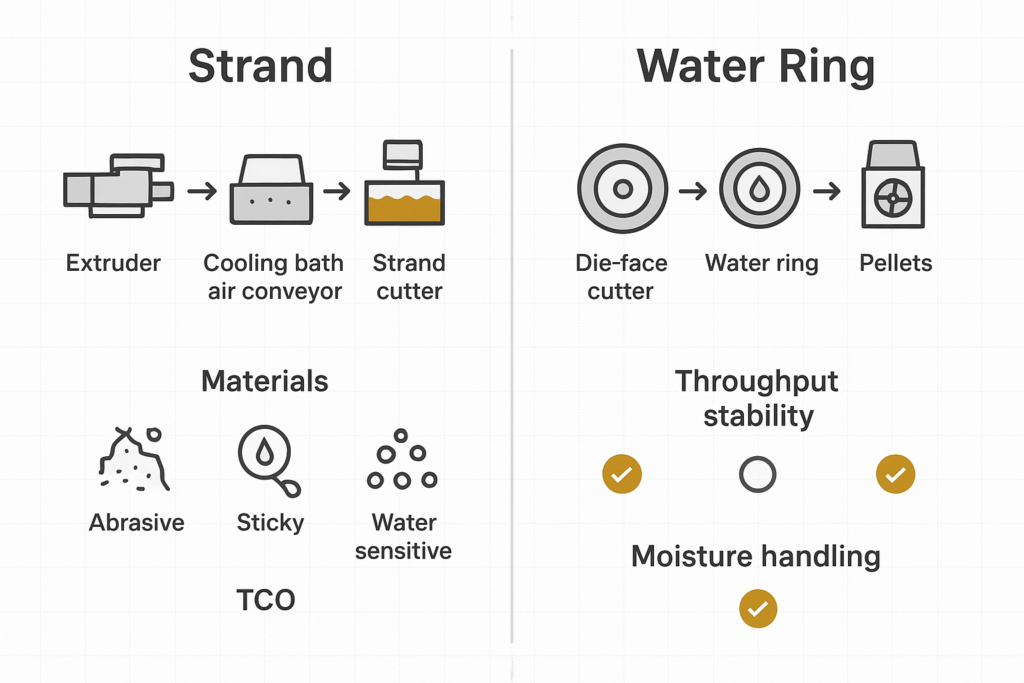
La scelta tra pellettizzazione a filamento e pellettizzazione ad anello d'acqua non è solo una questione di preferenza per il taglio "a umido" o "a secco". Cambia ciò che controlla la qualità dei pellet, cosa si guasta per primo in caso di interruzione e dove si concentra il costo reale per tonnellata (parti soggette ad usura, essiccazione, cambi di formato e scarti). Nel settore della compounding e del riciclaggio nel Regno Unito, soprattutto quando si utilizzano materiali ad alto contenuto di riempitivo, fibra di vetro, minerali o materiale riciclato ad alto contenuto […]
Frese rotative: Guida definitiva alla granulazione a filo d'acqua

Questa guida è pensata per i responsabili della compounding che gestiscono linee di pellettizzazione a flusso d'acqua e che necessitano di una qualità di taglio affidabile con meno cambi di formato e costi prevedibili. Imparerai i requisiti tecnici che stabilizzano la lunghezza e la forma dei pellet, come valutare con sicurezza un produttore cinese di taglierine/lame rotanti, cosa richiedere nella documentazione di controllo qualità e come modellare il costo di sbarco e […]
Come scegliere le lame per granulazione a caldo per PE/PP raffreddato ad aria
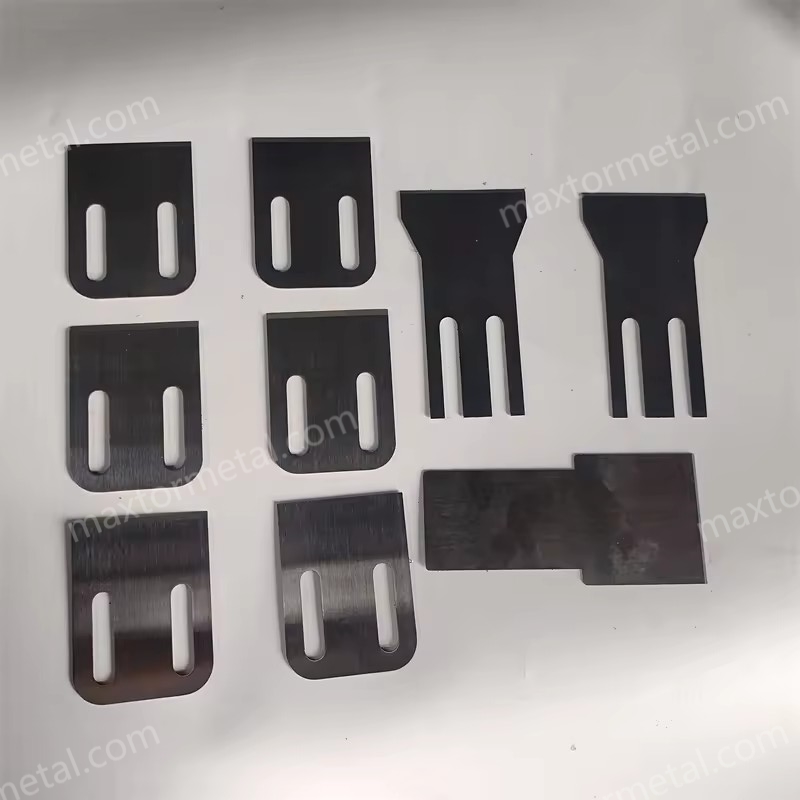
La scelta delle lame di pellettizzazione a caldo più adatte per PE/PP raffreddato ad aria non si limita alla semplice scelta del materiale nel preventivo. La scelta corretta riduce direttamente le code e le polveri, stabilizza la qualità del taglio tra i turni e mantiene i tempi di attività prevedibili, in modo che il costo totale di proprietà (TCO) sia in linea con il piano. Questa guida mostra come specificare il substrato della lama, la durezza, […]
Lame per granulatori che battono l'abrasione nelle resine rinforzate con fibra di vetro
Introduzione Le fibre di vetro trasformano una normale lavorazione di poliolefine in una sospensione abrasiva. Ogni filamento tagliato si comporta come una lima microscopica, accelerando l'arrotondamento dei bordi delle lame e incidendo lievi solchi sulla superficie della filiera. Il risultato? Aumento delle particelle fini e delle code, vibrazioni crescenti e sostituzioni o riaffilature delle lame più frequenti. Nella pellettizzazione di PP/PE con superficie della filiera/anello d'acqua (sott'acqua) con […]
Prolungare la durata delle lame del granulatore: interventi di manutenzione per ridurre i tempi di fermo

A cura di Tommy Tang, Ingegnere Senior delle Vendite (Nanjing METAL). 12 anni di esperienza nel supporto di applicazioni di pellettizzazione e lame per la riduzione delle dimensioni. Certificazioni: CSE, CME, Six Sigma Green Belt, PMP. Nota di ambito e convalida: gli intervalli numerici in questa guida sono punti di partenza tipici utilizzati nella pratica degli impianti. Seguire sempre prima il manuale OEM e le norme di sicurezza del sito, quindi confermare i setpoint finali con […]

 English
  Spanish
  Italian
  French
  Portuguese
  Russian
  German
  Arabic
  Hindi
Hindi  Vietnamese
  Indonesian
  Japanese
  Korean