
Lựa chọn Dao cắt hạt nhựa cho Polymer ngành Y tế: Thép không gỉ 420 vs 440C, Độ bóng bề mặt và Kiểm soát vòng nước
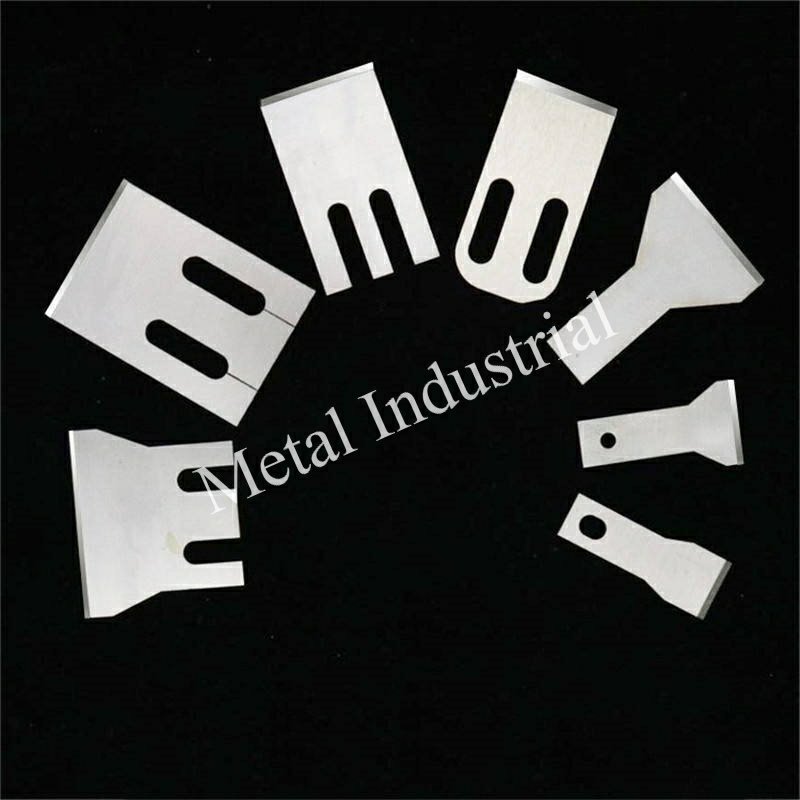
Giải đáp nhanh: Trong quy trình tạo hạt polyme y tế, thép không gỉ 420 và 440C không thể thay thế cho nhau: 420 mang lại độ dẻo dai cao hơn, khả năng đánh bóng tốt hơn và khả năng chống ăn mòn tốt hơn trong các vòng tuần hoàn nước có tính khử trùng cao hoặc hóa tính thay đổi; 440C mang lại khả năng giữ cạnh cắt vượt trội cho các polyme mài mòn trong các vòng tuần hoàn ổn định, được kiểm soát hóa tính. Cả hai mác thép đều yêu cầu độ bóng gương Ra ≤ 0.4 µm và quy trình thụ động hóa được kiểm chứng theo tiêu chuẩn ASTM […]
Dao cắt hạt nhựa bột kim loại M390 vs CPM S90V: Lựa chọn mác thép trong điều kiện mài mòn cao bởi sợi thủy tinh
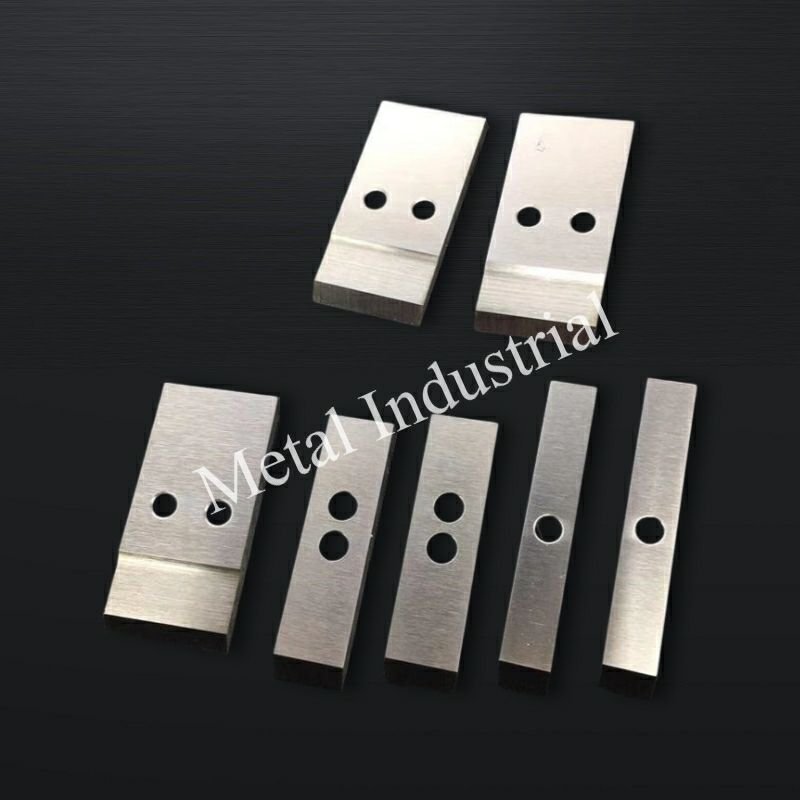
Quick answer: For pelletizing blades under high glass-fiber wear, powder metallurgy stainless steels outperform conventional tool steels because their fine, uniform carbide distribution resists micro-ploughing without the toughness trade-offs of high-alloy ingot steels. Between M390 and CPM S90V: choose CPM S90V when abrasion load is the dominant failure mode (>30% GF, neutral water); choose M390 when […]
Hiện tượng bám dính dao cắt hạt dưới nước TPU: Lựa chọn lớp phủ DLC vs PTFE và khoảng thông số vận hành.
Quick answer: Knife gumming in TPU underwater pelletizing is a system problem, not just a coating problem. The fastest fix is to address the mechanism first (restore cutting-plane stability and quench consistency), then select coatings: DLC on cutting-edge faces for hardness and low friction, PTFE on low-wear non-edge faces for adhesion reduction. Running DLC without fixing […]
Mác vật liệu, thiết kế và kiểm soát dao cắt hạt hợp kim cứng để tối ưu thời gian chạy máy cắt hạt dưới nước
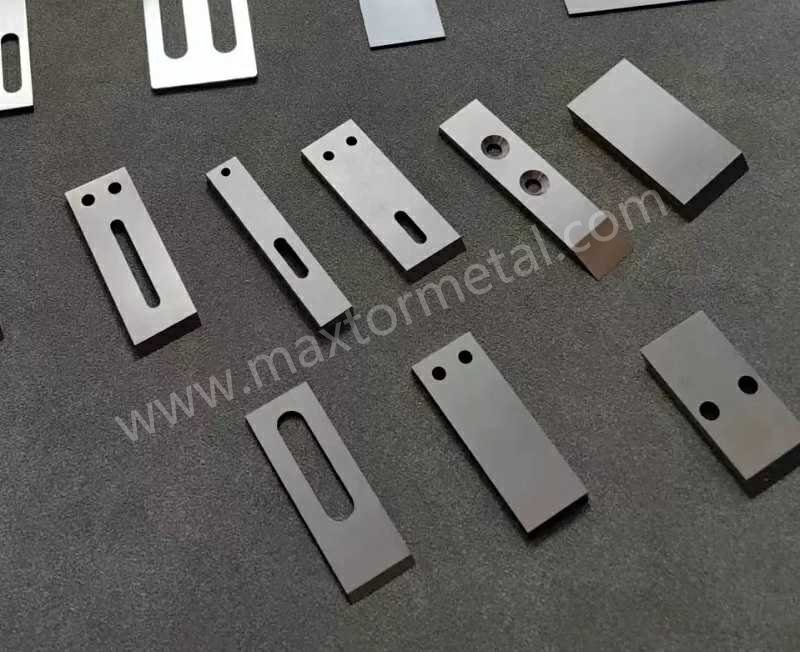
Quick answer: Stable die-face cutting on underwater pelletizer lines depends on four variables working together: carbide grade (HRA 88–92 for most WC–Co inserts), edge geometry (controlled radius, not just “sharp”), contact pressure management (engage → trim, not pressure-chase), and water-loop stability (40–60°C, filtered, degassed). Changing inserts without addressing die-face condition or cutter-head balance is the most […]
Đánh giá kỹ thuật các khối dao cắt cho sản xuất hóa dầu khối lượng lớn
Quick answer: A water-ring pelletizer knife block is qualified for high-volume production by verifying four things: runout/TIR at functional datums (typically ≤0.03–0.04 mm), balance grade per ISO 21940 (G6.3 baseline, tightening to G2.5 at higher speeds), vibration acceptance per ISO 20816 (often ≤2.8 mm/s RMS), and full material traceability via EN 10204 3.1/3.2 certificates linked to […]
Cắt hạt nhựa sợi vs. vòng nước: lựa chọn theo vật liệu và TCO
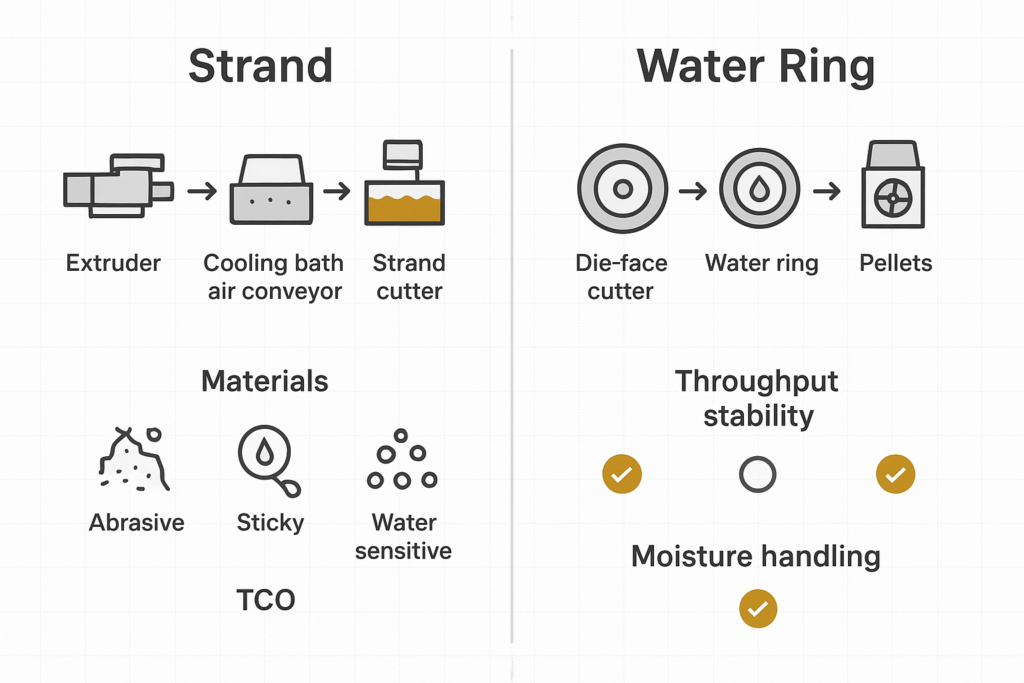
Choosing between strand pelletising and water ring pelletising isn’t just a preference for “wet” or “dry” cutting. It changes what controls pellet quality, what fails first during a disruption, and where your real cost-per-tonne sits (wear parts, drying, changeovers, and scrap). In UK compounding and recycling—especially when you’re running high-fill, glass fibre, mineral-loaded, or high-recycled-content […]
Dao cắt trục quay: Hướng dẫn toàn tập về cắt hạt sợi dưới nước
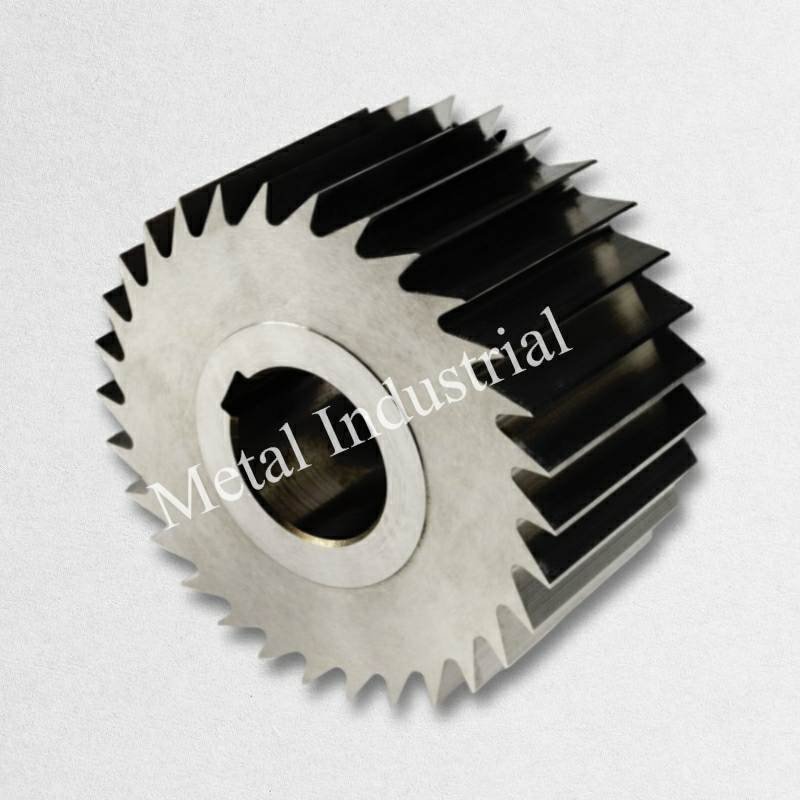
Hướng dẫn này dành cho các nhà sản xuất viên nén sử dụng dây chuyền tạo viên bằng phương pháp phun nước, những người cần chất lượng cắt ổn định với ít lần thay đổi nguyên liệu và chi phí dự đoán được. Bạn sẽ tìm hiểu các yêu cầu kỹ thuật để ổn định chiều dài và hình dạng viên nén, cách đánh giá nhà máy sản xuất dao/máy cắt quay của Trung Quốc một cách tự tin, những điều cần hỏi trong tài liệu kiểm soát chất lượng và cách lập mô hình chi phí nhập khẩu và […]
Cách chọn dao cắt hạt nhựa nóng cho dây chuyền PE/PP làm mát bằng không khí
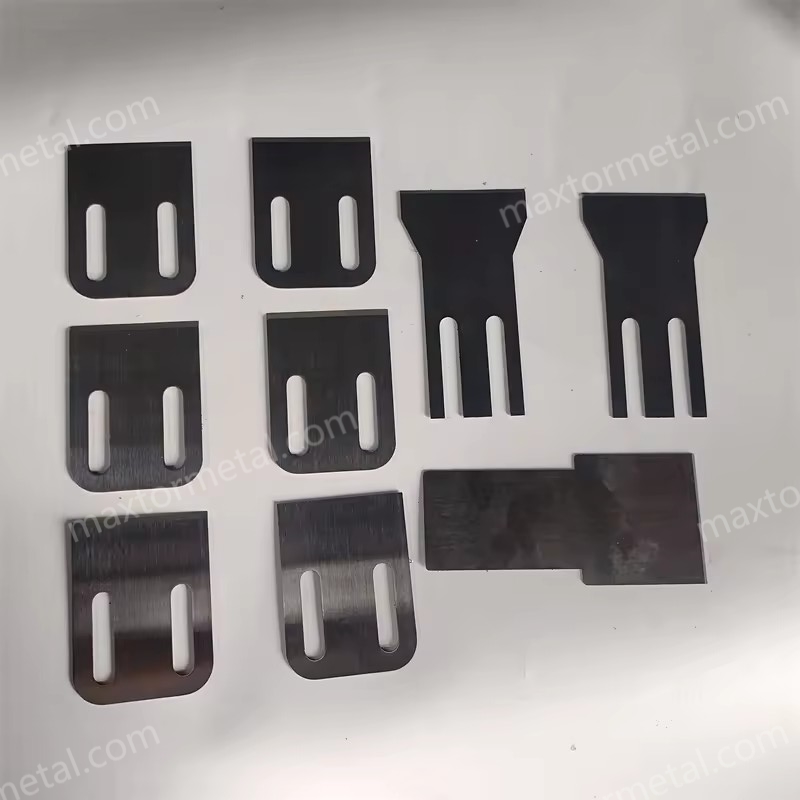
Việc lựa chọn đúng dao cắt hạt nóng cho hệ thống PE/PP làm mát bằng không khí không chỉ đơn thuần là dựa vào mác vật liệu trên bảng báo giá. Lựa chọn chính xác giúp giảm trực tiếp lượng đuôi nhựa và bột mịn, ổn định chất lượng cắt giữa các ca làm việc, và đảm bảo thời gian vận hành ổn định để tổng chi phí sở hữu (TCO) luôn đi đúng kế hoạch. Hướng dẫn này sẽ chỉ cho bạn cách xác định vật liệu nền của dao, độ cứng, […]
Dao máy cắt hạt nhựa chống mài mòn trong nhựa gia cường sợi thủy tinh
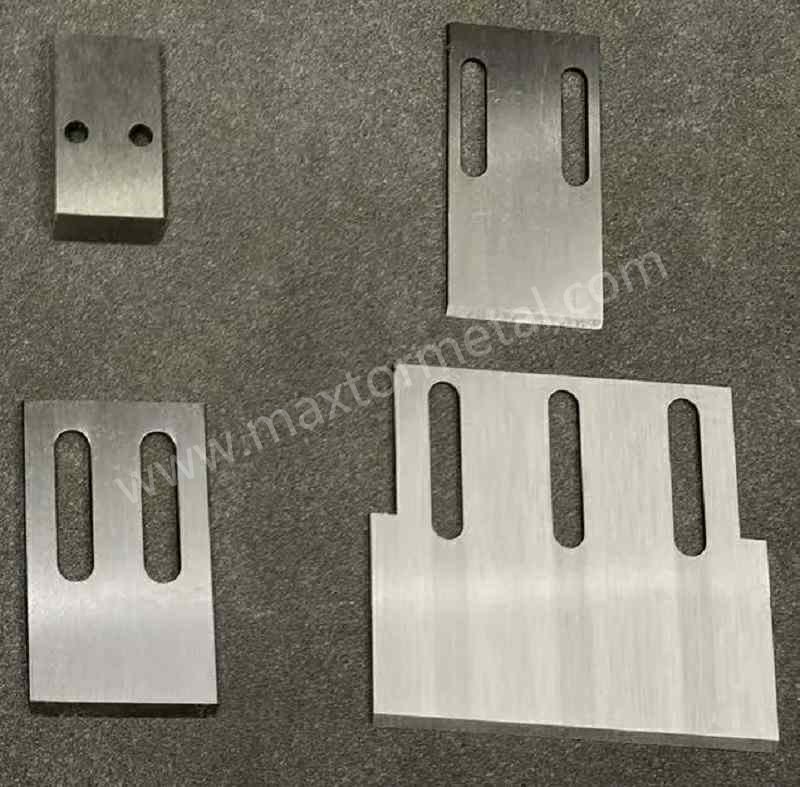
Giới thiệu Sợi thủy tinh biến hỗn hợp polyolefin thông thường thành một hỗn hợp mài mòn. Mỗi sợi cắt nhỏ hoạt động như một dũa siêu nhỏ, đẩy nhanh quá trình làm tròn cạnh trên lưỡi dao và tạo ra các rãnh mờ trên bề mặt khuôn. Kết quả là gì? Lượng vụn và phần đuôi tăng lên, độ rung tăng và việc thay lưỡi dao hoặc mài lại thường xuyên hơn. Trong quá trình tạo hạt PP/PE bằng phương pháp đặt trên khuôn/vòng nước (dưới nước) với […]
Kéo dài tuổi thọ dao máy cắt hạt nhựa: Các bước bảo trì giúp giảm thời gian dừng máy
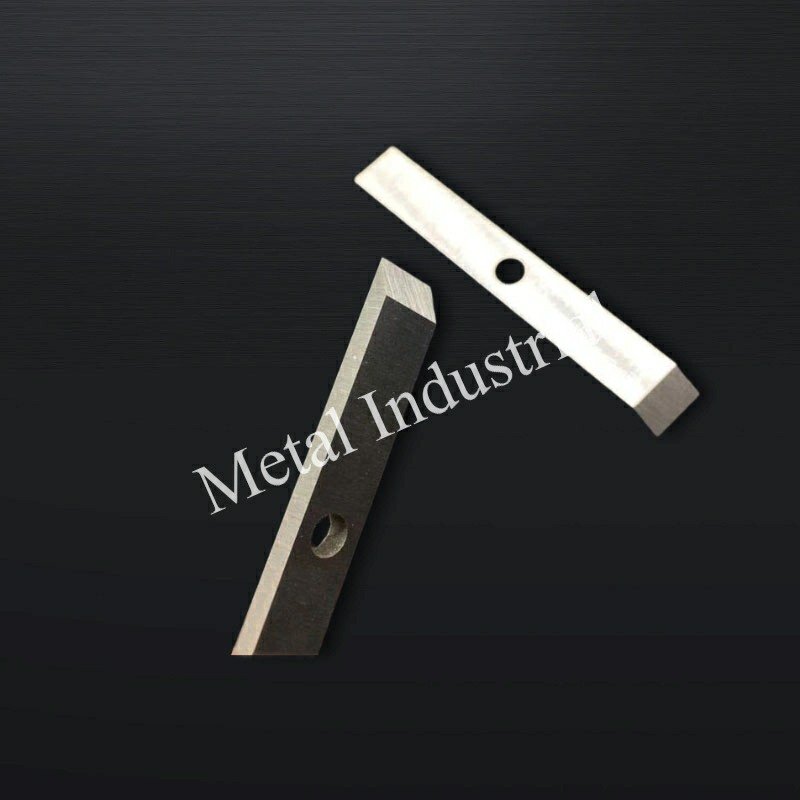
Tác giả: Tommy Tang, Kỹ sư Bán hàng Cấp cao (Nanjing METAL). 12 năm kinh nghiệm hỗ trợ các ứng dụng dao cắt hạt nhựa và dao băm giảm kích thước. Chứng chỉ: CSE, CME, Six Sigma Green Belt, PMP. Phạm vi và lưu ý xác thực: Các phạm vi thông số định lượng trong hướng dẫn này là các điểm khởi đầu điển hình được áp dụng trong thực tế nhà máy. Luôn tuân thủ sổ tay OEM và quy tắc an toàn tại nhà máy trước tiên, sau đó xác nhận lại các thông số cài đặt cuối cùng với […]

 English
  Spanish
  Italian
  French
  Portuguese
  Russian
  German
  Arabic
  Hindi
Hindi  Vietnamese
  Indonesian
  Japanese
  Korean