

त्वरित उत्तर: उच्च ग्लास-फाइबर घिसाव के तहत पेलेटाइजिंग ब्लेड के लिए, पाउडर मेटलर्जी स्टेनलेस स्टील पारंपरिक टूल स्टील की तुलना में बेहतर प्रदर्शन करते हैं क्योंकि उनका बारीक, समान कार्बाइड वितरण हाई-अलॉय इनगॉट स्टील्स के टफनेस से समझौता किए बिना माइक्रो-प्लोइंग (micro-ploughing) का प्रतिरोध करता है। M390 और CPM S90V के बीच: जब एब्रेशन लोड मुख्य फेलियर मोड हो (>30% GF, न्यूट्रल पानी), तो CPM S90V चुनें; जब संक्षारण प्रतिरोध, पतली ब्लेड ज्योमेट्री, या मल्टी-रेजिन लचीलापन प्राथमिकता हो, तो M390 चुनें। दोनों को अपने रेटेड HRC और एज ज्योमेट्री तक पहुँचने के लिए क्रायोजेनिक पोस्ट-क्वेंच ट्रीटमेंट और PM-विशिष्ट ग्राइंडिंग प्रोटोकॉल की आवश्यकता होती है।.
पेलेटाइज़र ब्लेड निर्माण के संदर्भ में, पाउडर मेटलर्जी (PM) स्टेनलेस स्टील से तात्पर्य उन स्टील्स से है जो पिघले हुए अलॉय को बारीक पाउडर में एटमाइज करके, फिर गर्मी और दबाव के तहत समेकित करके उत्पादित किए जाते हैं — यह एक ऐसी प्रक्रिया है जो एक समान, बारीक-दानेदार कार्बाइड माइक्रोस्ट्रक्चर का निर्माण करती है जिसे इनगॉट-कास्ट स्टील्स समान अलॉय संरचना पर दोहरा नहीं सकते हैं।.
ऑटोमोटिव, इलेक्ट्रिकल और स्ट्रक्चरल इंजीनियरिंग पार्ट्स में ग्लास-फाइबर-रीइन्फोर्स्ड कंपाउंड्स के बढ़ते उपयोग ने अंडरवाटर और वॉटर-रिंग पेलेटाइजिंग को एक मानक कटिंग स्टेप से एक गंभीर ट्राइबोलॉजिकल टेस्ट में बदल दिया है। शॉर्ट या लॉन्ग ग्लास फाइबर्स (15% से लेकर 50% से अधिक लोडिंग तक) को शामिल करने से पॉलियामाइड (PA6, PA66), पॉलीप्रोपाइलीन (PP), और पॉलीब्यूटाइलीन टेरेफ्थेलेट (PBT) जैसे थर्मोप्लास्टिक कंपाउंड्स में तन्य शक्ति (tensile strength) और हीट डिफ्लेक्शन में नाटकीय रूप से सुधार होता है। हालांकि, यही सूक्ष्म ग्लास फिलामेंट्स रोटेटिंग डाई-फेस नाइव्स के खिलाफ अत्यधिक अपघर्षक मिनरल कटर के रूप में कार्य करते हैं। निरंतर गीली कटिंग स्थितियों के तहत, ब्लेड एज रिटेंशन और संक्षारण नियंत्रण को बनाए रखना आधुनिक एक्सट्रूज़न और कंपाउंडिंग प्लांटों के लिए एक महत्वपूर्ण सफलता कारक बन जाता है।.
प्रोसेस और इक्विपमेंट मैनेजरों को प्रोडक्शन फ्लोर पर एक बढ़ते परिचालन समझौते (operational trade-off) का सामना करना पड़ता है। पारंपरिक ब्लेड स्टील्स—जैसे कि AISI D2, 440C, और M2 हाई-स्पीड स्टील—ग्लास-फाइबर एब्रेशन के तहत अपनी तेज कटिंग एज को तेजी से खो देते हैं। जैसे ही नाइफ एज कुंद होती है, मैकेनिकल कटिंग मैकेनिज्म क्लीन शियर से अराजक इम्पैक्ट टियरिंग में बदल जाता है। शार्पनेस की यह कमी पाउडर और फाइन्स के उत्पादन को बढ़ाती है, एंजेल हेयर स्ट्रिंगिंग को बढ़ाती है, अनियमित डबलेट या चेन पेलेट्स का कारण बनती है, और नाइफ रिप्लेसमेंट और रीग्राइंडिंग के लिए बार-बार चेंजओवर डाउनटाइम को मजबूर करती है। इन हाई-थ्रूपुट कंपाउंडिंग लाइनों में, समय से पहले ब्लेड का घिसना सीधे तौर पर समग्र उपकरण प्रभावशीलता (OEE) को कम करता है और तैयार रेजिन की प्रति टन कुल लागत को बढ़ाता है।.
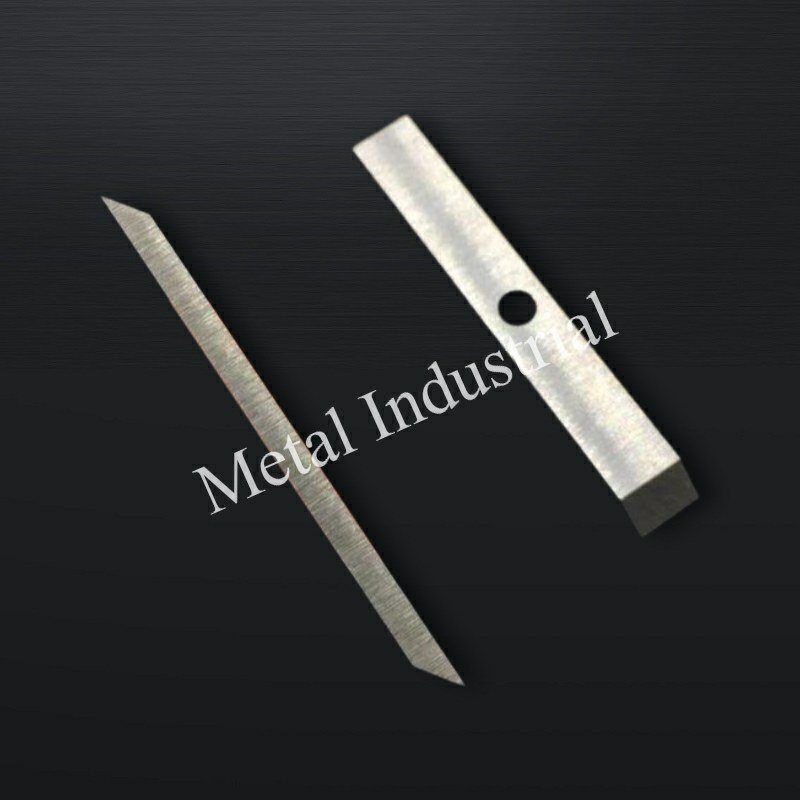
Böhler M390 Microclean और Crucible CPM S90V जैसे पाउडर मेटलर्जी (PM) स्टेनलेस स्टील्स इस दुविधा का एक वैज्ञानिक समाधान प्रदान करते हैं। उन्नत पाउडर गैस एटमाइजेशन और हॉट आइसोस्टैटिक प्रेसिंग के माध्यम से निर्मित, ये प्रीमियम PM ग्रेड उच्च ग्लास-फाइबर लोड के लिए आवश्यक अत्यधिक एब्रैसिव वियर रेजिस्टेंस को गीली कटिंग स्थितियों द्वारा आवश्यक उच्च संक्षारण प्रतिरोध के साथ संतुलित करते हैं। PM स्टेनलेस पेलेटाइज़र ब्लेड के लिए Maxtor Metal की प्रिसिजन ग्राइंडिंग और QC प्रक्रिया अलॉय केमिस्ट्री को स्थिर नाइफ-टू-डाई संपर्क और दोहराए जाने योग्य पेलेट आयामों में अनुवादित करने के इर्द-गिर्द बनाई गई है — रिलीज से पहले ड्राइंग टॉलरेंस के अनुसार फ्लैटनेस, रनआउट और एज ज्योमेट्री को सत्यापित किया जाता है।.
यह इंजीनियरिंग-स्तरीय गाइड Böhler M390 और Crucible CPM S90V की प्रत्यक्ष तकनीकी तुलना प्रदान करता है, वास्तविक कंपाउंडिंग सर्विस स्थितियों से जुड़े स्पष्ट चयन तर्क को स्थापित करने के लिए उनकी मेटलर्जी, फेलियर मोड, हीट-ट्रीटमेंट आवश्यकताओं और ग्राइंडिबिलिटी का विश्लेषण करता है।.
पाउडर मेटलर्जी ब्लेड के समीकरण को क्यों बदल देती है
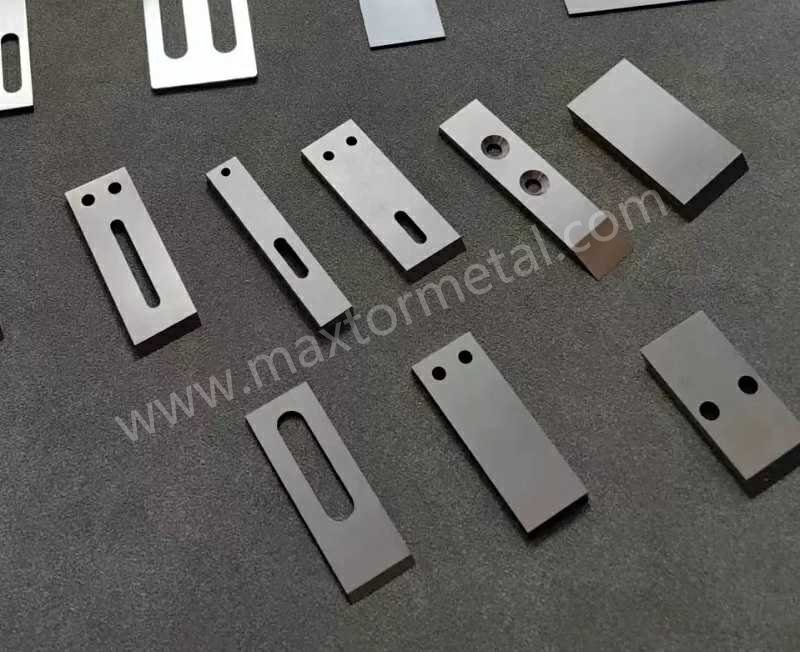
पारंपरिक इनगॉट-कास्ट टूल स्टील्स इनगॉट सॉलिडिफिकेशन के दौरान मोटे, अलग-अलग कार्बाइड नेटवर्क विकसित करते हैं। D2 या 440C जैसे पारंपरिक अलॉय में, प्राथमिक क्रोमियम कार्बाइड बड़े, असमान समूहों में अवक्षेपित होते हैं जो कार्बाइड-रहित मैट्रिक्स क्षेत्रों द्वारा अलग किए जाते हैं। जब इन्हें पतले-सेक्शन वाले पेलेटाइजिंग ब्लेड (अक्सर 1.0 mm से 2.5 mm मोटे) में मशीन किया जाता है, तो ये मोटे कार्बाइड क्लस्टर स्थानीयकृत तनाव सांद्रता और भंगुर माइक्रो-प्लेन बनाते हैं। ग्लास-भरे मेल्ट स्ट्रैंड्स के खिलाफ हाई-स्पीड नाइफ-टू-डाई इम्पैक्ट के तहत, पारंपरिक कास्ट माइक्रोस्ट्रक्चर अक्सर माइक्रो-चिपिंग और तेजी से एज राउंडिंग का अनुभव करते हैं, जिससे बल्क सामग्री के घिसने से बहुत पहले ही कटिंग ज्योमेट्री नष्ट हो जाती है।.
उन डाई-फेस सिस्टम के लिए जहां संक्षारण और एब्रेशन लोड हाई-स्पीड संपर्क गतिशीलता द्वारा जटिल हो जाते हैं, PM स्टेनलेस नाइव्स के लिए सामग्री चयन तर्क Maxtor Metal के गाइड में WC–Co इंसर्ट ग्रेड चयन, ब्रेज़ इंटीग्रिटी, और डाई-फेस संपर्क नियंत्रण — विभिन्न सामग्री परिवार, समान फेलियर-मोड-फर्स्ट डिसीजन ट्री।.
पारंपरिक कास्ट स्टील माइक्रोस्ट्रक्चर:
मोटे क्रोमियम कार्बाइड – → भंगुर माइक्रो-प्लेन – → माइक्रो-चिपिंग और एज ब्लंटिंग
पाउडर मेटलर्जी (PM) माइक्रोस्ट्रक्चर:
बारीक गैस-एटमाइज्ड पाउडर – → HIP कंसोलिडेशन – → समान हार्ड कार्बाइड डिस्पर्शन
पाउडर मेटलर्जी निर्माण इस धातुकर्म व्यवहार को मौलिक रूप से पुनर्गठित करता है। PM प्रक्रिया उच्च दबाव वाली अक्रिय गैस का उपयोग करके पिघली हुई मिश्र धातु की धाराओं को सूक्ष्म, अत्यधिक समान गोलाकार बूंदों में एटमाइज (atomize) करके शुरू होती है। तीव्र शीतलन मिश्र धातु के पृथक्करण (segregation) से पहले प्रत्येक बूंद को ठोस बना देता है। परिणामी धातु पाउडर को हॉट आइसोस्टैटिक प्रेसिंग (HIP) वेसल्स में अत्यधिक गर्मी और दबाव के तहत समेकित किया जाता है, जिसके बाद हॉट वर्किंग की जाती है।.
परिणामी PM स्टेनलेस स्टील में एक परिष्कृत मार्टेंसिटिक मैट्रिक्स में एम्बेडेड कठोर प्राथमिक कार्बाइड का एक अत्यंत सूक्ष्म, समरूप वितरण होता है। ग्लास-फाइबर पेलेटाइजिंग के लिए, यह समान PM माइक्रोस्ट्रक्चर प्रमुख धातुकर्म लाभ प्रदान करता है:
- विलंबित माइक्रो-चिपिंग: मोटे कार्बाइड पृथक्करण की अनुपस्थिति भंगुर क्लीवेज प्लेन को समाप्त करती है, जिससे ब्लेड के पतले किनारे मैकेनिकल डाई संपर्क के तहत चिपिंग का विरोध कर पाते हैं।.
- समान अपघर्षक प्रतिरोध: सूक्ष्म कठोर कार्बाइड (व्यास में 1 से 3 microns) पूरे मैट्रिक्स में घनी रूप से भरे होते हैं, जो सूक्ष्म ग्लास फाइबर को नरम मैट्रिक्स धातु को खुरचने से रोकते हैं।.
- उत्कृष्ट ब्लेड-टू-ब्लेड निरंतरता: बैच-टू-बल्क धातुकर्म एकरूपता अनुमानित घिसाव दरों को सुनिश्चित करती है, जिससे मल्टी-ब्लेड कटर हब असेंबली में ब्लेड की समय से पहले विफलता समाप्त हो जाती है।.
धातुकर्म संरचना पर एक नज़र
हालांकि Böhler M390 और Crucible CPM S90V दोनों ही उच्च प्रदर्शन वाले PM स्टेनलेस स्टील परिवार से संबंधित हैं, उनके रासायनिक फॉर्मूलेशन को स्पष्ट रूप से अलग-अलग धातुकर्म प्राथमिकताओं के लिए अनुकूलित किया गया है।.
- बोहलर M390 माइक्रोक्लीन में लगभग 1.90% कार्बन, 20.00% क्रोमियम, 4.00% वैनेडियम, 1.00% मोलिब्डेनम और 0.60% टंगस्टन होता है। उच्च क्रोमियम सामग्री यह सुनिश्चित करती है कि प्राथमिक क्रोमियम कार्बाइड बनने के बाद, धातु मैट्रिक्स में पर्याप्त क्रोमियम घुला रहे (आमतौर पर 14.5% से 15.5% घुलनशील Cr) ताकि एक मजबूत, स्व-उपचार क्रोमियम ऑक्साइड पैसिवेशन परत बन सके। यह M390 को उत्कृष्ट घिसाव सुरक्षा के साथ-साथ शीर्ष स्तर का संक्षारण प्रतिरोध प्रदान करता है।.
- क्रूसिबल CPM S90V (पूर्व में CPM 420V) में लगभग 2.30% कार्बन, 14.00% क्रोमियम, 9.00% वैनेडियम और 1.00% मोलिब्डेनम होता है। M390 की तुलना में वैनेडियम की सांद्रता को लगभग दोगुना करके, S90V अत्यधिक कठोर वैनेडियम मोनोकार्बाइड (MC कार्बाइड) का एक उच्च वॉल्यूम अंश (लगभग 14 vol%) अवक्षेपित करता है। ये वैनेडियम कार्बाइड ~2,800 HV (Vickers) की कठोरता तक पहुँचते हैं, जो खनिज घर्षण का विरोध करने में क्रोमियम कार्बाइड (~1,800 HV) से बेहतर प्रदर्शन करते हैं।.
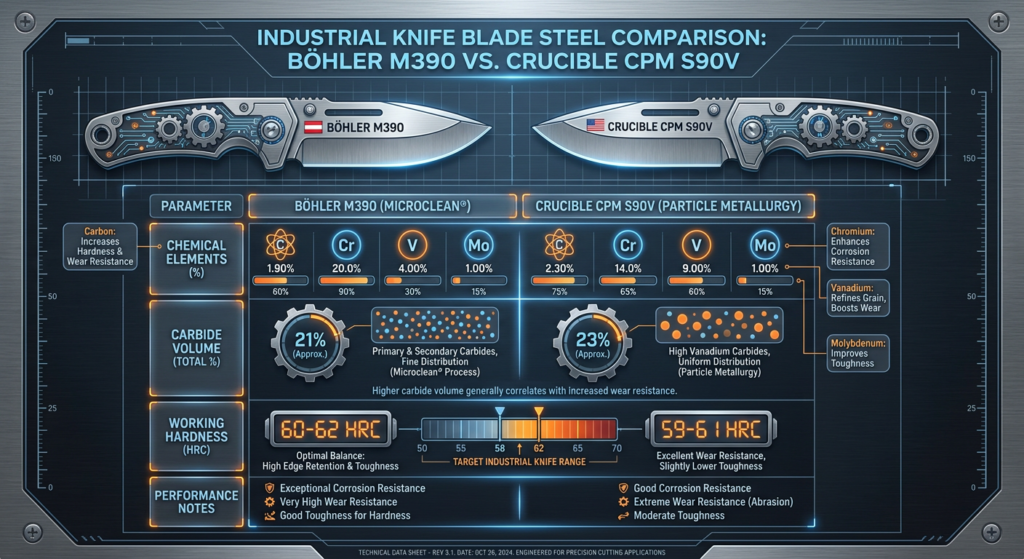
नीचे दी गई रासायनिक संरचना और चरण संरचना की तुलना यह दर्शाती है कि प्रत्येक ग्रेड अपने सख्त करने वाले तत्वों को कैसे आवंटित करता है:
| धातुकर्म पैरामीटर | बोहलर M390 माइक्रोक्लीन | क्रूसिबल CPM S90V | ब्लेड सेवा पर धातुकर्म प्रभाव |
|---|---|---|---|
| कार्बन (C) | 1.90% | 2.30% | मैट्रिक्स कठोरता प्रदान करता है और प्राथमिक कार्बाइड अवक्षेपण को संचालित करता है।. |
| क्रोमियम (Cr) | 20.00% | 14.00% | M390 गीले/अम्लीय संक्षारण प्रतिरोध के लिए उच्च पैसिवेटिंग मैट्रिक्स Cr प्रदान करता है।. |
| वैनेडियम (V) | 4.00% | 9.00% | S90V अत्यधिक घर्षण जीवन के लिए सघन MC वैनेडियम कार्बाइड (~2,800 HV) उत्पन्न करता है।. |
| मोलिब्डेनम (Mo) | 1.00% | 1.00% | हार्डनेबिलिटी को बढ़ाता है और क्लोराइड युक्त प्रक्रिया जल में पिटिंग का प्रतिरोध करता है।. |
| सिलिकॉन / मैंगनीज (Si/Mn) | 0.70% / 0.30% | 0.40% / 0.40% | डीऑक्सीडाइज़र और मैट्रिक्स सॉलिड-सॉल्यूशन स्ट्रेंथनर।. |
| कार्बाइड प्रकार और वॉल्यूम | ~17% कुल (Cr-समृद्ध M7C3/M23C6 + V-समृद्ध MC) | ~19% कुल (प्रमुख V-समृद्ध MC मोनोकार्बाइड) | S90V उच्च अपघर्षक खरोंच प्रतिरोध प्रदान करता है; M390 उच्च मैट्रिक्स संक्षारण सुरक्षा प्रदान करता है।. |
| मैट्रिक्स घुलनशील Cr | ~14.5% – 15.5% | ~10.5% – 11.5% | Soluble chromium above 12% guarantees passive film recovery in wet pelletizing. |
| Working Hardness Range | 58 – 62 एचआरसी | 58 – 62 एचआरसी | Balanced hardness prevents plastic edge rolling while preserving impact toughness. |
संक्षेप में: powder metallurgy refines carbide size and distribution to a scale that ingot casting cannot achieve — and in glass-fiber service, that microstructural difference is what separates a blade that lasts a shift from one that lasts a week.
ग्लास-फाइबर सर्विस में वियर और कोरोजन फेलियर मोड
To select between M390 and CPM S90V, plant engineers must analyze how cutting knife edges deteriorate during high-speed pelletizing of glass-filled polymers. In underwater and water-ring die-face pelletizers, blade failure is rarely a single isolated mechanism; rather, it results from synergistic mechanical and chemical degradation pathways.
Glass-Fiber Compounding Strand
Mechanical Wear Mechanism Chemical Wear Mechanism
- Micro-ploughing by GF + – Acidic water attack
- Micro-chipping at edge – Pitting in micro-cracks Synergistic Edge Loss & Blunting Pellet Defect Spike (Fines, Strings, Doublets)
1. Mechanical Abrasive Micro-Ploughing and Edge Rounding
Glass fibers possess a Mohs hardness of approximately 6.5 (equivalent to ~55–60 HRC or >800 HV). As polymer melt strands exit the die plate orifices at temperatures between 200°C and 330°C, rigid glass filaments project from the molten polymer core. Rotating at 1,000 to 4,500 RPM, the pelletizing blade edge strikes these projecting fibers thousands of times per minute. The microscopic fibers act as tiny gouging tools, driving micro-ploughing and localized abrasive scratching across the primary bevel and cutting land. Over time, this mechanical action rounds the keen edge radius from an optimal 25 microns, blunting the blade.
2. Corrosion-Assisted Wear in Water Loops
Underwater pelletizing systems circulate tempered water (typically 40°C to 90°C) to cool pellets and transport them to centrifugal dryers. However, process water loops frequently accumulate dissolved mineral salts, acidic additives, flame retardants, or residual monomer byproducts. In water-ring and underwater cutting housings, sustained moisture exposure combined with elevated temperature creates a corrosion-assisted wear environment. Standard non-stainless tool steels suffer rapid micro-pitting along the cutting line. Abrasive glass fibers then shear away the weakened, corroded micro-layers, accelerating edge deterioration far faster than dry mechanical wear alone.
3. Direct Impact on Pellet Quality Metrics
When blade edges lose sharpness due to combined wear and corrosion, the clean shearing action against the die face fails. This manifests in distinct pellet defect types:
- Fines and Dust Generation: Blunt knives crush and shatter polymer strands instead of cutting them cleanly, generating micro-particles that clog classifier screens and create dust hazards.
- Angel Hair and Tail Strings: Incomplete cutting allows ductile polymer filaments to stretch before tearing, creating fine stringers that entangle downstream equipment.
- Doublets, Triplets, and Chain Pellets: Uneven knife wear or lost knife-to-die contact pressure permits melt streams from adjacent die holes to fuse together before separation.
संक्षेप में: glass-fiber wear is never just abrasion — the combination of micro-ploughing, corrosion film breakdown, and water-loop chemistry means that steel selection and process control have to address all three mechanisms simultaneously.
M390 और CPM S90V की आमने-सामने तुलना
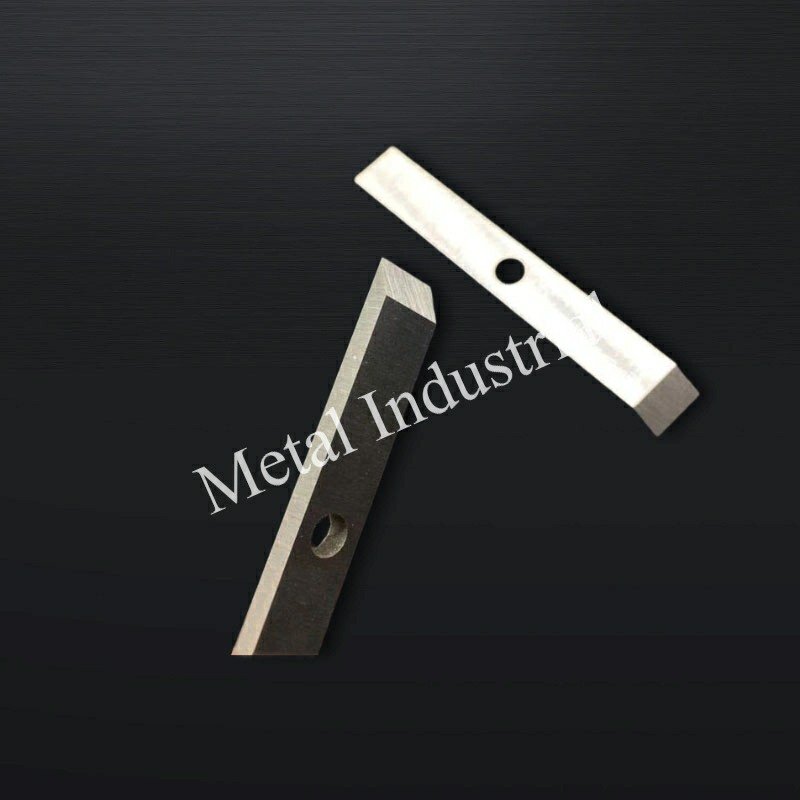
Both Böhler M390 and Crucible CPM S90V are engineered to overcome the limitations of conventional tool steels, but their distinct metallurgical profiles make each alloy superior in specific operational environments.
Performance Comparison Vectors:
Abrasive Wear Resistance (CATRA): [ CPM S90V ] >>>> [ M390 ] >> [ D2 / 440C ]
Corrosion Resistance (Passivation):[ M390 ] >>>> [ CPM S90V ] >> [ M2 / D2 ]
Edge Grindability & Thin Geometry: [ M390 ] >> [ CPM S90V ]
Edge Retention and Abrasive Wear Resistance
In standardized CATRA (Cutlery and Allied Trades Research Association) edge retention testing and dry sand/rubber wheel abrasion resistance evaluations according to ASTM G65 standards—which measure volume loss under aggressive mineral abrasion—CPM S90V consistently outperforms virtually all other stainless PM grades on the market. S90V’s ~9% vanadium content generates a 14 vol% concentration of hard MC monocarbides (~2,800 HV). These vanadium carbides are significantly harder than glass fibers (~800 HV) and chromium carbides (~1,800 HV). In high-throughput lines cutting resins filled with 30% to 50% glass fiber, CPM S90V resists abrasive gouging, holding a sharp cutting edge up to 1.5x to 2x longer than M390.
Corrosion Resistance and Toughness
While CPM S90V leads in pure abrasion resistance, Böhler M390 excels in aggressive chemical environments. With 20% total chromium, M390 retains approximately 14.5% to 15.5% soluble chromium in its matrix after heat treatment, comfortably exceeding the ~12% matrix chromium threshold widely cited in stainless steel corrosion literature as the minimum for reliable passive film recovery (see ASM Handbook Vol.13A, Aqueous Corrosion of Stainless Steels).
By contrast, CPM S90V retains ~10.5% to 11.5% soluble chromium, as much of its chromium is tied up in carbides or consumed during high-temperature tempering. In closed-loop water systems with high conductivity, acidic additives, or halogenated flame retardants, M390 maintains a pristine, un-pitted matrix that prevents corrosion-assisted micro-flaking. Furthermore, M390 offers slightly higher impact toughness and ductility in thin blade sections, reducing the risk of catastrophic snapping.
Heat Treatment and Cryogenic Processing
Both alloys achieve peak performance within a working hardness window of 58 to 62 HRC, but their optimal heat-treatment cycles and operational parameters differ:
- M390 Heat Treatment & Processing Window:
- Austenitizing: 1,150°C to 1,170°C (hold time: 20–30 min under vacuum protection).
- शमन: Rapid high-pressure N2 gas quenching (>5 bar) down to below 50°C.
- Cryogenic Freeze: Deep freeze at -70°C to -196°C for a minimum of 2 hours immediately after quenching (within 1 hour) to eliminate retained austenite and promote fine secondary carbide precipitation.
- टेम्परिंग: Double temper at 200°C to 250°C for 2 hours per cycle (for maximum passivating corrosion resistance) or 490°C to 520°C (for secondary hardening).
- CPM S90V Heat Treatment & Processing Window:
- Austenitizing: 1,135°C to 1,160°C (hold time: 15–20 min under vacuum).
- Cryogenic Freeze: Liquid nitrogen cryogenic treatment (-196°C for 3 to 4 hours) is mandatory to transform recalcitrant retained austenite into martensite.
- टेम्परिंग: 59–61 HRC बनाए रखते हुए संक्षारण प्रतिरोध और मजबूती को अधिकतम करने के लिए प्रति चक्र 2 घंटे के लिए 200°C से 204°C पर डबल टेम्परिंग।.
- ग्राइंडिंग और एज-एंगेज रणनीति:
- व्हील चयन: रेजिन या विट्रियस बॉन्ड वाले CBN (cubic boron nitride) व्हील्स का उपयोग करें (रफिंग के लिए 120–180 मेश, फिनिश ग्राइंडिंग के लिए 400+ मेश)।.
- फीड दरें: थर्मल सतह माइक्रो-क्रैकिंग को रोकने के लिए भारी सिंथेटिक फ्लड कूलेंट (>8% सांद्रता) के साथ कट की उथली गहराई (ap ≤ 0.005 mm/pass) बनाए रखें।.
- ऑपरेटिंग विंडो: स्टार्ट-अप के दौरान एज चैटर को रोकने के लिए, 0.02 mm–0.05 mm का एज ब्रेक-इन एंगेजमेंट प्राप्त करने के लिए हाइड्रोलिक टेंशनिंग के तहत प्रारंभिक नाइफ-टू-डाई संपर्क दबाव सेट करें।.
Maxtor Metal सेक्शन की मोटाई और लक्षित HRC रेंज के आधार पर M390 और CPM S90V नाइफ ब्लैंक्स के लिए हीट ट्रीटमेंट पैरामीटर निर्दिष्ट करता है — एज ग्राइंडिंग से पहले पूर्ण सेकेंडरी हार्डनिंग सुनिश्चित करने के लिए CPM S90V के लिए क्रायोजेनिक ट्रीटमेंट को एक मानक चरण के रूप में शामिल किया गया है।.
पतले ब्लेडों में ग्राइंडिबिलिटी और एज ज्योमेट्री
0 mm से पतले पेलेटाइजिंग नाइफ में, विनिर्माण सटीकता सर्वोपरि है। चूंकि CPM S90V सघन, अत्यधिक कठोर वैनेडियम मोनोकार्बाइड से भरा होता है, इसलिए इसे ग्राइंड करना बेहद कठिन होता है। इसके लिए सुपर-एब्रेसिव क्यूबिक बोरॉन नाइट्राइड (CBN) या डायमंड ग्राइंडिंग व्हील्स की आवश्यकता होती है, और आक्रामक ग्राइंडिंग से पतले ब्लेड के किनारों पर आसानी से थर्मल माइक्रो-क्रैक आ सकते हैं। Böhler M390, जिसमें वैनेडियम कार्बाइड का कम वॉल्यूम अंश होता है, उल्लेखनीय रूप से बेहतर ग्राइंडिबिलिटी प्रदर्शित करता है। यह नाइफ निर्माताओं को थर्मल डिग्रेडेशन के बिना अधिक तीक्ष्ण प्रारंभिक एज रेडियस, चिकनी प्राइमरी बेवल सरफेस फिनिश (Ra < 0.2 µm), और सख्त मोटाई सहनशीलता प्राप्त करने की अनुमति देता है।.
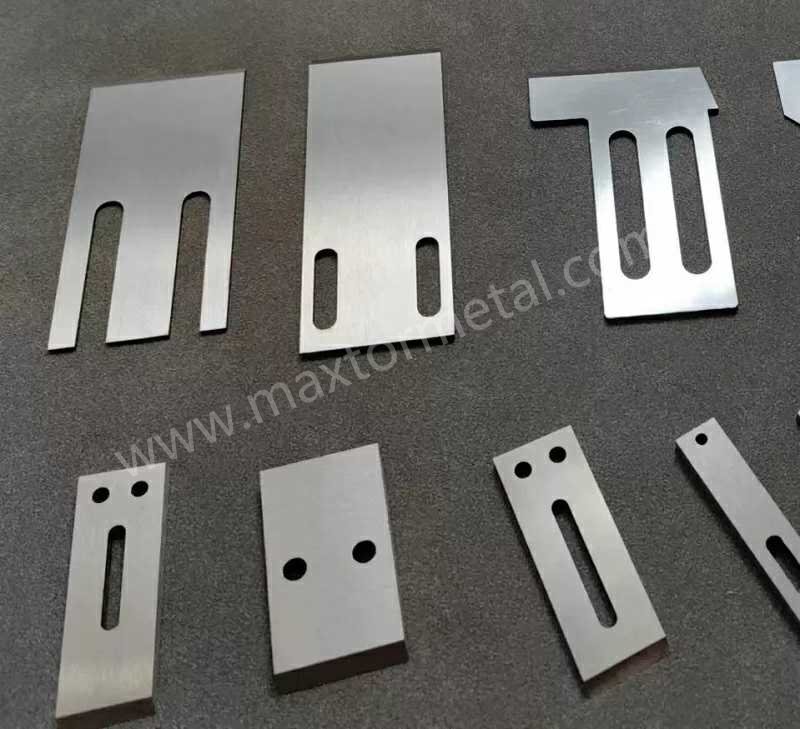
PM स्टेनलेस पेलेटाइज़र ब्लेड के लिए Maxtor Metal की ग्राइंडिंग प्रक्रिया में, कटिंग एज पर थर्मल क्षति को रोकने के लिए व्हील चयन और कूलेंट प्रवाह को ब्लेड ज्योमेट्री और अलॉय ग्रेड से मिलाया जाता है — जो इंस्टॉलेशन के बाद माइक्रो-चिपिंग का सबसे आम स्रोत है।.
संक्षेप में: CPM S90V अपनी वैनेडियम कार्बाइड डेंसिटी के कारण एब्रेसिव वियर रेजिस्टेंस के मामले में बेहतर है; M390 अपने उच्च मैट्रिक्स क्रोमियम के कारण संक्षारण प्रतिरोध और ग्राइंडिबिलिटी के मामले में बेहतर है — यह चुनाव इस बात पर निर्भर करता है कि आपकी लाइन में विफलता का कौन सा कारण मुख्य है।.
TPU या EVA जैसे चिपचिपे पॉलिमर को प्रोसेस करने वाली लाइनों के लिए — जहां ब्लेड की सतह पर चिपकने से संक्षारण और घिसाव की समस्या बढ़ जाती है — कोटिंग चयन (DLC बनाम PTFE) और सबस्ट्रेट स्टील चयन के बीच की परस्पर क्रिया को हमारे इस गाइड में शामिल किया गया है: TPU अंडरवाटर पेलेटाइजिंग के लिए नाइफ गमिंग को रोकना और कोटिंग का चयन.
अपनी ऑपरेटिंग स्थितियों के लिए सही स्टील का चयन करना
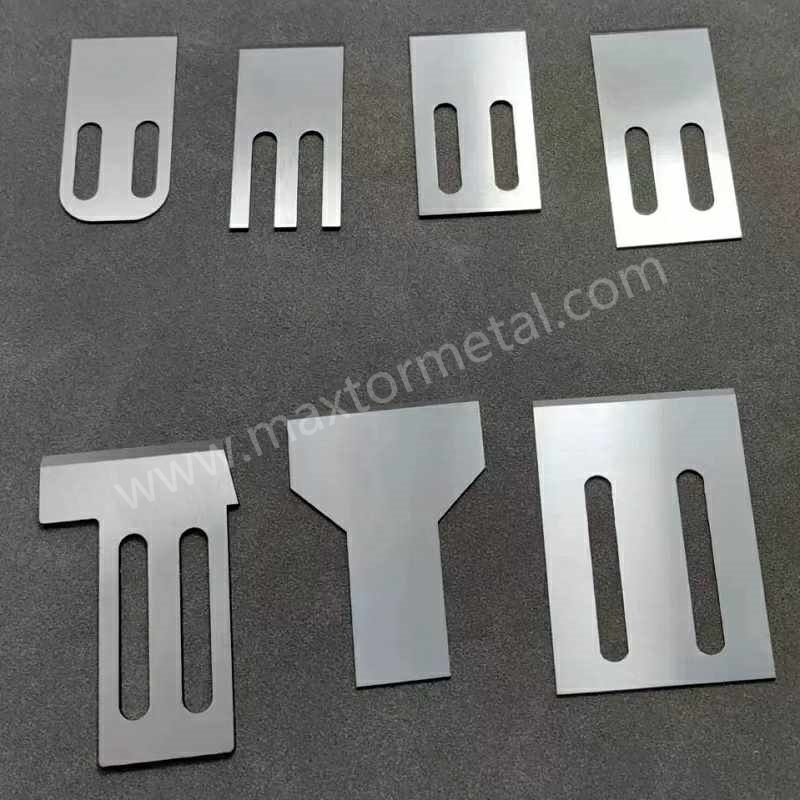
ग्लास-फाइबर कंपाउंडिंग लाइनों के लिए PM स्टेनलेस ग्रेड निर्दिष्ट करते समय Maxtor Metal द्वारा उपयोग किए जाने वाले चयन मानदंड तीन चरों पर निर्भर करते हैं: ग्लास-फाइबर लोडिंग (घिसाव की गंभीरता निर्धारित करता है), वॉटर-लूप केमिस्ट्री (संक्षारण जोखिम निर्धारित करता है), और ब्लेड सेक्शन ज्योमेट्री (ग्राइंडिबिलिटी बाधाओं को निर्धारित करता है)।.
M390 और CPM S90V के बीच चयन करने के लिए चार मुख्य प्रक्रिया चरों का मूल्यांकन करना आवश्यक है: ग्लास-फाइबर फिलर प्रतिशत, वॉटर केमिस्ट्री की आक्रामकता, ब्लेड सेक्शन ज्योमेट्री, और प्लांट डाउनटाइम सहनशीलता।.
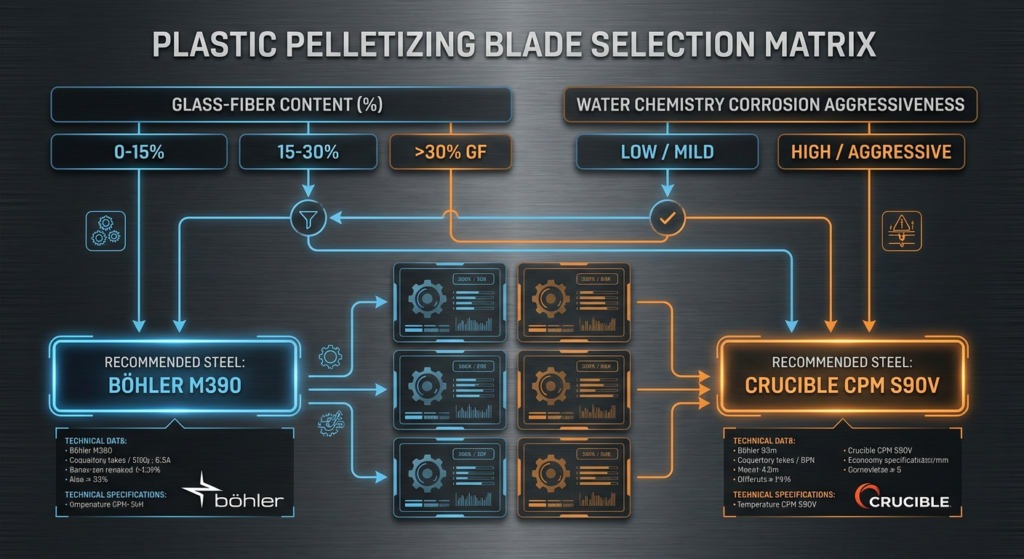
अपनी कंपाउंडिंग लाइन के साथ स्टील केमिस्ट्री का मिलान करने के लिए निम्नलिखित परिचालन चयन ढांचे का उपयोग करें:
चरण 1: ग्लास-फाइबर (GF) लोडिंग की जांच करें
GF लोडिंग > 30% → चरण 2 पर जाएं (वॉटर केमिस्ट्री की जांच करें)
GF लोडिंग ≤ 30% → Böhler M390 चुनें (मजबूती और ग्राइंडिबिलिटी का इष्टतम संतुलन)
चरण 2: वॉटर केमिस्ट्री और एडिटिव आक्रामकता की जांच करें
कम/तटस्थ संक्षारण (साफ पानी, मानक PA/PP-GF) → CPM S90V चुनें (अधिकतम एज लाइफ)
उच्च संक्षारण (गंदा लूप, एसिड/फ्लेम रिटार्डेंट) → Böhler M390 चुनें (संक्षारण-सहायता प्राप्त घिसाव सुरक्षा)
चरण 3: ब्लेड ज्योमेट्री और सेक्शन की मोटाई की जांच करें
ब्लेड की मोटाई < 1.5 mm → M390 को प्राथमिकता दें (उच्च मजबूती और सटीक ग्राइंडिबिलिटी)
ब्लेड की मोटाई ≥ 2.0 mm → CPM S90V या M390 (चरण 1 और 2 के आधार पर)
जब घिसाव प्राथमिकता हो तब CPM S90V का चयन करना
Select क्रूसिबल CPM S90V जब आपके उत्पादन पैरामीटर निम्नलिखित प्रोफाइल से मेल खाते हों:
- उच्च ग्लास फाइबर लोडिंग: >30% शॉर्ट या लॉन्ग ग्लास फाइबर वाले कंपाउंड्स (जैसे, PA66-GF35, PP-GF40, PBT-GF50)।.
- तटस्थ प्रक्रिया जल: नियंत्रित pH (6.5–7.5), कम क्लोराइड स्तर और निरंतर जल निस्पंदन वाले अंडरवाटर कटिंग लूप।.
- मोटे ब्लेड क्रॉस-सेक्शन: 2.0 mm या उससे अधिक मोटाई वाले पेलेटाइजिंग नाइफ, जो S90V के उच्च कार्बाइड वॉल्यूम को सहारा देने के लिए संरचनात्मक कठोरता प्रदान करते हैं।.
- डाउनटाइम-संवेदनशील हाई-थ्रूपुट लाइनें: निरंतर कंपाउंडिंग लाइनें जहां नाइफ बदलने की आवृत्ति को कम करना प्रति टन लागत को कम करने का प्राथमिक कारक है।.
जब संक्षारण या पतली ज्योमेट्री मुख्य हो तब M390 का चयन करना
Select बोहलर M390 माइक्रोक्लीन जब आपके ऑपरेटिंग वातावरण में ये विशेषताएं प्रदर्शित होती हैं:
- मध्यम ग्लास फाइबर / उच्च खनिज लोडिंग: 15% से 30% ग्लास फाइबर, या भारी खनिज/पिगमेंट फिलर्स (TiO2, CaCO3, ऑर्गेनोक्लेज़) वाले कंपाउंड्स।.
- आक्रामक प्रक्रिया जल लूप: उन्नत TDS, अम्लीय pH (<6.0), या प्रतिक्रियाशील रासायनिक एडिटिव्स वाले रीसर्क्युलेटेड वॉटर सिस्टम।.
- पतले-सेक्शन वाली ब्लेड ज्योमेट्री: लचीले या पतले-सेक्शन वाले पेलेटाइजिंग नाइफ (<1.5 mm मोटाई) जिन्हें उच्च प्रभाव मजबूती और सटीक एज ग्राइंडिंग की आवश्यकता होती है।.
- बार-बार रेसिपी परिवर्तन / मास्टरबैच रन: बहु-उद्देशीय कंपाउंडिंग लाइनें जो अक्सर कलर मास्टरबैच, इंजीनियर्ड रेजिन और संक्षारक फॉर्मूलेशन के बीच बदलती रहती हैं।.
संक्षेप में: 30% से अधिक ग्लास-फाइबर लोडिंग और न्यूट्रल वाटर केमिस्ट्री CPM S90V की ओर संकेत करती है; आक्रामक वाटर केमिस्ट्री, पतली ब्लेड ज्यामिति, या बार-बार रेजिन में बदलाव M390 की ओर संकेत करते हैं — और दोनों मान्यताओं को आपके पहले रीग्राइंड चक्र के आधार पर सत्यापित किया जाना चाहिए।.
फैक्ट्री-ग्रेड प्रिसिजन: अपग्रेड को सफल बनाना
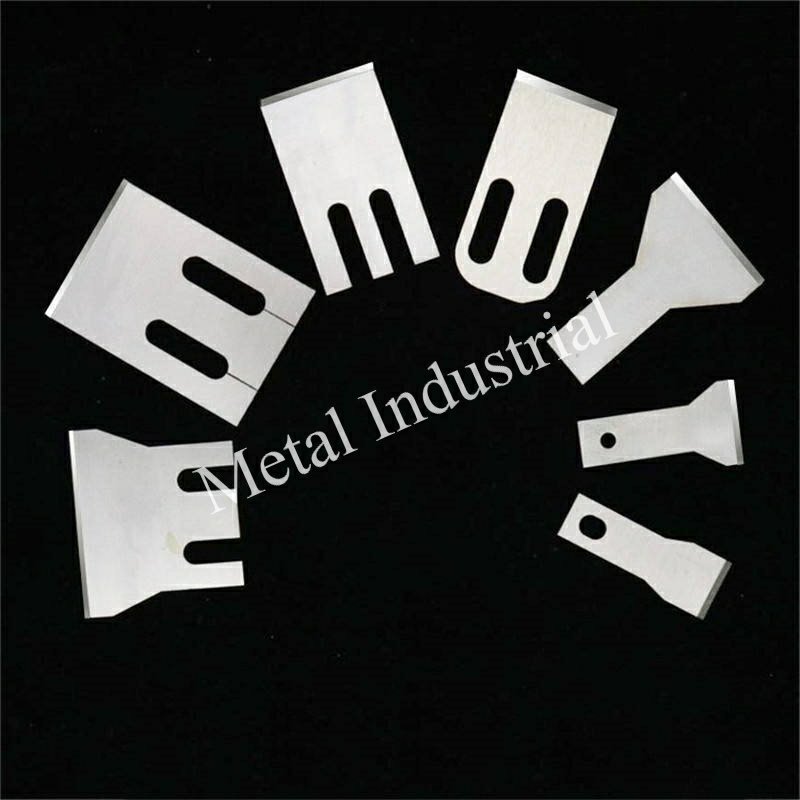
पारंपरिक टूल स्टील से M390 या CPM S90V जैसे प्रीमियम पाउडर मेटलर्जी ग्रेड में अपग्रेड करना कच्चे माल की गुणवत्ता में एक महत्वपूर्ण निवेश है। हालांकि, अकेले मेटलर्जी प्रदर्शन के समीकरण का केवल आधा हिस्सा है। PM स्टील्स का पूर्ण परिचालन मूल्य प्राप्त करने के लिए सटीक चाकू निर्माण, अनुकूलित एज ज्यामिति और कटर-हब के सटीक संरेखण की आवश्यकता होती है।.
अनुचित हीट ट्रीटमेंट, सतह की सूक्ष्म-दरारों, या आयामी विविधताओं के साथ निर्मित होने पर सबसे अधिक घिसाव-प्रतिरोधी CPM S90V या संक्षारण-प्रतिरोधी M390 चाकू भी समय से पहले विफल हो जाएगा। प्रमुख फैक्ट्री-ग्रेड विनिर्माण मानदंडों में शामिल हैं:
- Controlled Cryogenic Heat Treatment: Vacuum heat treatment with deep liquid nitrogen quenching ensures complete conversion of retained austenite, unlocking uniform 58–62 HRC hardness without brittle spots.
- Stress-Free Precision Grinding: Multi-axis CNC grinding using specialized super-abrasive wheels maintains ultra-smooth bevel finishes (Ra < 0.2 µm), preventing grinding burn or micro-fractures that act as stress raisers during operation.
- Uniform Thickness and Flatness Tolerances: Blade-to-blade thickness variation across a cutter hub must remain within ±0.005 mm. Tight tolerances ensure uniform flex and equal contact pressure against the die face, preventing localized die wear and strand skipping.
Partnering with an experienced knife manufacturer ensures these critical metallurgical and geometric requirements are met. Maxtor Metal’s pelletizer knife program for glass-fiber compounding lines covers PM stainless grades (including M390 and CPM S90V equivalents), tight geometric tolerances, and regrind qualification criteria — documented in the release dossier for each blade set.
For the component-level qualification framework that governs how these tolerances are verified before and after installation — runout/TIR acceptance, balance grade per ISO 21940, and QA dossier structure — see our guide on knife block qualification for water-ring pelletizers.
Real-World Field Performance Data
टिप्पणी: This example is constructed from typical field patterns observed in PM stainless blade upgrade programs for glass-fiber compounding; it is not a single customer’s raw inspection record. Results will vary based on glass-fiber loading, fiber length distribution, water-loop chemistry, and heat treatment consistency of the incoming blade blanks.
In a high-throughput compounding facility producing PA66 filled with 35% short glass fiber, field tracking across four multi-week production campaigns evaluated the upgrade from conventional D2 steel blades to custom precision-ground CPM S90V pelletizing blades. Operational parameters were strictly held constant across all test runs: process cooling water was maintained at 60°C ± 2°C with controlled pH (6.8–7.2), cutter hub rotation was locked at 2,200 RPM, and die-face contact was managed via hydraulic auto-tensioning at a constant 0.03 mm initial blade-to-die engagement against a newly ground nickel-matrix carbide die plate.
Statistical tracking across 12 consecutive blade sets demonstrated that CPM S90V extended average active cutting service life from 24 operating hours (D2 baseline) to 96+ hours before regrinding was required—a 4x increase in edge life that reduced unscheduled changeover downtime by 75% and lowered fines generation below 0.3% of total throughput.
However, real-world data also revealed batch-to-batch variation: in one production campaign with elevated recycled water conductivity (TDS > 1,200 ppm) and minor temperature spikes, micro-pitting along carbide boundaries caused early edge dulling at 72 hours. Additionally, while initial wear resistance improved fourfold, total allowable regrind cycles per blade averaged 4 to 5 passes compared to 6+ passes for D2, due to the increased dressing depth required to remove micro-fractures on the ultra-hard S90V edge during CBN wheel grinding.
By pairing advanced PM alloys with exact OEM specifications, processors can secure consistent knife-to-die contact, maximize regrind yields, and eliminate premature pellet quality defects in glass-fiber service. Utilizing high-performance custom plastic pelletizer knives and blades engineered for your specific cutter head geometry provides the ultimate bridge between raw material capability and long-term production profitability.
संक्षेप में: PM alloy chemistry only delivers its rated performance when heat treatment, cryogenic processing, and edge grinding are executed to grade-specific protocols — the alloy upgrade and the process discipline have to arrive together.
अक्सर पूछे जाने वाले प्रश्न (एफएक्यू)
Q: ग्लास-फाइबर सामग्री पेलेटाइजिंग ब्लेड (pelletizing blades) के घिसाव की दर (wear rates) को कैसे प्रभावित करती है?
A: ग्लास फाइबर कठोर खनिज अपघर्षक (hard mineral abrasives) के रूप में कार्य करते हैं जो नरम स्टील मेट्रिक्स को खरोंचते हैं। ग्लास-फाइबर लोडिंग को 15% से 40% तक बढ़ाने से पारंपरिक D2 या 440C स्टील्स पर ब्लेड एज का घिसाव 300% से 500% तक बढ़ सकता है। CPM S90V या M390 जैसे पाउडर धातुकर्म (powder metallurgy) ग्रेड में अपग्रेड करने से कठोर वैनेडियम और क्रोमियम कार्बाइड की उच्च सांद्रता के कारण इस घिसाव में कमी आती है।
Q: 30% ग्लास फाइबर के साथ PA66 के अंडरवाटर पेलेटाइजिंग (underwater pelletizing) के लिए CPM S90V या M390 में से कौन सा बेहतर है?
A: यदि आपकी अंडरवाटर वॉटर केमिस्ट्री अच्छी तरह से फ़िल्टर की गई है और तटस्थ (pH 6.5–7.5) है, तो CPM S90V आमतौर पर इसकी उच्च वैनेडियम कार्बाइड सामग्री के कारण बेहतर होता है, जो 30% ग्लास फाइबर के खिलाफ लंबी एज लाइफ प्रदान करता है। हालांकि, यदि आपके वॉटर लूप में घुले हुए एडिटिव्स, फ्लेम रिटार्डेंट्स या एसिडिक कंटैमिनेंट्स शामिल हैं, तो संक्षारण-सहायता प्राप्त एज पिटिंग (edge pitting) को रोकने के लिए M390 को प्राथमिकता दी जाती है।
Q: D2 और 440C जैसे पारंपरिक टूल स्टील ग्लास-फाइबर से भरे प्लास्टिक में जल्दी विफल क्यों हो जाते हैं?
A: पारंपरिक इनगॉट-कास्ट स्टील्स (ingot-cast steels) में बड़े, अलग हुए कार्बाइड क्लस्टर होते हैं जो नरम मैट्रिक्स क्षेत्रों द्वारा अलग किए जाते हैं। ग्लास फाइबर जल्दी से नरम मैट्रिक्स को खरोंचते हैं और भंगुर कार्बाइड क्लस्टर को तोड़ते हैं, जिससे माइक्रो-चिपिंग (micro-chipping) और तेजी से ब्लेड एज का राउंडिंग (edge rounding) होता है। पाउडर धातुकर्म (powder metallurgy) स्टील्स मोटे क्लस्टर्स को खत्म करते हैं, जिससे एक महीन, एकसमान कार्बाइड संरचना मिलती है जो माइक्रो-चिपिंग का विरोध करती है।
Q: पाउडर धातुकर्म स्टेनलेस पेलेटाइज़र नाइफ (PM stainless pelletizer knives) के लिए कौन सी हीट ट्रीटमेंट कठोरता (HRC) इष्टतम है?
A: M390 और CPM S90V पेलेटाइजिंग ब्लेड दोनों के लिए इष्टतम कार्य कठोरता (working hardness) 58 से 62 HRC है। 58 HRC से कम कठोरता एब्रसिव माइक्रो-प्लाउइंग (abrasive micro-ploughing) और एज रोलिंग (edge rolling) के प्रति संवेदनशीलता को बढ़ाती है, जबकि 63 HRC से अधिक कठोरता इम्पैक्ट टफनेस को कम करती है, जिससे कटर हब स्टार्ट-अप के दौरान एज चिपिंग का खतरा बढ़ जाता है।
Q: वॉटर-रिंग सिस्टम (water-ring systems) में संक्षारण-सहायता प्राप्त घिसाव (corrosion-assisted wear) ब्लेड के धुंधलेपन (dulling) को कैसे तेज करता है?
A: वॉटर-रिंग और अंडरवाटर पेलेटाइजर्स में, गर्मी और पॉलिमर ऑफ-गैसिंग के साथ संयुक्त प्रोसेस वॉटर एक हल्का संक्षारक स्नान (corrosive bath) बनाता है। ब्लेड के किनारे सूक्ष्म पिटिंग (microscopic pitting) होती है, जो धात्विक मैट्रिक्स को कमजोर करती है। इसके बाद अपघर्षक ग्लास फाइबर आसानी से संक्षारित धातु को हटा देते हैं, जिससे केवल सूखे यांत्रिक घिसाव की तुलना में ब्लेड बहुत तेजी से सुस्त (blunt) हो जाता है।
Q: क्या M390 पेलेटाइजिंग ब्लेड (pelletizing blades) को पारंपरिक टूल स्टील्स की तरह आसानी से रीग्राइंड (reground) किया जा सकता है?
A: M390 को मानक CBN (cubic boron nitride) या उच्च-ग्रेड सिरेमिक ग्राइंडिंग व्हील्स का उपयोग करके रीग्राइंड किया जा सकता है, हालांकि गर्मी के निर्माण से बचने के लिए इसे हल्की पास गहराई (pass depths) और उचित कूलेंट प्रवाह (coolant flow) की आवश्यकता होती है। हालांकि पारंपरिक D2 की तुलना में ग्राइंड करना कठिन है, फिर भी M390 अपने निचले वैनेडियम कार्बाइड वॉल्यूम अंश के कारण CPM S90V की तुलना में रीग्राइंड करने में काफी आसान है।
Q: नाइफ-टू-डाई अलाइनमेंट (knife-to-die alignment) उच्च-वैनेडियम PM स्टील्स में माइक्रो-चिपिंग को कैसे रोकता है?
A: CPM S90V जैसे उच्च-वैनेडियम PM स्टील्स में अत्यधिक घिसाव प्रतिरोध (wear resistance) होता है, लेकिन मानक स्टील्स की तुलना में कम तन्यता (ductility) होती है। यदि कटर हब का अलाइनमेंट असमान है, तो व्यक्तिगत चाकू डाई फेस के खिलाफ विलक्षण प्रभाव भार (eccentric impact loads) का अनुभव करते हैं, जिससे माइक्रो-चिपिंग होती है। सटीक, समानांतर नाइफ-टू-डाई अलाइनमेंट संपर्क दबाव को समान रूप से वितरित करता है, जिससे कठोर कार्बाइड्स प्रभाव क्षति के बिना पॉलिमर स्ट्रैंड्स को सफाई से काट सकते हैं।
Q: PM स्टेनलेस स्टील पेलेटाइज़र ब्लेड में अपग्रेड करने का ROI (रिटर्न ऑन इन्वेस्टमेंट) क्या है?
A: जबकि M390 या CPM S90V जैसे प्रीमियम PM स्टील्स की प्रारंभिक टूलिंग लागत अधिक होती है (आमतौर पर पारंपरिक D2 स्टील की तुलना में 2x से 3x), स्वामित्व की कुल लागत (TCO) काफी कम होती है। उच्च ग्लास-फाइबर कंपाउंडिंग में, विस्तारित ब्लेड जीवन (300%-400% तक लंबा रन टाइम) चेंजओवर डाउनटाइम (downtime) को कम करता है, एंजेल हेयर या जुर्माना (scrap/fines) से स्क्रैप को कम करता है, और बार-बार रीग्राइंडिंग ओवरहेड को कम करता है—जो अक्सर कुछ ही प्रोडक्शन शिफ्टों के भीतर पूर्ण ROI प्रदान करता है।
निष्कर्ष
Glass-fiber abrasion and wet-process corrosion no longer have to dictate short blade changeover cycles, elevated powder rates, and unstable pellet quality in your plant. Traditional ingot-cast steels simply lack the microstructural refinement required to survive high glass-fiber loadings in wet pelletizing housings.
Powder metallurgy stainless steels provide a proven, scientific path to extended blade life:
- क्रूसिबल CPM S90V answers extreme abrasive service with unmatched edge retention, making it the ideal choice for heavy glass-fiber loadings (>30% GF) in neutral water loops.
- बोहलर M390 माइक्रोक्लीन delivers the ultimate balance of corrosion defense, toughness, and precision grindability, excelling in aggressive water chemistries, thin-section blade geometries, and multi-resin masterbatch production.
Matching the correct powder metallurgy grade to your specific glass-fiber loading, water chemistry, and blade geometry is the most reliable strategy to lower cost per ton, minimize fines, and maximize line uptime.
This is the matching framework Maxtor Metal applies when specifying PM grades for glass-fiber pelletizing lines — abrasion first, corrosion second, geometry third, with heat treatment and regrind protocol tied to whichever grade is selected.
लेखक प्रोफ़ाइल
Nancy Wu
Senior Manufacturing Engineer | Production Engineering (PE)
Company: Maxtor Metal
अनुभव: 12+ years of experience specializing in the machining and coating characteristics of common industrial blade materials, including SKD11, D2, M2, H13, powder metallurgy steels, and cemented carbide. Proficient in high-precision CNC grinding programming.
प्रमाणपत्र: SME – CMfgE, PMP, Six Sigma Black Belt, ASM International Certifications

 English
  Spanish
  Italian
  French
  Portuguese
  Russian
  German
  Arabic
  Hindi
Hindi  Vietnamese
  Indonesian
  Japanese
  Korean