
なぜ高負荷材料には CPMペレタイザーナイフ が最適なのか
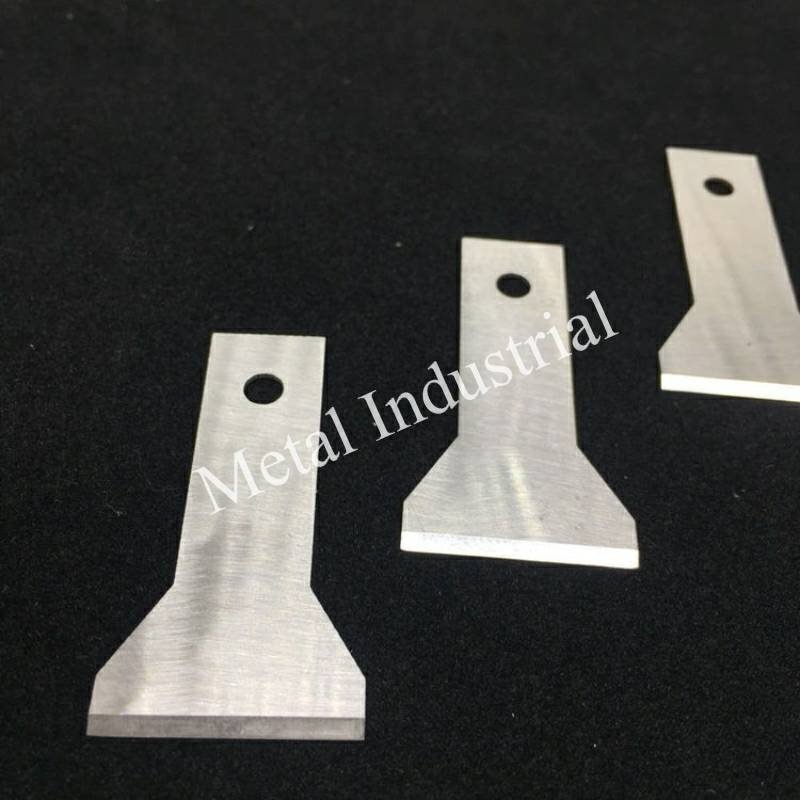
When pelletizing gets tough—abrasive fillers, intermittent impacts, wet chambers, and heat spikes—the wrong pelletizer blade turns your line into a downtime machine. In this context, CPM refers to Crucible Particle Metallurgy, a powder‑metallurgy route that produces fine, uniformly distributed carbides for excellent wear resistance and reliable toughness. Note: CPM is also the well‑known California Pellet Mill brand; in this article, CPM means the steel‑making process and the tool steels derived from it. Key takeaways Failure Modes in High‑Load Pelletizing and What They Tell You Your best material choice falls out of the failure signature. What are you actually seeing on the edge after a run—uniform recession, chips, smear, pits, or […]
高負荷ペレタイザー刃の材質比較:CPM vs D2 vs 超硬 (2026)
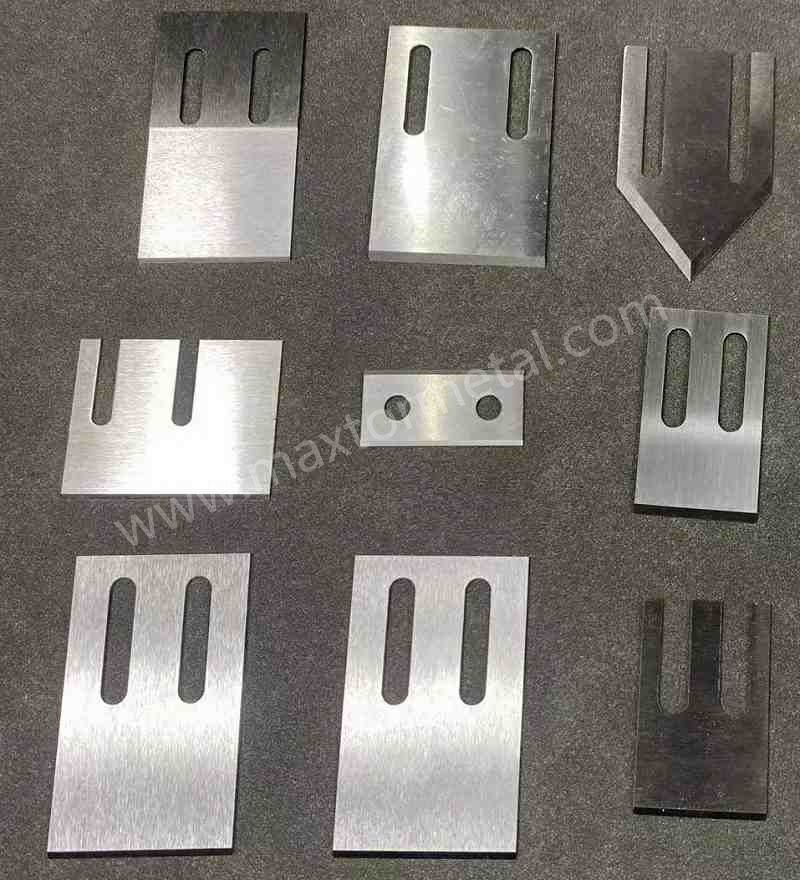
High‑load pelletizing punishes cutting edges with abrasive fillers, intermittent impacts, and heat. There’s no universal winner. If edge chipping is your dominant failure mode, CPM tool steels usually outperform conventional D2 and low‑binder carbides. If pure abrasive wear dominates under steady load, cemented carbide can deliver the longest life and most regrinds. Where heat and thermal softening creep in, CPM M4 or hot‑work steels paired with heat‑resistant coatings make a real difference. Key takeaways Side‑by‑side comparison (indicative — consult datasheets for exact values) Best‑for scenario Material family & example grades Microstructure highlights Typical hardness window Edge chipping resistance Abrasive wear resistance Hot hardness / temper resistance Plastic deformation resistance Regrind […]
超硬合金(タングステンカーバイド)製ペレタイザーナイフ:ベストプラクティスガイド
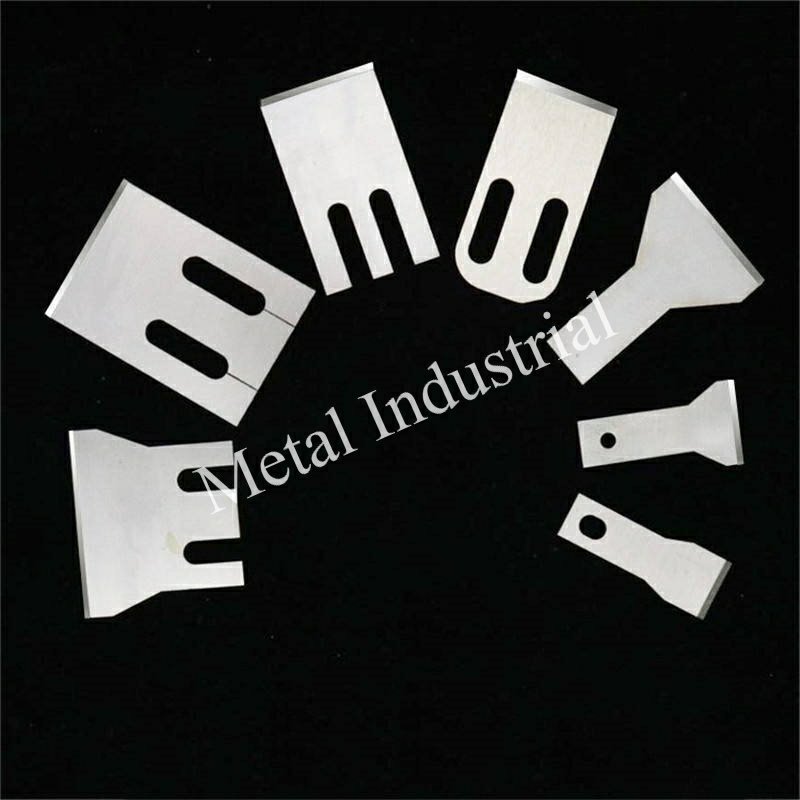
If abrasive-filled compounds keep chewing through your blades, you’re not alone. Between 0–50% glass fiber, talc/CaCO3 fillers, high line-speed shear, and frequent start/stop cycles, edge life collapses—and pellet quality goes with it. Upgrading to tungsten carbide pelletizer knives addresses the core failure modes while stabilizing pellets and trimming unplanned downtime across strand, die-face/underwater, and ring/centrifugal systems. Key takeaways Why Tungsten carbide pelletizer knives matter: the wear you’re really fighting Abrasive mineral fillers (talc, CaCO3) and glass fiber ends act like sandpaper at the cutting interface. At high line speeds, the edge sees three-body abrasion that rounds the cutting radius and elevates fines. Frequent start/stop increases impact loading and thermal cycling, […]
ペレットの連なりを防ぐ:ストランドペレタイザー用ナイフのベストプラクティス
Pellet linking—pellets sticking or fusing together after cutting—wastes time, increases fines, and forces unplanned downtime. In strand pelletizing, the cut must be a clean shear on a fully solidified strand. When knives are dull or mis-set, when runout is present, or when cooling/traction aren’t matched to the polymer, you’ll see smearing, tails, and linked pellets. This guide consolidates field-proven troubleshooting steps, setup ranges, and knife geometry/materials guidance so you can fix linking fast and keep lines stable. Key Takeaways Strand Pelletizer Knives: A Step-by-Step Troubleshooting Workflow Pellet linking has multiple interacting causes. Work the checks in order and document adjustments to your strand pelletizer knives setup. Safety and Symptom Logging […]
「安物買いの銭失い」の理由:プレミアムなロータリースリッターナイフの経済性を解明
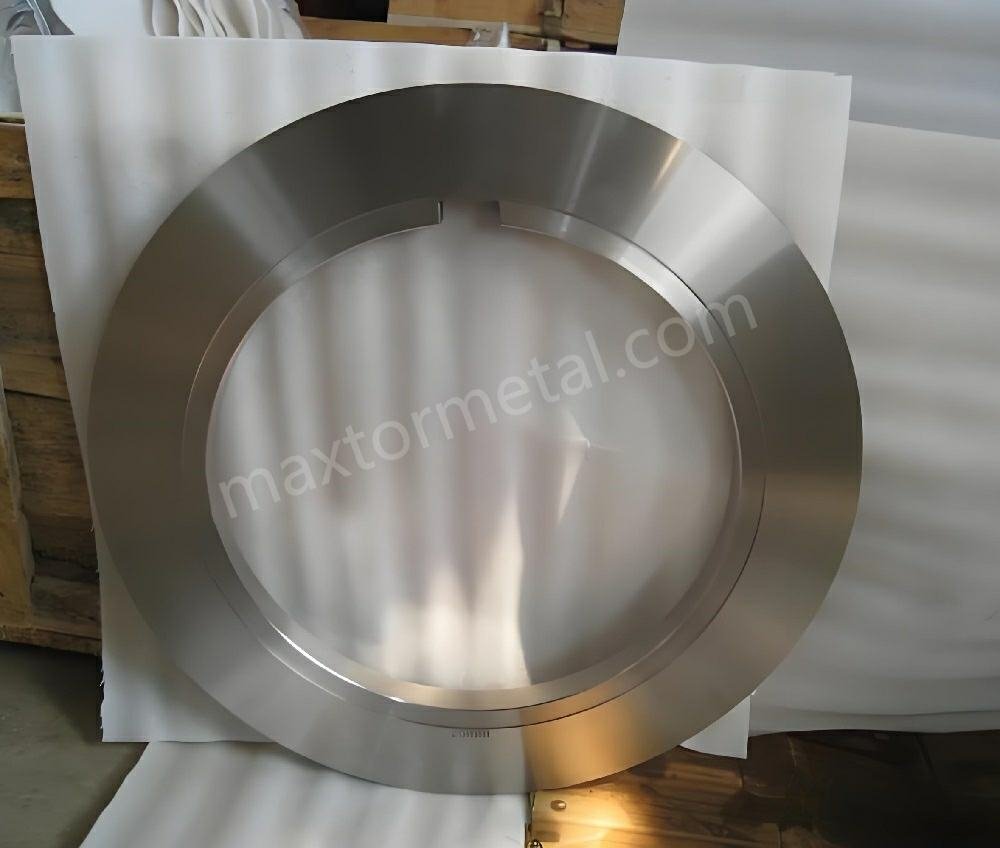
Verdict in 30 seconds: If you’re slitting stainless or high‑strength steels at moderate-to-high speeds—or your downtime costs run above roughly $50,000 per hour—premium Rotary Slitter Knives (HSS/PM‑HSS/Carbide, precision‑ground, coated) win on total cost of ownership. They cut scrap, stretch regrind intervals, and slash changeovers. If you’re a small shop on mild CR/HR steel with downtime under ~$10,000 per hour and conservative speeds, budget D2 or basic HSS can still be the economical choice. Our math anchors on three numbers: A) unplanned downtime $/h, B) total cost per changeover/regrind, and C) savings per 1% scrap‑rate reduction. Key takeaways Cheap vs premium Rotary Slitter Knives: the fast comparison (as of 2026‑01‑20) Below […]
AHSSの課題に挑む:自動車用高張力鋼(ハイテン)向けスリッターナイフの選
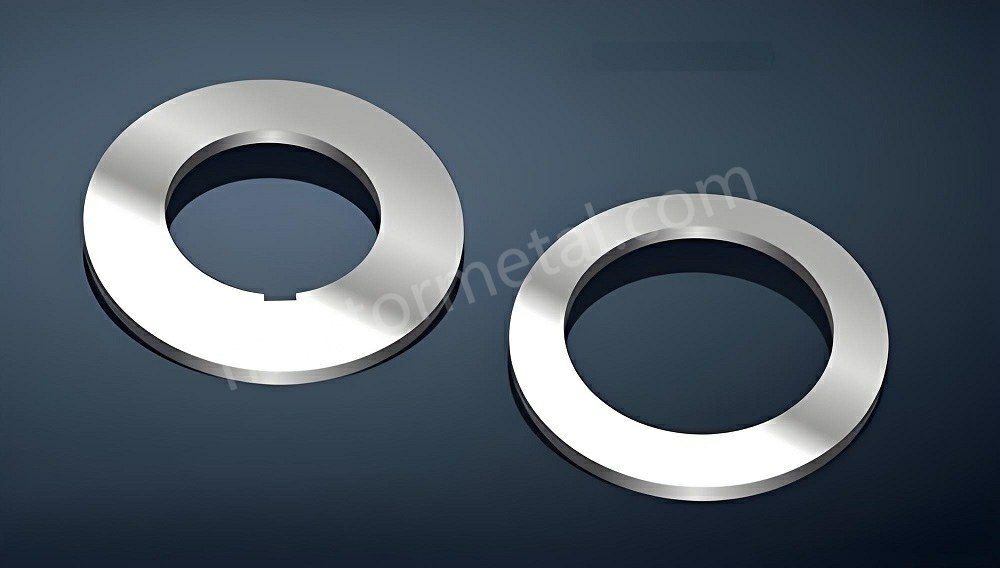
Automotive AHSS grades like DP, TRIP, and martensitic steels can turn a routine slit into a line-stopping headache. Burrs and micro‑chipping surge, edge ductility drops, and downstream formability (HER) suffers. This guide gives plant, process, and maintenance leaders practitioner-grade parameters—material and hardness ranges, coating choices, edge geometry targets, and clearance settings—plus a concise troubleshooting matrix. The goal: cleaner edges, fewer defects, and predictable performance when slitting AHSS. Key takeaways Why AHSS changes the rules AHSS combines high tensile strength with multiphase microstructures (martensite in ferrite), which raises cutting forces and amplifies sensitivity to parameter errors. Mechanical cutting reduces edge ductility; minimizing damage in the shear-affected zone is essential for better […]
鏡面仕上げの重要性:長寿命な円形スリッターナイフの製造方法
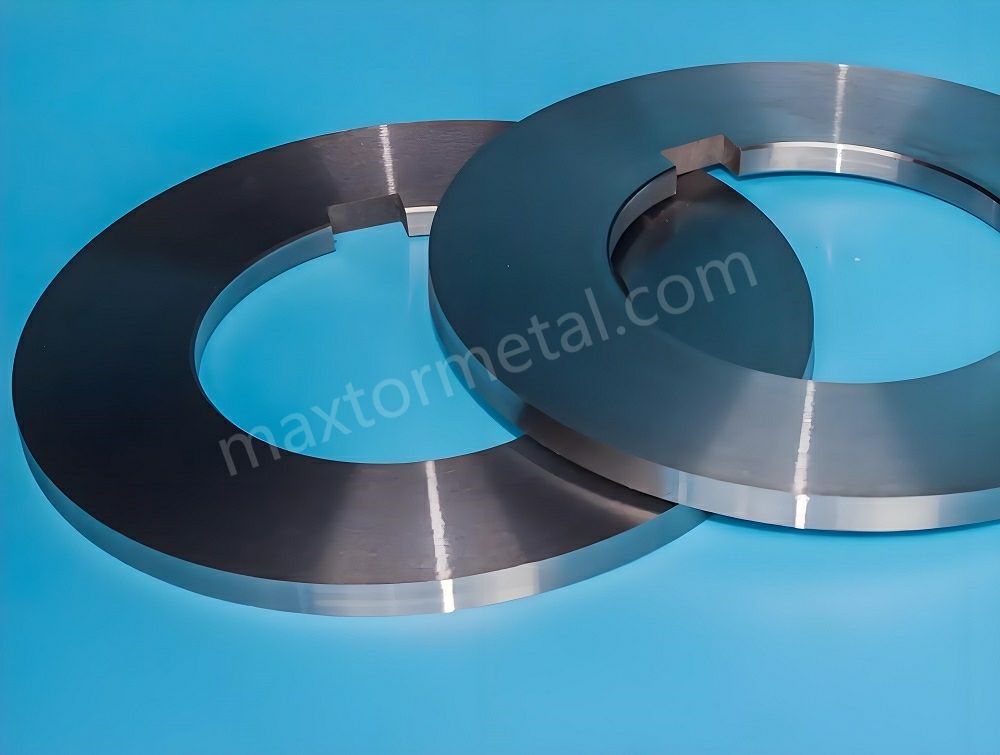
正確な切断を行うには、滑らかな表面が必要です。円形スリットナイフの鏡面研磨された刃先は、より良く、より速く切断するのに役立ちます。この仕上げは、作業を遅くするバリや摩擦を防ぎます。また、材料が刃に付着するのを防ぎます。材料が付着すると、刃を傷つけ、切断精度が低下します。南京Metal工業は、各刃を高度な技術で製造しています。彼らは常に、厳しい作業にも耐えうる高品質の製品を提供しています。重要なポイント 鏡面仕上げと切断精度 鏡面仕上げが重要な理由 刃は毎回きれいに切断したいものです。円形スリットナイフの鏡面仕上げは、これを実現するのに役立ちます。滑らかな表面により、刃は材料の上をスムーズに滑ります。つまり、[…]
セットアップの最適化:完璧なエッジのためにスリッターラインナイフとスペーサーがどのように連携するか

You want each slitting job to have neat, sharp edges. Slitting Line Knives and spacers work as a team. The right material and blade shape help your knives work better. You need to set the space between blades carefully. When you set it up right, you work faster and can use machines to keep the slitting process smooth. Key Takeaways Slitting Line Knives: Role & Features Cutting Function in Slitting Slitting line knives cut big coils of metal into thin strips. First, you put a master coil on the uncoiler. The metal moves through blades set to the right width. Each blade is in the right spot for the strip size you […]
スリッティングの科学:ロータリースリッター刃の形状が切断精度に与える影響

You use rotary slitter blades to make accurate and clean cuts. These blades are important in tough manufacturing jobs. The shape of each blade helps you get precise results. It also helps you stop mistakes from happening. Blade material, quality control, and burr reduction all change how accurate your cuts are. They also affect how smooth the finish looks. Look at how these things compare: Evidence Point Description Blade Material The blade material you pick changes how long it lasts. It also changes how well it cuts and how good the cut looks. Quality Control Strong quality control makes sure every blade is made right. This is very important for keeping your cuts […]
スリッターナイフの究極ガイド:公差、材質、研磨を理解する
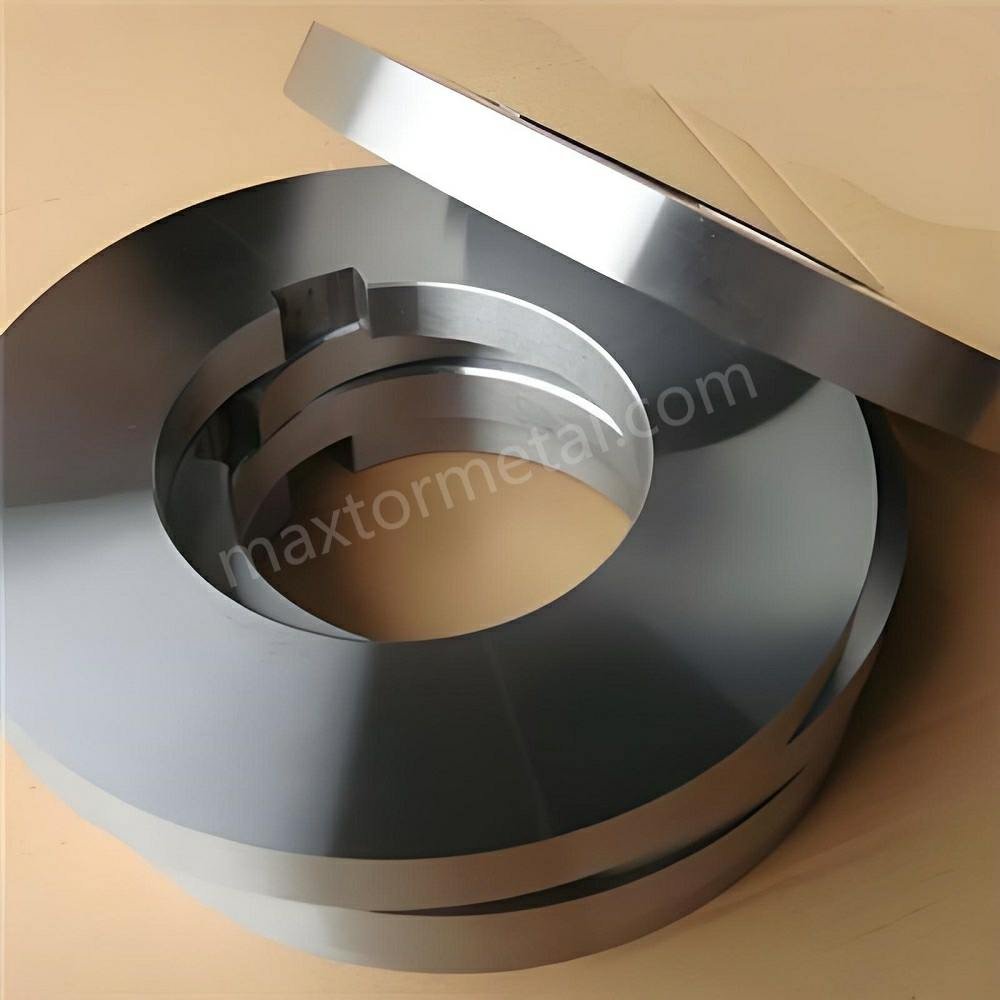
Slitter Knife Materials for Steel and More

 English
  Spanish
  Italian
  French
  Portuguese
  Russian
  German
  Arabic
  Hindi
Hindi  Vietnamese
  Indonesian
  Japanese
  Korean