
Как дистанционные кольца влияют на образование заусенцев и точность ширины реза
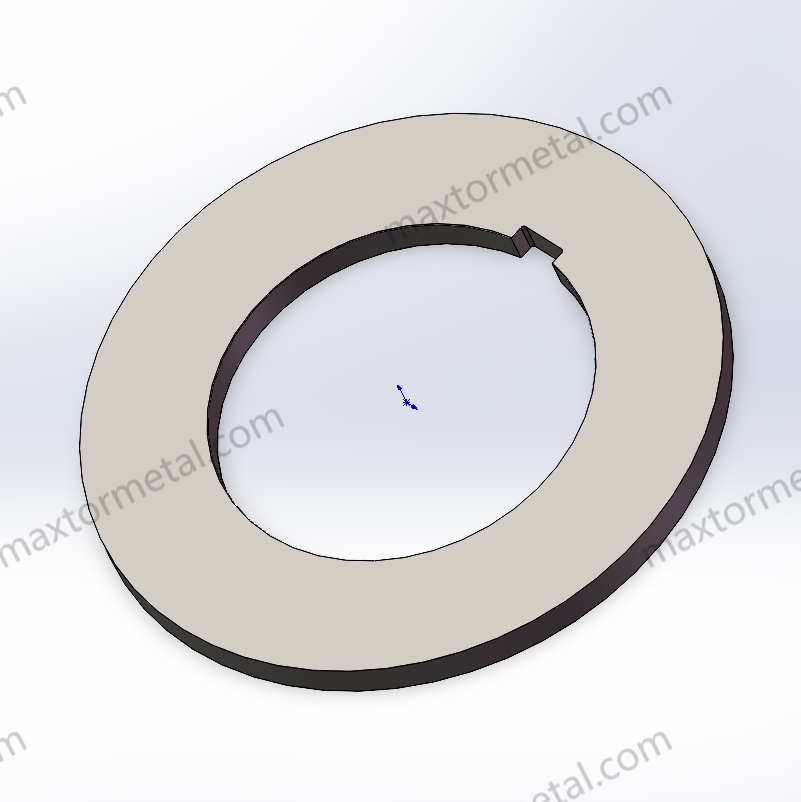
Ключевые выводы: заусенцы — это не просто косметический дефект. При резке пленок, фольги, текстиля и полотен с покрытием неровная кромка может привести к обрывам полотна на последующих этапах, образованию складок, плохой намотке и жалобам клиентов. При обработке металлов заусенцы могут стать причиной травм при работе, проблем со стыковкой и преждевременного износа формовочного оборудования. Отклонение ширины реза обходится не менее дорого. Если вы не можете выдержать ширину […]
Мгновенные способы устранения заусенцев при резке, которым доверяют начальники производства
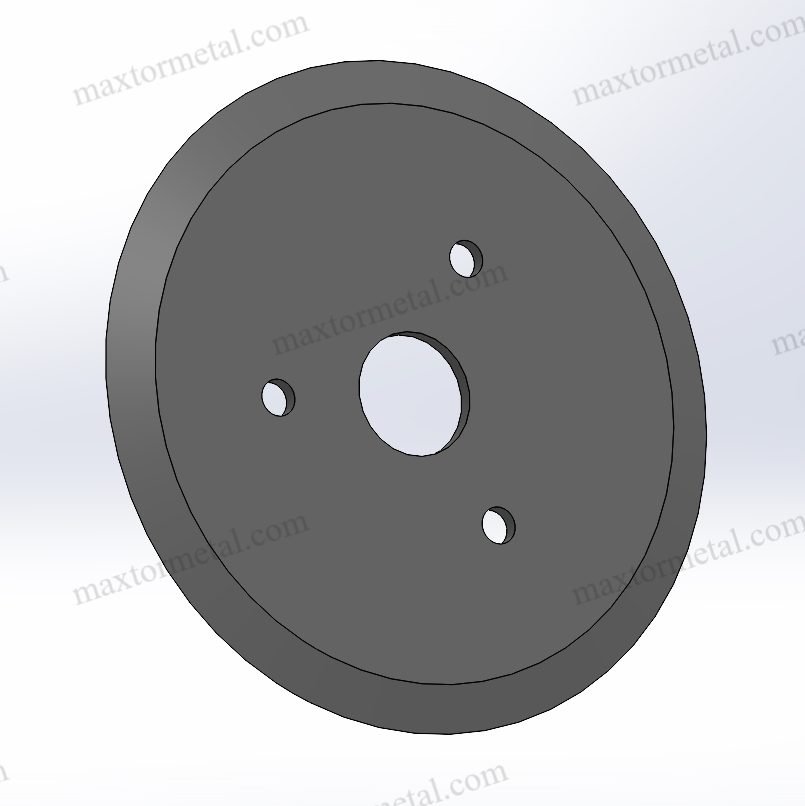
Заусенцы при продольной резке проявляются в виде приподнятой кромки, ворсистого края, пыления или “зажеванных” нитей вдоль линии реза — часто сильнее всего с одной стороны полотна. Они не просто ухудшают внешний вид; они приводят к увеличению брака (кромкообрезь, дефекты), замятиям на последующих этапах и незапланированным остановкам, когда операторам приходится корректировать настройки на ходу. Хорошая новость: многие всплески образования заусенцев […]
Руководство по настройке сдвижной резки для чистых кромок и долговечности ножей
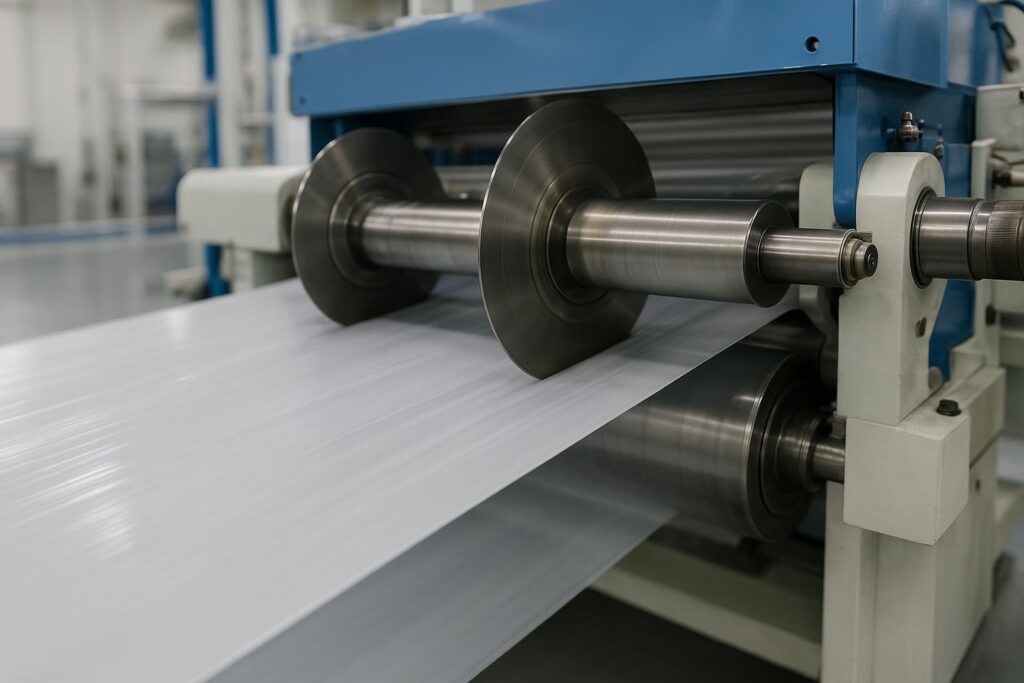
Если вы стремитесь к более чистой кромке и увеличению срока службы ножей, наибольший эффект обычно дает не только использование “более острых ножей”. Он достигается за счет воспроизводимой последовательности настройки, строгого контроля и ведения журнала, в котором четко определены рабочие диапазоны параметров для каждого SKU. Это руководство составлено в виде чек-листа для цеха: что настраивать, что проверять и что фиксировать […]
Как выбрать производителя ножей для хлеборезок для долгосрочных поставок
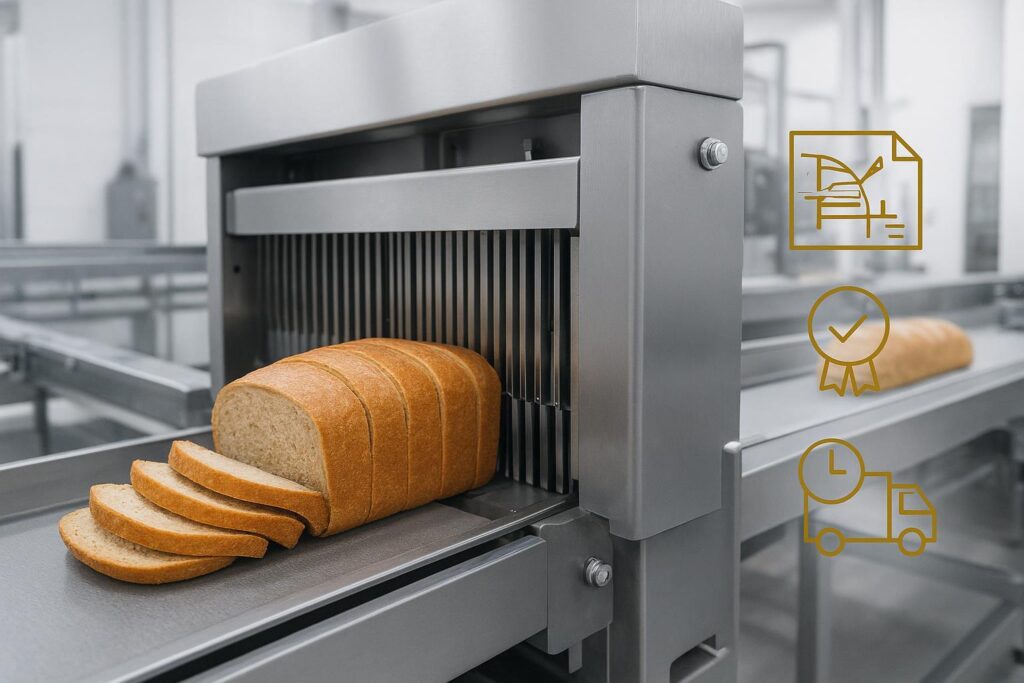
Выбор производителя ножей для хлеборезки — это долгосрочное эксплуатационное решение, а не просто покупка запасных частей. Если вы правильно оцените поставщика — его инженерно-технический потенциал, соблюдение стандартов контроля качества/соответствия и надежность поставок — вы получите более чистый срез, меньше крошек и дефектов, увеличенное время работы между заменами и более низкую совокупную стоимость владения (TCO). Это руководство написано для промышленных хлебопекарных […]
Когда выбирать ножи для хлеборезки с ПТФЭ-покрытием, а когда — с твердым покрытием
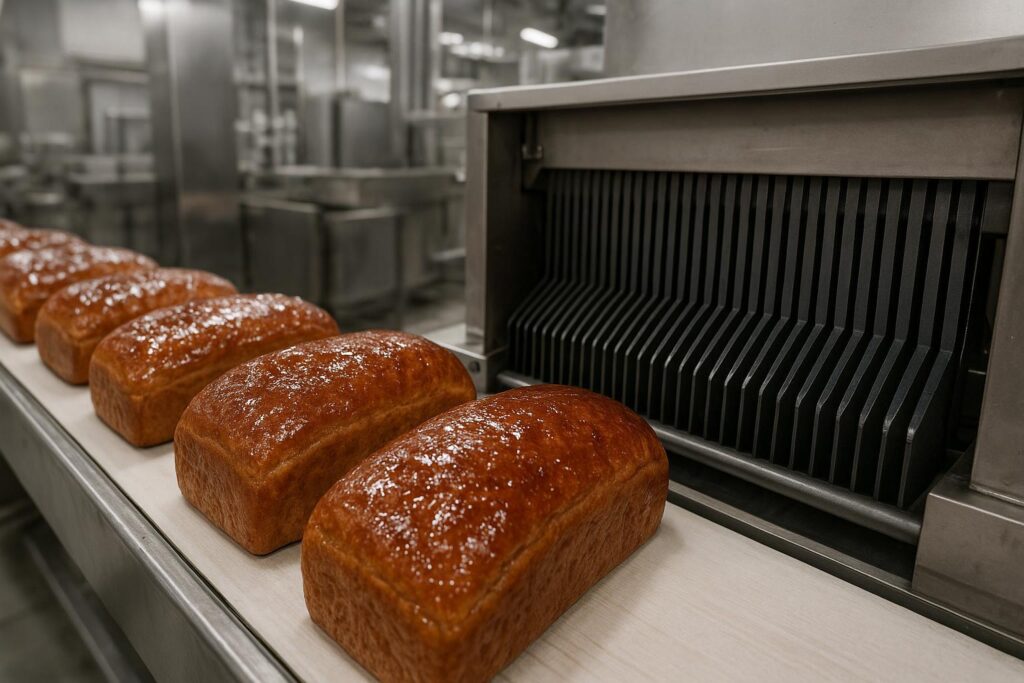
Как PTFE помогает при нарезке липкого хлеба. PTFE (часто называемый тефлоном) — это антипригарное покрытие с низким коэффициентом трения. При нарезке хлеба это имеет решающее значение, когда вашим главным врагом является еще не затупление ножа, а адгезия: сахара, глазурь, теплый мякиш и влага скапливаются на поверхности ножа до тех пор, пока машина не начнет рвать хлеб, затягивать его или заклинивать. Иными словами, если вы оцениваете антипригарное покрытие для хлеборезательных […]
Как заточка и покрытия помогают уменьшить количество хлебных крошек на производстве
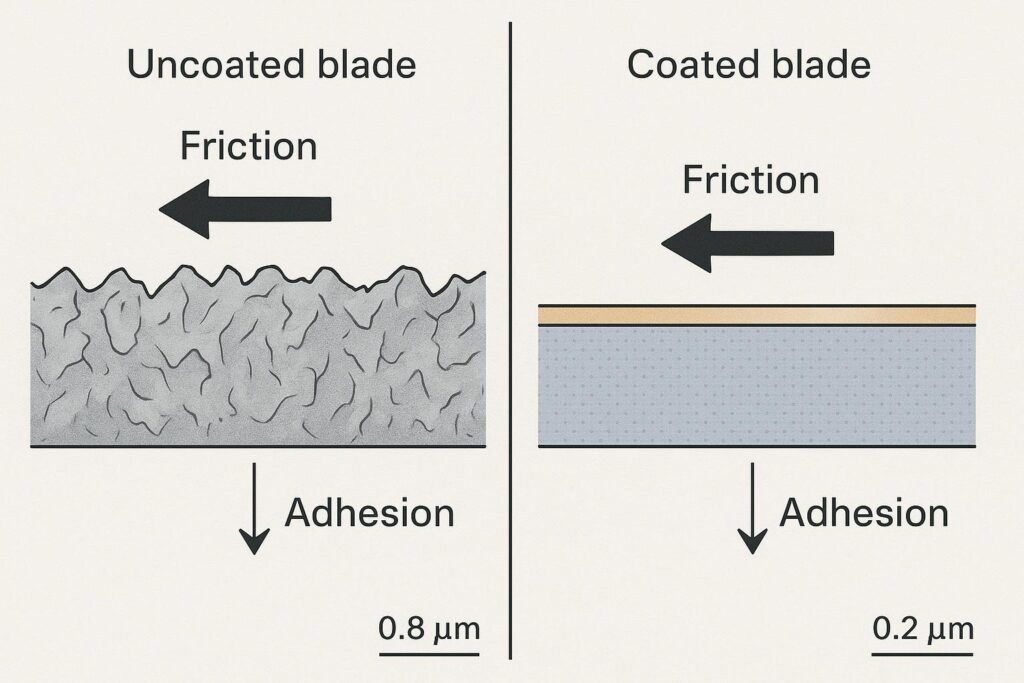
Потери в виде хлебных крошек легко списать на “просто уборку”. На промышленной линии нарезки это одновременно потеря выхода готовой продукции, проблема с OEE и риск для безопасности пищевых продуктов. Раскрытие информации: MAXTOR METAL поставляет промышленные режущие ножи. Принципы, изложенные в этой статье, не зависят от конкретного поставщика и ориентированы на измеримые параметры контроля процесса (масса крошек, допуск по толщине, время простоя), чтобы вы […]
Лучшая сталь для пищевых ножей для нарезки в промышленных пекарнях
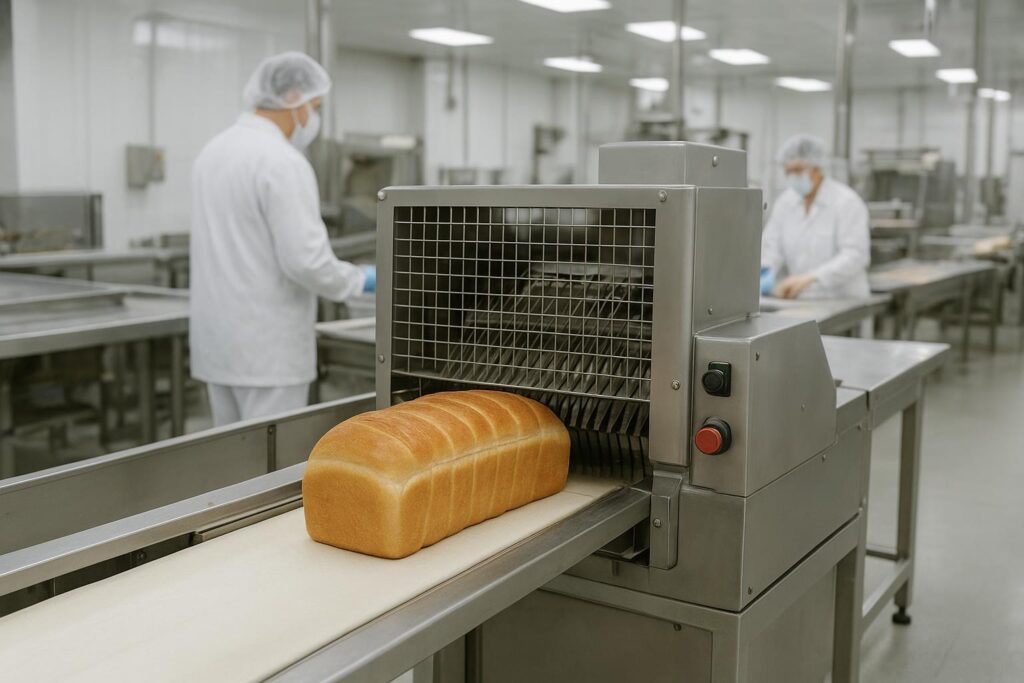
Выбор стали для пищевых ножей хлеборезки — это не просто решение о покупке расходных материалов. Если вы сравниваете варианты стали для ножей хлеборезки от разных поставщиков, вам нужны технические характеристики, которые выдержат реальную санитарную обработку и реальные объемы производства. На высокопроизводительных линиях (600–1200 буханок/час) материал ножа определяет четыре результата, которые проявляются каждую смену: внешний вид нарезки, количество крошек, трудоемкость санитарной обработки и незапланированные остановки. […]
Обслуживание ножей хлеборезки: продление срока службы на 30%

Опубликовано: 2026-04-29 · Последнее обновление: 2026-04-29 Примечание по пищевой безопасности и соблюдению стандартов: В данном руководстве приведены общие рекомендации. Всегда следуйте программам SSOP/HACCP вашего предприятия и инструкциям производителя оборудования (OEM) для конкретной модели хлеборезки (включая разборку, диапазоны натяжения/крутящего момента, одобренные смазочные материалы и химикаты для санитарной обработки). В случае каких-либо противоречий приоритет имеют руководство OEM и ваш утвержденный план обеспечения безопасности пищевых продуктов. Документируйте любые изменения как […]
Сравнение лезвий Scallop, V-Tooth и ABT: какой профиль режет лучше?

Геометрия кромки — это не эстетический выбор. При высокопроизводительной нарезке форма кромки определяет, как нож входит в корку, как он режет мякиш и насколько стабильно он ведет себя на скорости. Вот почему одна и та же хлеборезка может работать “необъяснимо нестабильно” на разных SKU — даже если материал и толщина ножа остаются неизменными. Проще говоря, вы настраиваете ножи для хлеборезки […]
Замена ножей хлеборезки на проверенные альтернативы OEM

Примечание по технике безопасности и ответственности: В данном руководстве приведены общие указания по техническому обслуживанию промышленных хлеборезательных машин. Всегда следуйте руководству по обслуживанию от OEM-производителя вашего оборудования, программе блокировки/маркировки (LOTO) вашего предприятия и применимым местным нормам. Если какой-либо шаг противоречит документации OEM, требования OEM имеют приоритет. Технический обзор: Проверено на предмет соблюдения требований безопасности и ясности процедур технической группой MAXTOR METAL (LOTO и […]

 English
  Spanish
  Italian
  French
  Portuguese
  Russian
  German
  Arabic
  Hindi
Hindi  Vietnamese
  Indonesian
  Japanese
  Korean