
Runout Aksial Rotary Slitter: Matematika Susunan, Target TIR & Kontrol Lebar
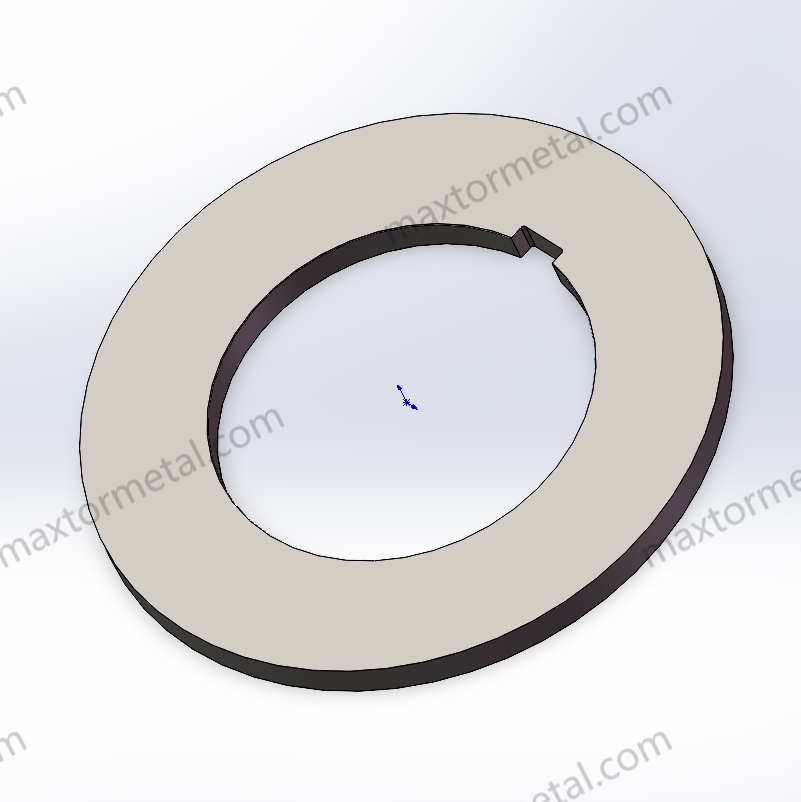
Quick Answer: Rotary Slitter Axial Runout What this guide covers: How blade thickness tolerance, axial runout and spacer seating stack into strip width error — and which contributor to tighten first. Who it’s for: Slitting line engineers and tooling engineers specifying knife packs or troubleshooting width drift on carbon steel, AHSS, stainless or aluminium lines. […]
Kerusakan Fatal Pisau: Akar Masalah Metalurgi, Mekanika Patahan, dan Kontrol Pemasok untuk Pencegahan

Quick Answer: Catastrophic blade shattering is almost never one cause—it’s the convergence of metallurgical defects (retained austenite, carbide banding), thermal-process errors (quench cracks, insufficient temper), and geometric stress risers, triggered by a contamination event. Fractography (macro mapping → SEM/EDS → metallography → XRD) identifies which lever failed; supplier controls like AMS 2750 pyrometry and lot-level […]
Akumulasi Perekat pada Pisau Pemotong Melingkar: Umpan Balik Kontak Panas, Pemilihan Lapisan & Protokol Diagnostik Berlapis.
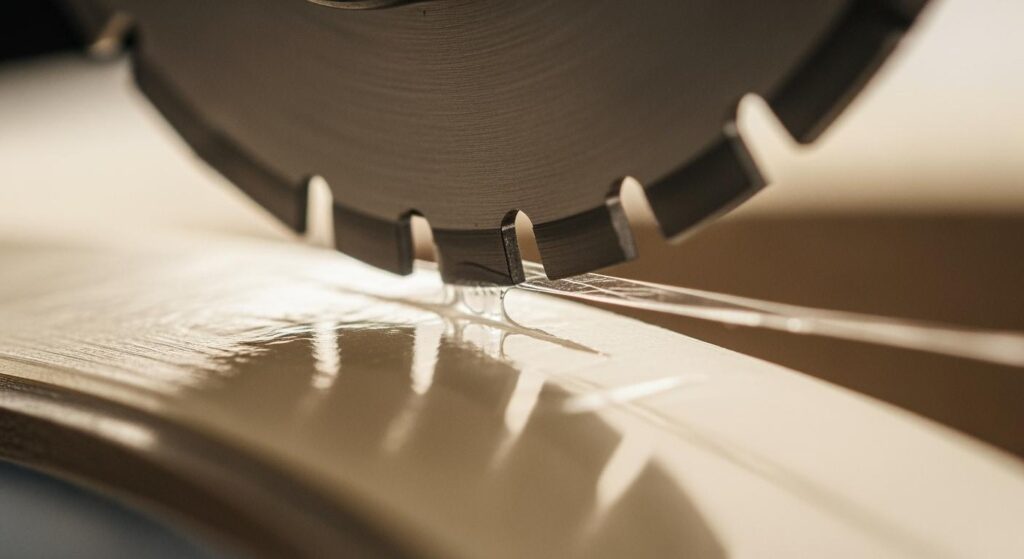
When adhesive starts building up on circular slitting blades, the first sign is rarely dramatic. Slit edges become slightly tacky. Roll geometry drifts. Edge quality degrades before the shift supervisor can pinpoint why. By the time a visible polymer deposit — a built-up edge (BUE) — has formed on the knife face, the blade has […]
Menghentikan Patahnya Pisau Grid pada Dasar Alur: Radius Fillet, Integritas EDM, dan Kontrol Tempered Ganda untuk Desain R≥0,2 mm
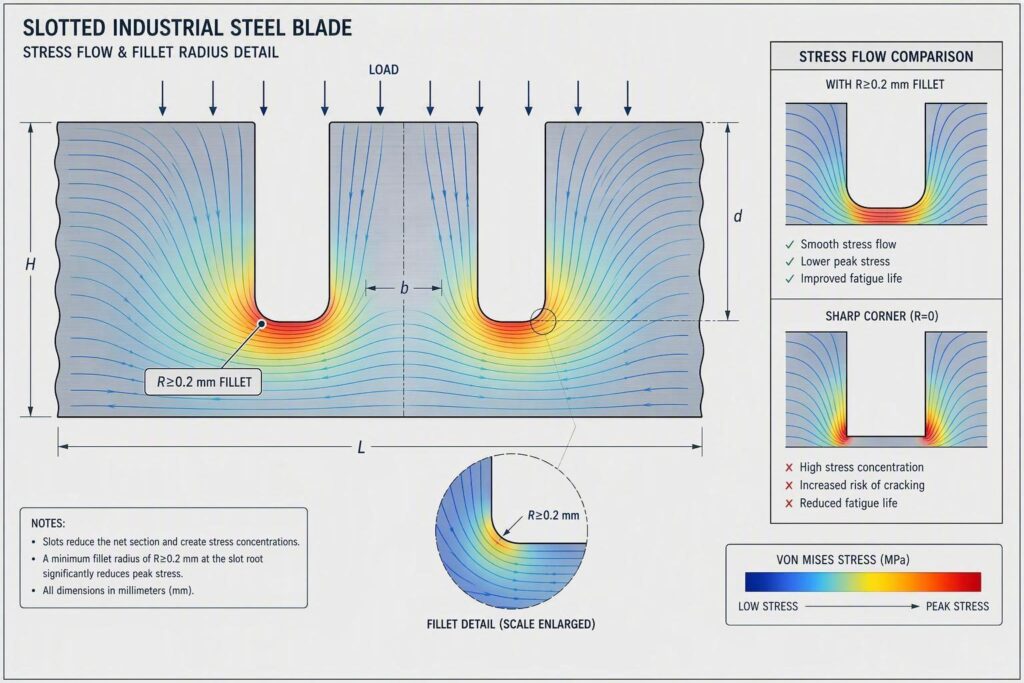
Quick Answer: Grid blade snapping at slot bottoms is caused by the coexistence of three factors: high elastic stress concentration (Kt 7–12 for sharp-cornered slots), surface defects that act as crack initiators (EDM recast layers, grinding burns), and insufficient toughness in the surrounding material. The primary engineering fix is to specify a slot fillet radius […]
Pemilihan Pisau Pemrosesan Polimer Kelas Medis: Stainless Steel 420 vs 440C, Finis Permukaan, dan Kontrol Sirkulasi Air
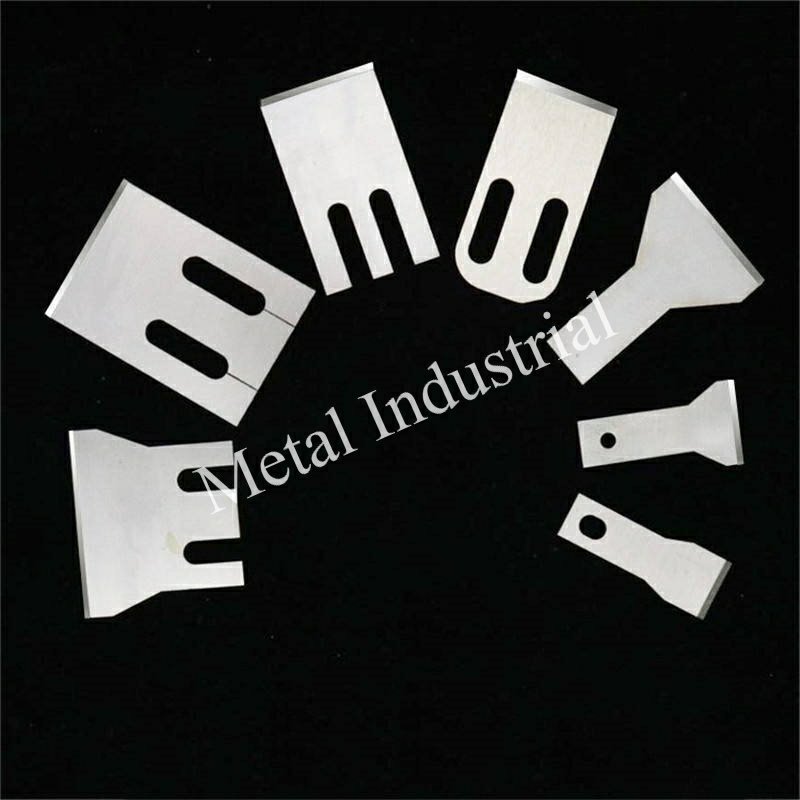
Quick answer: In medical-grade polymer pelletizing, 420 and 440C stainless are not interchangeable: 420 offers higher toughness, better polishability, and more corrosion tolerance in sanitization-intensive or variable-chemistry water loops; 440C delivers superior edge retention for abrasive polymers in stable, controlled-chemistry loops. Both grades require Ra ≤ 0.4 µm mirror finish and verified passivation per ASTM […]
Analisis Penyebab Utama Edge Chipping Pisau Potong: Fraktografi, Pohon Keputusan, dan Koreksi SOP
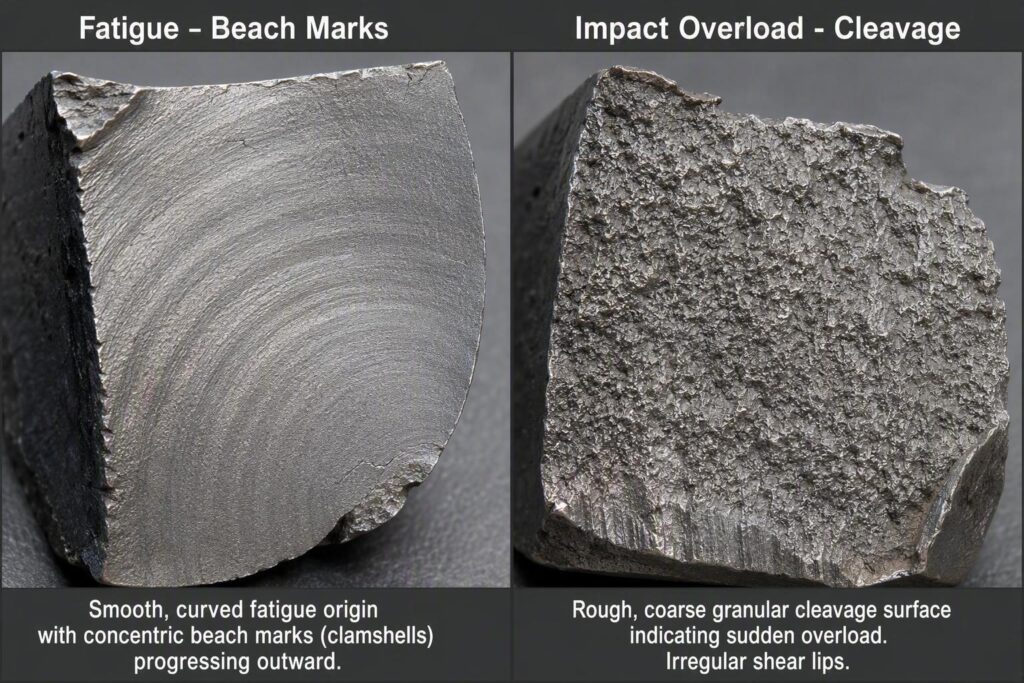
Quick Answer: Shear blade edge chipping root cause falls into two modes: fatigue (from cyclic stress — clearance errors, parallelism faults, or grinding burns) and impact (from sudden overload — foreign objects, excessive hardness, or geometry spikes). Read the fracture surface first: concentric arc-shaped beach marks mean fatigue; coarse granular cleavage with no arc pattern means […]
Pengaturan Overlap Pisau Rotari: Mekanika Geser, Jendela Material & Kontrol Arbor

Dalam pemrosesan koil logam kontinu, menghasilkan tepi yang bersih, siku, dan bebas burr adalah tolok ukur utama dari lini slitting yang terkalibrasi dengan baik. Di balik setiap proses slitting berkinerja tinggi, terdapat dua parameter geometris penting yang mengatur kualitas pemotongan geser: celah samping horizontal (horizontal side clearance) dan tumpang tindih pisau putar vertikal (vertical rotary knife overlap). Sementara celah horizontal menentukan konsentrasi tegangan di sepanjang lebar strip, pisau vertikal […]
Pisau Shredder Ban Bekas & ELV: Mempertahankan Keseimbangan Kekerasan vs Ketangguhan untuk Menekan Biaya per Ton
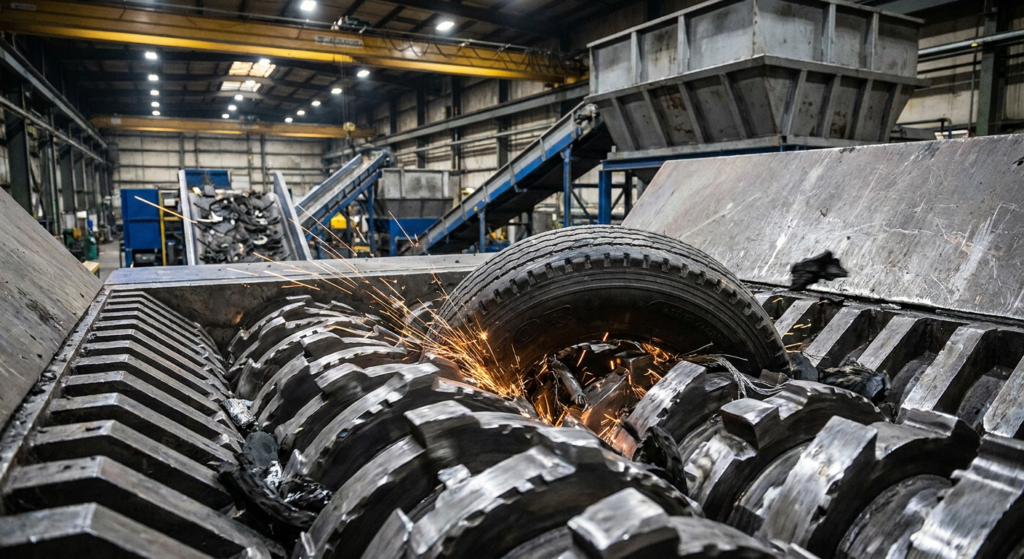
Jawaban Cepat: Seimbangkan kekerasan (ketahanan aus) dengan ketangguhan impak Charpy alih-alih hanya memaksimalkan HRC saja—DC53 pada 58–60 HRC memberikan ketangguhan impak sekitar dua kali lipat dari D2 untuk aliran ban/ELV yang terkontaminasi, sementara kasus nyata yang terdokumentasi menunjukkan bahwa keretakan pada geometri lubang dudukan (mounting-hole), bukan kekerasan material, sering kali merupakan akar penyebab yang sebenarnya. Cakupan: Panduan ini berfokus terutama pada shredding primer dan pra-shredding […]
Analisis Akar Masalah Pembentukan Debu Pembelahan: Ra Sisi Pisau, Mikrostruktur Karbida & Toleransi Setel.
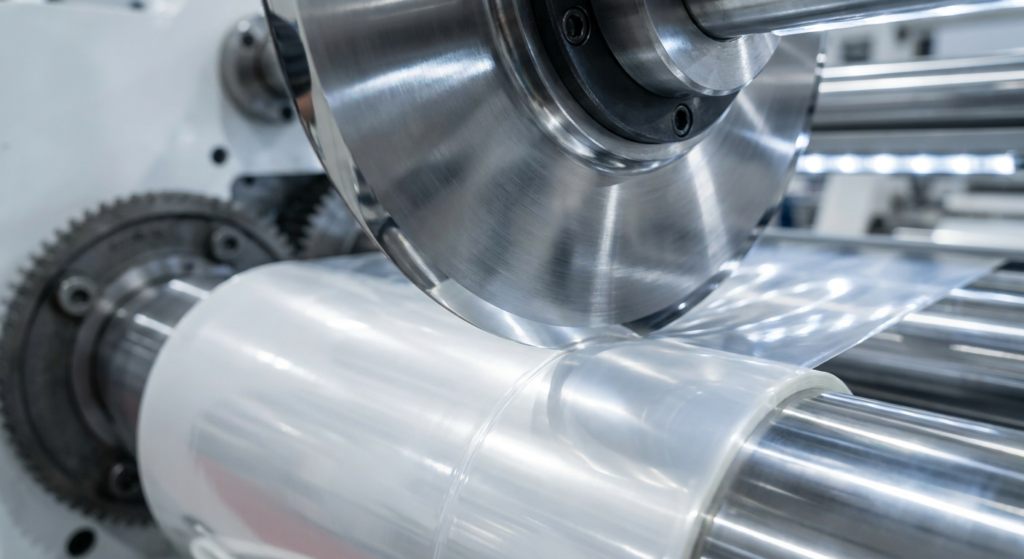
Keempat prinsip ini membentuk kerangka kerja teknik yang diterapkan oleh tim aplikasi Maxtor Metal saat mengkualifikasi pisau slitting bulat untuk program konversi bebas debu (zero-dust converting) pada lini kemasan fleksibel, nonwoven, dan kertas khusus. Dalam konversi kemasan fleksibel berkecepatan tinggi, tekstil teknis, nonwoven, dan kertas khusus, kontaminasi partikulat adalah penyebab utama penghentian lini produksi yang tidak direncanakan. Apa yang sering didiagnosis oleh operator pabrik […]
Pengasahan Ulang Pisau Strip Industrial: Ambang Batas Pengasahan, Kriteria Afkir, dan Model Biaya Siklus Hidup
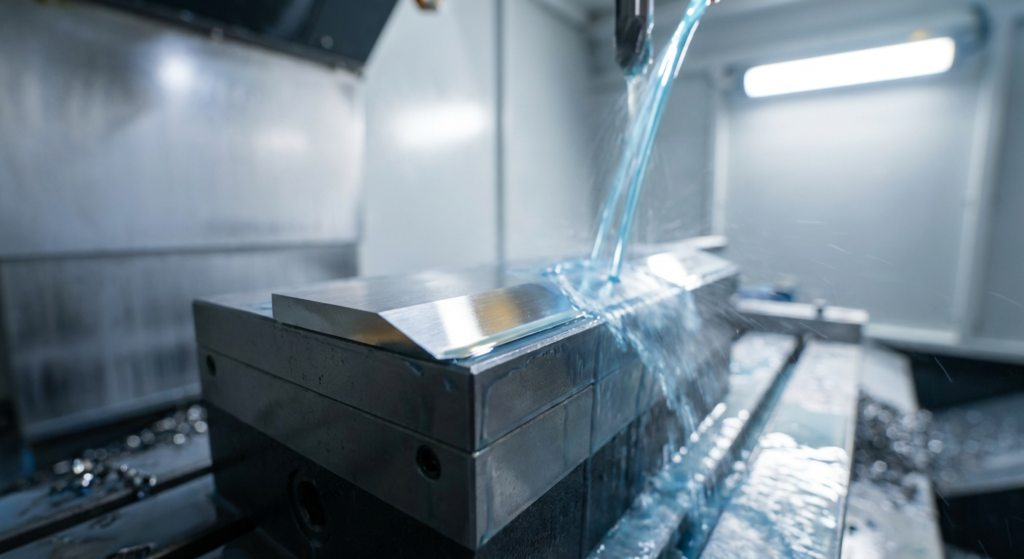
Quick Answer: Regrinding industrial strip blades is economical when: chipping depth is under 0.5 mm, remaining thickness is above 60–70% of nominal, and the estimated regrind cost is below 50% of a new replacement blade. The minimum safe stock removal is 0.010–0.015 in (0.254–0.381 mm) to clear the subsurface micro-fractured fatigue layer. Blades with radial cracks, […]

 English
  Spanish
  Italian
  French
  Portuguese
  Russian
  German
  Arabic
  Hindi
Hindi  Vietnamese
  Indonesian
  Japanese
  Korean