
Катастрофическое разрушение лезвий: Металлургические первопричины, механика разрушения и контроль поставщиков для предотвращения

Быстрый ответ: Катастрофическое разрушение лезвия почти никогда не вызывается одной причиной — это результат сочетания металлургических дефектов (остаточный аустенит, карбидная полосчатость), ошибок термической обработки (закалочные трещины, недостаточный отпуск) и геометрических концентраторов напряжений, спровоцированный попаданием посторонних включений. Фрактография (макрокартирование → СЭМ/ЭДС → металлография → РФА) позволяет определить, какой именно фактор сработал; меры контроля поставщика, такие как пирометрия по AMS 2750 и попартийный контроль […]
Налипание клея на дисковые ножи резки: Обратная связь по тепловому контакту, выбор покрытия и многоуровневый протокол диагностики.
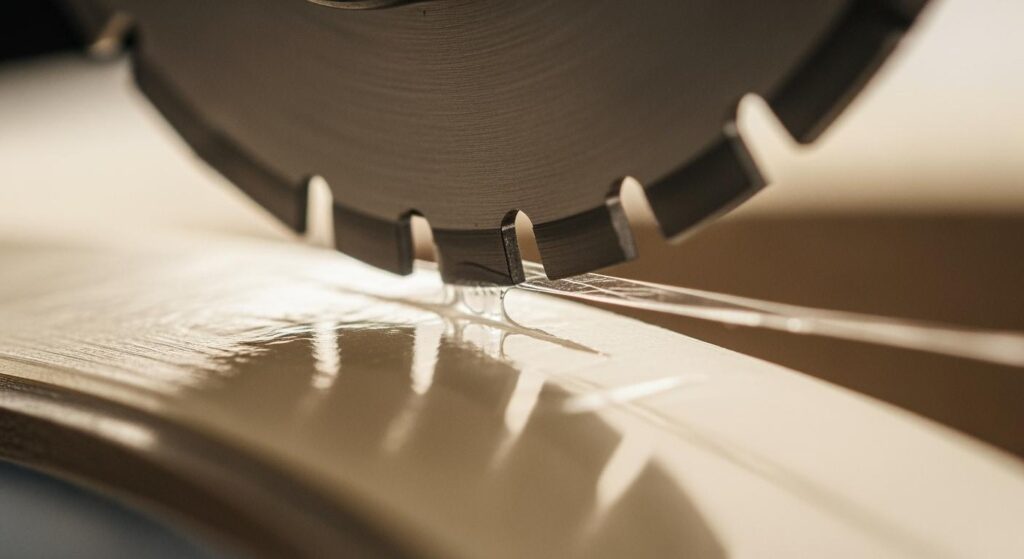
Когда на дисковых ножах для продольной резки начинает накапливаться клей, первые признаки редко бывают явными. Кромки реза становятся слегка липкими. Геометрия намотки рулона нарушается. Качество кромки ухудшается еще до того, как начальник смены сможет понять причину. К тому моменту, когда на грани ножа образуются видимые полимерные отложения — нарост на режущей кромке (BUE) — нож уже […]
Предотвращение поломки решетчатых ножей на дне паза: Радиус скругления, качество EDM и контроль двухкратного отпуска для конструкций R≥0,2 мм
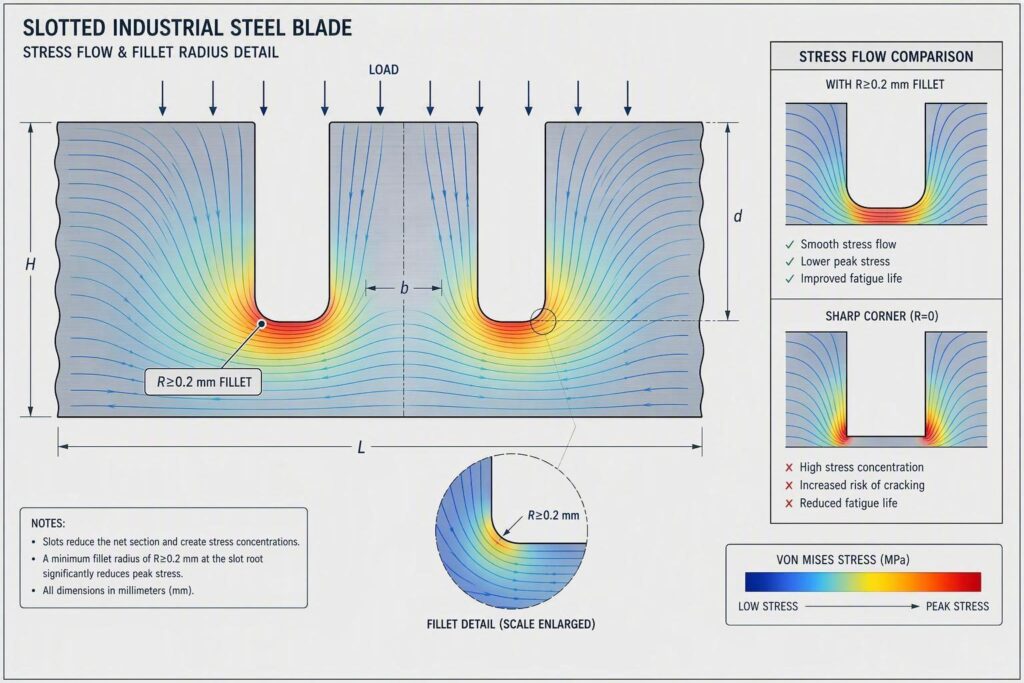
Быстрый ответ: Излом решетчатых ножей у основания пазов вызывается одновременным действием трех факторов: высокой концентрацией упругих напряжений (Kt 7–12 для пазов с острыми углами), дефектами поверхности, выступающими очагами образования трещин (переплавленный слой после электроэрозионной обработки (EDM), прижоги при шлифовании), и недостаточной ударной вязкостью материала. Основное техническое решение заключается в назначении радиуса скругления дна паза […]
Выбор ножей для грануляции полимеров медицинского назначения: Нержавеющая сталь 420 vs 440C, качество поверхности и водяной контур
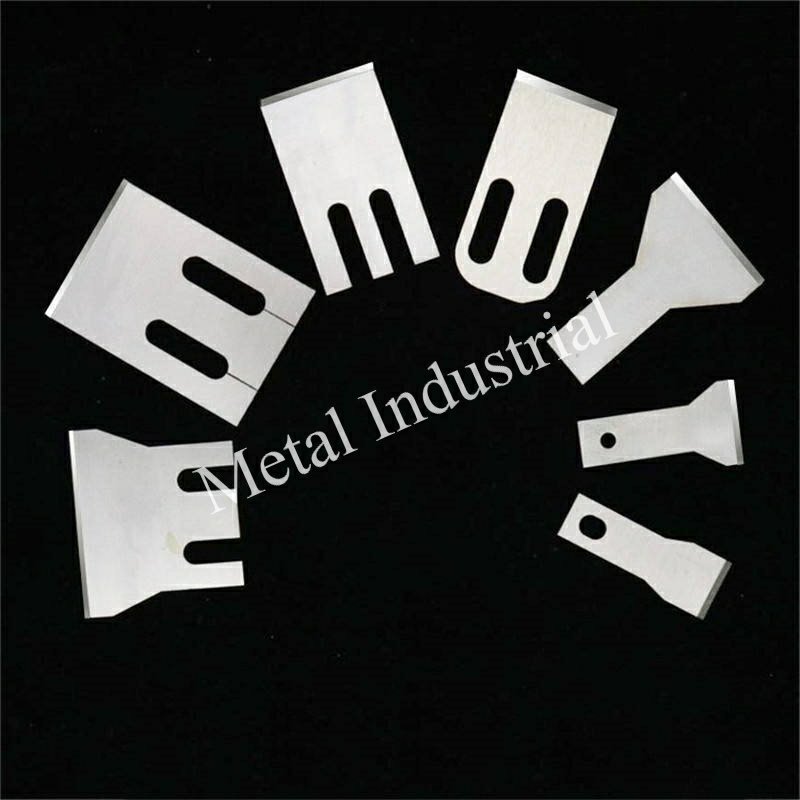
Краткий ответ: При гранулировании полимеров медицинского назначения нержавеющие стали 420 и 440C не являются взаимозаменяемыми: сталь 420 обеспечивает более высокую ударную вязкость, лучшую полируемость и повышенную коррозионную стойкость в водных контурах с интенсивной дезинфекцией или переменным химическим составом; сталь 440C обеспечивает превосходную стойкость режущей кромки при обработке абразивных полимеров в контурах со стабильным, контролируемым химическим составом. Для обеих марок требуется зеркальная полировка Ra ≤ 0.4 µm и подтвержденная пассивация согласно ASTM […]
Анализ причин выкрашивания кромки гильотинных ножей: Фрактография, дерево решений и коррекция SOP
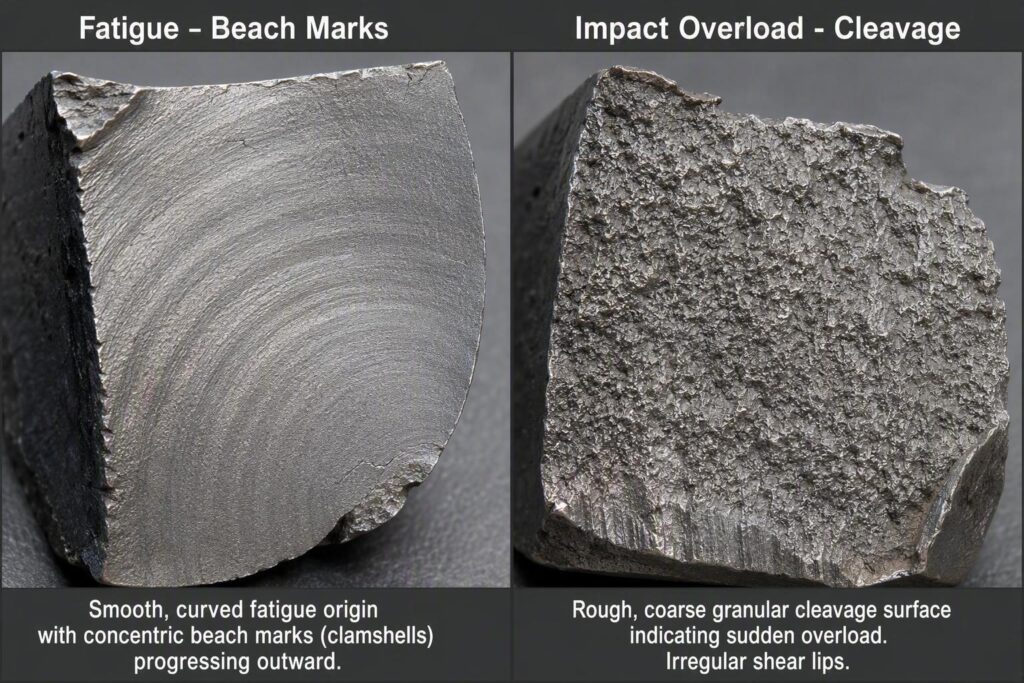
Quick Answer: Shear blade edge chipping root cause falls into two modes: fatigue (from cyclic stress — clearance errors, parallelism faults, or grinding burns) and impact (from sudden overload — foreign objects, excessive hardness, or geometry spikes). Read the fracture surface first: concentric arc-shaped beach marks mean fatigue; coarse granular cleavage with no arc pattern means […]
Настройка перекрытия дисковых ножей: Механика резания, параметры материалов и контроль валов

In continuous metal coil processing, achieving a clean, square, and burr-free edge is the primary benchmark of a well-calibrated slitting line. Behind every high-yield slitting run are two critical geometric parameters governing shear-cut quality: horizontal side clearance and vertical rotary knife overlap. While horizontal clearance dictates the stress concentration across the strip width, vertical knife […]
Ножи для Шредеров Измельчения Покрышек и ВЭТС: Баланс Твердости и Вязкости для Снижения Себестоимости Тонны
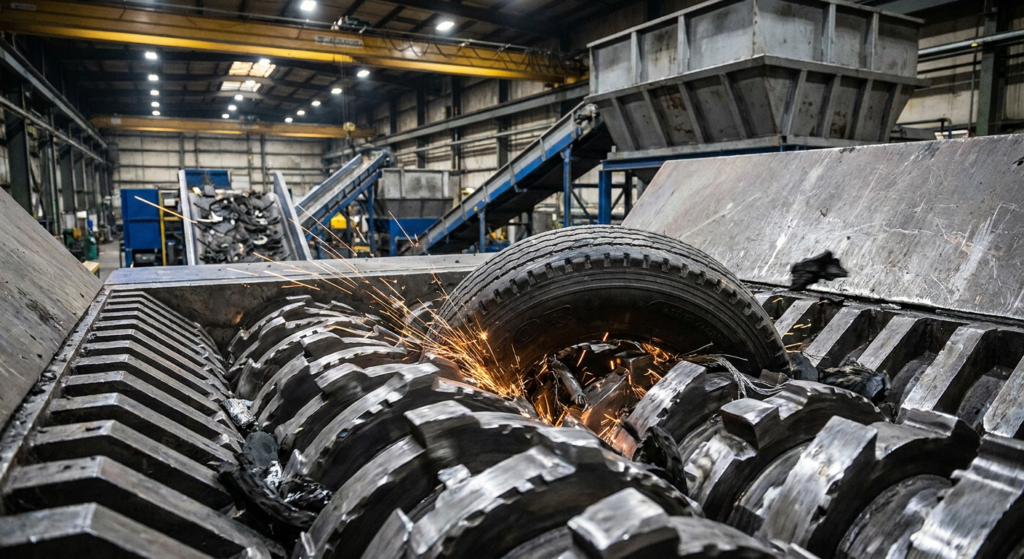
Quick Answer: Balance hardness (wear resistance) against Charpy impact toughness rather than maximizing HRC alone—DC53 at 58–60 HRC delivers roughly double D2’s impact toughness for contaminated tire/ELV streams, while a documented real-world case shows that fracture at mounting-hole geometry, not material hardness, is often the true root cause. Scope: This guide focuses primarily on primary and pre-shredding […]
Анализ первопричин образования пыли при резке: Ra грани ножа, микроструктура карбидов и допуски.
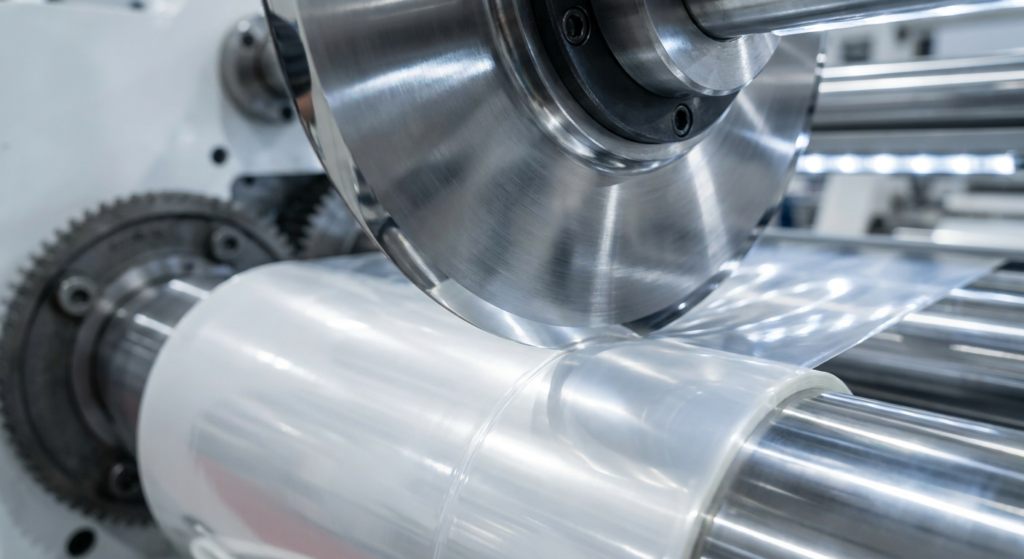
Эти четыре принципа формируют инженерную основу, которую команда инженеров по внедрению Maxtor Metal применяет при подборе дисковых ножей для продольной резки в рамках программ беспылевого конвертинга на линиях производства гибкой упаковки, нетканых материалов и специальных видов бумаги. При высокоскоростном конвертинге гибкой упаковки, технического текстиля, нетканых материалов и специальных видов бумаги загрязнение микрочастицами является основной причиной незапланированных остановок линий. То, что операторы оборудования часто диагностируют […]
Переточка промышленных полосовых ножей: пороги заточки, критерии браковки и модель стоимости жизненного цикла
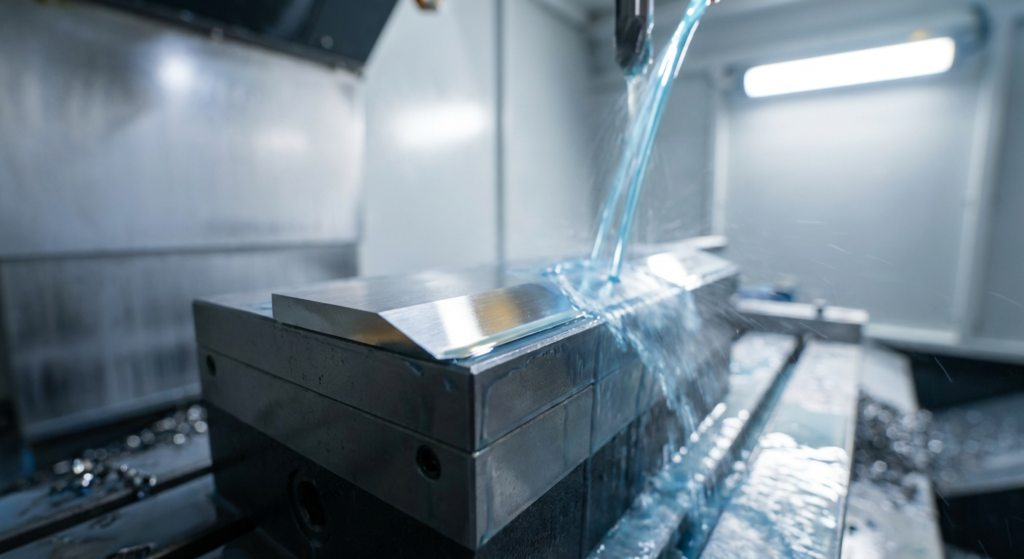
Quick Answer: Regrinding industrial strip blades is economical when: chipping depth is under 0.5 mm, remaining thickness is above 60–70% of nominal, and the estimated regrind cost is below 50% of a new replacement blade. The minimum safe stock removal is 0.010–0.015 in (0.254–0.381 mm) to clear the subsurface micro-fractured fatigue layer. Blades with radial cracks, […]
Ножи гранулятора из порошковой металлургии M390 vs CPM S90V: Выбор марки стали в условиях высокого износа стекловолокном
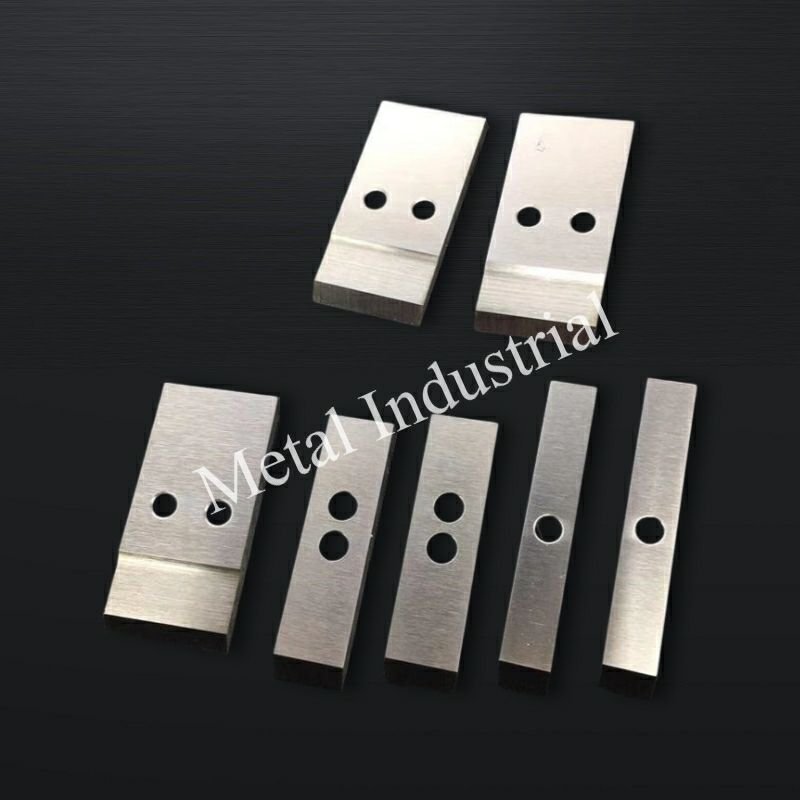
Quick answer: For pelletizing blades under high glass-fiber wear, powder metallurgy stainless steels outperform conventional tool steels because their fine, uniform carbide distribution resists micro-ploughing without the toughness trade-offs of high-alloy ingot steels. Between M390 and CPM S90V: choose CPM S90V when abrasion load is the dominant failure mode (>30% GF, neutral water); choose M390 when […]

 English
  Spanish
  Italian
  French
  Portuguese
  Russian
  German
  Arabic
  Hindi
Hindi  Vietnamese
  Indonesian
  Japanese
  Korean