
Quebra catastrófica de lâminas: Causas raiz metalúrgicas, mecânica da fratura e controles de fornecedores para prevenção

Quick Answer: Catastrophic blade shattering is almost never one cause—it’s the convergence of metallurgical defects (retained austenite, carbide banding), thermal-process errors (quench cracks, insufficient temper), and geometric stress risers, triggered by a contamination event. Fractography (macro mapping → SEM/EDS → metallography → XRD) identifies which lever failed; supplier controls like AMS 2750 pyrometry and lot-level […]
Acúmulo de adesivo em lâminas de corte circular: Feedback de contato térmico, seleção de revestimento e protocolo de diagnóstico em camadas.
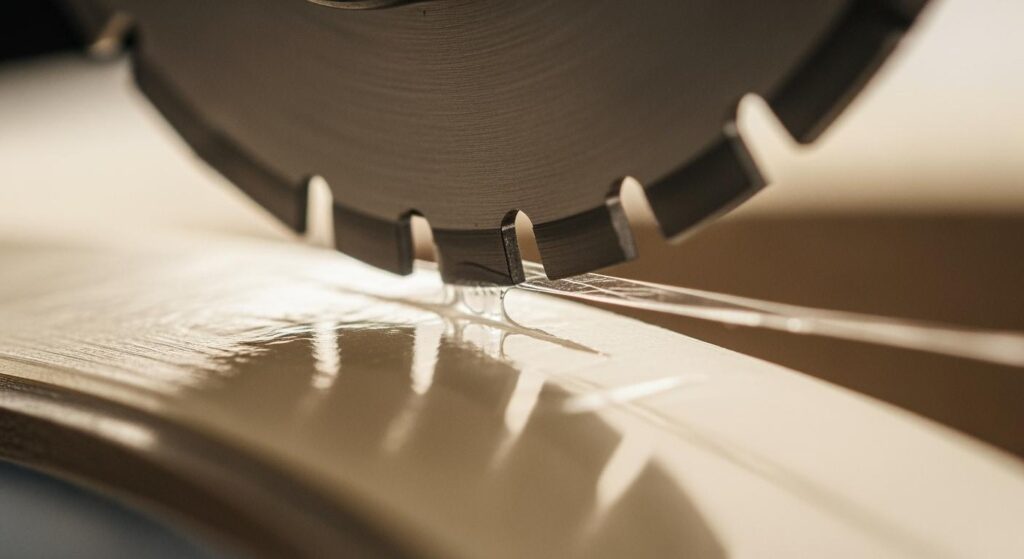
Quando o adesivo começa a se acumular nas facas circulares de corte longitudinal, o primeiro sinal raramente é dramático. As bordas do corte ficam ligeiramente pegajosas. A geometria do rolo sofre desvios. A qualidade da borda se degrada antes que o supervisor de turno consiga identificar o motivo. Quando um depósito visível de polímero — uma aresta postiça de corte (BUE) — se forma na face da faca, a lâmina já […]
Como evitar a quebra de lâminas de grade no fundo da ranhura: Raio de filete, integridade EDM e duplo revenimento para projetos R≥0,2 mm
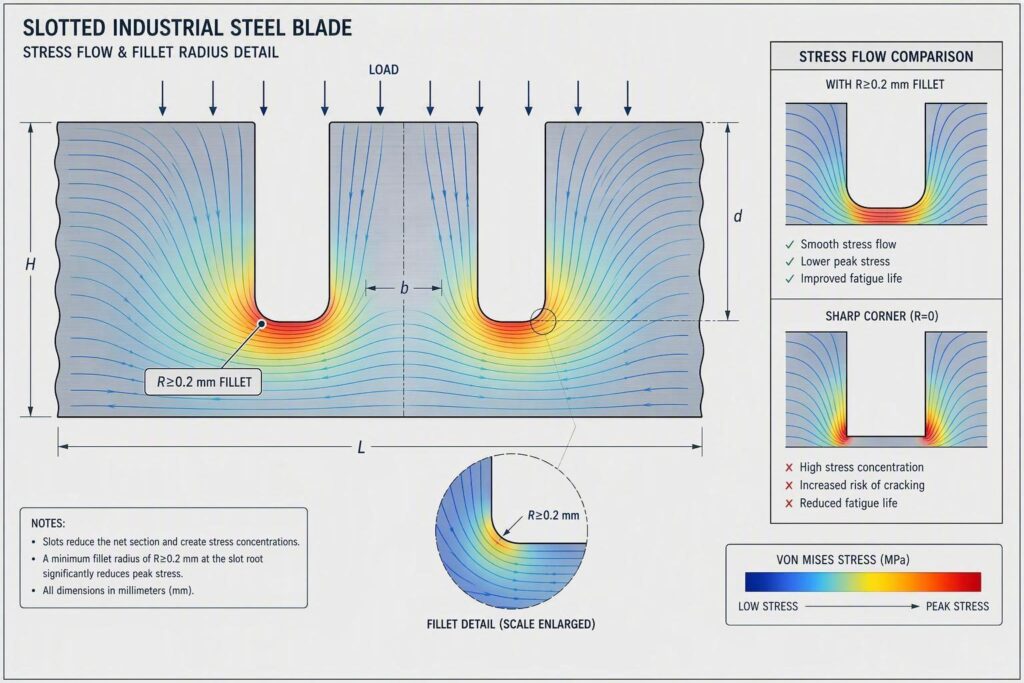
Resposta rápida: A quebra da lâmina de grade no fundo dos rebaixos é causada pela coexistência de três fatores: alta concentração de tensão elástica (Kt 7–12 para rebaixos com cantos vivos), defeitos superficiais que atuam como iniciadores de trincas (camadas de fusão por EDM, queimaduras de retífica) e tenacidade insuficiente no material adjacente. A principal solução de engenharia é especificar um raio de adoçamento no rebaixo […]
Seleção de Facas para Processamento de Polímeros de Grau Médico: Aço Inoxidável 420 vs 440C, Acabamento Superficial e Controle do Anel de Água
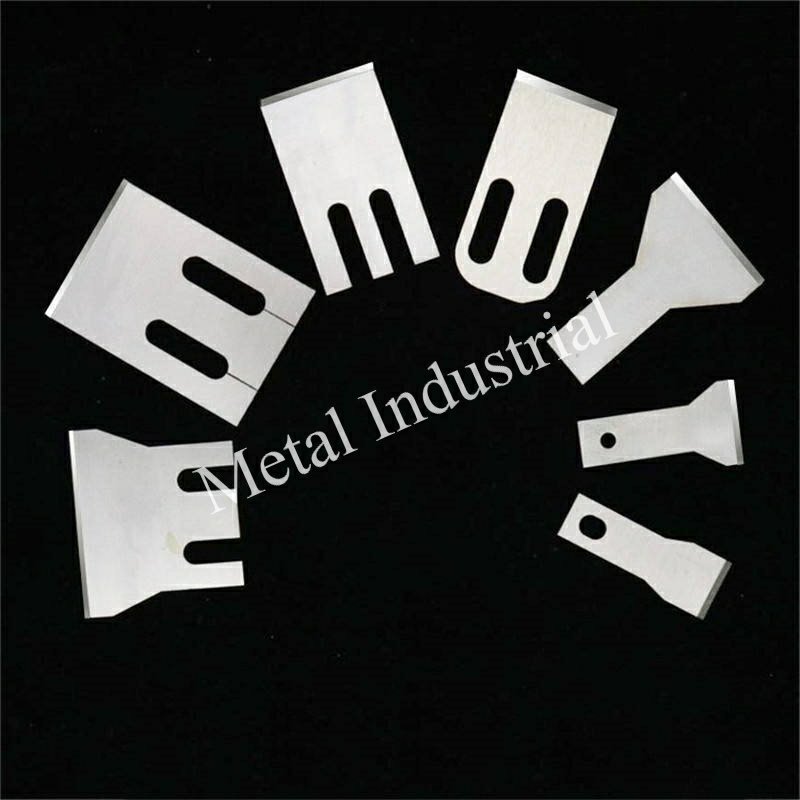
Resposta rápida: Na granulação de polímeros de grau médico, os aços inoxidáveis 420 e 440C não são intercambiáveis: o 420 oferece maior tenacidade, melhor polibilidade e maior tolerância à corrosão em circuitos de água com sanitização intensiva ou química variável; o 440C proporciona uma retenção de gume superior para polímeros abrasivos em circuitos de química estável e controlada. Ambos os graus exigem acabamento espelhado Ra ≤ 0.4 µm e passivação verificada conforme ASTM […]
Análise da causa raiz do lascamento em lâminas de tesoura: Fratografia, árvore de decisão e correções no SOP
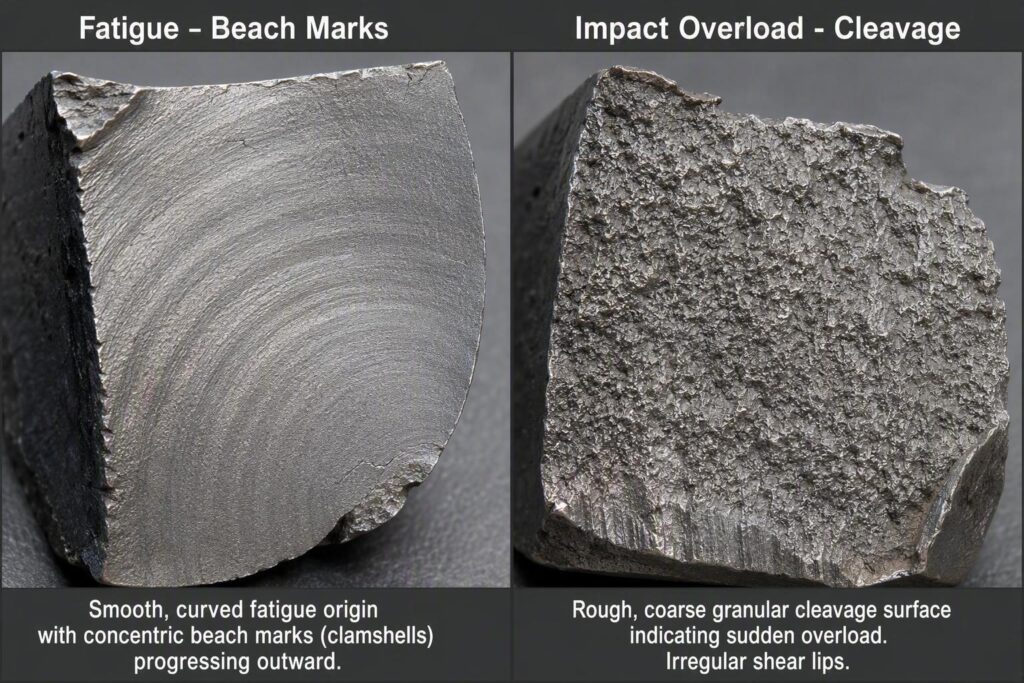
Quick Answer: Shear blade edge chipping root cause falls into two modes: fatigue (from cyclic stress — clearance errors, parallelism faults, or grinding burns) and impact (from sudden overload — foreign objects, excessive hardness, or geometry spikes). Read the fracture surface first: concentric arc-shaped beach marks mean fatigue; coarse granular cleavage with no arc pattern means […]
Ajustes de Sobreposição de Facas Circulares: Mecânica de Cisalhamento, Janelas de Material e Controle de Eixo

In continuous metal coil processing, achieving a clean, square, and burr-free edge is the primary benchmark of a well-calibrated slitting line. Behind every high-yield slitting run are two critical geometric parameters governing shear-cut quality: horizontal side clearance and vertical rotary knife overlap. While horizontal clearance dictates the stress concentration across the strip width, vertical knife […]
Lâminas para Trituradores de Pneus e VFV: Equilibrando Dureza e Tenacidade para Reduzir o Custo por Tonelada
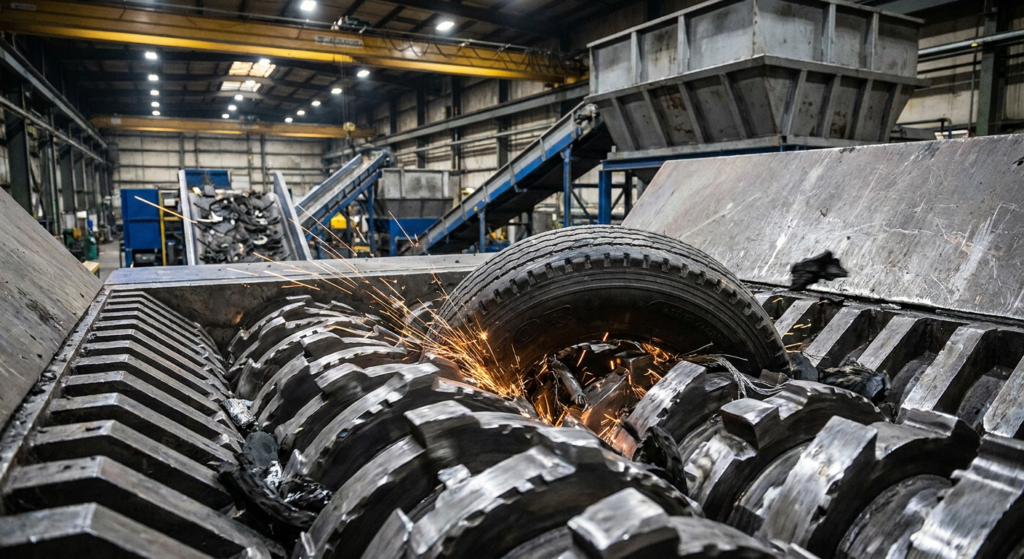
Quick Answer: Balance hardness (wear resistance) against Charpy impact toughness rather than maximizing HRC alone—DC53 at 58–60 HRC delivers roughly double D2’s impact toughness for contaminated tire/ELV streams, while a documented real-world case shows that fracture at mounting-hole geometry, not material hardness, is often the true root cause. Scope: This guide focuses primarily on primary and pre-shredding […]
Análise de causa raiz do pó de corte: Ra do flanco da lâmina, microestrutura e tolerâncias de montagem.
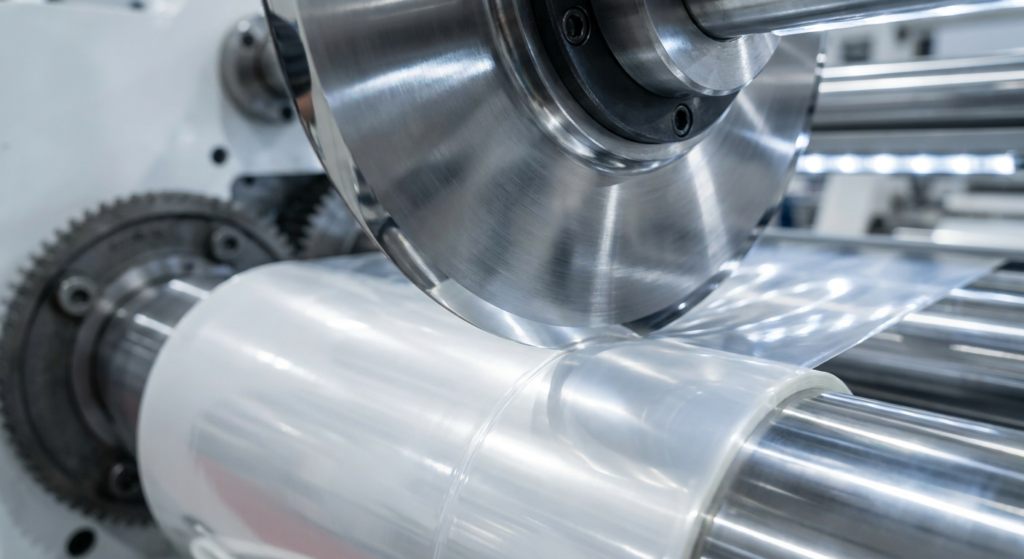
These four principles form the engineering framework Maxtor Metal’s application team applies when qualifying circular slitting knives for zero-dust converting programs in flexible packaging, nonwoven, and specialty paper lines. In high-speed flexible packaging, technical textile, non-woven, and specialty paper converting, particulate contamination is a major cause of unscheduled line shutdowns. What plant operators frequently diagnose […]
Reafiamento de Lâminas Industriais em Tira: Limites de Afiação, Critérios de Descarte e Modelo de Custo do Ciclo de Vida
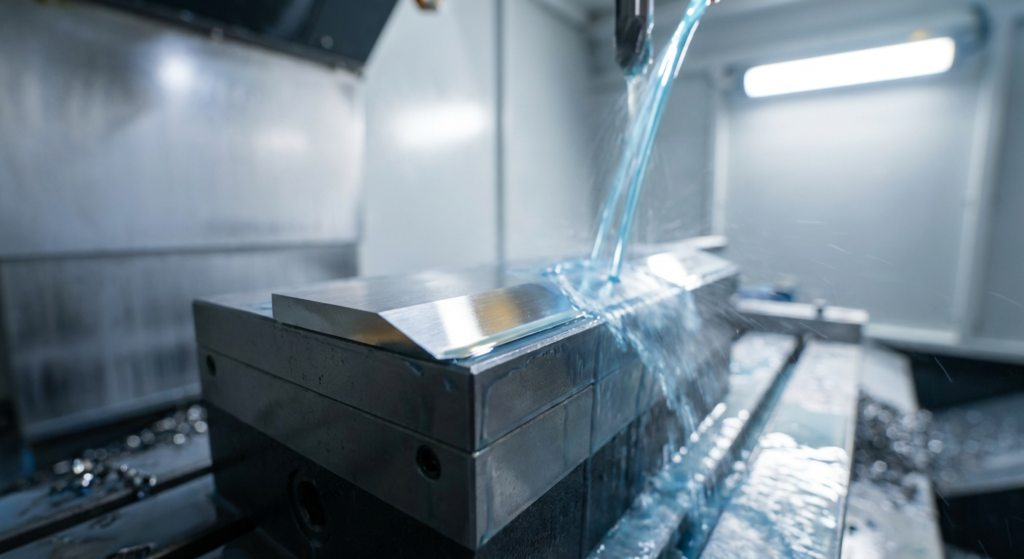
Quick Answer: Regrinding industrial strip blades is economical when: chipping depth is under 0.5 mm, remaining thickness is above 60–70% of nominal, and the estimated regrind cost is below 50% of a new replacement blade. The minimum safe stock removal is 0.010–0.015 in (0.254–0.381 mm) to clear the subsurface micro-fractured fatigue layer. Blades with radial cracks, […]
Facas granuladoras de metalurgia do pó M390 vs CPM S90V: Seleção de classe sob alto desgaste por fibra de vidro
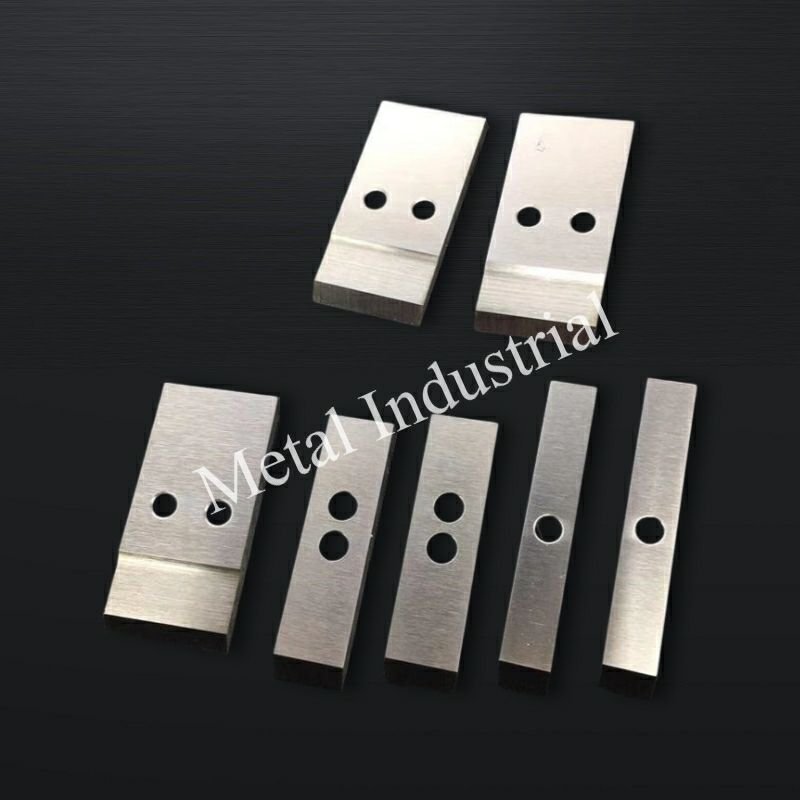
Quick answer: For pelletizing blades under high glass-fiber wear, powder metallurgy stainless steels outperform conventional tool steels because their fine, uniform carbide distribution resists micro-ploughing without the toughness trade-offs of high-alloy ingot steels. Between M390 and CPM S90V: choose CPM S90V when abrasion load is the dominant failure mode (>30% GF, neutral water); choose M390 when […]

 English
  Spanish
  Italian
  French
  Portuguese
  Russian
  German
  Arabic
  Hindi
Hindi  Vietnamese
  Indonesian
  Japanese
  Korean