

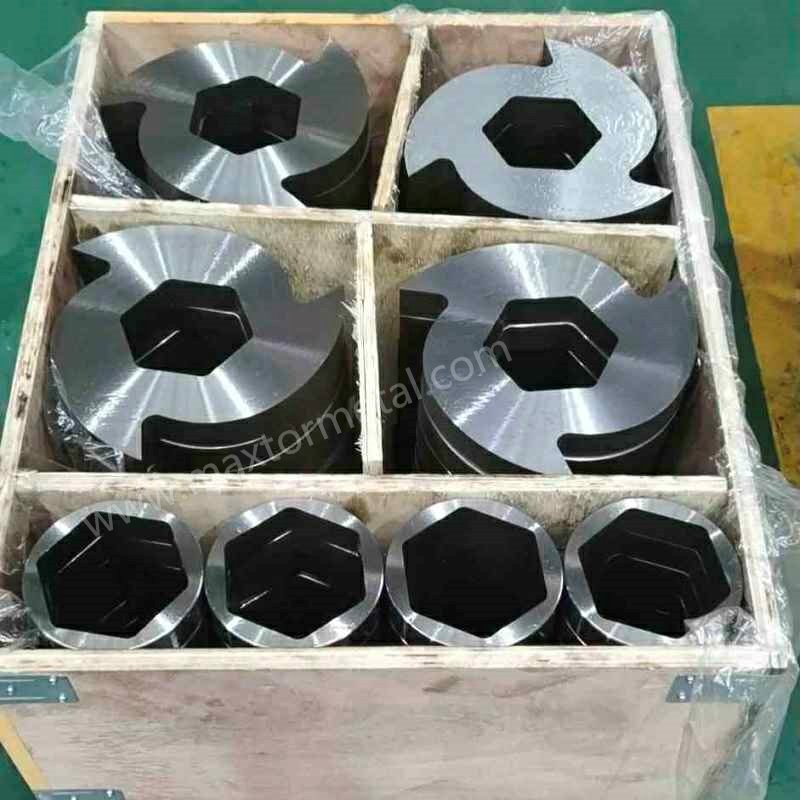
면책 조항: 이 가이드는 감사 대비가 완료된 인수 워크플로우를 문서화하기 위해 Maxtor Metal에서 작성했습니다. 여기에 설명된 방법과 결정 규칙은 공급업체에 구애받지 않으며(supplier-agnostic) OEM 부품이나 자격을 갖춘 모든 애프터마켓 공급업체에 적용할 수 있습니다. Maxtor Metal 페이지가 참조되는 경우, 이는 기하학적 형상군(geometry-family) 용어 참조용으로만 사용되므로 자체 SOP에서 사용하는 승인된 참조 페이지나 도면 패키지로 대체할 수 있습니다.
애프터마켓 파쇄기 칼날(shredder knives)을 구매하는 것이 가동 시간(uptime)을 담보로 한 도박처럼 느껴져서는 안 됩니다. 단축 또는 쌍축 파쇄기를 운영 중이라면 숨겨진 비용에 대해 이미 잘 알고 계실 것입니다. 서류상으로 “거의 일치하는” 칼날이라도 입자 크기를 사양에서 벗어나게 만들거나, 전류(amperage)를 상승시키거나, 간극(clearance) 관련 충돌을 유발하여 일상적인 교체 작업을 며칠이 걸리는 분해 수리 작업으로 변질시킬 수 있습니다.
이 가이드는 수입 검사를 불필요한 요식 행위로 만들지 않으면서, 감사에 즉시 대응할 수 있는 방식으로 애프터마켓 칼날의 자격을 검증하고자 하는 엔지니어링 및 기술 구매 팀을 위해 작성되었습니다. 실무 팀이 Maxtor Metal와 같은 공급업체의 OEM 호환 옵션을 평가할 때, 목표는 브랜드가 아니라 감사에서 입증할 수 있는 일관된 검사 증거를 확보하는 것입니다. 본 가이드에서는 인수 결정을 GD&T(기하공차), 측정 능력, 추적성과 연계하여 안정적인 처리량, 제어된 입자 크기, 계획되지 않은 다운타임 감소, 톤당 비용 절감 등 예측 가능한 결과를 도출하는 워크플로우를 소개합니다. 초기 단계에서는 검증하려는 정확한 칼날 제품군을 기준으로 삼는 것이 도움이 됩니다. (기하학적 형상군 용어 및 일반적인 문서 세트에 대한 참조는 Maxtor Metal 파쇄기 칼날 / 파쇄 나이프이자형 제품 페이지에서 이 가이드가 참조하는 칼날 제품군 및 표준 검사 항목 목록을 확인할 수 있습니다).
핵심 요점: “감사 대비 완료(Audit-ready)”란 구전 지식에 의존하지 않고 (1) 주문한 내역, (2) 검증 방법, (3) 각 칼날을 자재 및 공정 기록까지 추적하는 방법을 명확히 보여줄 수 있음을 의미합니다.
- 애프터마켓 파쇄기 칼날 조달을 위한 감사 대비 범위를 정의하고, 이를 처리량, 입자 크기 제어, 다운타임 및 톤당 비용과 연계합니다.
- 준수해야 할 핵심 요소들을 미리 살펴봅니다: 사양 계층 구조, CMM 계획(ISO 10360-2), CAD 대 부품 매칭, MTR 검증(EN 10204), 경도 검증, 기능적 맞춤 검사 및 문서화.
- 단축 및 쌍축 파쇄기에 대한 적용 범위를 명확히 하고, 인수 기준이 GD&T 및 추적성과 어떻게 연계되는지 설명합니다.
사양 관리 (감사 준비 완료 파쇄기 나이프 조달)
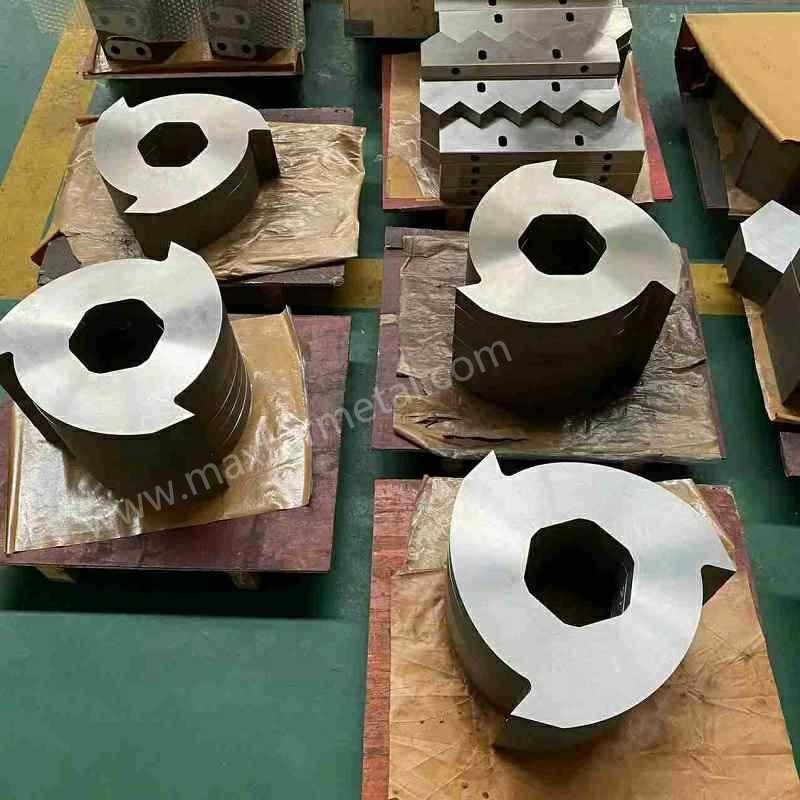
감사에 대비된 조달 프로세스는 한 가지 불편한 진실에서 시작됩니다. 대부분의 수입 검사 실패는 “서류상의 실패”라는 점입니다. 잘못된 개정본(revision), 누락된 참조 표준, 모호한 공차 해석, 또는 구매자의 PO(구매 주문서)가 공급업체에 귀사가 사용하는 것과 동일한 인수 논리를 명시적으로 구속하지 않는 경우 등이 이에 해당합니다.
사양 관리를 첫 번째 품질 관문으로 취급하십시오. 이는 또한 가장 비용이 적게 드는 관문이기도 합니다. 잘못된 대상을 완벽하게 측정하는 오류를 방지해 주기 때문입니다.
도면 및 CAD 개정 관리
결정 규칙: 도면/CAD 개정본을 고유하게 식별할 수 없거나 합의되지 않은 경우, 검사를 진행하지 마십시오. 먼저 격리 조치하고 개정 충돌을 해결해야 합니다.
실제 업무에서 “개정 관리”가 의미해야 하는 바:
- 형상에 대한 단일 진실 공급원(source of truth): 배포된 도면 패키지 및/또는 배포된 3D 모델.
- 불일치 발생 시 정의된 우선순위 (예: 명시적인 규정이 없는 한 도면이 모델보다 우선함).
- 업데이트를 전달하는 통제된 방법 (개정 문자/번호 + 날짜 + 변경 요약).
파쇄기 칼날의 경우, 미세한 변화(홀 패턴, 카운터보어 깊이, 보어 프로파일, 두께, 여유각 등)는 로터 스택을 조립하기 전까지는 눈에 보이지 않을 수 있으며, 조립 단계에 이르러서야 다운타임이라는 문제로 이어지기 때문에 이 점이 매우 중요합니다.
구매 주문서(PO) 및 참조 표준
구매 주문서는 단순한 품목 요청서가 아니라 측정에 관한 계약서처럼 작성되어야 합니다.
최소한 다음 요소를 구속력 있게 규정해야 합니다:
- 부품 식별: 부품 번호 + 개정본 + 도면/모델 파일 이름.
- 측정 시스템: GD&T 해석 표준 (일반적으로 ASME Y14.5).
- 불확실한 결과에 대한 인수 논리: 불확도 대 공차를 처리하는 방법 (CMM 섹션 참조).
- 필수 문서: CMM 보고서 형식, 초도품 검사(FAI) 기대치, EN 10204에 따른 자재 시험 문서, 경도 보고서 형식 및 추적성 마킹.
ISO GPS 환경에서 작업하는 경우, PO에 ISO 기반 GD&T 체계(예:, ISO 1101:2017 기하공차)를 명시적으로 기재하여 “동일한 기호, 다른 규칙”으로 인해 인수가 무산되는 일이 없도록 하십시오.
조립 필수 특성(Critical-to-fit) 목록
모든 치수에 동일한 주의를 기울일 필요는 없습니다. 다음을 작성하십시오: 조립 필수(CTF) 기능적 실패 모드와 직접 연계되는 특성 목록.
파쇄기 칼날의 대표적인 CTF 특성은 다음과 같습니다:
- 장착 인터페이스: 두께, 평행도, 안착면, 카운터보어/카운터싱크, 볼트 홀 위치도.
- 구동 인터페이스: 보어 크기/프로파일(키웨이/육각/스플라인), 데이텀 관계, 조립면의 런아웃.
- 스택 제어 (쌍축): 스페이서 두께, 누적 스택 높이, 축 방향 간극 목표치.
- 절단 기하학적 형상: 날 높이, 여유각/간극각, 후크 프로파일(해당하는 경우) 및 마모 마진 허용치.
리스트는 10~25개 항목 정도로 짧게 유지하는 것이 보통 충분합니다. 핵심은 감사 시 설명 가능하고 인수 단계에서 즉시 실행할 수 있는 검사 계획을 수립하는 것입니다.
CMM 검사 계획
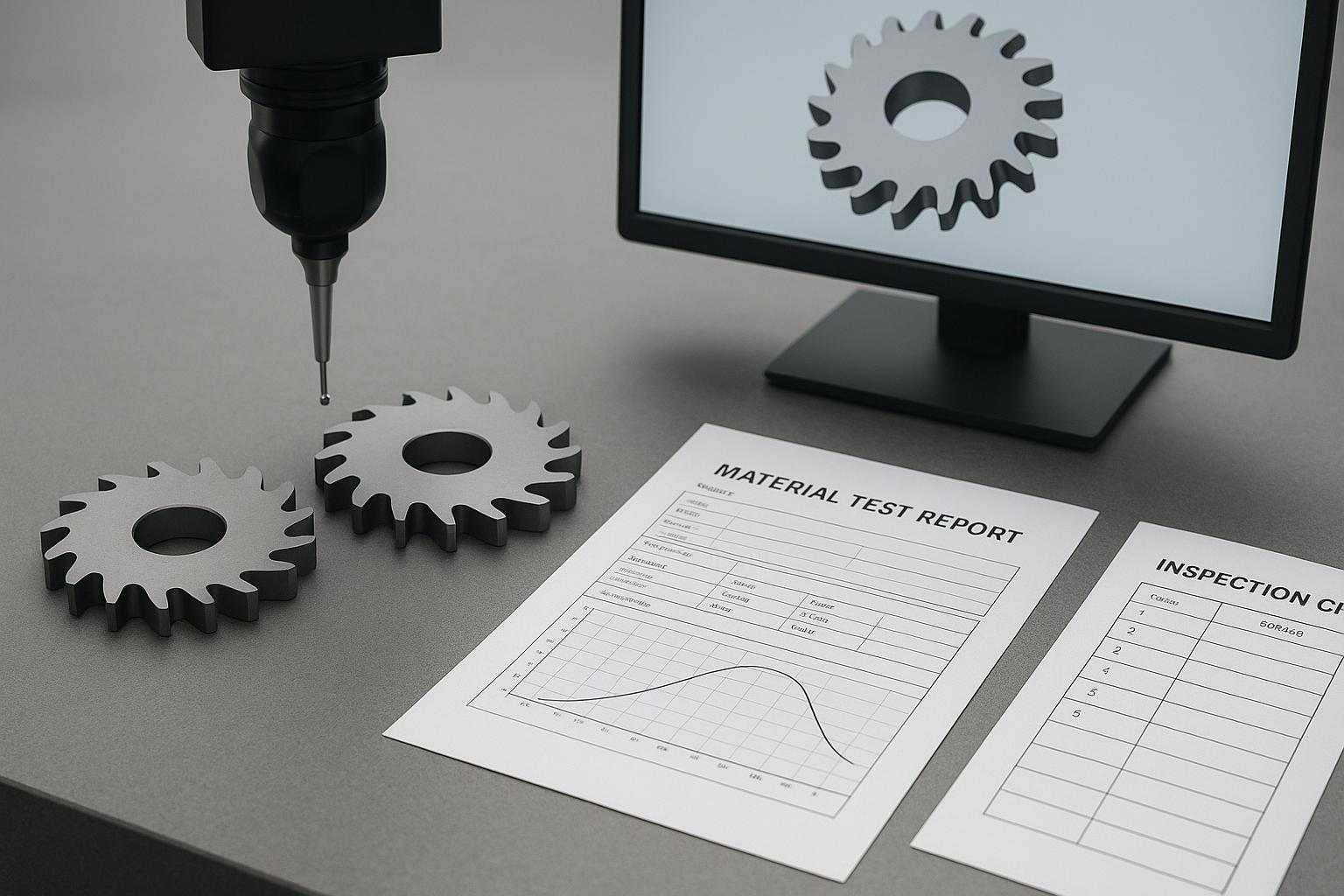
3차원 측정기(CMM)는 조달 과정을 더 안정적으로 만들 수도 있고, 반대로 잘못된 확신을 줄 수도 있습니다. 그 차이는 CMM 계획이 GD&T 데이텀, 환경 제어, 그리고 측정 결과가 공차 경계에 근접할 때의 명확한 의사결정 규칙과 연계되어 있는지 여부에 달려 있습니다.
인용해야 할 측정 기술의 “근간”은 ISO 10360-2, 로, 이는 선형 치수 측정에 사용되는 CMM의 인수 및 재검증 시험을 정의합니다. 인수 검사 구역을 교정 실험실로 바꿀 필요는 없지만, 측정 불확도와 합격 기준 사이의 문서화된 연계성은 반드시 확보해야 합니다.
ASME Y14.5에 따른 데이텀 체계
CMM 프로그램은 도면이 시작되는 지점, 즉 데이텀 기준계(datum reference frame)에서 시작해야 합니다.
Practical best practices:
- Align CMM datums to functional assembly surfaces, not the “easiest” surfaces to probe.
- Use the same primary/secondary/tertiary datum logic that constrains the part in the shredder.
- Document fixture repeatability: the same part reloaded should produce the same datum solution within a known window.
If you follow ASME GD&T, document that your interpretation is per ASME Y14.5, especially for features like true position, runout, and profile callouts that drive fit.
Capability vs tolerance (ISO 10360-2)
결정 규칙: If measurement uncertainty is a meaningful fraction of the tolerance, you must either tighten the measurement system or change the acceptance approach.
A simple, audit-friendly way to express this:
- Define a “guard band” near the tolerance limits.
- If a result falls inside the guard band, require one of:
- re-measurement with improved setup,
- higher-resolution probing strategy,
- more repeats, or
- escalation to engineering disposition.
This matters most on CTF features with tight tolerances: thickness, parallelism, bore profiles, and positional tolerances on bolt holes.
Probe strategy and environment
CMM planning failures often look like part failures.
Control the basics and document them:
- Probe qualification and stylus configuration used for the program.
- Temperature and stabilization time (especially for large twin-shaft discs or thick plates).
- Surface condition requirements: burrs, dings, and grinding swarf will pollute probe hits.
⚠️ 경고: If your receiving inspection area is a thermal rollercoaster, do not pretend your CMM numbers are interchangeable with a controlled metrology lab. Instead, tighten environmental control or move the final acceptance measurement to a controlled area.
CAD-to-part 승인
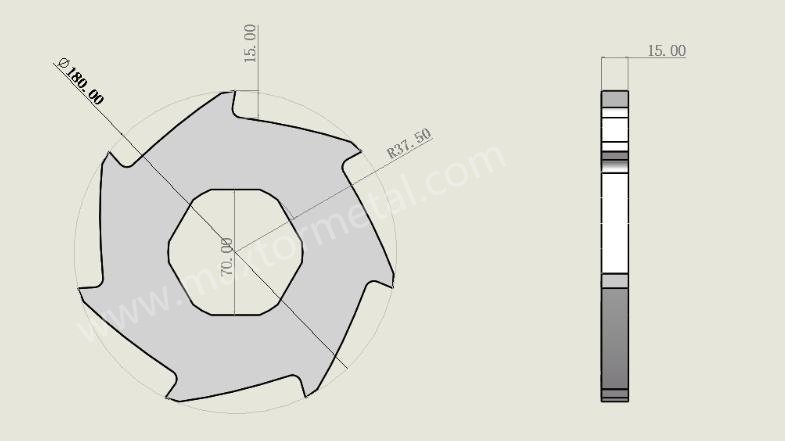
사례 스냅샷: 가드 밴드가 조립 위험을 방지하는 방법
The following anonymized example shows how an audit-ready decision rule (measurement uncertainty + guard band) can prevent “passed on paper, failed in assembly” outcomes.
The data in this snapshot is based on anonymized case materials provided by a waste plastic recycling customer during a project Maxtor Metal supported; the customer name has been withheld.
What happened (twin-shaft knives):
- Application: waste plastic recycling (twin-shaft shredder knives)
- Knife OD: Ø320 mm; thickness: 30 mm; drive interface: hex bore
- Lot size: 120 pcs
- Drawing requirement (across flats): 80.00 mm ±0.10 mm
- Internal critical-to-assembly risk limit: >80.15 mm may increase fit clearance and raise early wear / torque transfer risk
How it was discovered:
- Traceability verification (heat number, material certificate, heat-treatment batch, packing list): documents were consistent and complete.
- CMM sampling inspection (based on ASQ’s ANSI/ASQ Z1.4 acceptance sampling standard, Level II as an example): 13 pcs sampled.
- Measured results (across flats): 80.17, 80.18, 80.21, 80.23 mm (max 80.23 mm).
- Guard band assessment (example method):Example thresholds used in this case snapshot:
- Accept: ≤80.08 mm
- Review: 80.08–80.12 mm
- Reject: >80.12 mm
Root cause investigation: the supplier relied on a Go/No-Go gauge instead of 100% CMM verification for the hex bore; tool wear caused the bore to drift oversize.
Disposition and result:
- Immediate containment: quarantine the full lot (120 pcs) and prevent installation.
- Supplier action: re-inspect all inventory, replace the cutting tool, and sort conforming parts.
- Outcome: 104 pcs accepted; 16 pcs reworked—avoiding teardown downtime and abnormal sleeve wear, with a complete NCR closed-loop record.
Note on illustrative values:
- The sampling reference (ANSI/ASQ Z1.4), the assumed measurement uncertainty (±0.02 mm), and the guard band thresholds below are illustrative values only.
- Always use your internal procedures (or customer-approved requirements) for sampling plans, uncertainty estimation, and decision thresholds.
A CAD-to-part comparison is where “aftermarket” procurement gets real. It’s also where miscommunication hides: CAD exported in the wrong units, wrong coordinate system, or a model that doesn’t actually represent the released drawing.
Digital compare and FAI report
Use digital compare to answer a narrow question: does the delivered geometry match the released CAD within the defined acceptance scheme?
An audit-ready package includes:
- CAD file identification (name, revision, checksum if you use it).
- Alignment method (datum alignment matching your drawing).
- A first article inspection (FAI) summary that links each CTF feature to a measured result and disposition.
Acceptance criteria and sampling
Sampling depends on risk:
- First article / first lot: heavier sampling; more repeats on CTF features.
- Established supplier + stable part: reduced sampling, but never zero—especially when steel heats change.
A pragmatic approach:
- 100% verify CTF features on the first article.
- For subsequent lots, inspect a defined sample size per lot, with escalation triggers (see next section).
Nonconformance coding and rework
Your nonconformance (NCR) codes should map to actionable root causes.
Examples that work well in knife procurement:
- REV: wrong revision / wrong referenced standard.
- GEO: geometry out of tolerance (CTF).
- SURF: surface finish, grind burn suspicion, burrs.
- HT: heat treat / hardness discrepancy.
- TRACE: traceability gaps (marking, MTR missing fields, heat/lot mismatch).
Rework rules must be written down. For knives, rework can change hardness, flatness, or geometry. If rework is allowed, define:
- what rework processes are permitted,
- what must be re-verified after rework,
- whether the part requires new traceability marking.
MTR 및 경도 검증
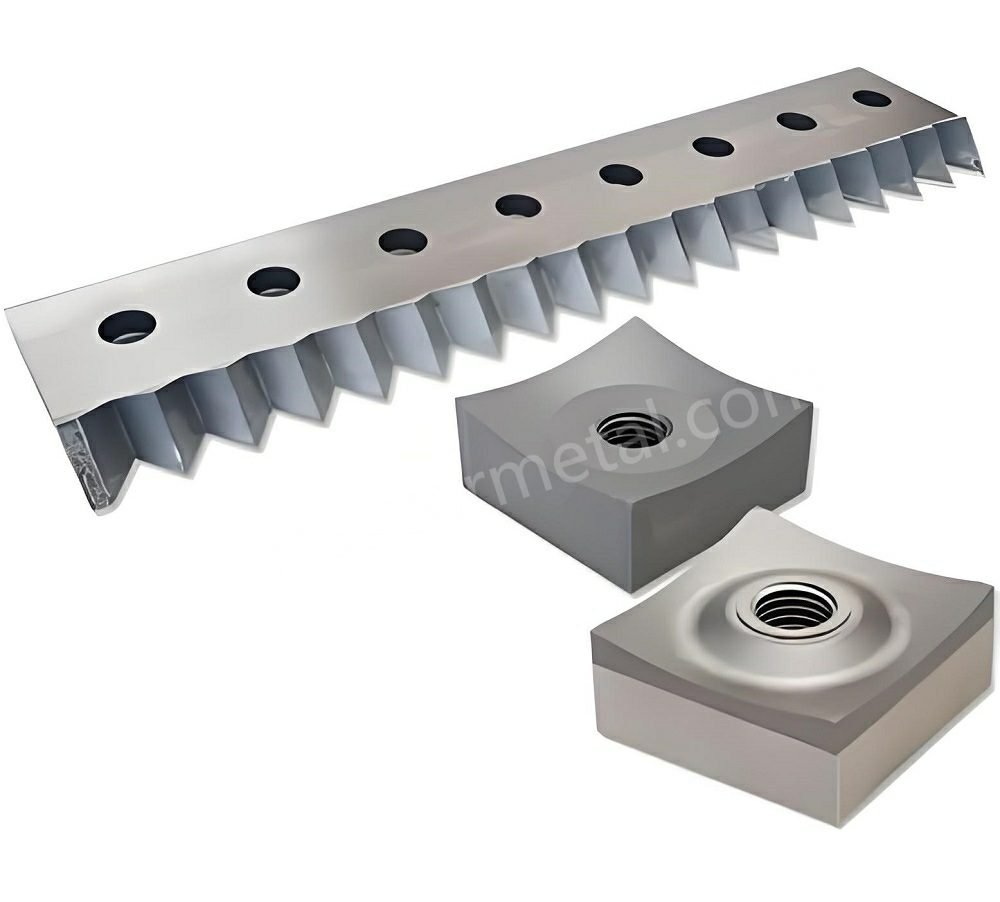
Material paperwork is not the same as metallurgy verification. Audit-ready procurement separates the two:
- validate the material certificate for completeness and traceability, then
- verify finished-part hardness on the knives you actually received.
EN 10204 MTR completeness
For metallic products, EN 10204 defines different levels of inspection documentation (declarations vs inspection certificates). If you need an audit-friendly overview to align your requirements with common certificate types, a useful reference is the British Stainless Steel Association’s summary of BS EN 10204 test certificates.
Regardless of certificate type, your completeness check should confirm:
- manufacturer identity and certificate ID/date
- heat/cast/lot numbers
- material grade/specification
- chemical composition and mechanical properties as required by your spec
- any required signatures/stamps per your procurement level
결정 규칙: If heat/lot identification cannot be tied to the delivered knives, treat the lot as nonconforming—even if the numbers “look good.”
Hardness verification on finished knives
Hardness is the bridge between paperwork and performance.
A defensible method:
- Define the hardness scale and method (Rockwell HRC is common for tool steels).
- Common target ranges by application:
Typical shredder knife hardness requirements vary by material type and shredder design. As a reference, many single-shaft configurations for rigid plastics use D2 or equivalent tool steel at HRC 58–62; twin-shaft applications handling mixed metal scrap often specify lower ranges (HRC 52–56) to balance wear resistance with impact toughness. Always verify the target range against your specific knife drawing and the OEM’s recommendation — hardness outside the specified window is a nonconformance regardless of direction. For corrosive or hazardous-feed applications — such as lithium-ion battery shredding — hardness verification should be paired with material compatibility checks against the specific chemical exposure; see our lithium-ion battery shredding hazards guide for HF-related material considerations.
- Common target ranges by application:
- Tie the test method to a recognized standard such as ASTM E18 Rockwell hardness test methods.
- Specify locations (avoid edges; choose consistent zones), surface prep requirements, and the number of indents.
결정 규칙: If the finished knife hardness is out of range, do not “average it away.” Treat it as a heat treat nonconformance until engineering disposition proves otherwise.
Heat/lot traceability and markings
Traceability only works if it survives the shop floor.
Require markings that connect:
- knife (or packaging) → heat/lot → certificate → inspection report.
From an audit perspective, you’re building a traceability chain. For the underlying concept and language, it’s useful to align with NIST’s metrological traceability policy and FAQs, even if your day-to-day work is purely industrial.
기능적 적합성 검사

Dimensional conformance does not guarantee functional fit. Functional fit checks are where you connect inspection data to what you actually care about: stable cutting action, controlled particle size, and avoidance of contact events.
Single-shaft clearances and setup
메모: Always use the OEM 매뉴얼 and/or an engineering-approved setup window for gap/clearance targets. This guide focuses on how to verify, record, and audit the setup—not on universal numeric clearance values, which vary by shredder design, material, and risk profile.
For single-shaft shredders, clearance checks are usually about the knife-to-anvil (bed knife) relationship and the practical setup window.
A shop-floor fit check that remains audit-friendly:
- Verify the knife seating condition (cleanliness, burr-free, no rocking).
- Verify fastener condition and torque method (calibrated wrench, documented pattern).
- Set and record knife-to-anvil gap using a defined method (feeler gauge sequence, indicator sweep, or a fixture).
Acceptance principle: Your gap target must be tied to material and risk. A tighter gap can improve shearing and size control, but it also increases the consequence of stack errors, thermal growth, and contaminant strikes.
In screen-limited sizing applications such as RDF/SRF secondary shredding, this size-control effect becomes a compliance metric (e.g., P98 particle-length targets) rather than just a quality preference — see our guide on RDF/SRF 처리 효율을 위한 장조각 불량 방지 엔지니어링 for how gap discipline ties directly into sizing KPIs.
Twin-shaft stack and timing
Twin-shaft functional fit is primarily a stack-control problem.
Audit-ready fit checks should cover:
- Spacer thickness verification (individual + cumulative).
- Axial side-gap verification against your target window.
- Timing alignment checks (tooth intermesh relationship) using a defined method.
결정 규칙: If cumulative stack height drift is enough to push clearances toward contact, stop and correct the stack—do not “run it in.” For the underlying tolerance-chain mechanics behind stack drift — GD&T flatness/parallelism/perpendicularity targets, spacer selective-fit binning, and post-assembly TIR acceptance gates — see Multi-shaft Blade Tolerance Stacking: GD&T Controls, Spacer Selective Fit, and Post-assembly TIR Verification.
Torque records and recheck
Torque and recheck are often the difference between “passed inspection” and “stayed passed.”
Document:
- torque values, tool ID/cal status, pattern, and re-torque timing
- recheck triggers (e.g., first hour of run time, first high-torque jam event, after a thermal cycle)
This is also where procurement and maintenance connect: if you see repeated torque loss or spacer compression, it’s a sourcing and spec-control problem—not just an operator problem. In high-shock feeds such as whole-tire or ELV pre-shredding, repeated fastener loosening or edge chipping can also point to a hardness-versus-toughness mismatch for the duty cycle, not just a torque-procedure gap — see our guide on balancing hardness vs. toughness for scrap tire and ELV shredder blades to diagnose which failure mode you’re actually dealing with.
문서 패키지
One-page receiving checklist
Use this as a right-sized, audit-friendly checklist for each incoming lot (first lot can be stricter; established suppliers can use sampling, but keep the records consistent).
| 단계 | What to verify | Evidence to file | Pass criteria | If it fails |
|---|---|---|---|---|
| 1 | PO + part identification | PO, part number, revision, drawing/CAD file name | All identifiers match what you intend to accept | Quarantine; resolve revision/spec conflict |
| 2 | Spec hierarchy + referenced standards | Drawing notes, PO clauses, standards list | One clearly stated GD&T rulebook (ASME Y14.5 or ISO GPS) and precedence is defined | Engineering review; update PO/controlled docs |
| 3 | Critical-to-fit features list is defined | CTF list (10–25 features) | CTF features map to functional risks (stack, bore, bolt holes, seating faces) | Stop acceptance until CTF list exists |
| 4 | CMM datum scheme and program ID | CMM setup sheet, program name/rev, fixture record | Datums align to functional assembly surfaces; repeatability documented | Re-program/re-fixture; re-measure |
| 5 | Uncertainty vs tolerance decision rule | Guard-band rule, disposition workflow | Near-limit results follow a written escalation path | Escalate; re-measure or engineering disposition |
| 6 | CAD-to-part compare (if used) | Compare report + alignment method | Correct units + datum alignment; deviations tied to CTF acceptance | NCR or rework disposition |
| 7 | EN 10204 material certificate completeness | MTR/certificate | Manufacturer, cert ID/date, heat/lot, grade, required properties/signatures present | NCR: TRACE/MTR incomplete |
| 8 | Heat/lot traceability to physical knives | Marking photos, packaging labels, cross-reference table | Heat/lot on parts or packaging matches certificate and inspection report | Treat lot as nonconforming |
| 9 | Finished-part hardness verification | Hardness report (method, scale, locations, results) | Results within specified range; no “averaging away” outliers | NCR: HT; engineering disposition |
| 10 | Functional fit check record | Gap/clearance/timing sheet + torque record | Clearances set within target window; torque method recorded | Stop install; correct stack/setup |
| 11 | NCR coding and disposition | NCR log | Codes align to REV/GEO/SURF/HT/TRACE and actions are documented | Containment + corrective action request |
| 12 | Dossier completeness and retention | Lot dossier index | All required files retrievable by lot/heat and machine/rotor set | Do not close receiving until complete |
Suggested record fields (single-shaft + twin-shaft): lot ID, heat/lot number, part number + revision, drawing/CAD file name, incoming date, supplier shipment/packing list ID, CTF checklist ID, CMM program name + revision, fixture ID, probe/stylus configuration, measurement environment (temperature/time), guard-band rule used, FAI status (Y/N), CAD-compare report ID (if used), certificate/MTR ID, hardness method + scale + indent count + locations, marking photo reference, functional fit record ID, torque tool ID + calibration due date, torque pattern + values, retorque/recheck timing, NCR ID(s) and disposition, approved-by and date, machine/rotor set identifier.
The documentation package is the part most teams skip—until an internal audit, a customer complaint, or a failure analysis forces you to rebuild history.
Audit-ready dossier contents
A right-sized dossier for each incoming lot can include:
- PO + drawing/CAD revision record + referenced standards
- CTF feature list + inspection plan summary
- CMM report (or equivalent measurement report) with datums, results, and disposition
- CAD-to-part comparison summary (when used)
- EN 10204 certificate + traceability cross-reference table
- hardness report (method, locations, results)
- functional fit check record (gap/clearance settings, stack verification, timing check)
- NCRs and dispositions (if any)
Supplier qualification artifacts
For aftermarket knives, supplier qualification is not about fancy badges. It’s about whether they can consistently reproduce geometry and metallurgy.
Artifacts that auditors (and engineers) respect:
- calibration program overview (CMM, hardness testing, key gauges)
- process control points (heat treat controls, grinding/EDM controls, post-process stress relief)
- sample inspection reports (redacted is fine) showing repeatability on CTF features
Record retention and traceability
Define retention based on risk:
- high-risk applications (high torque, high contamination, safety-critical downstream) → longer retention
- lower-risk applications → shorter retention, but still enough to cover warranty and incident investigations
Most importantly: make records retrievable by lot/heat 그리고 machine/rotor set. If you can’t answer “which knives were in the machine when the failure happened,” your traceability system is cosmetic.
결론
Audit-ready procurement is not about adding paperwork. It’s about changing the default from “hope the knives fit” to “prove they fit, and prove we can trace them.” If you’re sourcing OEM-compatible knives through Maxtor Metal or any other aftermarket channel, the discipline is the same: acceptance criteria that are written down, measurable, and traceable. The practical decision rules above protect your geometry (fit), your metallurgy (wear and chipping risk), and your clearances (contact avoidance)—and those three protections are what reduce downtime and ultimately cost per ton.
To implement this across suppliers and incoming lots:
- Lock down spec hierarchy (revision control + referenced standards) before you inspect anything.
- Build a CTF list and a CMM plan tied to your datum scheme and ISO 10360-2 capability.
- Require EN 10204 documentation completeness and tie it to physical heat/lot markings.
- Verify finished-part hardness using a defined method (don’t rely on certificates alone).
- Add functional fit checks as a formal acceptance step, especially for twin-shaft spacer stacks.
If you want a clean starting point, you can base your internal checklist on your current knife families and documentation expectations. In practice, teams often keep a neutral reference link in the receiving SOP to avoid ambiguity about knife types and documentation sets; for shredder knives, teams working with Maxtor Metal knives can use the 제품 페이지 as the geometry and documentation reference in their SOP — the acceptance criteria in this guide apply regardless of supplier. The key is consistency: the same acceptance logic, the same records, every lot.
품질 시스템 및 검증
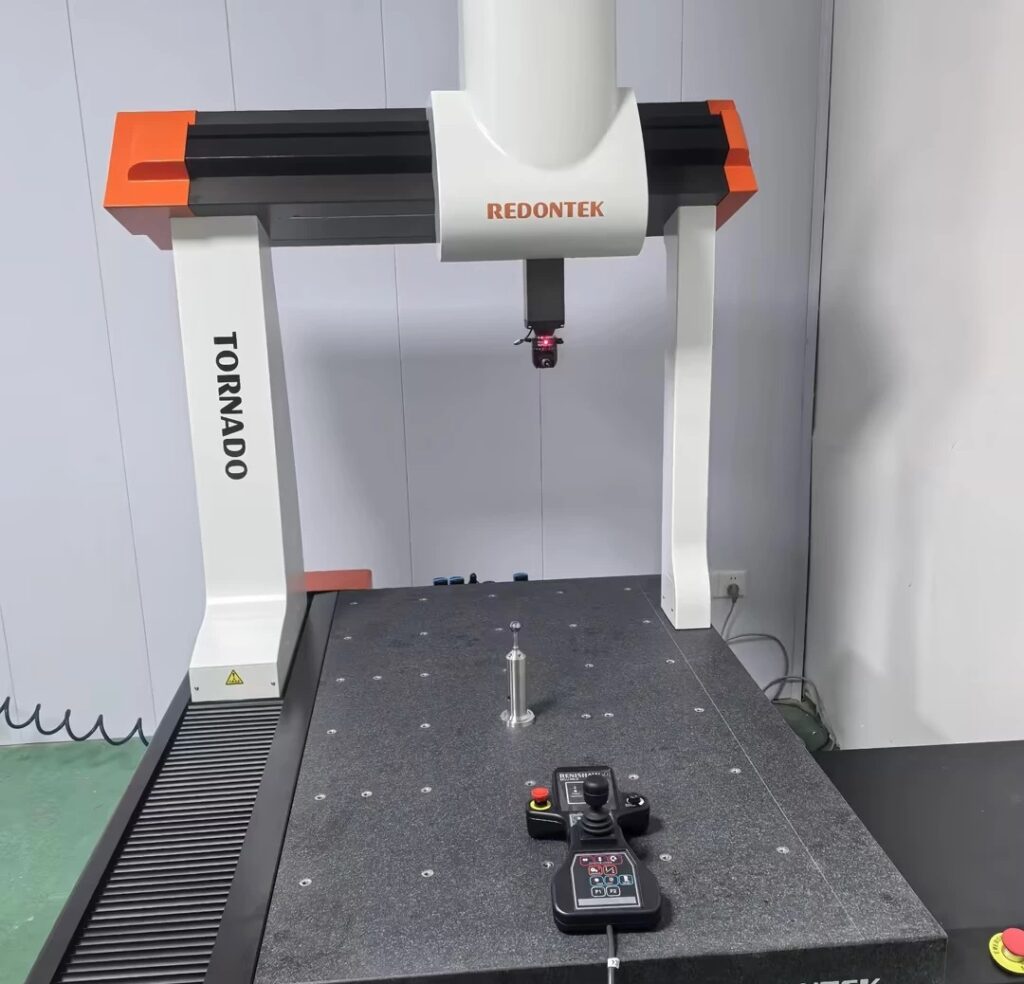
Maxtor Metal operates under an ISO 9001 quality management system. For supplier qualification, you can review the certificate images on the Maxtor Metal About page and request the full certificate details (scope, issuing body, validity) on request. For auditable evidence tied to the specific knives you receive, use the supporting artifacts referenced throughout this guide (e.g., calibration records for key measurement equipment, sample inspection reports, and traceability documentation).
제시 쉬 입니다 선임 품질 엔지니어(QA) ~에 Maxtor Metal, 와 함께 15년 of hands-on experience supporting industrial blade manufacturing, incoming inspection, and supplier quality.
His work includes 고장 분석 for shredder knives and related cutting components—helping engineering and procurement teams distinguish common root causes such as heat-treatment process deviation versus material segregation, which can present as chipping, premature wear, or unstable edge performance.
신임장: ASQ CQE, ISO 9001 선임 심사원, ASNT 레벨 II
This article was reviewed by the Maxtor Metal QA team.
FAQ
애프터마켓 파쇄기(shredder) 나이프에 있어 "감사 준비 완료(audit-ready)"란 무엇을 의미합니까?
완벽한 증거 체인을 제시할 수 있다는 것을 의미합니다: 승인된 사양 개정본 → 측정 계획 → 결과 및 처분 → 재질 증명서 및 추적성 → 기능적 적합성 기록. 단 하나의 고리라도 빠지면 그것은 감사 준비가 된 조달이 아니라, 그저 좋은 의도일 뿐입니다.
2) What should be on a mill test report (MTR) for shredder knives under EN 10204?
You should be able to identify the manufacturer, certificate ID/date, material grade/spec, and the heat/lot numbers that tie directly to the delivered knives. Your PO should also specify what level of certificate you require (declaration vs inspection certificate) and any required signatures.
3) How do I decide if my CMM is “good enough” to accept knife dimensions?
Tie acceptance to uncertainty vs tolerance. If your measurement uncertainty is large relative to the tolerance (especially on critical-to-fit features), you need either a better measurement setup (fixtures, probing strategy, environment) or a tighter decision rule (guard band + escalation).
4) Which dimensions are most critical when buying aftermarket shredder knives?
Thickness and parallelism (stack control), bore/drive interface geometry (torque transfer), bolt-hole true position (assembly repeatability), and any seating faces that define clearance. These features correlate most directly with vibration, contact risk, and unstable particle size.
5) Should I rely on the material certificate instead of hardness testing the finished knives?
No. The material certificate supports traceability, but hardness verifies the finished part you received. Audit-ready workflows treat them as two separate checks.
6) What’s the most common reason aftermarket knives “pass inspection” but fail in the shredder?
Functional fit wasn’t verified. A part can be dimensionally close yet still assemble into a stack that drifts clearances toward contact, especially on twin-shaft spacer stacks or when seating conditions/torque practices vary.
7) How often should I re-qualify an aftermarket knife supplier?
Re-qualify when something changes: a revision change, new steel source/heat treat route, new grinding/EDM process, a quality escape, or a repeated field failure mode. Otherwise, use ongoing lot-based sampling with clear escalation triggers.

 English
  Spanish
  Italian
  French
  Portuguese
  Russian
  German
  Arabic
  Hindi
Hindi  Vietnamese
  Indonesian
  Japanese
  Korean