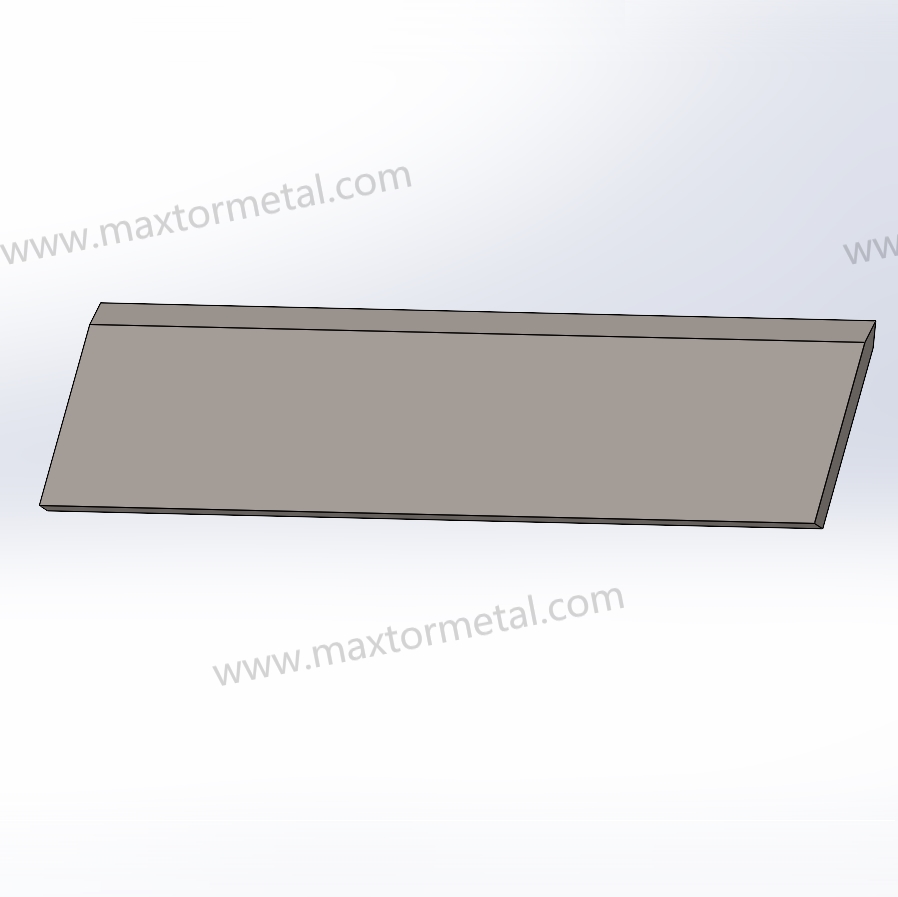
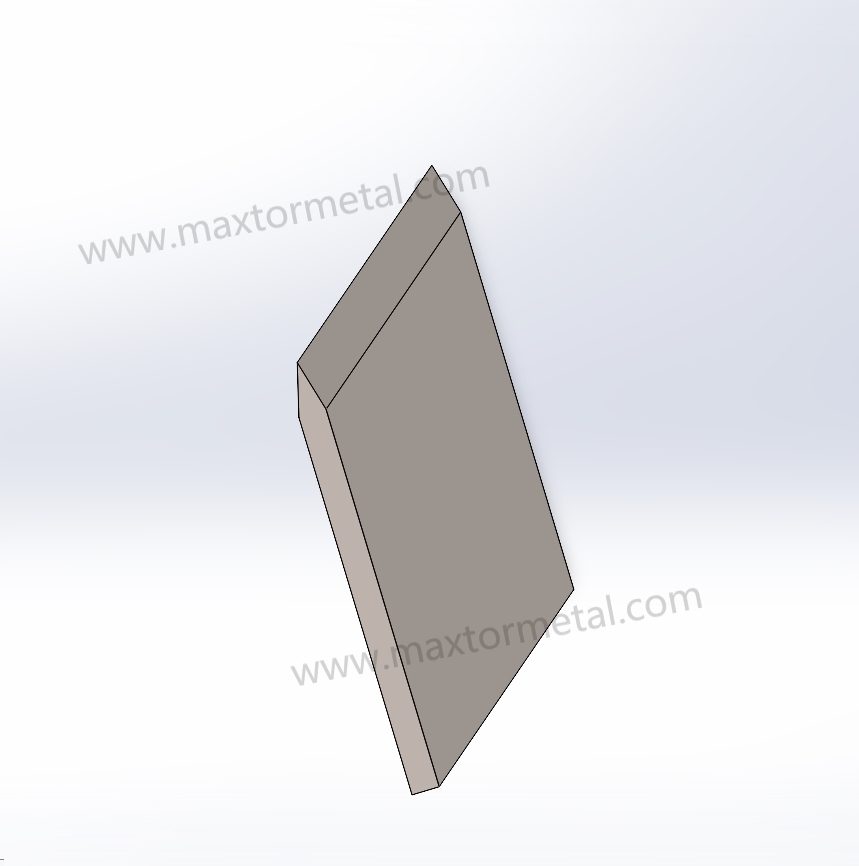
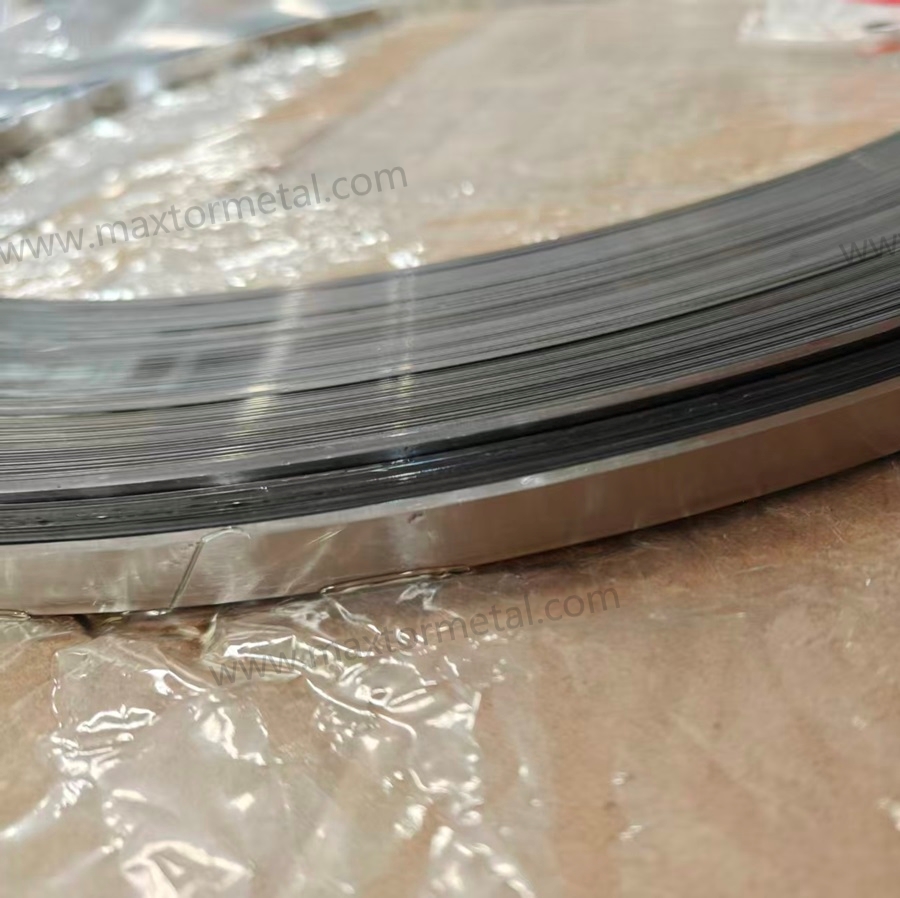
Được thiết kế cho việc cắt lát liên tục tốc độ cao và sản xuất lưỡi dao dạng lưới phức tạp, loại thép dải này cân bằng giữa khả năng giữ độ sắc bén cực cao với độ bền cấu trúc cần thiết cho việc cắt rãnh công nghiệp.
Tham số
Thông số kỹ thuật (Thép cacbon cao)
Thông số kỹ thuật (Thép không gỉ)
Vật liệu cấp độ
SK5, C100S, C75
420 (1,4021), 440C
Phạm vi độ cứng
HRC 56 – 62
HRC 46 – 56
Phạm vi độ dày
0,50mm – 2,0mm
0,50mm – 2,0mm
Phạm vi chiều rộng
7mm – 100mm
7mm – 100mm
Dung sai độ dày (với C)pk ≥1,33 trên cuộn dây liên tục 500m)
± 0,01 mm đến ± 0,02 mm
Sai số từ ± 0,01 mm đến ± 0,02 mm
Hoàn thiện bề mặt
Lưỡi dao: Ra < 0,8µm; Thân dao: Ra < 1,6µm
Lưỡi dao: Ra < 0,8µm; Thân dao: Ra < 1,6µm
Tiêu chuẩn kích thước.
ISO 2768-mK
ISO 2768-mK
Định dạng cung cấp
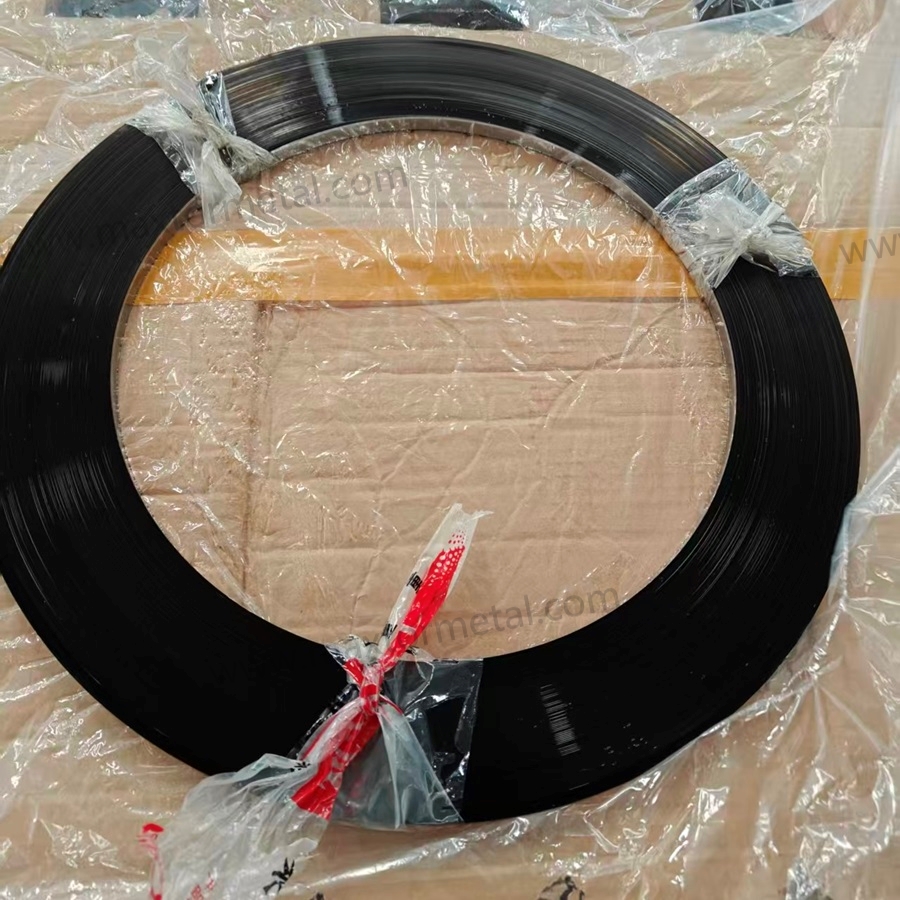
Cuộn dây: 100m, 200m, 300m, 500m
Cuộn dây: 100m, 200m, 300m, 500m
2. Tổng quan về kỹ thuật thép dải lưỡi dao: Cơ chế hình thành cạnh lưỡi dao
Trong lĩnh vực chuyên môn của Thép băng mài cạnh dạng cuộn, Hiệu suất là một hàm của Hình học cạnh Và Độ bền vật liệu. Khác với thép tấm thông thường, thép tấm dùng làm lưỡi dao phải trải qua chu trình cán nguội và xử lý nhiệt nghiêm ngặt để đảm bảo rằng khi thép được "xẻ rãnh" tạo thành lưới cắt, nó không bị nứt do ứng suất.
2.1 Độ bền chống nứt trong các ứng dụng lưới điện
Việc sản xuất lưỡi cắt lưới (máy cắt hạt lựu) bao gồm việc cắt các rãnh vào dải kim loại. Điều này tạo ra những thay đổi đáng kể. Hệ số tập trung ứng suất (K)t). Phương pháp kỹ thuật của chúng tôi tập trung vào việc kiểm soát hình thái cacbua ở các mác thép SK5 và 440C. Bằng cách đảm bảo phân bố cacbua mịn, dạng hình cầu, chúng tôi giảm thiểu nguy cơ "gãy lưỡi" (gãy giòn) ở các góc rãnh trong khi vẫn duy trì độ cứng lên đến HRC 62.
2.2 Các yếu tố liên quan đến ma sát học
Trong quá trình cắt tốc độ cao màng PE/BOPP hoặc các sản phẩm thịt dạng sợi, bề mặt lưỡi dao chịu ma sát cục bộ mạnh. Độ hoàn thiện bề mặt được chỉ định của Ra < 0,8µm Việc đặt vật ở rìa không chỉ mang tính thẩm mỹ; nó còn làm giảm đi... Hệ số ma sát (μ), ngăn ngừa hiện tượng bám dính vật liệu (bám dính) và làm mềm đầu cắt do nhiệt.
3. Ứng dụng công nghiệp của thép dải lưỡi dao: Phân tích theo từng lĩnh vực cụ thể
3.1 Cắt nhỏ thực phẩm công nghiệp (Hệ thống lưới)
Mục tiêu: Khoai tây, cà rốt và hành tây.
Thiết bị: Máy cắt kiểu Urschel.
Trọng tâm kỹ thuật: Khả năng chống ăn mòn. Các loại thép 420 và 440C được sử dụng để chịu được môi trường axit/nước trong quá trình chế biến rau củ, đồng thời vẫn đảm bảo độ bền cần thiết để xử lý việc cắt thái hạt lựu tần suất cao.
3.2 Cắt thịt và protein
Mục tiêu: Các sản phẩm thịt chế biến.
Thiết bị: Máy cắt băng tải liên tục.
Trọng tâm kỹ thuật: Độ cứng ngang. Khoảng độ dày 0,50mm-2,0mm cung cấp độ bền dầm cần thiết để ngăn ngừa sự biến dạng của lưỡi dao trong quá trình cắt protein tốc độ cao.
3.3 Bao bì VFFS (Vertical Form Fill Seal)
Mục tiêu: Màng BOPP, PE và màng nhiều lớp.
Thiết bị: Máy đóng gói tự động.
Trọng tâm kỹ thuật: Khả năng "đâm xuyên và cắt" cực kỳ sắc bén. Thép carbon SK5/C100S được ưu tiên sử dụng ở đây vì khả năng giữ được độ sắc bén như dao cạo so với thép không gỉ tiêu chuẩn.
3.4 Chế tạo bọt và cao su tổng hợp
Mục tiêu: Mút cách âm, gioăng.
Thiết bị: Dây chuyền cắt xẻ tạo lưới theo yêu cầu.
Trọng tâm kỹ thuật: Đảm bảo tính nhất quán trên các cuộn dây dài (lên đến 500m) để giảm thiểu thời gian ngừng hoạt động của máy trong quá trình thay cuộn dây. Để có khung phân tích định lượng về cách chiều dài cuộn dây ảnh hưởng trực tiếp đến khả năng hoạt động của thiết bị tổng thể (OEE) — bao gồm các công thức tính thời gian ngừng hoạt động khi thay đổi cuộn dây, tính toán phế liệu mối nối và trường hợp thí điểm cắt dải lưỡi dao — hãy xem Lợi ích về hiệu suất tổng thể (OEE) thu được từ việc giảm tần suất thay cuộn dây.
3.5 Cắt xẻ vải dệt và vải không dệt
Mục tiêu: Vải công nghiệp, vải y tế.
Thiết bị: Dây chuyền xẻ tốc độ cao.
Trọng tâm kỹ thuật: Khả năng giữ độ sắc bén. Độ cứng HRC cao hơn (56-62) ở các loại thép carbon đảm bảo lưỡi dao có thể cắt các sợi tổng hợp mài mòn mà không cần mài lại thường xuyên.
3.6 Chế biến trái cây (Cắt lát/Bỏ lõi)
Mục tiêu: Táo, dứa.
Thiết bị: Dây chuyền chế biến trái cây công nghiệp.
Trọng tâm kỹ thuật: Đạt chứng nhận an toàn thực phẩm bằng thép không gỉ 440C, đảm bảo sự cân bằng giữa độ cứng cực cao và vệ sinh.
4. Thép dải lưỡi cắt: Các vấn đề thường gặp và giải pháp kỹ thuật
Vấn đề: Gãy giòn tại đáy rãnh.
Nguyên nhân gốc rễ: Ứng suất bên trong quá mức do quá trình tôi cứng hoặc hình dạng rãnh 90° sắc nhọn.
Giải pháp: Tối ưu hóa chu kỳ tôi luyện để tăng độ dẻo. Khuyến nghị: Sử dụng giai đoạn tôi luyện ở nhiệt độ 300°C trở lên để chuyển đổi mactenxit giòn thành cấu trúc cứng hơn.
Vấn đề: Thường xuyên phải ngừng hoạt động để thay thế lưỡi dao.
Nguyên nhân gốc rễ: Mài mòn cạnh do hàm lượng cacbua thấp trong thép tiêu chuẩn.
Giải pháp: Nâng cấp lên SK5 hoặc 440°C for higher primary carbide density, extending run-times by 200%. For a complete framework on when to regrind versus scrap strip blades — including measurable chipping thresholds, minimum stock removal depth, and a five-step shop-floor decision protocol — see the Regrinding Industrial Strip Blades: Sharpening vs Scrap Guide.
Vấn đề: Lãng phí vật liệu (phế phẩm).
Nguyên nhân gốc rễ: Sử dụng lưỡi dao có chiều dài cố định cho các lô sản xuất khác nhau.
Giải pháp: Cung ứng trong Cuộn dây liên tục 500m, Điều này cho phép khách hàng chỉ cắt đúng chiều dài cần thiết cho các cấu hình lưới cụ thể.
Vấn đề: Lưỡi dao bị cong theo chiều dọc.
Nguyên nhân gốc rễ: Ứng suất dư không đồng đều từ quá trình cán nguội.
Giải pháp: Áp dụng phương pháp san phẳng bằng lực căng và xử lý ở nhiệt độ dưới 0 độ C để đảm bảo độ thẳng tuyến tính.
Vấn đề: Lưỡi dao nhanh bị cùn khi thái thực phẩm.
Nguyên nhân gốc rễ: Hiện tượng ăn mòn vi mô ở đầu mũi (mài mòn hóa học).
Giải pháp: Chuyển từ 420 sang 440°C, cung cấp hàm lượng crom và carbon cao hơn để tăng độ ổn định cạnh trong môi trường nước.
Vấn đề: Màng bao bì bị "rách".
Nguyên nhân gốc rễ: Độ nhám cạnh (Ra) vượt quá 1,2µm.
Giải pháp: Mài chính xác để đạt được Ra < 0,8µm ở phần vát, đảm bảo vết cắt sạch.
Vấn đề: Biến dạng do nhiệt.
Nguyên nhân gốc rễ: Nhiệt ma sát sinh ra trong quá trình cắt xẻ vải tốc độ cao.
Giải pháp: Giảm góc vát để tối thiểu hóa diện tích tiếp xúc; sử dụng C100S để có khả năng dẫn nhiệt tốt hơn.
Vấn đề: Kích thước cắt không đồng nhất.
Nguyên nhân gốc rễ: Độ dày không đồng đều trên toàn dải.
Giải pháp: Siết chặt dung sai xuống ±0.01mm Thông qua hệ thống AGC (Kiểm soát độ dày tự động) nghiêm ngặt trong quá trình cán.
Vấn đề: Gỉ sét bề mặt trên thép cacbon.
Nguyên nhân gốc rễ: Kiểm soát độ ẩm kém trong kho bảo quản.
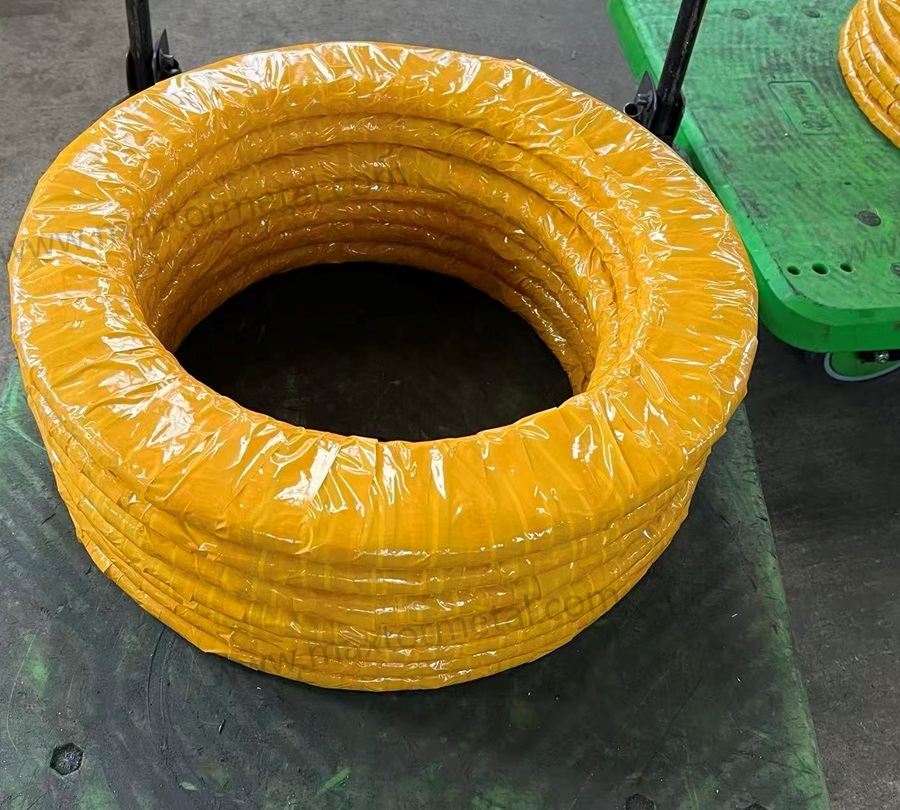
Giải pháp: Ứng dụng dầu VCI (chất ức chế ăn mòn dễ bay hơi) và đóng gói chân không cho các cuộn dây dài 100m-500m.
Vấn đề: Khó khăn trong việc xẻ rãnh/gia công.
Nguyên nhân gốc rễ: Thép quá cứng đối với quy trình gia công thứ cấp của khách hàng.
Giải pháp: Cung cấp thép ở trạng thái “ủ cầu hóa” để gia công, sau đó tôi cứng cục bộ, HOẶC cung cấp thép đã tôi sẵn ở độ cứng HRC 46-50.
5. Hướng dẫn kỹ thuật vật liệu thép dạng dải lưỡi dao
Cấp
Cacbon (%)
Chrome (%)
Hồ sơ cơ khí
Ứng dụng điển hình
SK5
0,80 – 0,90
–
Độ cứng cực cao (HRC 60+).
Cắt xẻ công nghiệp và cắt hạt lựu vật liệu không dùng cho thực phẩm.
C100S
0,95 – 1,05
–
Độ đàn hồi cao, rất thích hợp cho các lưỡi dao mỏng.
Cắt màng phim chính xác.
420 SS
0,20 – 0,40
12.0 – 14.0
Khả năng chống mài mòn vừa phải, khả năng chống ăn mòn cao.
Cắt nhỏ thực phẩm nói chung.
Thép không gỉ 440C
0,95 – 1,20
16,0 – 18,0
Độ cứng cao nhất đối với thép không gỉ (HRC 56).
Cắt nhỏ thực phẩm và vật tư y tế bằng phương pháp mài mòn.
C75
0,70 – 0,80
–
Độ bền và độ dẻo dai vượt trội.
Lưỡi dao công nghiệp tôi cứng bằng lò xo.
Ghi chú kỹ thuật: Đối với các ứng dụng băng tải cắt kiểu Urschel, nhiệt độ 440°C ở độ cứng HRC 56–58 không chỉ đòi hỏi thông số độ cứng mà còn cần có quy trình xử lý nhiệt và kiểm định chất lượng bề mặt đã được xác thực. Xem thêm Hướng dẫn kiểm định lưỡi dao cắt hạt lựu 440C để có một khuôn khổ QA và ROI toàn diện.
6. Xử lý nhiệt và độ cứng của thép tấm lưỡi dao.
Độ cứng của thép dải do chúng tôi sản xuất được điều chỉnh cẩn thận cho phù hợp với từng ứng dụng:
Thép cacbon (HRC 56-62): Tối đa hóa tỷ lệ "martensit" để đạt độ cứng tuyệt đối. Cần thiết cho việc xẻ rãnh khô, nơi mài mòn là yếu tố gây hao mòn chính.
Thép không gỉ (HRC 46-56): Được tối ưu hóa cho Cân bằng độ sắc bén/độ bền. Độ cứng thấp hơn ở thép không gỉ thường mang lại kết quả tốt hơn trong việc chế tạo lưới để ngăn các "vách" mỏng giữa các khe bị nứt trong quá trình lắp ráp.
7. Hình dạng thép dải lưỡi dao và kỹ thuật chế tạo cạnh lưỡi.
Độ nhám bề mặt (Ra lưỡi dao < 0,8µm): Đạt được nhờ quá trình mài dọc nhiều giai đoạn. Độ nhẵn này đảm bảo lực cắt được phân bố đều, ngăn ngừa các vết nứt nhỏ.
Độ chính xác về kích thước: Tuân thủ ISO 2768-mK Đảm bảo rằng từng milimét của cuộn dây 500m đều nằm trong tiêu chuẩn dung sai công nghiệp từ "Trung bình" đến "Tinh tế".
8. Quy trình sản xuất thép dải lưỡi dao và kiểm tra chất lượng
Cán nguội chính xác: Đạt được độ dày trong phạm vi ±0,01 mm.
Ủ sáng liên tục: Loại bỏ ứng suất làm cứng vật liệu để tạo cấu trúc hạt đồng nhất.
Mài cạnh: Gia công vát cạnh bằng máy CNC để đạt độ nhám bề mặt Ra < 0,8µm.
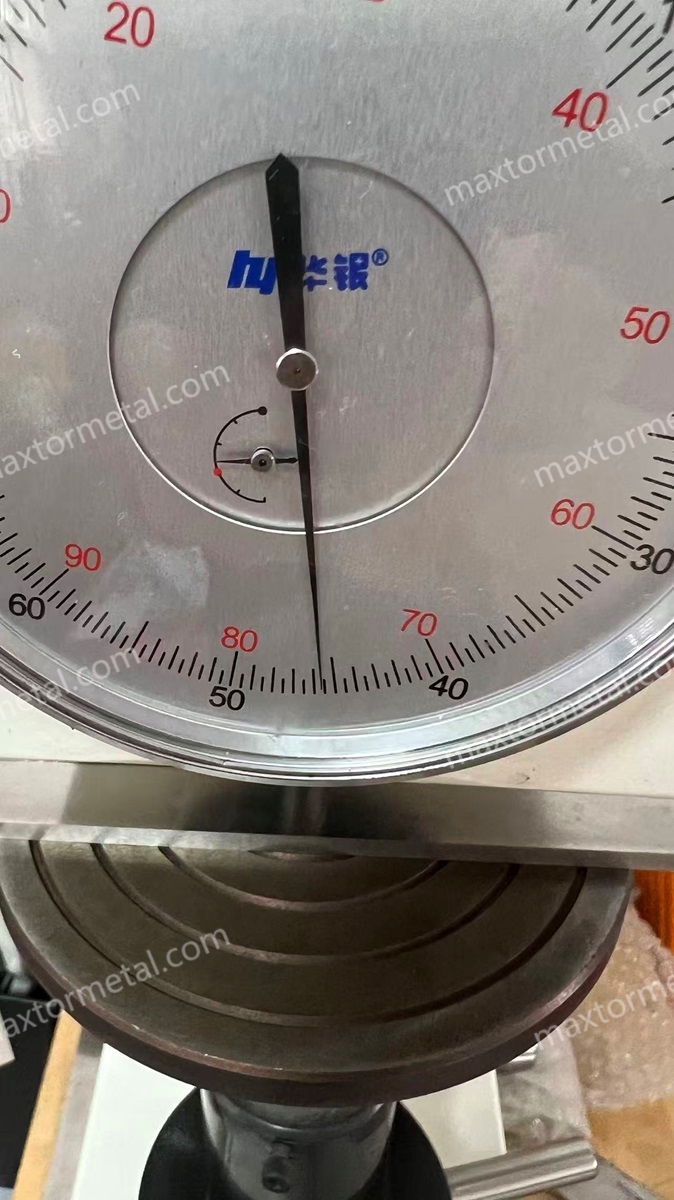
Kiểm tra độ cứng: Kiểm tra độ cứng Rockwell C cứ mỗi 50 mét của cuộn dây.
Kiểm tra bề mặt: Kiểm tra quang học tự động (AOI) để phát hiện vết xước hoặc vết lõm.
Để được hướng dẫn cách đọc và xác nhận Giấy chứng nhận kiểm tra vật liệu (MTC) đi kèm với mỗi cuộn thép — bao gồm xác minh chứng chỉ EN 10204 3.1, kiểm tra chéo thành phần hóa học và lập bản đồ độ cứng 9 điểm — vui lòng xem phần hướng dẫn.Bảng kiểm tra chất lượng và đọc chỉ số MTC thép dụng cụ cho lưỡi cắt dải.
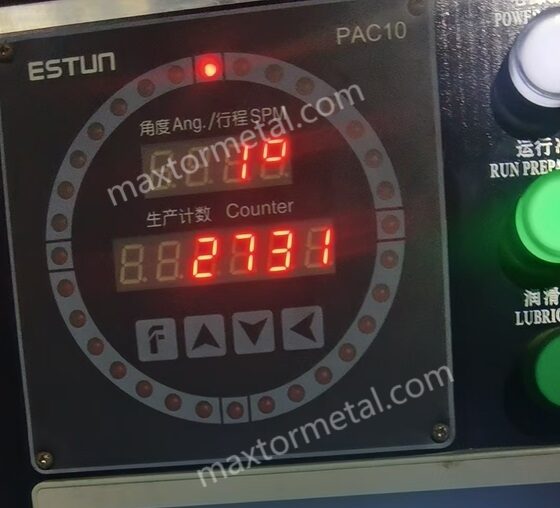
Lưỡi dao thép, bộ đếmKiểm tra độ cứng thép dải lưỡi dao
9. Nghiên cứu trường hợp: Các tiêu chuẩn đánh giá hiệu suất
Trường hợp 1: Tối ưu hóa Grid Dicer kiểu Urschel
Khách hàng: Máy chế biến rau củ đông lạnh.
Điều kiện ban đầu: Các lưỡi dao tiêu chuẩn 420 bị hỏng cứ sau 8 giờ do nứt góc.
Giải pháp kỹ thuật: Đã chuyển sang Thép dải 440C với cấu hình tôi luyện được sửa đổi (HRC 54).
Kết quả: Tuổi thọ lưỡi dao được kéo dài đến 24 giờ; cải thiện thời gian hoạt động của 200%. Để biết chi tiết về quy trình xác thực QA và phân tích ROI đằng sau quá trình chuyển đổi vật liệu này — bao gồm định nghĩa cửa sổ xử lý nhiệt, kiểm soát austenit còn lại và thiết kế KPI thử nghiệm thực địa — vui lòng xem Kiểm định độ cứng lưỡi dao cắt 440C ở HRC 56–58: Xử lý nhiệt, đảm bảo chất lượng và lợi tức đầu tư. Các nhóm kỹ thuật đã hoàn thành quy trình kiểm định 440C nêu trên thường nhận thấy rằng yếu tố cần cải thiện tiếp theo để nâng cao hiệu quả hoạt động tổng thể (OEE) là chiều dài cuộn dây. Xem thêm Lợi ích về hiệu suất tổng thể (OEE) thu được từ việc giảm tần suất thay cuộn dây cho bài toán chuyển đổi và trường hợp thí điểm sản xuất dải lưỡi dao.
Trường hợp 2: Cắt màng PE tốc độ cao
Khách hàng: Nhà sản xuất bao bì mềm.
Điều kiện ban đầu: Thường xuyên bị vướng và rách màng phim khi sử dụng lưỡi dao cắt tiêu chuẩn.
Giải pháp kỹ thuật: Đã triển khai Thép cacbon C100S Với độ hoàn thiện cạnh Ra 0,4µm.
Kết quả: Tốc độ cắt tăng lên nhờ máy 25% mà không ghi nhận trường hợp nào màng bị rách.
10. Mục câu hỏi thường gặp (FAQ)
Hỏi: Tại sao lại sử dụng SK5 thay vì thép không gỉ?
A: Thép SK5 cho phép đạt độ cứng cực đại cao hơn (HRC 62), do đó vượt trội hơn trong việc cắt xẻ các vật liệu mài mòn không bị ăn mòn như vải dệt.
Hỏi: Độ dày tối đa hiện có là bao nhiêu?
A: Độ dày tối đa là 2,0mm. Vượt quá mức này, tiết diện tăng lên sẽ làm tăng đáng kể lực cản khi cắt rãnh trong quá trình sản xuất lưới, khiến cho các biên dạng mỏng hơn (0,5–1,2mm) trở nên thực tế hơn đối với hầu hết các ứng dụng cắt lát.
Hỏi: Các bạn có cung cấp lưỡi dao đã được cắt rãnh sẵn không?
A: Không, chúng tôi cung cấp vật liệu cơ bản (thép dải) dạng cuộn cho quy trình sản xuất của bạn.
Hỏi: Dung sai độ dày ảnh hưởng đến việc lắp ráp lưới của tôi như thế nào?
A: Trong lưới cắt hình thoi, sai số tích lũy dần. Dung sai ±0,01 mm đảm bảo các khe lưới thẳng hàng hoàn hảo trên toàn bộ chiều rộng của máy.
Hỏi: Thép 440C có cứng hơn thép 420 không?
A: Đúng vậy. Thép 440C có hàm lượng carbon cao hơn, cho phép nó đạt độ cứng HRC 56-58, trong khi thép 420 thường có độ cứng từ HRC 48-52.
Hỏi: Bạn có thể cung cấp cuộn dây dài 500m mà không có mối hàn nào không?
A: Vâng, chúng tôi chuyên sản xuất các cuộn dây dài nguyên khối chất lượng cao để tránh gây tắc nghẽn máy móc.
Hỏi: Tôi nên chọn loại bề mặt hoàn thiện nào để thái thịt?
A: Chúng tôi khuyến nghị sử dụng độ nhám cạnh Ra < 0,8µm để ngăn ngừa sự bám dính protein.
Hỏi: Nguyên nhân nào gây ra hiện tượng "mài cùn lưỡi"?
A: Thông thường, độ cứng quá thấp so với vật liệu cần gia công. Giải pháp là tăng độ cứng HRC hoặc chuyển sang loại thép có hàm lượng carbon cao hơn (C100S).
Hỏi: Thép của bạn có đáp ứng tiêu chuẩn ISO 2768-mK không?
A: Vâng, tất cả thép dải chính xác của chúng tôi đều được sản xuất theo các dung sai này. Mỗi cuộn thép đều được kèm theo Giấy chứng nhận kiểm tra vật liệu EN 10204 3.1 bao gồm thành phần hóa học, độ cứng và khả năng truy xuất nguồn gốc số lô. Để được hướng dẫn từng bước về cách đọc và xác minh các tài liệu này — bao gồm cả cách đối chiếu thành phần hóa học với ASTM A681/ISO 4957 và lập bản đồ độ đồng nhất độ cứng — vui lòng xem phần hướng dẫn chi tiết. Bảng kiểm tra chất lượng và đọc chỉ số MTC thép dụng cụ cho lưỡi cắt dải.
Hỏi: Tại sao Ra < 1,6µm được sử dụng cho thân máy?
A: Điều này cho phép độ bám chắc chắn trong các giá đỡ máy móc đồng thời duy trì bề mặt đủ nhẵn để ngăn ngừa sự tích tụ mảnh vụn.
Hỏi: Tôi nên bảo quản cuộn dây có hàm lượng carbon cao như thế nào?
A: Hãy bảo quản chúng trong bao bì VCI nguyên bản tại kho khô ráo, có kiểm soát nhiệt độ.
Hỏi: Loại thép này có thể dùng để làm dao cắt mô dùng trong y tế không?
A: Đúng vậy, thép 440C thường được sử dụng trong các dụng cụ cắt y tế/phẫu thuật do độ tinh khiết và độ cứng của nó.
Hỏi: Cuộn dây có chiều dài 300m và 500m có những lợi ích gì?
A: Việc này giúp giảm tần suất thay cuộn dây, từ đó tăng đáng kể hiệu suất tổng thể của thiết bị (OEE) trên các dây chuyền tự động.
Hỏi: Bạn có thể cung cấp các chiều rộng tùy chỉnh như 15,5mm không?
A: Vâng, chúng tôi cung cấp dịch vụ cắt xẻ theo yêu cầu với kích thước từ 7mm đến 100mm.
Hỏi: Làm sao để lựa chọn giữa C75 và SK5?
A: Chọn C75 nếu lưỡi dao của bạn cần độ uốn cong đáng kể mà không bị gãy; chọn SK5 nếu khả năng giữ độ sắc bén là ưu tiên tuyệt đối.
Tùy chỉnh:
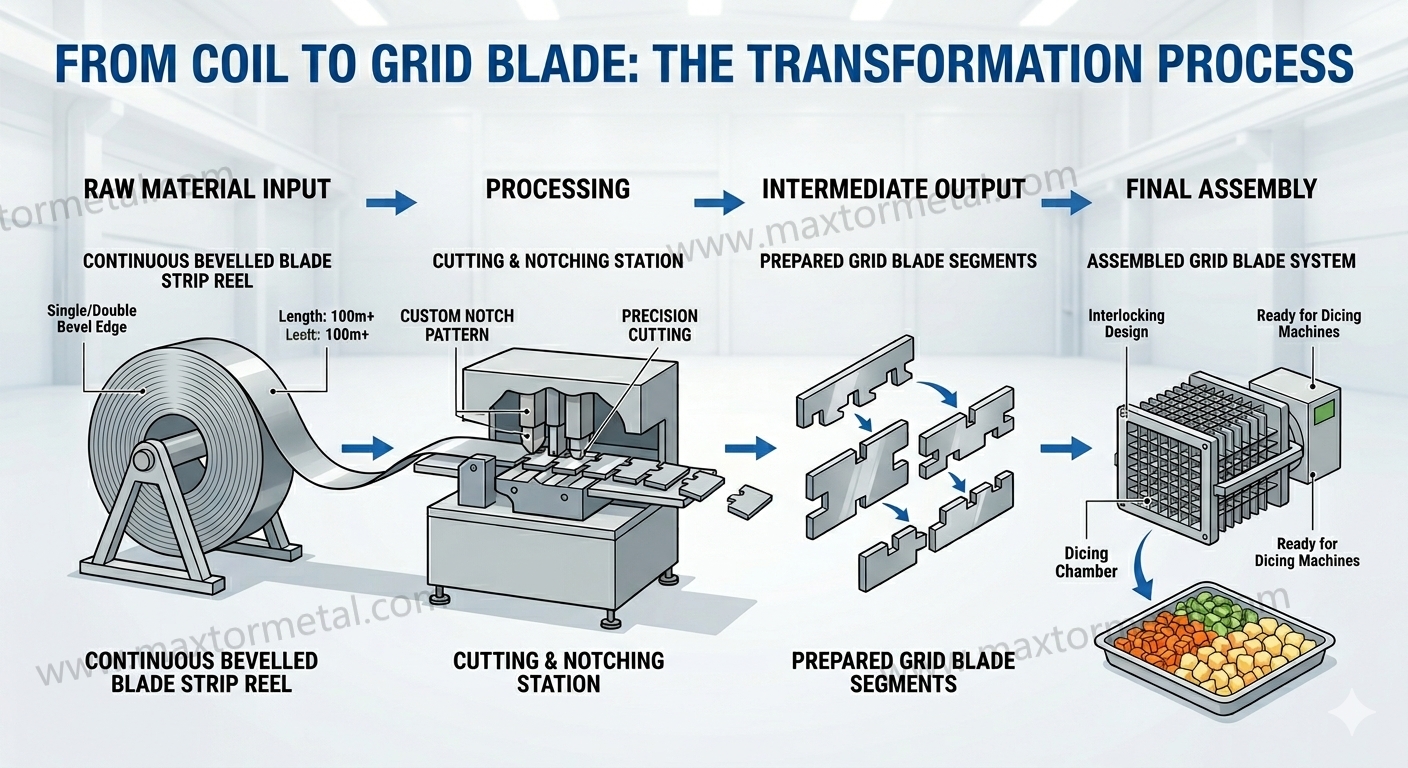
Chúng tôi không chỉ cung cấp các loại dao có kích thước tiêu chuẩn mà còn cung cấp các loại dao đặc biệt được thiết kế để nâng cao năng suất của bạn. Tất cả những gì bạn cần làm là cung cấp bản vẽ hoặc mẫu.
Hãy liên hệ với đội ngũ bán hàng thân thiện của chúng tôi ngay hôm nay và họ sẽ giúp đánh giá nhu cầu cụ thể của bạn và cung cấp cho bạn các tùy chọn nâng cấp đã được chứng minh. Ngoài ra, hãy gửi yêu cầu báo giá.
Tận hưởng sự tiện lợi của việc nhập khẩu liền mạch. Từ vận chuyển đến thông quan, chúng tôi xử lý toàn bộ quá trình. Tất cả những gì bạn cần làm là thanh toán VAT và chờ hàng đến công ty.
2. Giá cả cạnh tranh
Chúng tôi đã chứng kiến lưỡi dao của mình xuất sắc trong vô số ứng dụng và sẵn sàng xử lý bất kỳ dự án nào bạn giao phó - mang lại độ chính xác, độ bền và mức giá cạnh tranh không đối thủ.
3. Có sẵn ODM & OEM
Cho dù bạn cung cấp bản vẽ, phác thảo hay mẫu, chúng tôi đều có thể vẽ và sản xuất cho bạn. Chúng tôi cũng có khả năng hỗ trợ sửa đổi các thiết kế và thông số kỹ thuật hiện có để cải thiện hầu hết mọi ứng dụng dụng cụ công nghiệp. Vui lòng liên hệ với đội ngũ bán hàng chuyên trách của chúng tôi để thảo luận về các yêu cầu cụ thể của bạn.
4. Kiểm soát chất lượng
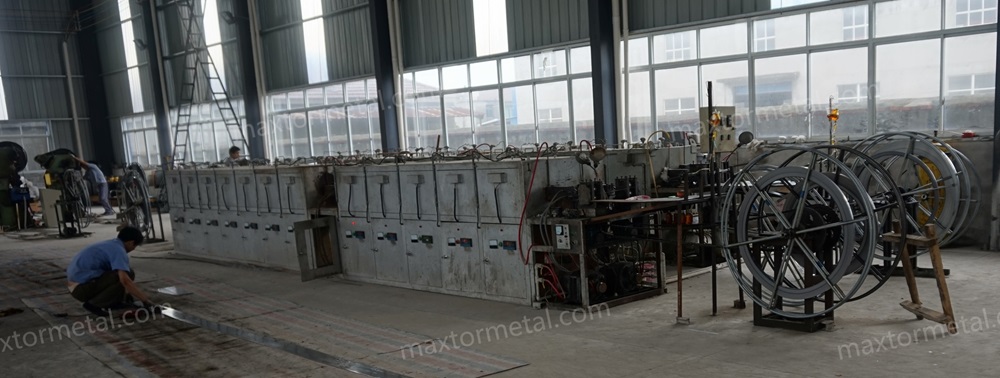
Một loạt các thử nghiệm và kiểm tra được thực hiện để kiểm soát chất lượng, bao gồm kiểm tra sản phẩm đầu tiên, kiểm tra nguyên vật liệu đầu vào và vật liệu được chứng nhận, kiểm tra chất lượng trong quá trình sản xuất, và kiểm tra chất lượng cuối cùng.
5. Mua sắm linh hoạt, hợp tác không giới hạn
Dù bạn là nhà nhập khẩu, nhà phân phối, nhà bán buôn hay người dùng cuối, chúng tôi đều hoan nghênh bạn tham gia cùng chúng tôi với số lượng đặt hàng tối thiểu, thủ tục hỏi đáp đơn giản và nhiều tự do hơn trong việc mua hàng.
6. Giám sát ở nước ngoài, báo cáo tiến độ sản xuất theo thời gian thực
Trở thành người giám sát độc quyền của bạn, truyền tải thường xuyên mọi nút quan trọng trong dây chuyền sản xuất, dù ở xa đến đâu, tiến độ của sản phẩm sẽ được nắm bắt một cách tốt nhất có thể.


 English
  Spanish
 Italian
 French
 Portuguese
 Russian
 German
 Arabic
 Hindi
Hindi
 Vietnamese
 Indonesian
 Japanese
 Korean


