1. Acciaio per lame: principi tecnici fondamentali
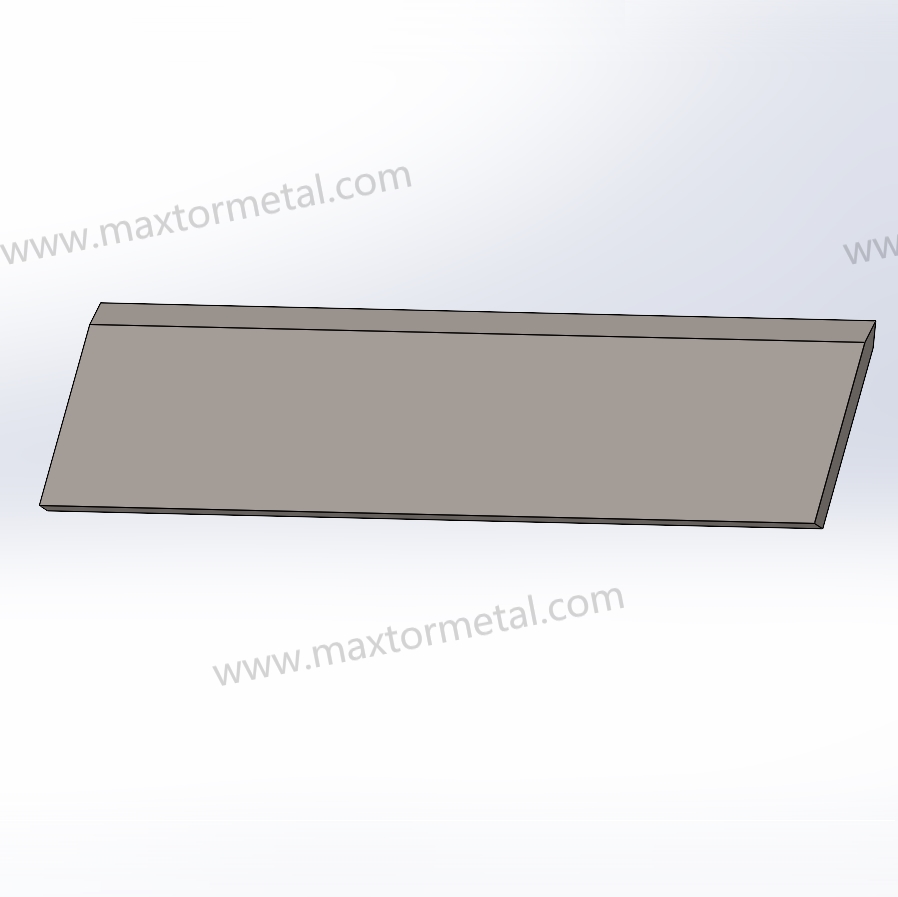
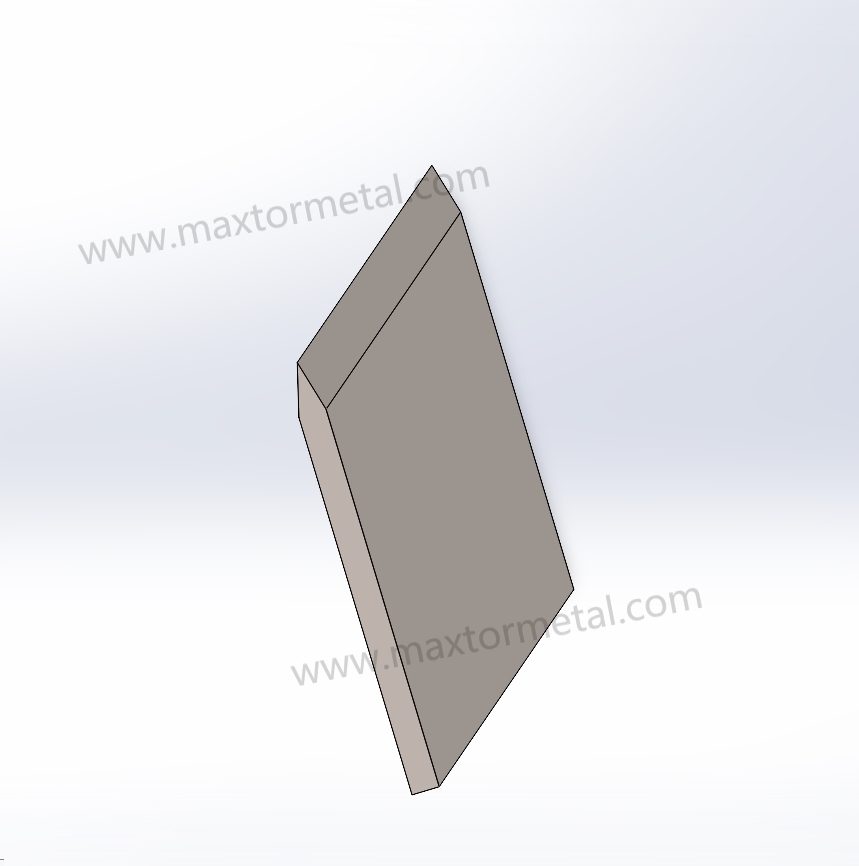
Lame di precisione in acciaio di grado ingegneristico
Progettato per il taglio continuo ad alta velocità e la produzione di lame a griglia complesse, questo nastro d'acciaio bilancia un'estrema tenuta del filo con l'integrità strutturale richiesta per la scanalatura industriale.
Parametro
Specifiche (acciaio ad alto tenore di carbonio)
Specifiche (acciaio inossidabile)
Grado del materiale
SK5, C100S, C75
420 (1,4021), 440°C
Gamma di durezza
HRC 56 – 62
HRC 46 – 56
Gamma di spessore
0,50 mm – 2,0 mm
0,50 mm – 2,0 mm
Gamma di larghezza
7 mm – 100 mm
7 mm – 100 mm
Tolleranza di spessore (con C)pk ≥1,33 su bobina continua da 500 m)
Da ± 0,01 mm a ± 0,02 mm
Da ± 0,01 mm a ± 0,02 mm
Finitura superficiale
Lama: Ra < 0,8 µm; Corpo: Ra < 1,6 µm
Lama: Ra < 0,8 µm; Corpo: Ra < 1,6 µm
Standard dimensionale.
ISO 2768-mK
ISO 2768-mK
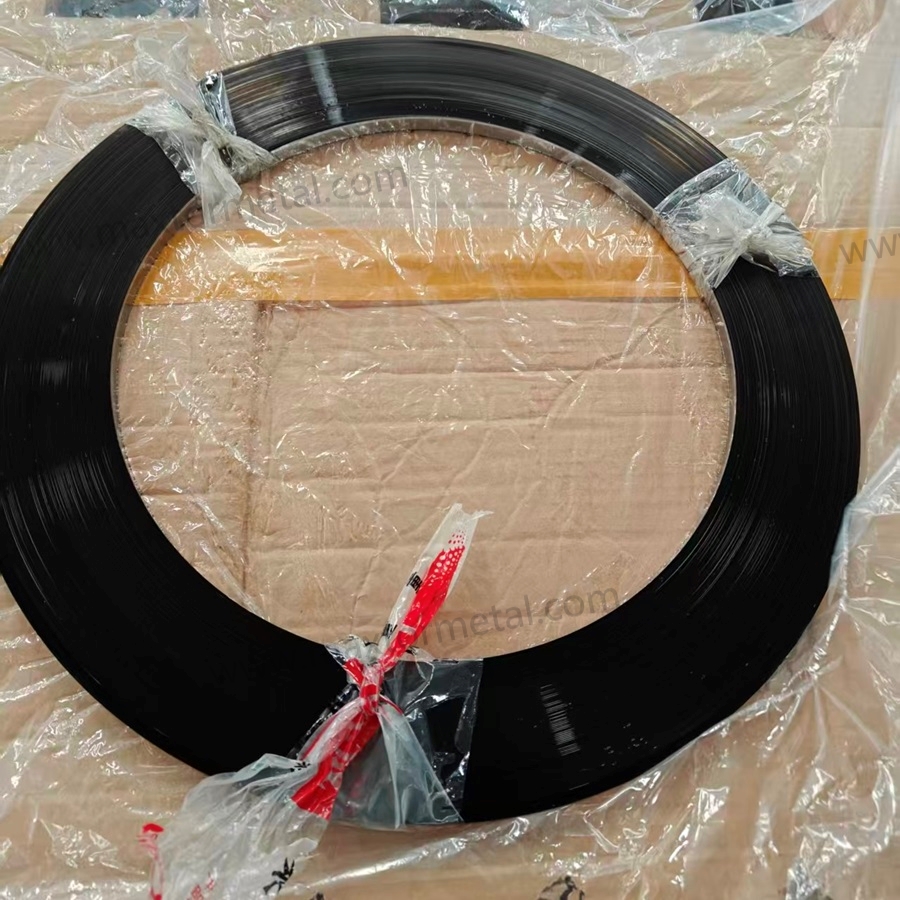
Formato di fornitura
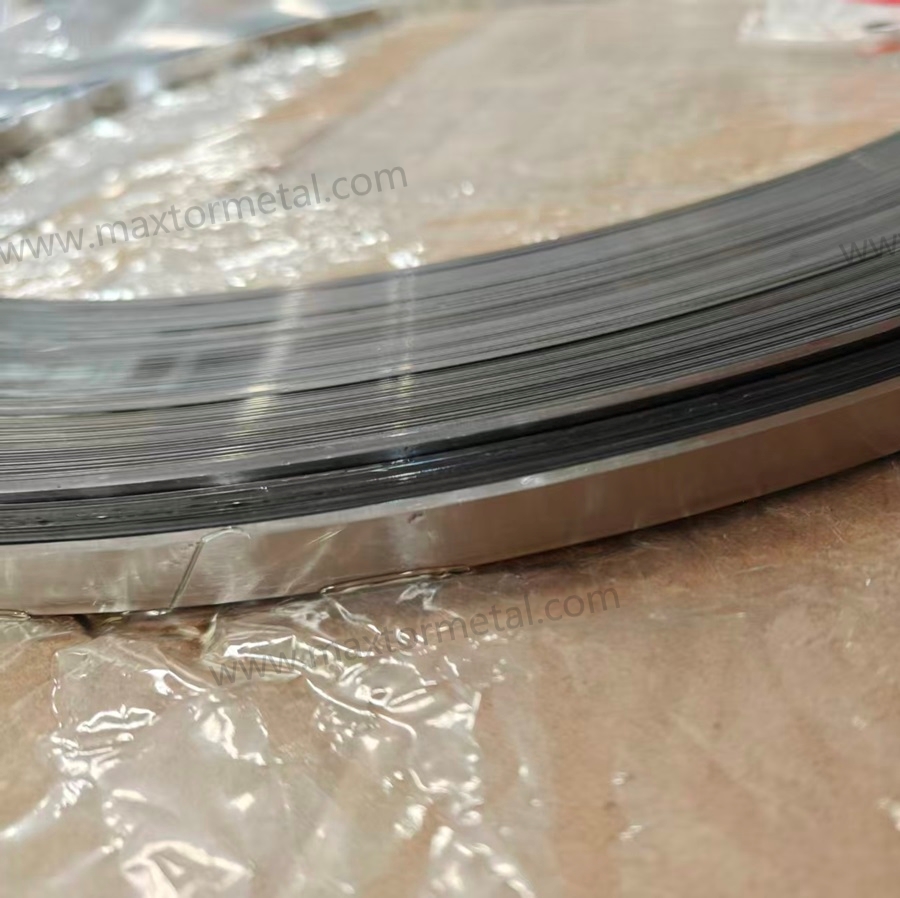
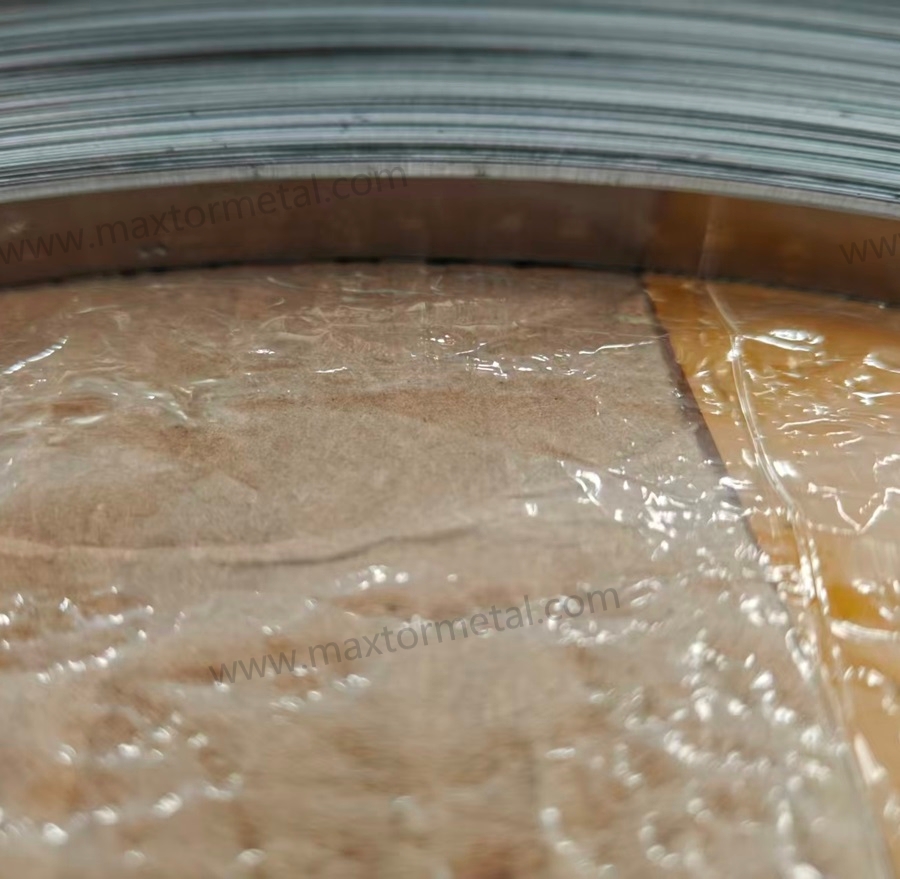
Bobine: 100 m, 200 m, 300 m, 500 m
Bobine: 100 m, 200 m, 300 m, 500 m
2. Panoramica sull'ingegneria delle lame in acciaio: la meccanica del bordo
Nel campo specializzato di Nastri d'acciaio affilati in rotoli, la prestazione è una funzione di Geometria del bordo E Resistenza del materiale. A differenza dell'acciaio piatto standard, il nastro per lame deve essere sottoposto a un rigoroso ciclo di laminazione a freddo e trattamento termico per garantire che, quando l'acciaio viene "intagliato" per creare le griglie di taglio, non si verifichino fratture da stress.
2.1 Tenacità alla frattura nelle applicazioni a griglia
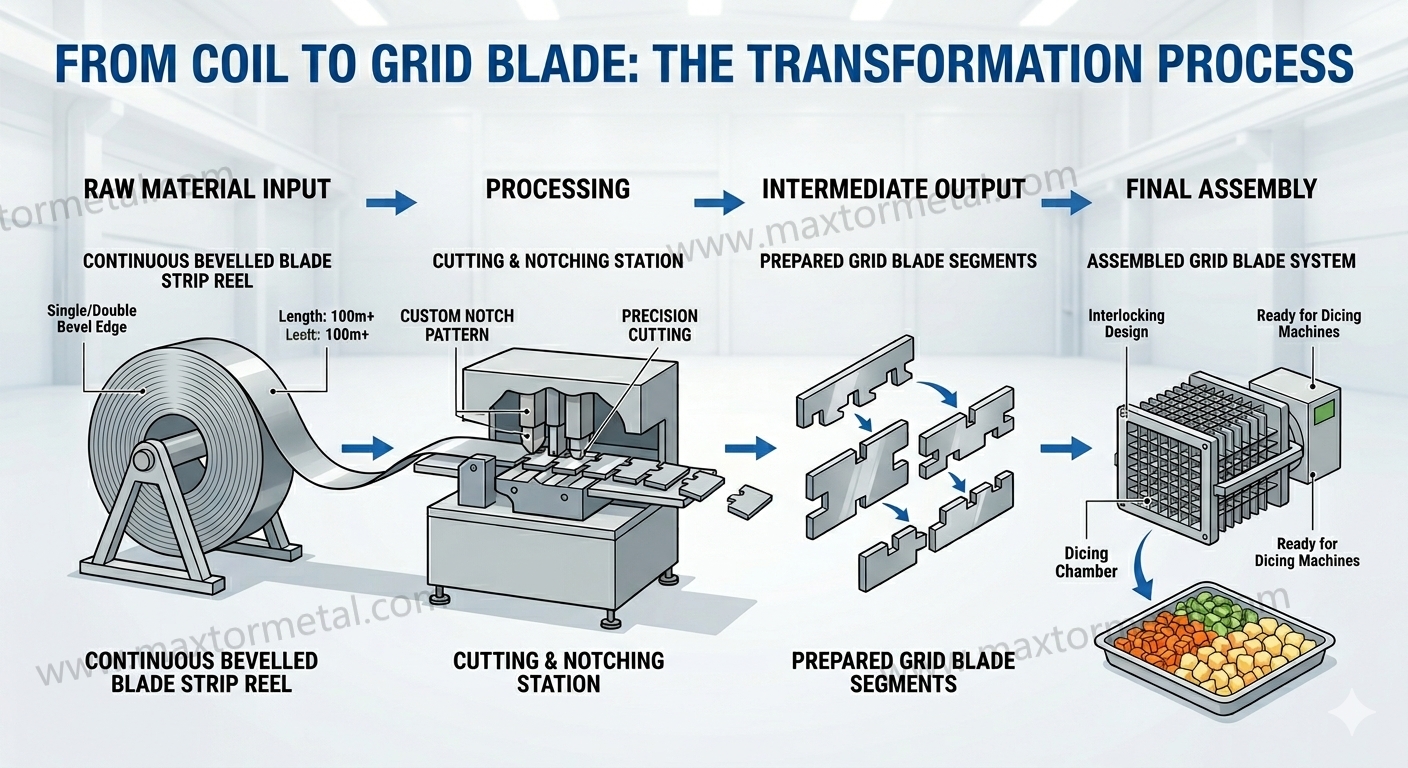
La produzione di lame a griglia (tagliatrici) prevede il taglio di fessure nella striscia. Ciò crea significative Fattori di concentrazione dello stress (KT). Il nostro approccio ingegneristico si concentra sul controllo del morfologia del carburo Disponibili nelle leghe SK5 e 440C. Garantendo una distribuzione fine e globulare dei carburi, riduciamo il rischio di "rottura fragile" della lama agli angoli della fessura, mantenendo al contempo una durezza fino a HRC 62.
2.2 Considerazioni tribologiche
Durante il taglio ad alta velocità di pellicole in PE/BOPP o prodotti a base di carne fibrosa, la superficie della lama subisce un intenso attrito localizzato. La finitura superficiale specificata di Ra < 0,8 µm al bordo non è solo estetico; riduce il Coefficiente di attrito (μ), prevenendo l'adesione del materiale (accumulo) e l'ammorbidimento termico della punta di taglio.
3. Applicazioni industriali delle lame in acciaio: analisi settoriale specifica
3.1 Taglio industriale degli alimenti (sistemi a griglia)
Bersaglio: Patate, carote e cipolle.
Attrezzatura: Dadi di tipo Urschel.
Specializzazione in ingegneria: Resistenza alla corrosione. Le leghe 420 e 440C sono utilizzate per resistere agli ambienti acidi/acquosi della lavorazione degli ortaggi, offrendo al contempo una tenacità sufficiente per sopportare il taglio a cubetti ad alta frequenza.
3.2 Affettatura di carne e proteine
Bersaglio: Prodotti a base di carne trasformata.
Attrezzatura: Affettatrici a nastro continuo.
Specializzazione in ingegneria: Rigidità laterale. Lo spessore compreso tra 0,50 mm e 2,0 mm fornisce la resistenza necessaria per impedire la flessione della lama durante il taglio ad alta velocità delle proteine.
3.3 Confezionamento VFFS (Vertical Form Fill Seal)
Bersaglio: Pellicole BOPP, PE e laminate.
Attrezzatura: Avvolgitrici automatiche a flusso continuo.
Specializzazione in ingegneria: Capacità di "perforazione e taglio" estremamente elevata. L'acciaio al carbonio SK5/C100S è preferito in questo caso per la sua capacità di mantenere un filo sottilissimo, paragonabile a quello dell'acciaio inossidabile standard.
3.4 Fabbricazione di schiuma e gomma sintetica
Bersaglio: Schiuma acustica, guarnizioni.
Attrezzatura: Linee di taglio personalizzate per la creazione di griglie.
Specializzazione in ingegneria: Uniformità su lunghezze di bobina elevate (fino a 500 m) per ridurre al minimo i tempi di fermo macchina durante la sostituzione delle bobine. Per un quadro quantitativo su come la lunghezza della bobina influisce direttamente sulla disponibilità OEE, comprese le formule per i tempi di fermo di cambio formato, i calcoli degli scarti di giunzione e un caso pilota di rimozione delle lame, vedere Aumento dei profitti OEE grazie alla riduzione della frequenza di sostituzione delle bobine.
3.5 Taglio di tessuti e non tessuti
Bersaglio: Tessuti industriali, tessuti medicali.
Attrezzatura: Linee di taglio ad alta velocità.
Specializzazione in ingegneria: Mantenimento del filo. L'elevata durezza HRC 56-62 delle leghe di carbonio garantisce che la lama possa tagliare fibre sintetiche abrasive senza bisogno di frequenti riaffilature.
3.6 Lavorazione della frutta (affettatura/privazione del torsolo)
Bersaglio: Mele, ananas.
Attrezzatura: Linee industriali per la lavorazione della frutta.
Specializzazione in ingegneria: Conformità alle certificazioni per uso alimentare grazie all'utilizzo di acciaio inossidabile 440C, che garantisce un equilibrio ottimale tra estrema durezza e igiene.
4. Problemi comuni di guasto e soluzioni ingegneristiche delle lame in acciaio.
Problema: Frattura fragile alla base della fessura.
Causa ultima: Eccessive tensioni interne dovute all'incrudimento o alla geometria acuminata della fessura a 90°.
Soluzione: Ottimizza i cicli di rinvenimento per aumentare la duttilità. Raccomandazione: utilizzare una fase di rinvenimento a 300 °C o superiore per trasformare la martensite fragile in una struttura più resistente.
Problema: frequenti tempi di inattività per la sostituzione delle lame.
Causa ultima: Usura dei bordi dovuta al basso volume di carburo nell'acciaio standard.
Soluzione: Passa a SK5 O 440C for higher primary carbide density, extending run-times by 200%. For a complete framework on when to regrind versus scrap strip blades — including measurable chipping thresholds, minimum stock removal depth, and a five-step shop-floor decision protocol — see the Regrinding Industrial Strip Blades: Sharpening vs Scrap Guide.
Problema: Spreco di materiale (scarti).
Causa ultima: Utilizzo di lame a lunghezza fissa per diverse tipologie di produzione.
Soluzione: Fornitura in Bobine continue da 500 m, consentendo al cliente di tagliare solo la lunghezza esatta necessaria per specifiche configurazioni della griglia.
Problema: Deformazione longitudinale della pala.
Causa ultima: Tensione residua non uniforme derivante dal processo di laminazione a freddo.
Soluzione: Applicazione di un sistema di livellamento della tensione e di un trattamento a temperature sotto zero per garantire la rettilineità del profilo.
Problema: Rapido smussamento durante il taglio degli alimenti a cubetti.
Causa ultima: Microcorrosione sulla punta del bordo (usura chimica).
Soluzione: Passa da 420 a 440C, che offre un contenuto di cromo e carbonio più elevato per una migliore stabilità dei bordi in ambienti acquosi.
Problema: "Strappo" della pellicola di imballaggio.
Causa ultima: Rugosità dei bordi (Ra) superiore a 1,2 µm.
Soluzione: rettifica di precisione per ottenere Ra < 0,8 µm sulla smussatura, garantendo un taglio netto.
Problema: Deformazione termica.
Causa ultima: Calore generato dall'attrito durante il taglio ad alta velocità dei tessuti.
Soluzione: Ridurre l'angolo di smusso per minimizzare l'area di contatto; utilizzare C100S per una migliore conduttività termica.
Problema: Dimensioni di taglio incoerenti.
Causa ultima: Variazione di spessore lungo la striscia.
Soluzione: Tolleranze di restringimento a ±0.01mm attraverso un rigoroso sistema AGC (Automatic Gauge Control) durante la laminazione.
Problema: formazione di ruggine superficiale nell'acciaio al carbonio.
Causa ultima: Scarso controllo dell'umidità durante il deposito.
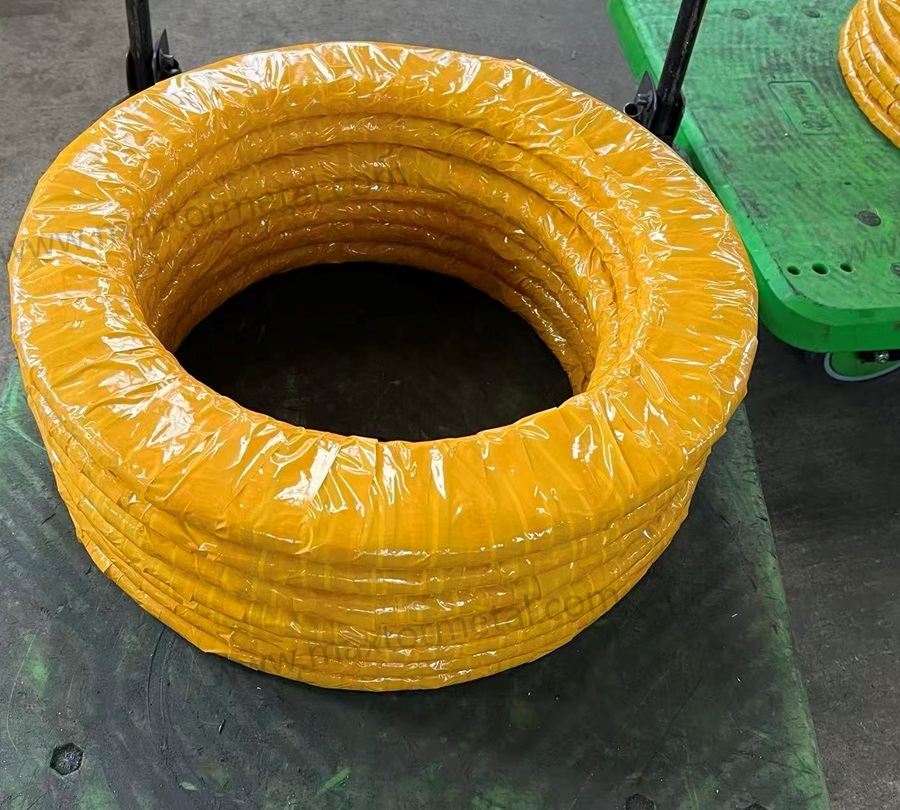
Soluzione: Applicazione di olio VCI (inibitore di corrosione volatile) e confezionamento sottovuoto per bobine da 100 a 500 metri.
Problema: Difficoltà nella scanalatura/lavorazione.
Causa ultima: L'acciaio è troppo duro per la lavorazione secondaria richiesta dal cliente.
Soluzione: Fornire acciaio allo stato "ricotto sferoidizzato" per la lavorazione, seguito da tempra localizzata, OPPURE fornire acciaio pre-temprato a HRC 46-50.
5. Guida tecnica al materiale in acciaio per lamiere
Grado
Carbonio (%)
Chrome (%)
Profilo meccanico
Applicazione tipica
SK5
0,80 – 0,90
–
Durezza ultraelevata (HRC 60+).
Taglio industriale e trinciatura di prodotti non alimentari.
C100S
0,95 – 1,05
–
Elevato limite elastico, ideale per lame sottili.
Taglio di precisione della pellicola.
420 SS
0,20 – 0,40
12.0 – 14.0
Resistenza all'usura moderata, elevata resistenza alla corrosione.
Taglio a cubetti di alimenti in generale.
Acciaio inossidabile 440C
0,95 – 1,20
16.0 – 18.0
Massima durezza per l'acciaio inossidabile (HRC 56).
Triturazione di alimenti abrasivi e per uso medico.
C75
0,70 – 0,80
–
Equilibrio superiore tra robustezza e flessibilità.
Lame industriali temprate a molla.
Nota tecnica: Per le applicazioni di nastri di taglio in stile Urschel, 440C a HRC 56–58 richiede più di una specifica di durezza: richiede una finestra di trattamento termico convalidata e un protocollo di integrità superficiale. Vedi il Guida alla qualificazione della lama per taglierina 440C per un quadro completo di controllo qualità e ROI.
6. Logica di trattamento termico e durezza dell'acciaio della lama
La durezza dei nostri nastri di acciaio è attentamente calibrata in base all'applicazione:
Acciaio al carbonio (HRC 56-62): Massimizza la frazione di martensite per ottenere la massima durezza. Essenziale per il taglio a secco, dove l'abrasione è il principale fattore di usura.
Acciaio inossidabile (HRC 46-56): Ottimizzato per Equilibrio tra spigoli e tenacità. La minore durezza dell'acciaio inossidabile spesso produce risultati migliori nella realizzazione di griglie, impedendo che le sottili "pareti" tra le fessure si incrinino durante l'assemblaggio.
7. Geometria e ingegneria dei bordi delle lame in acciaio.
Finitura superficiale (Ra della lama < 0,8 µm): Questo risultato è ottenuto tramite rettifica longitudinale a più fasi. Tale levigatezza garantisce una distribuzione uniforme della forza di taglio, prevenendo la formazione di microfratture.
Precisione dimensionale: Conformità con ISO 2768-mK garantisce che ogni millimetro della bobina da 500 m rientri negli standard di tolleranza industriali da "Medio" a "Fine".
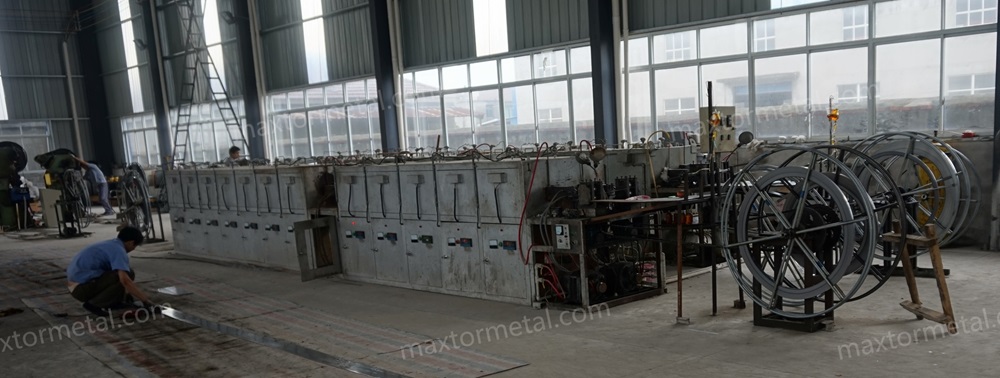
8. Processo di produzione e controllo qualità delle lame in acciaio.
Laminazione a freddo di precisione: Raggiungere uno spessore entro ±0,01 mm.
Ricottura brillante continua: Eliminazione delle tensioni da incrudimento per una struttura granulare uniforme.
Rettifica dei bordi: Smussatura controllata da CNC per ottenere Ra < 0,8 µm.
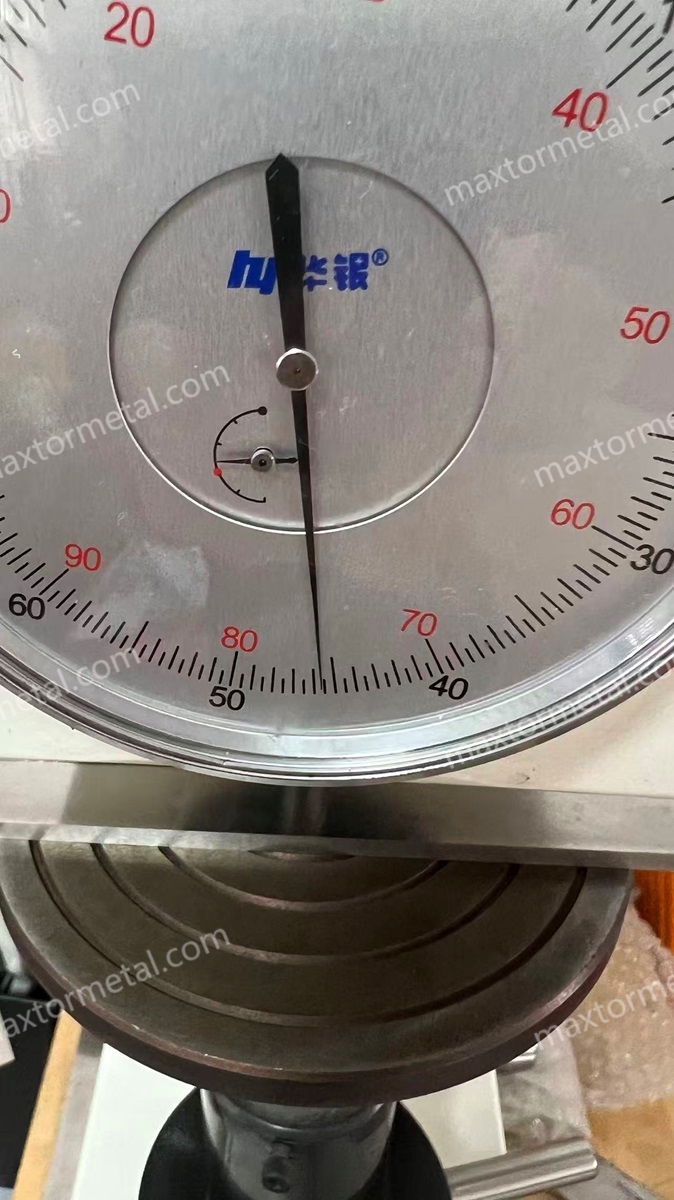
Prova di durezza: Test di durezza Rockwell C ogni 50 metri della bobina.
Ispezione della superficie: Ispezione ottica automatica (AOI) per rilevare graffi o avvallamenti.
Per indicazioni su come leggere e convalidare il Certificato di Prova del Materiale (MTC) che accompagna ogni bobina, inclusa la verifica del certificato EN 10204 3.1, il controllo incrociato della composizione chimica e la mappatura della durezza a 9 punti, vedere ilLista di controllo MTC e QA per lame da taglio in acciaio per utensili..
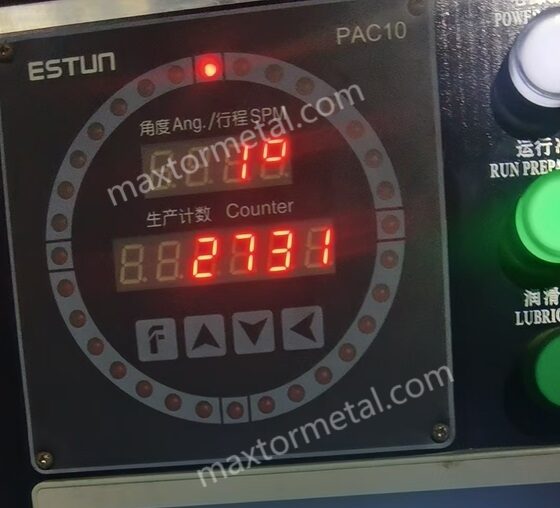
Bancone in acciaio a strisce di lamaTest di durezza dell'acciaio della striscia della lama
9. Caso di studio: parametri di riferimento delle prestazioni
Caso 1: Ottimizzazione del Grid Dicer di tipo Urschel
Cliente: Robot da cucina per verdure surgelate.
Condizione iniziale: Le lame standard 420 si rompono ogni 8 ore a causa di crepe agli angoli.
Soluzione ingegneristica: Transizione a Nastro di acciaio 440C con un profilo di tempra rivisto (HRC 54).
Caso 2: Taglio ad alta velocità di pellicole in PE
Cliente: Produttore di imballaggi flessibili.
Condizione iniziale: Frequenti inceppamenti e strappi della pellicola con le lame standard delle taglierine.
Soluzione ingegneristica: Implementato Acciaio al carbonio C100S con finitura del bordo Ra 0,4 µm.
Risultato: Aumento della velocità di taglio di 25% senza segnalazioni di strappi della pellicola.
10. Sezione Domande Frequenti (FAQ)
D: Perché utilizzare SK5 invece dell'acciaio inossidabile?
A: SK5 consente di raggiungere una durezza di picco più elevata (HRC 62), risultando quindi ideale per il taglio non corrosivo di materiali abrasivi come i tessuti.
D: Qual è lo spessore massimo disponibile?
A: Lo spessore massimo è di 2,0 mm. Oltre questo valore, l'aumento della sezione trasversale incrementa significativamente la resistenza all'intaglio durante la produzione della griglia, rendendo i profili più sottili (0,5–1,2 mm) più pratici per la maggior parte delle applicazioni di taglio.
D: Fornite lame con le fessure già tagliate?
A: No, noi forniamo il materiale di base (nastro d'acciaio) in bobine per il vostro processo produttivo.
D: In che modo la tolleranza di spessore influisce sull'assemblaggio della griglia?
A: In una griglia di taglio, gli errori si accumulano. Una tolleranza di ±0,01 mm garantisce che le fessure della griglia siano perfettamente allineate su tutta la larghezza della macchina.
D: La temperatura di 440°C è più alta di quella di 420°C?
A: Sì. L'acciaio 440C ha un contenuto di carbonio più elevato, che gli consente di raggiungere una durezza HRC di 56-58, mentre il 420 in genere ha una durezza compresa tra HRC 48 e 52.
D: Potete fornire una bobina da 500 m senza saldature?
A: Sì, siamo specializzati in bobine lunghe monoblocco ad alta integrità per prevenire inceppamenti delle macchine.
D: Quale finitura superficiale dovrei scegliere per tagliare la carne a cubetti?
A: Si consiglia una finitura dei bordi Ra < 0,8 µm per prevenire l'adesione delle proteine.
D: Quali sono le cause dell'"arrotondamento" (smussamento) dei bordi?
A: Solitamente, la durezza è troppo bassa per il materiale da tagliare. La soluzione consiste nell'aumentare la durezza HRC o passare a un acciaio con un tenore di carbonio superiore (C100S).
D: Il vostro acciaio è conforme agli standard ISO 2768-mK?
R: Sì, tutto il nostro acciaio in nastro di precisione è prodotto secondo queste tolleranze. Ogni bobina viene spedita con un certificato di prova del materiale EN 10204 3.1 che copre la composizione chimica, la durezza e la tracciabilità del numero di colata. Per una guida dettagliata su come leggere e verificare questi documenti, incluso come confrontare la composizione chimica con ASTM A681/ISO 4957 e mappare l'uniformità della durezza, consultare il documento. Lista di controllo MTC e QA per lame da taglio in acciaio per utensili..
D: Perché per il corpo si usa Ra < 1,6 µm?
A: Ciò consente una presa sufficiente nei supporti della macchina, mantenendo al contempo un profilo abbastanza liscio da prevenire l'accumulo di detriti.
D: Come devo conservare le bobine ad alto contenuto di carbonio?
A: Conservateli nella confezione originale VCI in un magazzino asciutto e a temperatura controllata.
D: Questo acciaio può essere utilizzato per i tritacarne di grado medicale?
A: Sì, l'acciaio 440C è spesso utilizzato negli strumenti da taglio medicali/chirurgici grazie alla sua purezza e durezza.
D: Quali sono i vantaggi delle bobine da 300 m e 500 m?
A: Riduce la frequenza di sostituzione delle bobine, aumentando significativamente l'OEE (Overall Equipment Effectiveness) delle linee automatizzate.
D: Potete fornire larghezze personalizzate, ad esempio 15,5 mm?
A: Sì, offriamo il servizio di taglio personalizzato con larghezze comprese tra 7 mm e 100 mm.
D: Come faccio a scegliere tra C75 e SK5?
A: Scegli C75 se la tua lama deve flettersi notevolmente senza rompersi; scegli SK5 se la tenuta del filo è la priorità assoluta.
Personalizzazione:
Non offriamo solo lame di dimensioni standard, ma anche lame speciali progettate per migliorare la vostra produttività. Tutto ciò che dovete fare è fornirci disegni o campioni.
Contatta oggi stesso il nostro cordiale team di vendita: ti aiuterà a valutare le tue esigenze specifiche e ti fornirà opzioni di upgrade comprovate. In alternativa, invia una richiesta di preventivo.
1. Servizio di importazione senza problemi e con un unico punto di riferimento
Goditi la comodità di un'importazione senza intoppi. Dal trasporto allo sdoganamento, gestiamo l'intero processo. Tutto ciò che devi fare è pagare l'IVA e attendere l'arrivo della merce.
2. Prezzi competitivi
Abbiamo visto le nostre lame eccellere in innumerevoli applicazioni e siamo pronti per qualsiasi progetto tu ci proponga. Aspettati precisione, durata e prezzi competitivi ineguagliabili.
3. ODM e OEM disponibili
Sia che tu fornisca disegni, schizzi o campioni, possiamo progettare e produrre per te. Abbiamo anche l'esperienza per assistere nella modifica di design e specifiche esistenti per migliorare quasi ogni applicazione di utensili industriali. Contatta il nostro team di vendita dedicato per discutere le tue esigenze specifiche.
4. Controllo di qualità
Vengono eseguite una serie di test e ispezioni per controllare la qualità, tra cui l'ispezione del primo articolo, l'ispezione del materiale in ingresso e dei materiali certificati, l'ispezione di qualità in-process e l'ispezione di qualità finale.
Che siate importatori, distributori, grossisti o utenti finali, vi invitiamo a unirvi a noi con un ordine minimo, richieste di informazioni semplici e maggiore libertà di acquisto.
6. Monitoraggio estero, report in tempo reale sullo stato di avanzamento della produzione
Consideraci il tuo monitor esclusivo. Forniremo aggiornamenti regolari su ogni fase cruciale della tua linea di produzione. Indipendentemente dalla distanza, avrai una visione in tempo reale dello stato di avanzamento del tuo prodotto.


 English
  Spanish
 Italian
 French
 Portuguese
 Russian
 German
 Arabic
 Hindi
Hindi
 Vietnamese
 Indonesian
 Japanese
 Korean


