

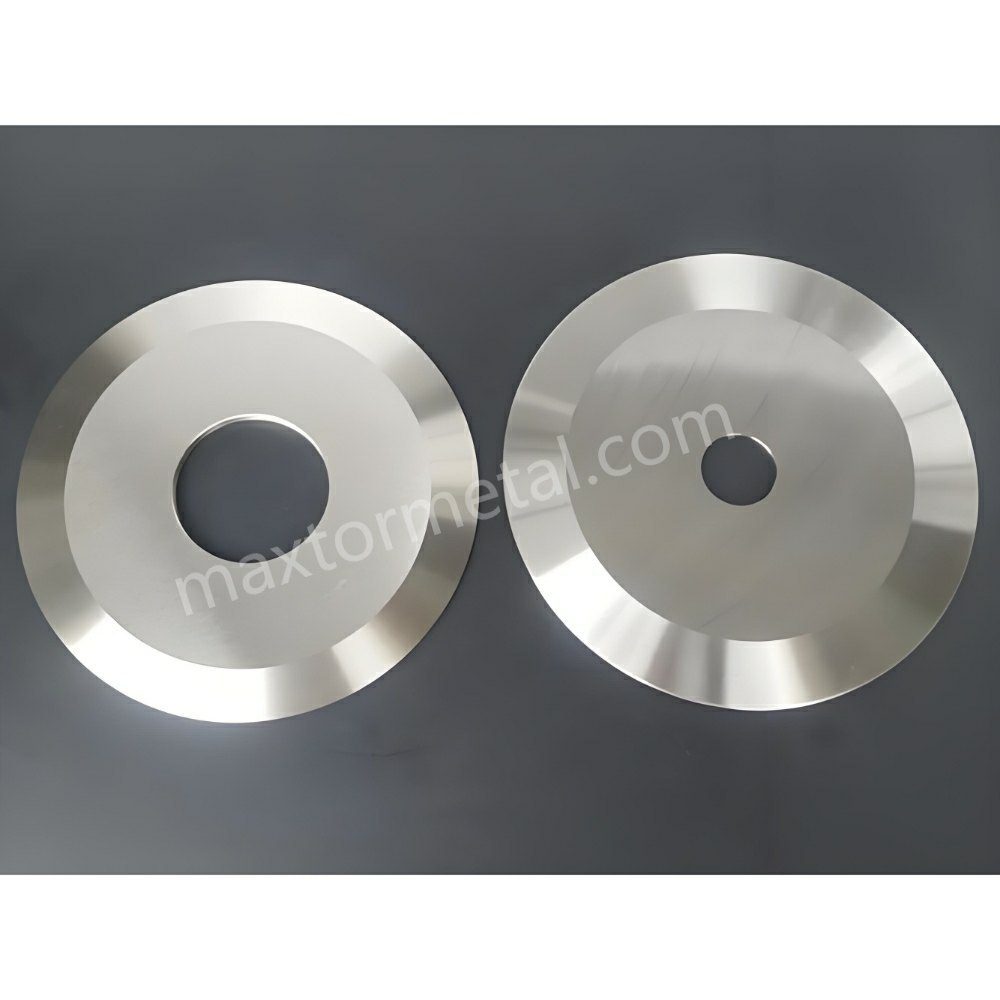
Potongan serpentine (juga disebut pergeseran atau penyimpangan garis potong) terjadi ketika tepi potongan tidak dapat mempertahankan jalur yang lurus và konsisten: lajur "bergeser", berosilasi, atau berpindah secara bertahap sehingga lapisan gulungan yang tergulung tidak lagi sejajar di tengah. Tangani masalah ini sebagai masalah stabilitas seluruh sistem slitting dan penggulungan—bukan sekadar cacat parameter tunggal.
Checklist ini mencerminkan cara sebagian besar tim pemeliharaan dan proses mengatasi masalah di lapangan. Prosedur ini didasarkan pada urutan diagnosis yang digunakan tim rekayasa lapangan Maxtor Metal saat memecahkan masalah mengapa hasil pemotongan yang terlihat baik saat pengaturan (setup) menjadi tidak stabil pada kecepatan tinggi.
Poin PentingJika gerakan memotong ular berubah seiring kecepatan, pergerakan maju, atau posisi di jalur, mulailah dengan mengisolasi lawan. dari mana gaya lateral itu berasal (gaya pisau vs. mekanika jaring vs. udara/statis) sebelum Anda mulai "memutar kenop."“
Pendekatan diagnosis berbasis sistem ini merupakan kerangka kerja yang diterapkan tim rekayasa aplikasi Maxtor Metal saat mendukung pelanggan pada lini slitting film dan nonwoven, di mana pergeseran lajur tidak dapat diatasi dengan perbaikan variabel tunggal.
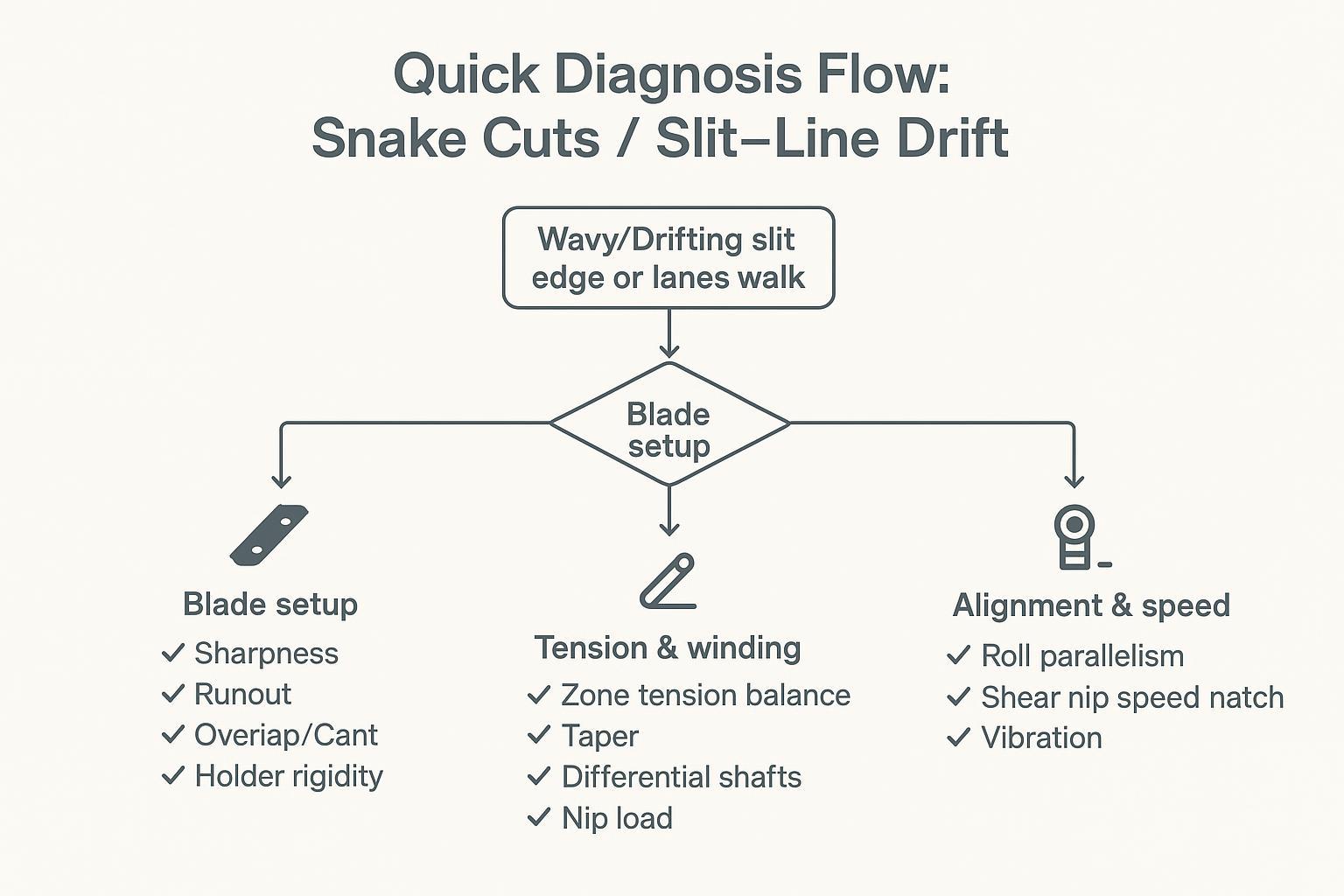
Alur diagnosis cepat
Kapan harus mencurigai adanya masalah pada mata pisau?
- Masalahnya adalah khusus jalur (satu atau dua lajur bergeser sementara lajur di sebelahnya mempertahankan posisi).
- Drift dimulai tepat di titik pembelahan, bahkan pada kecepatan rendah.
- Anda baru saja mengganti pisau, pengatur jarak, dudukan, atau memindahkan tumpukan pisau.
- Penyimpangan tersebut memiliki karakter berulang "sekali per putaran" (sering dikaitkan dengan runout atau dudukan yang tidak presisi).
Pemeriksaan cepat:
- Periksa kebersihan tumpukan pisau (tidak ada sisa film, perekat, atau gerigi yang terjebak di permukaannya).
- Pemeriksaan kelurusan indikator putar pada permukaan poros/pisau di jalur yang melenceng.
- Konfirmasikan bahwa tumpang tindih/keterlibatan dan kemiringan/tram berada dalam kisaran yang diharapkan untuk metode pemotongan.
Kapan harus mencurigai adanya ketegangan/lilitan?
- Drift semakin parah seiring berjalannya waktu. diameter gulungan terbentuk.
- Cacat tersebut “berpindah” dari jalur ke jalur dengan posisi inti atau perubahan pada menara.
- Anda lihat teleskopik, tepi yang longgar, atau variasi kekerasan antar jalur.
- Kemampuan drifting langsung meningkat saat Anda kurangi kecepatan atau mengubah titik pengaturan tegangan.
Pemeriksaan cepat:
- Bandingkan tegangan zona unwind/mid-web/rewind (aktual vs setpoint).
- Verifikasi perilaku tegangan tirus di seluruh konstruksi rol.
- Konfirmasi bahwa slip poros diferensial berfungsi dengan baik di setiap jalur (tidak ada elemen yang macet).
Kapan harus mencurigai keselarasan/kecepatan?
- Penyimpangan semakin parah setelah perawatan, penggantian bantalan, atau kejadian benturan/beban berlebih.
- Jaringan tersebut mengikuti aliran dengan baik ke hulu, kemudian bergeser setelah putaran atau perubahan arah tertentu.
- Anda mendengar/merasakan getaran, melihat tanda pola, atau mengalami osilasi pemandu tepi.
Pemeriksaan cepat:
- Kesejajaran rol dan keseimbangan jepitan; perhatikan kemiringan yang jelas atau keausan yang tidak merata.
- Pencocokan kecepatan pada titik potong geser (kecepatan pisau vs kecepatan web).
- Kesehatan dan getaran bantalan (suhu, kebisingan, spektrum jika tersedia).
matriks akar penyebab pemotongan ular
Gunakan tabel ini sebagai referensi triase cepat sebelum menyesuaikan pengaturan apa pun.
| Pola gejala | Kemungkinan besar subsistem | Pemeriksaan pertama |
|---|---|---|
| Drift spesifik jalur, dimulai dari tikungan tajam, terjadi pada kecepatan rendah. | Pisau/pemegang | TIR pada arbor + permukaan pisau pada jalur yang terdampak; bandingkan dengan jalur yang stabil |
| Kondisi drift memburuk seiring dengan peningkatan kemiringan; membaik saat kecepatan menurun. | Penggulungan tegangan/diferensial | Tegangan aktual vs tegangan titik acuan di setiap zona; torsi selip poros diferensial |
| Drift muncul setelah perawatan atau tindakan mekanis. | Penyelarasan / bantalan | Paralelisme rol; suhu bantalan dan spektrum getaran |
| Drift bervariasi tergantung pada lot induk atau posisi lajur (tepi vs tengah). | Profil material/ukuran | Variasi ketebalan melintang web; korelasi kekerasan antar jalur dengan posisi rol induk. |
| Drift memburuk pada kecepatan tinggi, membaik saat tekanan lay-on meningkat. | Masuknya udara / statis | Uji pengurangan kecepatan; pemeriksaan keluaran ionizer dan kontinuitas pentanahan. |
Pengaturan pisau dan toleransi
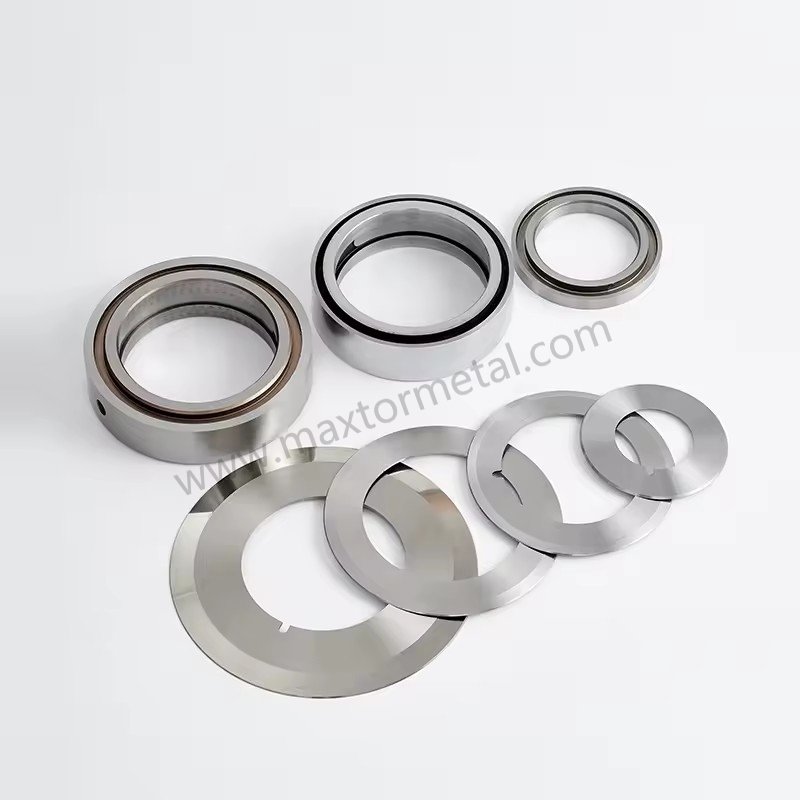
Ketajaman, runout, tumpang tindih, kemiringan
Lengkungan berbentuk ular sering kali dimulai sebagai bias lateral kecil yang berulang. Pada banyak jalur, cara tercepat untuk membuktikan atau menyangkal pergeseran yang disebabkan oleh "pisau" adalah dengan mengukur jarak antar anak panah di tempat yang penting.
- KetajamanTepi yang tumpul meningkatkan gaya potong dan dapat "mengendalikan" material, terutama pada lapisan tipis dengan kecepatan lebih tinggi.
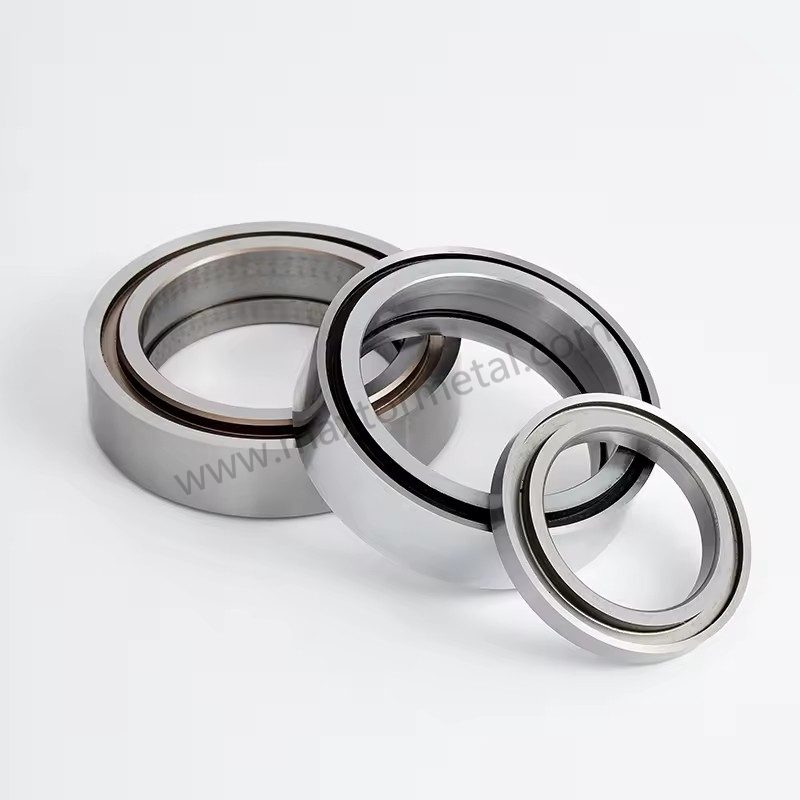
- Runout (TIR)Periksa bahu poros, permukaan pengatur jarak, dan permukaan pisau—bukan hanya satu titik yang mudah. Pertahankan Total Indicated Runout (Total Indicated Runout) dalam batas yang ditentukan. ≤0,025–0,050 mm (0,001–0,002 inci) di seluruh perakitan. Catatan inspeksi masuk Maxtor Metal mencatat TIR pada permukaan pisau dan permukaan kontak arbor per batch, sehingga pengukuran lapangan dapat dibandingkan dengan data pabrik yang terdokumentasi ketika masalah penyimpangan muncul setelah penggantian pisau. Untuk pembahasan TIR aksial dan radial yang berfokus pada pengukuran—termasuk protokol verifikasi penyimpangan dingin-panas dan mekanisme cacat yang dihasilkan oleh setiap mode penyimpangan—lihat Sumbual Runout, Dynamic TIR, dan Kualitas Tepi Celah.
- Tumpang tindih / keterlibatanAtur tumpang tindih ke nilai stabil minimum untuk metode dan material Anda (biasanya dimulai dari...) 0,5–1,2 mm / 0,020–0,045 inci (untuk pemotongan film geser standar). Tumpang tindih yang berlebihan dapat menutupi masalah mekanis untuk sementara waktu sambil menambahkan panas dan beban samping. Untuk film tipis (PE/PP/PET <50 μm), tim teknik lapangan Maxtor Metal menggunakan 0,50–0,75 mm sebagai jendela awal dan menyesuaikannya berdasarkan kualitas tepi dan tren gaya pemotongan. Untuk penjelasan lengkap tentang bagaimana tumpang tindih, sudut kemiringan, dan pramuat pegas berinteraksi selama pengaturan, lihat Pengaturan Pegas untuk Pemotongan Geser Tanpa Celah: Kontrol Tumpang Tindih, Sudut Kemiringan & Beban Awal.
- Tidak bisa / trem: Jaga agar sudut kemiringan tetap sesuai dengan spesifikasi pabrikan (biasanya) 0.25°–0.5°Jika mesin tidak disetel dengan benar, Anda bisa mendapatkan hasil pemotongan yang tampak baik saat pengaturan awal, tetapi menjadi tidak stabil seiring meningkatnya gaya akibat kecepatan.
Untuk referensi pemotongan geser, Panduan Referensi Pemotongan DIENES merupakan acuan yang berguna tentang bagaimana tumpang tindih diperlakukan sebagai variabel terkontrol dan bukan sebagai pengaturan "semakin banyak semakin baik" (lihat Panduan Referensi Pemotongan DIENES, edisi ke-2 (PDF)).
Untuk jalur produksi di mana pilihan pelapis juga sedang ditinjau—khususnya apakah pelapis DLC atau PTFE memengaruhi perilaku pergeseran dan interval pembersihan—lihat Panduan Pemilihan Lapisan DLC vs PTFE untuk Pisau Slitting: Batas Keausan vs Batas Transfer Material.
Kekakuan dudukan dan beban samping
Sekalipun menggunakan pisau yang bagus, dudukan yang fleksibel atau susunan yang memungkinkan variasi beban samping akan menyebabkan penyimpangan pada kecepatan tinggi.
Cek yang biasanya memberikan hasil:
- Pastikan dudukan terpasang rata dan dijepit secara konsisten di seluruh tumpukan.
- Periksa adanya gesekan, pengikisan, atau tanda-tanda keausan yang menunjukkan pergerakan mikro di bawah beban.
- Pastikan spacer tidak mengalami "penumpukan toleransi" yang menyebabkan bias lateral (terutama pada konstruksi multi-jalur).
- Perhatikan peningkatan beban samping yang berkorelasi dengan penumpukan material pada rol atau kenaikan suhu.
Masalah penumpukan spacer seringkali bermula dari presisi pemasangan lubang bor. Untuk logika pemilihan pemasangan ISO 286 yang menetapkan akurasi penempatan lubang bor ke poros—dan bagaimana TIR yang dirakit diverifikasi sebelum tumpukan pisau memasuki produksi—lihat Toleransi dan Keausan Lubang Tengah: Mengoptimalkan Kecocokan ISO 286 untuk Pisau Pemotong Kecepatan Tinggi.
Kualitas pasokan sangat berpengaruh terhadap stabilitas pengaturan, lebih dari yang disadari sebagian besar tim. Pisau dengan kekerasan atau variasi dimensi yang tidak konsisten menimbulkan variabel yang tampak seperti masalah pengaturan tetapi tidak merespons penyesuaian pengaturan.
Maxtor Metal mendokumentasikan kekerasan, inspeksi dimensi, dan catatan ketertelusuran panas/lot untuk semua pengiriman pisau pemotong melingkar—sehingga ketika masalah penyimpangan muncul setelah penggantian pisau, investigasi dapat dimulai dari data yang terverifikasi pada batch yang masuk daripada menelusuri kembali dari gejala.
Untuk proyek OEM/ODM di mana pisau harus sesuai dengan dudukan, poros, atau gambar teknik yang sudah ada, Maxtor Metal menyediakan dukungan spesifikasi khusus sepenuhnya untuk menghindari penggantian pisau yang sederhana menjadi siklus coba-coba geometri.
Untuk perhitungan penumpukan yang mengatur bagaimana variasi ketebalan per pisau terakumulasi menjadi kesalahan lebar celah di seluruh pengaturan multi-jalur—dan disiplin pencocokan spacer untuk meminimalkan pergeseran aksial saat pergantian—lihat Mengontrol Toleransi Ketebalan Kumulatif pada Pemotongan Multi-Pisau.
Pilihan gunting vs pisau cukur vs penghancur
Sesuaikan metode pemotongan dengan bahan dan cacat yang ingin Anda atasi:
Sebelum memilih metode pemotongan, geometri bevel juga perlu disesuaikan dengan kekakuan substrat—bevel tunggal yang berfungsi pada film PE tipis akan berperilaku berbeda pada laminasi PET. Untuk kerangka kerja pemilihan yang berfokus pada kekakuan yang mencakup profil bevel tunggal, ganda, dan gabungan, lihat Kemiringan Tunggal, Ganda, dan Majemuk untuk Pisau Pemotong Melingkar.
- Pemotongan dengan cara mengiris: Terbaik ketika Anda membutuhkan kualitas tepi yang konsisten dan dapat mempertahankan geometri (runout, overlap, side load). Cenderung stabil ketika dasar mekanisnya benar.
- mengiris dengan pisau cukurSederhana dan bersih pada film tipis, tetapi sensitif terhadap kondisi mata pisau, posisi alur, dan stabilitas web. Posisi alur penting: jika alur terlalu dangkal relatif terhadap ketebalan web, mata pisau akan melentur ke samping akibat tegangan web dan jalur pemotongan akan bergeser seiring perubahan kecepatan web; jika terlalu dalam, web akan membungkus tepi alur dan pelacakan menjadi sensitif terhadap asimetri tegangan lateral apa pun. Pergeseran juga dapat muncul dengan cepat ketika web bergerak di atas lapisan udara dengan kecepatan tinggi, atau ketika statis meningkatkan adhesi lateral ke permukaan pemandu.
- Menghancurkan dan membelah: Bisa lebih mudah dikendalikan dalam beberapa pengaturan, tetapi juga dapat memperbesar penyimpangan ketika kondisi karet/landasan bervariasi atau ketika panas meningkat.
| Kategori Substrat / Film | Metode yang Disarankan | Keunggulan Utama | Faktor Risiko Pergeseran |
|---|---|---|---|
| Poliolefin Tipis (BOPP / PE) | Pisau cukur di alur / Gunting | Tepi celah bersih, debu minimal | Pembelokan bilah, melayang di udara |
| Kaku / Modulus Tinggi (PET, PVC) | Pemotongan dengan cara mengiris | Geometri potongan yang presisi, tepi yang rapi. | Keausan pisau, kemiringan yang tidak sejajar |
| Film Tebal / Laminasi | Geser / Hancuran Berat | Kapasitas gaya geser tinggi | Variasi beban samping, keausan mata pisau |
Untuk kerangka kerja berbasis DOE yang memetakan bagaimana kedalaman tumpang tindih dan jarak bebas samping berinteraksi di seluruh kategori substrat ini—termasuk model pertukaran Pareto antara kualitas tepi dan umur pisau—lihat Mengoptimalkan Kedalaman Tumpang Tindih Pisau Bundar dan Jarak Samping.
Jika Anda hanya melihat potongan berbentuk ular pada SKU tertentu, nilai kembali apakah metode tersebut sesuai dengan ketebalan film, modulus, COF, dan rentang kecepatan.
Kontrol tegangan dan penggulungan
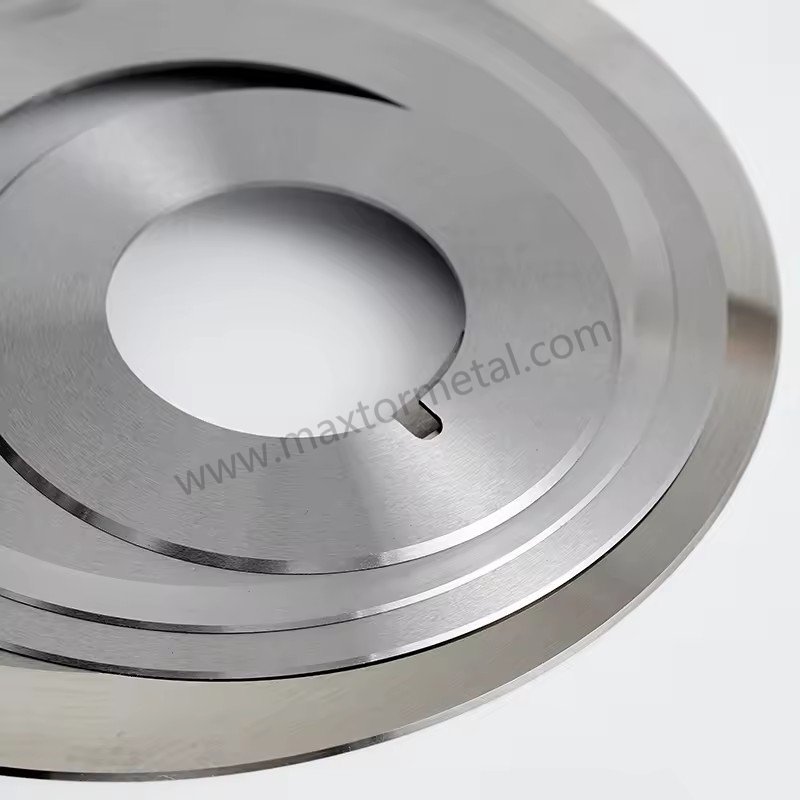
Titik acuan dan profil
Tegangan bukan hanya sekadar angka—tetapi merupakan profil di berbagai zona dan sepanjang waktu. Jalur celah yang stabil bergantung pada kondisi regangan web yang stabil.
Aturan praktis yang tetap berlaku:
- Jaga agar tegangan tetap stabil di seluruh bagian mengurai → rentang proses → memutar kembali, dan verifikasi pengukuran sel beban aktual terhadap titik acuan pengontrol. Pergeseran tegangan melebihi ±5%–8% Penyimpangan dari target seringkali cukup untuk menyebabkan slip web lateral dan memicu pergeseran garis celah. Tim lapangan Maxtor Metal menggunakan rentang ±5%–8% ini sebagai ambang batas penanda saat meninjau log tegangan selama investigasi pasca-pergeseran pada jalur pelanggan.
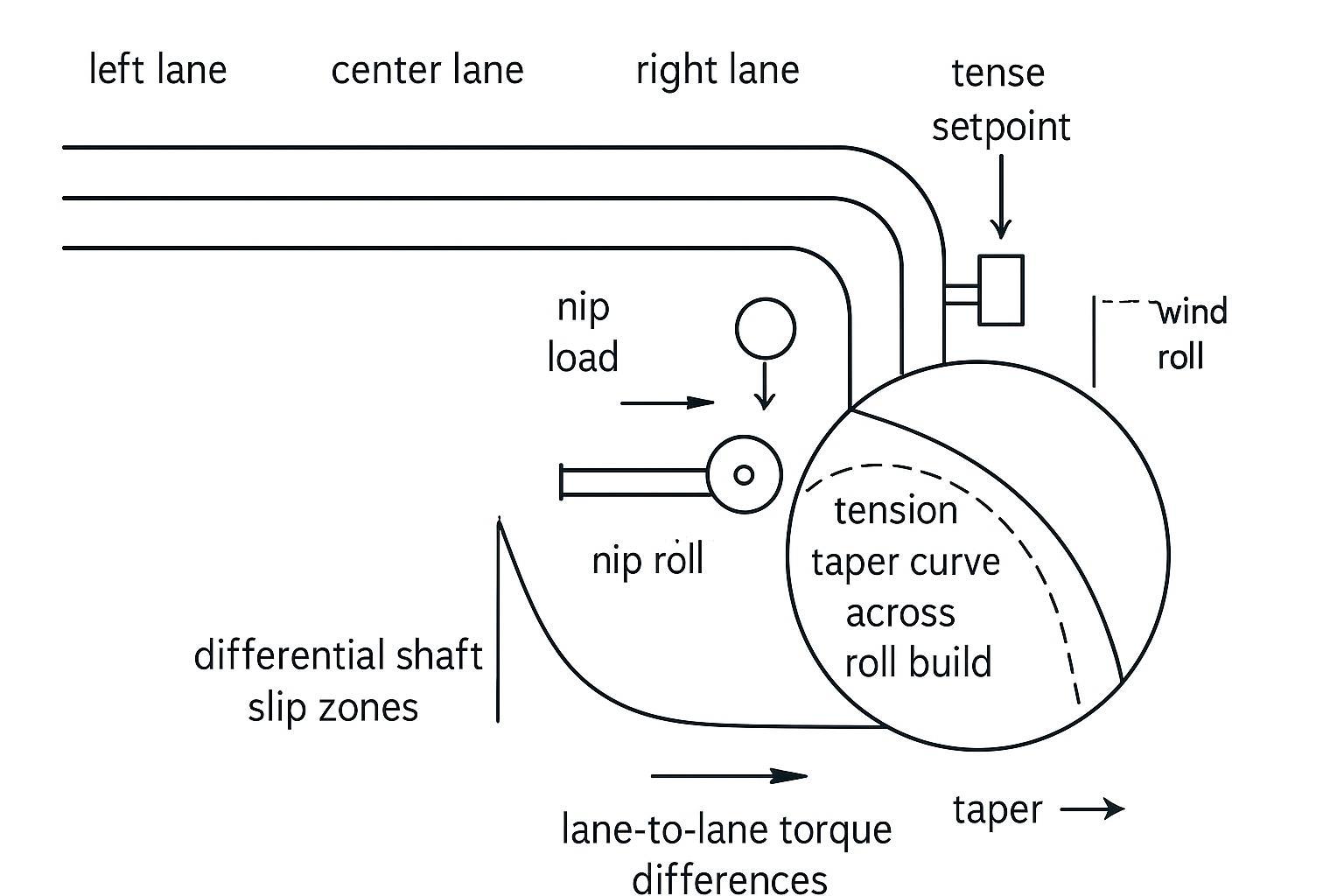
- Gunakan tegangan tirus secara sengaja; seiring bertambahnya diameter, tegangan seringkali perlu dikurangi untuk menghindari teleskopik, tekukan tepi, atau inti yang hancur.
Sebagai titik awal berbasis standar untuk panduan tegangan web, TAPPI menerbitkan dokumen panduan tegangan seperti TIPS TAPPI 0200-01:2021 (pedoman tegangan web).
Poros diferensial dan penjepit
Perbedaan diameter jalur seringkali menjadi pembeda antara "jalur yang terkendali" dan "jalur yang berjalan tanpa arah". Ketika diameter jalur bertambah dengan laju yang sedikit berbeda, sistem membutuhkan cara terkontrol untuk menyeimbangkan torsi sehingga satu jalur tidak menjadi kendur dan mulai menyimpang.
Pemeriksaan:
- Konfirmasikan bahwa elemen diferensial benar-benar selip dalam rentang torsi yang diharapkan.
- Pastikan beban jepitan seimbang di seluruh permukaan rol; jepitan yang tidak merata dapat menciptakan perbedaan traksi antar lajur.
- Periksa tegangan tirus bersamaan dengan pengaturan diferensial; jika Anda mengencangkan tegangan saat diameter bertambah, Anda dapat membebani satu jalur secara berlebihan dan mengganggu pelacakan.
Transisi dan traksi
Banyak potongan berbentuk ular merupakan "cacat transisi":
- percepatan menuju kecepatan produksi
- bagian sambungan
- transfer menara
- perubahan kekerasan gulungan seiring bertambahnya diameter
Selama masa transisi:
- Pastikan daya cengkeram jalur web konsisten (tidak ada selip tiba-tiba pada gulungan tertentu).
- Kurangi kecepatan sebentar sebagai langkah diagnostik. Jika drift langsung hilang, curigai dinamika udara/traksi/statis sebelum Anda mengganti pisau.
- Anggaplah masalah pergeseran pemandu tepi sebagai gejala—sering disebabkan oleh osilasi tegangan, ketidaksejajaran, atau traksi yang tidak stabil.
Penyelarasan dan kesesuaian kecepatan
Rol, poros, dan keseimbangan penjepit
Jika web dipaksa bergerak ke samping oleh geometri, tidak ada pengaturan pisau yang akan "menahannya tetap lurus" secara konsisten.
- Periksa kesejajaran rol relatif terhadap garis tengah mesin.
- Periksa permukaan rol untuk melihat adanya kemiringan, keausan, kontaminasi, atau kerusakan.
- Periksa distribusi tekanan jepitan; jepitan yang tidak merata dapat mengarahkan material.
Referensi praktis mengenai dasar-dasar pelacakan garis tengah dan penyebab gerakan lateral adalah kompilasi Walker di komunitas penanganan web (lihat Web Lines: Walker tentang Penanganan Web (kompilasi PDF 2003–2014)).
Perbedaan kecepatan pada titik jepit geser
Pada pemotongan geser, ketidaksesuaian kecepatan dapat menciptakan komponen gaya lateral pada saat pemotongan.
Daftar periksa:
- Pastikan kecepatan permukaan pisau sesuai dengan kecepatan material yang dibutuhkan oleh metode pemotongan Anda.
- Pastikan kopling/celah penggerak tidak menyebabkan variasi kecepatan periodik.
- Jika pergeseran berbanding lurus dengan kecepatan tetapi tidak dengan tegangan, curigai ketidaksesuaian kecepatan dan getaran.
Kesehatan bantalan dan getaran
Masalah bantalan dan getaran seringkali disamarkan sebagai "masalah pemotongan".
- Bandingkan suhu bantalan kiri dan kanan.
- Dengarkan suara berulang; periksa tanda-tanda pola.
- Jika Anda memiliki pemantauan getaran, catat spektrum pada kepala pemotong dan gulung kembali.
Efek material dan udara
Profil dan variabilitas pengukur
Variasi ketebalan dan kelengkungan melintang menciptakan tegangan yang tidak merata di seluruh jalur. Umumnya, bagian tengah rel akan bergerak ke arah sisi yang lebih sempit.
Pemeriksaan:
- Verifikasi profil rol yang masuk dan konsistensi kekerasannya.
- Carilah perbedaan antar lajur yang berkorelasi dengan posisi putaran induk (tepi vs tengah).
- Jika penyimpangan hanya terjadi pada lot tertentu, catat ID lot dan data profil pengukur dalam log Anda.
Masuknya udara dan penempatan
Udara merupakan "elemen mekanis" yang nyata pada kecepatan tinggi. Jika jaring bergerak di atas lapisan udara, traksi berubah dan potongan dapat bergeser.
Pemeriksaan:
- Perhatikan adanya getaran dan penempatan yang buruk saat memutar balik.
- Gunakan tekanan/jepitan secara efektif (dalam batas kemampuan mesin) untuk mengurangi udara yang terjebak.
- Sebagai langkah diagnostik, kurangi kecepatan sedikit dan perhatikan apakah penyimpangan berkurang.
Keterkaitan antara cacat statis dan cacat tepi
Muatan statis dapat menarik film ke arah pemandu/rol, menarik debu, dan membuat titik pemisahan menjadi tidak stabil—terutama pada film tipis dengan kecepatan lebih tinggi.
Pemeriksaan:
- Verifikasi kontinuitas pengikatan/pembumian pada rol-rol utama.
- Periksa batang ionisasi untuk kebersihan dan outputnya.
- Pantau apakah kerusakan tersebut lebih parah dalam kondisi kelembapan rendah.
When static-attracted dust is itself a product quality problem—not just a trigger for tracking instability—the blade-level root causes of dust generation (Ra, carbide microstructure, overlap-induced secondary rubbing) require a separate analysis. See Analisis Akar Penyebab Pembentukan Debu Slitting: Ra Sisi Pisau, Mikrostruktur Karbida & Toleransi Pengaturan.
FAQs:
T: Apa yang menyebabkan potongan serpentine pada slitting film?
J: Potongan serpentine biasanya berasal dari ketidakstabilan lateral: gaya pisau (runout, tumpang tindih/overlap, pergerakan dudukan pisau), mekanika web (ketidakseimbangan tegangan, masalah penggulungan diferensial), geometri (miskonfigurasi/misalignment, jepitan nip tidak merata), atau dinamika (jebakan udara dan listrik statis). Jalur tercepat adalah mengisolasi apakah penyimpangan dimulai dari pisau atau baru muncul selama penggulungan.
T: Bagaimana cara mengetahui apakah pergeseran garis potong disebabkan oleh masalah pisau atau masalah tegangan?
J: Jika masalah hanya terjadi pada lajur tertentu dan dimulai tepat di stasiun pemotong bahkan pada kecepatan rendah, curigai pisau, runout, atau dudukan pisau. Jika memburuk seiring bertambahnya diameter gulungan, membaik saat tegangan diubah, sau berpindah mengikuti posisi core, curigai tegangan atau penggulungan diferensial.
T: Bisakah runout pisau benar-benar menyebabkan pergeseran lajur pemotongan (drifting slit lanes)?
J: Ya. Bahkan runout kecil dapat menciptakan gaya lateral berulang yang menggeser jalur pemotongan. Ukur runout pada poros (arbor), muka spacer, dan muka pisau menggunakan dial indicator, lalu bandingkan lajur yang "baik" dengan lajur yang "buruk".
T: Pengaturan tegangan apa yang membantu menghentikan pergeseran garis potong pada mesin slitter rewinder?
J: Mulailah dengan menstabilkan tegangan di setiap zona dan memverifikasi tegangan aktual melalui pengukuran. Kemudian gunakan profil tegangan lancip (taper profile) yang terkontrol agar tegangan tidak bertambah seiring bertambahnya diameter. Panduan yang diterbitkan TAPPI dapat membantu Anda memilih rentang awal, lalu Anda dapat menyesuaikannya berdasarkan kekerasan gulungan dan stabilitas lajur.
T: Apakah poros diferensial (differential shafts) dapat mencegah pergeseran lajur dan pergeseran gulungan (telescoping)?
J: Poros ini membantu ketika diameter lajur bertambah secara tidak merata, karena slippage yang terkontrol menyamakan torsi sehingga tidak ada lajur yang kendur dan bergeser. Jika elemen gesek macet atau torsi salah diatur, perbedaan kekerasan antar-lajur dan pergeseran garis potong tetap dapat terjadi.
T: Mengapa pergeseran garis potong semakin parah pada kecepatan tinggi?
J: Kecepatan yang lebih tinggi meningkatkan jebakan udara, memperbesar vibrasi, dan membuat miskonfigurasi kecil berdampak lebih besar. Jika penyimpangan berkurang dengan cepat saat kecepatan diturunkan, curigai dinamika udara, traksi, atau listrik statis sebelum mengubah geometri pisau.
T: Bagaimana cara mengurangi jebakan udara saat penggulungan film?
J: Tingkatkan efektivitas rol penekan/lay-on (nip roller) dalam batas kemampuan mesin, konfirmasi geometri jalur web menuju penggulungan, dan atur tegangan/taper agar web menyesuaikan diri dengan gulungan daripada mengapung di atas lapisan udara. Uji pengurangan kecepatan adalah cara cepat untuk memastikan apakah udara yang menyebabkan ketidakstabilan tersebut.
T: Di mana saya harus mencatat data untuk mencegah pemotongan bergelombang (snake cuts) berulang?
J: Catat berdasarkan ID gulungan dan lajur: rakitan pisau (OD pisau, ketebalan, spacer), pembacaan runout, pengaturan overlap/cant angle, tegangan per zona dan profil taper, jenis/pengaturan poros penggulung, kecepatan, status mitigasi kelembapan/listrik statis, serta apakah pergeseran berubah seiring kecepatan atau bertambahnya diameter gulungan.
Kesimpulan
Menghilangkan potongan serpentine (snake cuts) memerlukan peralihan dari penyesuaian parameter secara asal-asalan menuju rutinitas diagnosis sistematis yang berbasis fisika. Dengan memverifikasi secara sistematis geometri pisau dan kekakuan dudukan (menjaga TIR ≤ 0,050 mm serta overlap dan cant angle yang tepat), menstabilkan profil tegangan web di seluruh zona penggulungan, serta menghilangkan miskonfigurasi rol mesin dan jebakan udara berkecepatan tinggi, lini konversi web dapat mencapai stabilitas garis potong secara instan.
Untuk mengubah daftar periksa ini menjadi keuntungan operasional yang langgeng, pabrik harus formalisasi pemeriksaan ini ke dalam Prosedur Operasional Standar (SOP). Penerapan lembar pengaturan (setup sheet) terstandarisasi — lengkap dengan persetujuan wajib untuk pembacaan runout, overlap, dan tegangan — serta penerapan jadwal pemeliharaan preventif (PM) yang ketat untuk dudukan pisau, poros (arbor), dan bantalan (bearing) secara drastis mengurangi variabilitas saat pergantian alat (changeover).
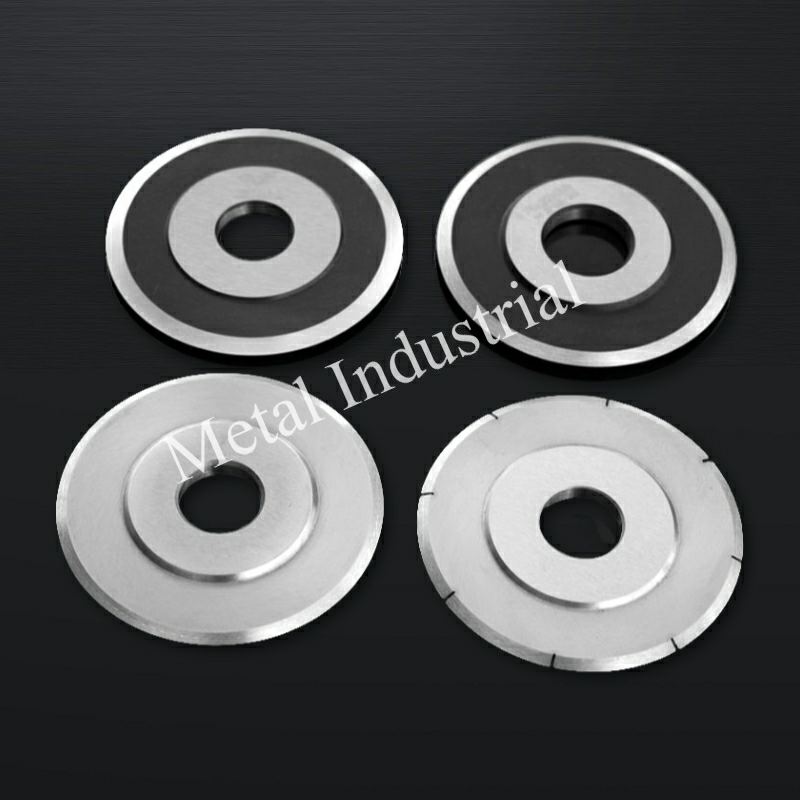
Untuk operasional yang menstandarisasi perkakas di beberapa lini slitting, Maxtor Metal menyuplai pisau geser ganda/melingkar (circular shear knives) dengan dokumentasi dimensi dan kekerasan lengkap per batch, serta menyediakan dukungan OEM/ODM saat pisau harus sesuai dengan gambar poros (arbor) dan dudukan yang sudah ada. Pisau dan mata pisau bundar Maxtor Metal untuk referensi geometri dan spesifikasi.
Pada akhirnya, mengukur keberhasilan kontrol stabilitas ini bergantung pada indikator kinerja utama. Operasi konversi berkinerja tinggi melacak lima KPI inti untuk memvalidasi kinerja pemotongan mereka:
- Tarif Besi Tua & Limbah (%): Pengurangan langsung limbah film yang dipotong dan rol yang ditolak karena tidak sesuai spesifikasi.
- Efektivitas Peralatan Keseluruhan (OEE): Kecepatan lari yang lebih tinggi dan stabilitas pemotongan yang berkelanjutan.
- Waktu Henti Tak Terencana: Mengurangi penghentian jalur produksi akibat kerusakan material atau penyesuaian di tengah proses produksi.
- Masa Pakai PisauDaya tahan alat yang lebih lama dihasilkan dari minimisasi beban samping dan tumpang tindih yang optimal.
- Keluhan Kualitas Pelanggan: Tingkat kejadian cacat pada anyaman tepi, teleskopik, atau sobek yang lebih rendah pada pengiriman gulungan jadi.
Penulis / Peninjau Teknis
Jerry Chu | Spesialis Dukungan Teknis (Layanan Purna Jual)
Maxtor Metal
Jerry membawa pengalaman lebih dari 10 tahun dalam berbagai aplikasi lintas industri di bidang manufaktur kertas, daur ulang/penghancuran plastik, pemotongan logam, dan pengolahan kayu. Mengkhususkan diri dalam menyelesaikan tantangan pemotongan di dunia nyata—seperti gerinda potong, debu berlebihan, dan ketidakstabilan tepi—ia bekerja langsung dengan tim teknik lapangan untuk mengoptimalkan kinerja peralatan dan keandalan operasional.
- Sertifikasi: Profesional Pemeliharaan & Keandalan Bersertifikat (CMRP), Profesional Manajemen Proyek (PMP®)
- Spesialisasi: Pemecahan masalah pemotongan di lokasi, desain geometri pisau khusus, dan pengembangan SOP perawatan pencegahan

 English
  Spanish
  Italian
  French
  Portuguese
  Russian
  German
  Arabic
  Hindi
Hindi  Vietnamese
  Indonesian
  Japanese
  Korean