
空冷PE/PP用ホットフェスカットナイフの選び方
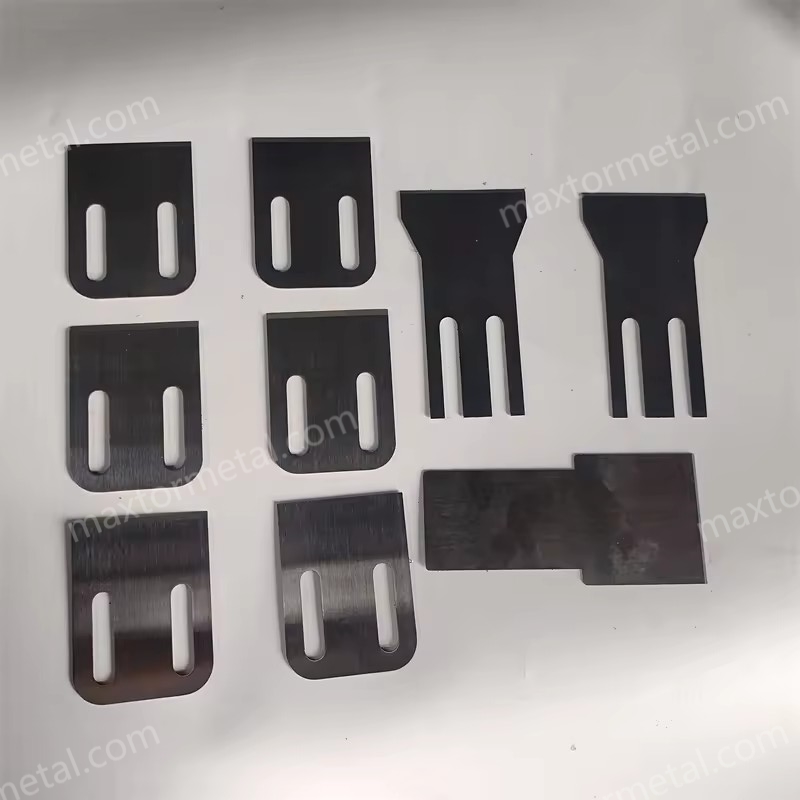
Selecting the right hot face pelletizing blades for air-cooled PE/PP isn’t just about material names on a quote. The right choice directly lowers tails and fines, stabilizes cut quality across shifts, and keeps uptime predictable so your total cost of ownership (TCO) tracks to plan. This guide shows you how to specify blade substrate, hardness, and coating; how to control geometry and tolerances for a clean cut; how to tune air-cooled operation; and how to manage lifecycle and sourcing for consistent, low-variance performance. Use it three ways: Key takeaways How this guide was built (scope & verification): This article synthesizes OEM design concepts (alignment/controlled contact), common coated-component QA methods (e.g., XRF […]
ガラス繊維強化樹脂の摩耗に打ち勝つペレタイザーナイフ
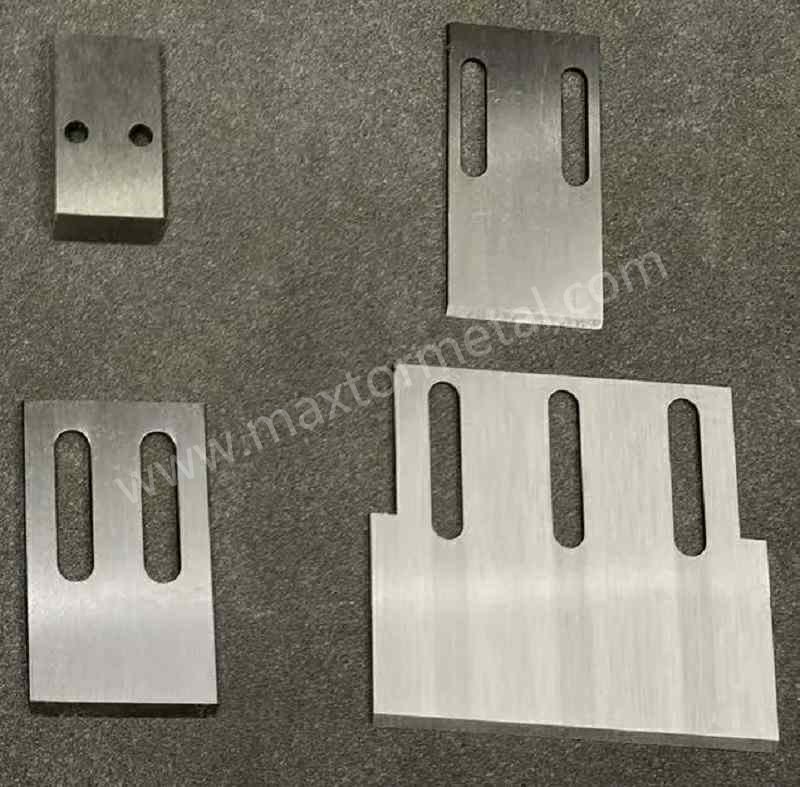
Introduction Glass fibers turn an ordinary polyolefin run into an abrasive slurry. Each chopped strand behaves like a microscopic file, accelerating edge rounding on blades and carving faint grooves into the die face. The result? Rising fines and tails, growing vibration, and more frequent blade swaps or regrinds. In die-face/water-ring (underwater) pelletizing of PP/PE with 10–40% glass fiber, this wear shows up faster and costs more in lost uptime and die reconditioning than in unfilled runs. Abrasion is only half the story. Water chemistry, temperature stability, and alignment also steer how quickly edges dull or chip. If those variables drift, you pay twice—once in pellet quality and again in total […]
ペレタイザーナイフの寿命を延ばす:ダウンタイムを削減するメンテナンス手法
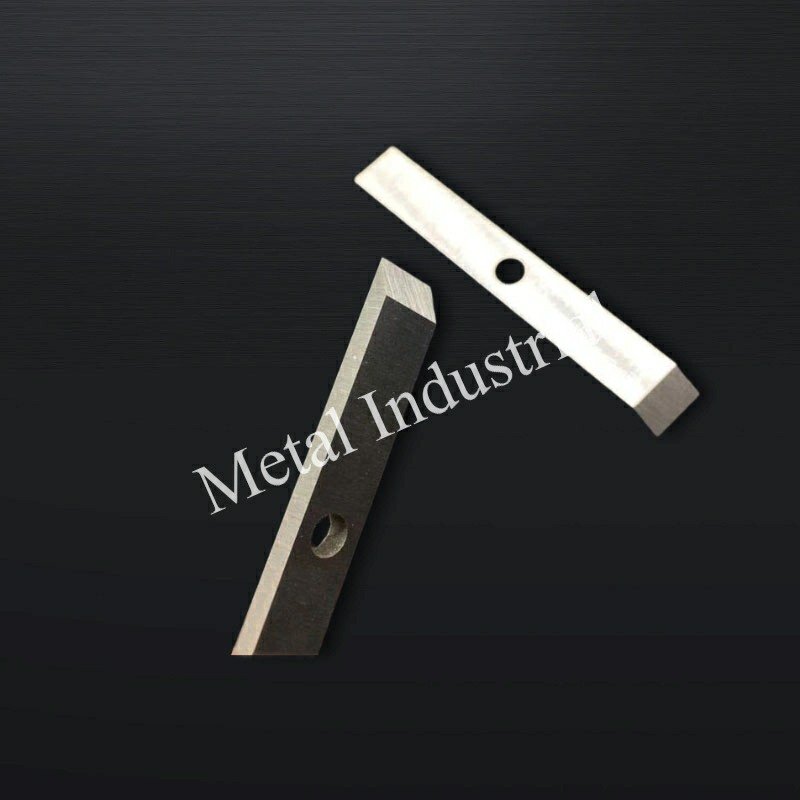
By Tommy Tang, Senior Sales Engineer (Nanjing METAL). 12 years supporting pelletizing and size-reduction blade applications. Certifications: CSE, CME, Six Sigma Green Belt, PMP. Scope and validation note: The numeric ranges in this guide are typical starting points used in plant practice. Always follow your OEM manual and site safety rules first, then confirm final setpoints with the A/B verification steps described below. Introduction Extending the working life of pelletizer knives is one of the fastest ways to stabilize pellet quality and keep uptime high. Longer-lived edges mean fewer emergency changeovers, more consistent pellet geometry, and less die-face rework. In short, effective pelletizer blade life extension turns small, routine checks into big gains […]
カスタムペレタイザーナイフがCAD設計から量産準備整うまで
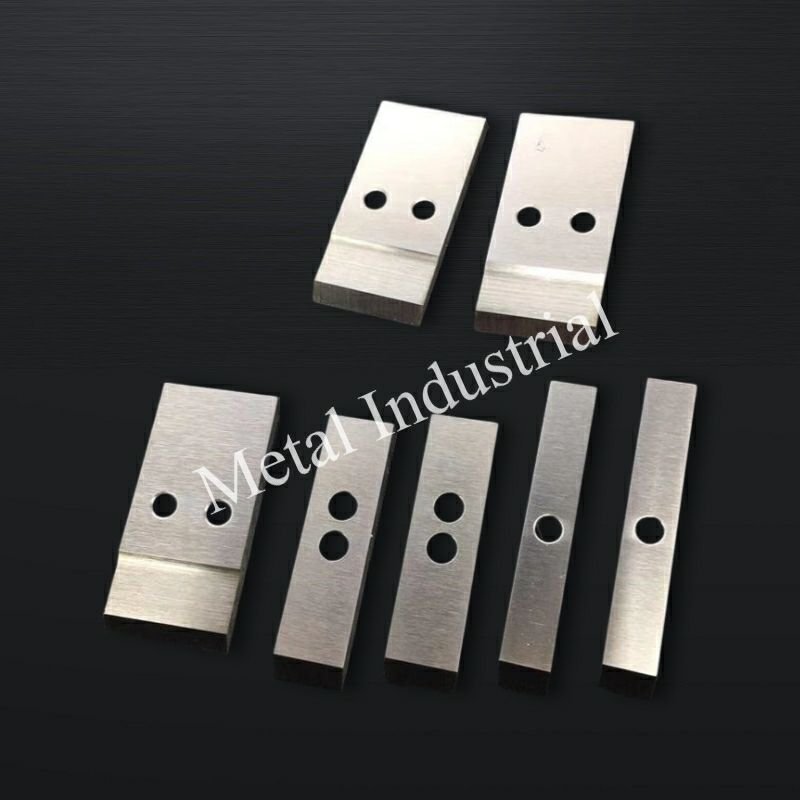
Custom pelletizer knives for underwater (water-ring/die-face) cutting don’t become production-ready by chance. They get there through a disciplined chain: CAD intent → DFM reality → controlled manufacturing → auditable QA → run-in validation on your line. In this guide, you’ll see how geometry, materials, precision grinding, and documentation come together to shorten run-in and extend service life—two levers that directly raise uptime and cut unplanned stops. You’ll learn: This helps plant, production, maintenance, and purchasing teams who need predictable pellets, fewer tails and fines, and knives that settle quickly and stay in spec longer. Key takeaways CAD-to-DFM fundamentals for underwater cutting Geometry essentials that stabilize shear at the die face […]
実践的なペレットテールのトラブルシューティング:効果的な5つの解決策
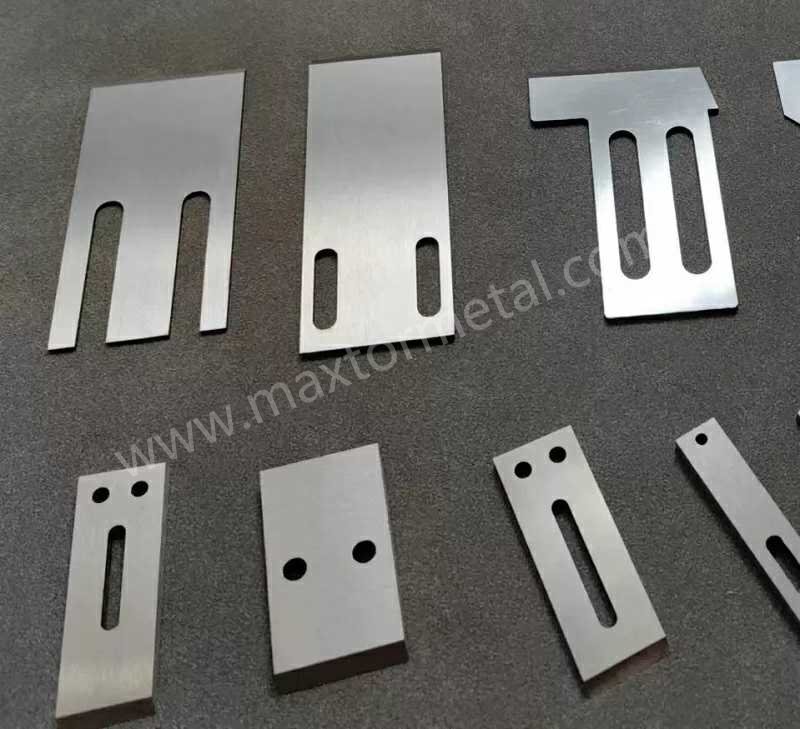
This guide is for leaders running PE/PP water-ring (die-face hot-cut) pelletizers who need clean pellets, stable throughput, and high uptime. If you’re seeing tails, fines, chaining/doubles, unstable cutting, or noisy contact, use the five fixes below to move fast without guesswork. Quick symptom map: tails (inadequate cooling, dull/misset knives, grooved die face), fines (excessive impact/recirculation, dull knives, unstable cut), chaining/doubles (water too hot, melt too hot, low flow), and noisy/unstable contact (poor alignment/balance, incorrect pressure/overlap). Safety first: apply lockout/tagout; couple the cutter to the water box before start-up; use shields/guards; wear PPE (face/eye, heat-resistant gloves); beware hot surfaces and rotating parts. OEMs explicitly warn not to start the pelletizer before […]
PVDコーティングペレタイザーナイフでテールと微粉を削減
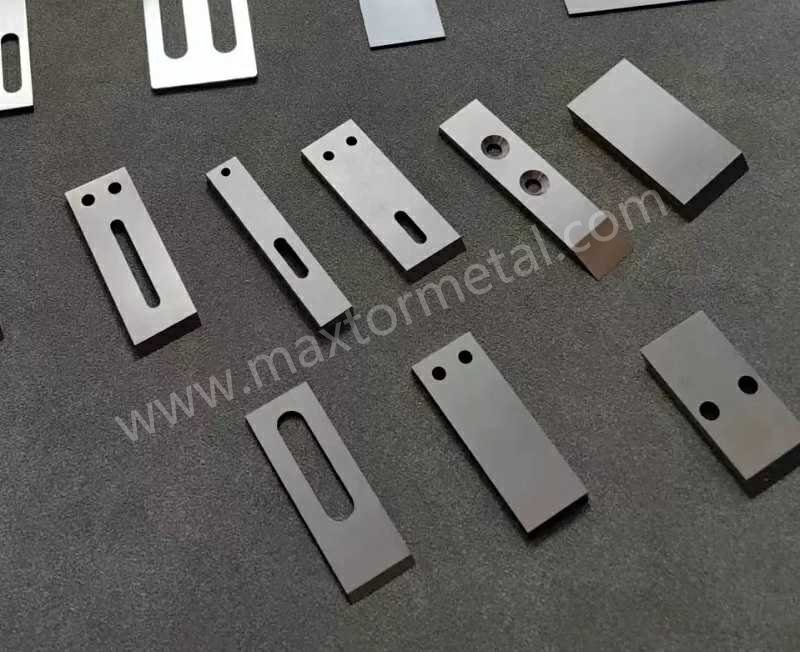
PE/PPウォーターリング(ダイフェースホットカット)ラインにおいて、ペレットの品質にとって尾と細粒は二つの敵です。尾は、ダイフェースから発生し、切断面がきれいでない場合に発生します。これは、多くの場合、エッジの摩耗、ダイフェースの溝、アライメント不良、または規格外の水質が原因です。これらの尾は乾燥機内で剥がれ落ち、細粒や粉塵となり、歩留まりを低下させ、フィルターや乾燥機に過負荷をかけ、予定外の清掃を余儀なくさせます。その結果、稼働時間の損失、総所有コストの増加、そして顧客が気付く外観の不均一さといった影響が現れます。このガイドでは、PVDコーティングされたペレタイザーナイフが、エッジの保持力を高め、付着を軽減することで、よりきれいなペレットを切断する方法について説明します。適切な設定とメンテナンスを行うことで、多くのプラントで[…]
PE/PPライン向け水リングペレタイザーナイフの選び方
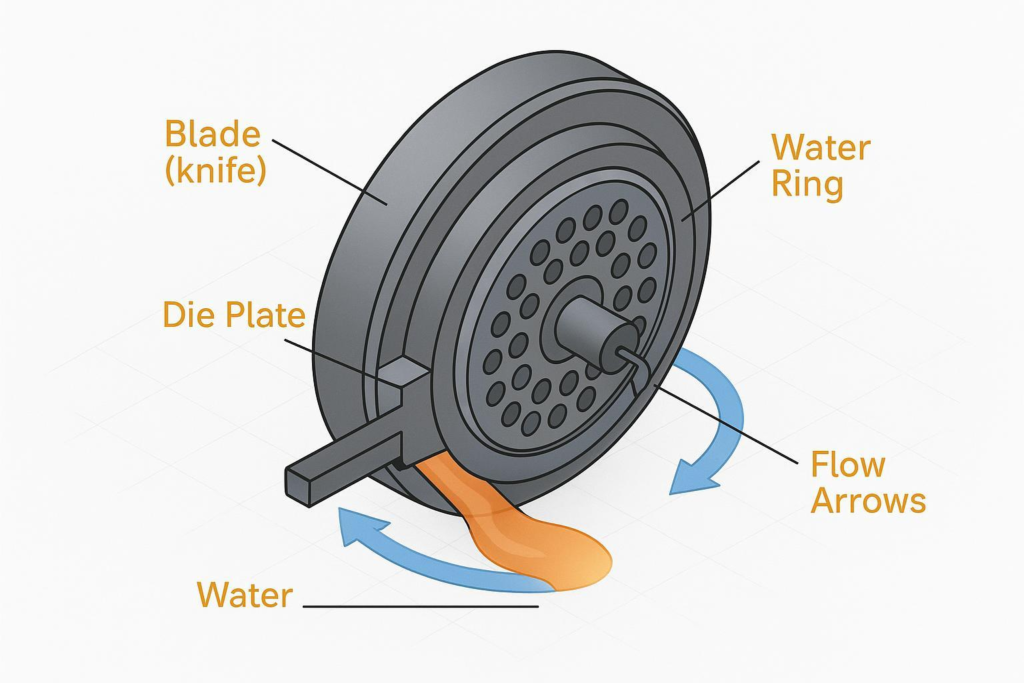
Pellet quality, uptime, and total cost per ton decide whether a water-ring (die-face hot-cut) line is truly performing. In PE/PP service, the blade’s material, coating, edge geometry, and dimensional tolerances interact with die-face condition, water-loop stability, and blade speed. Get any of these wrong and you’ll see tails, fines, inconsistent cut length, or avoidable downtime. This guide shows how to choose water ring pelletizer blades for PE/PP lines with confidence: clear selection criteria for materials and coatings, practical geometry and preload guidance, startup and shutdown SOPs, OEM-fit tolerances and QC documentation to request, day-to-day operating tips, and a simple model for cost per ton. Key takeaways Materials & surface engineering […]
ストランドおよび水中カットシステムに最適なマスターバッチペレタイザーナイフ
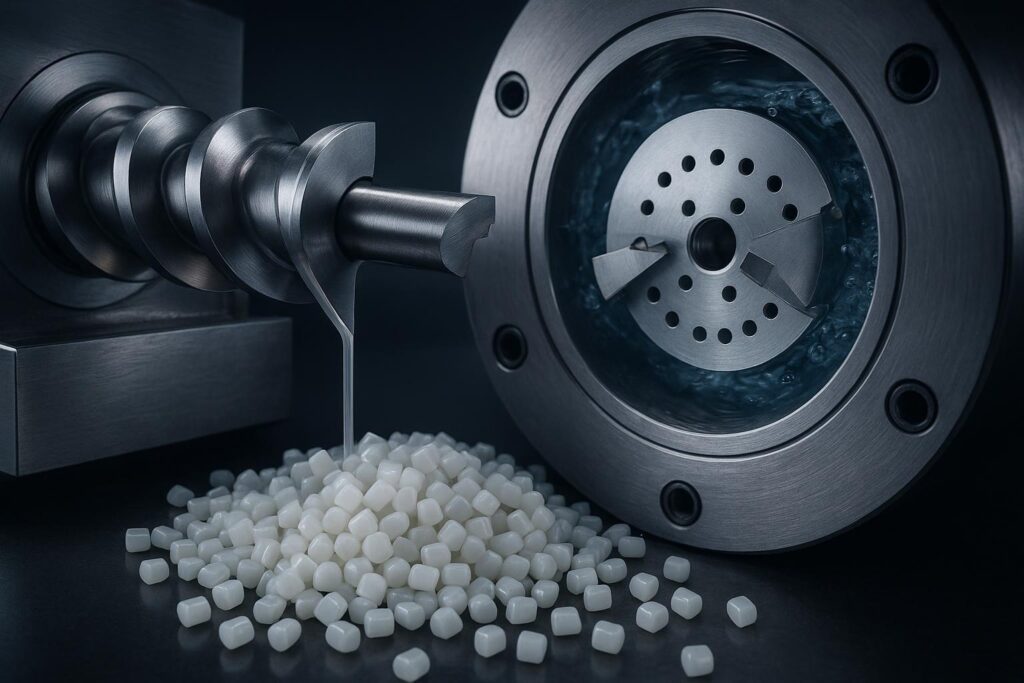
Blade selection is one of the fastest levers you can pull to improve pellet uniformity, uptime, and total cost. In strand pelletizing, the blade story is about helical scissor geometry, rotor‑to‑bed knife gap, and how quickly wear drifts that gap. In underwater pelletizing (die‑face/water‑ring), it’s about keeping a clean, stable cut through controlled knife contact pressure, thermal balance at startup, and robust process‑water flow. In this guide, you’ll compare materials, geometries, gap/pressure windows, and coatings for masterbatch pelletizer blades. We focus on two real production pain points: underwater startup stability and knife pressure control (tails/fines), and strand gap drift and changeover cadence—while providing a practical selection matrix to speed decisions. […]
均一な粒度を実現するためのペレタイザーナイフの鋭利さの最適化
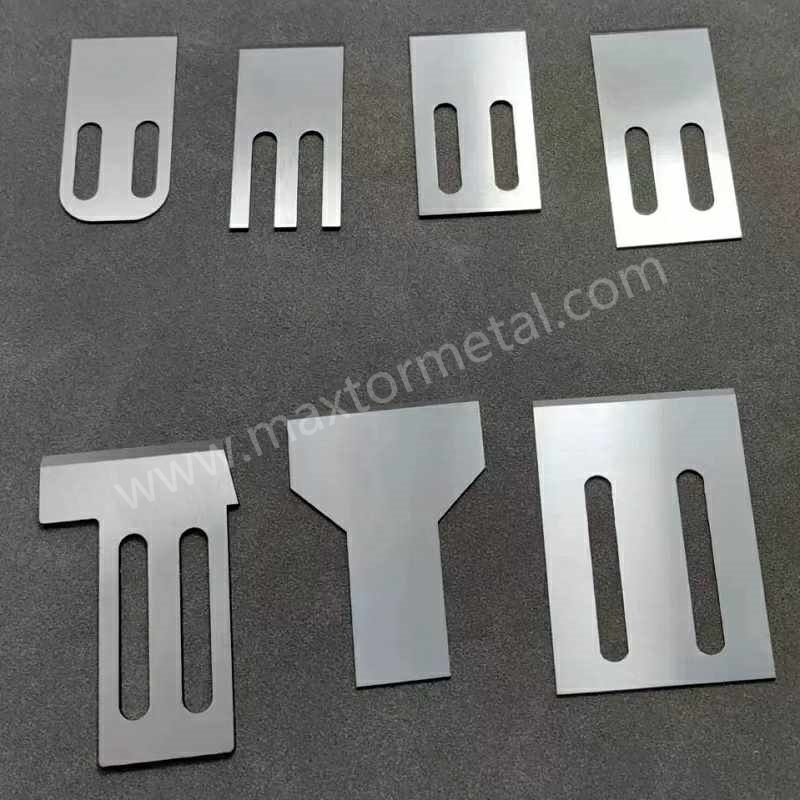
Uniform granule size is not just an aesthetic goal—it drives downstream stability, drying efficiency, metering accuracy, and perceived product quality. The fastest lever you control on the line is blade sharpness, but it only delivers consistent results when it’s linked to the right process window: line speed, cutter RPM, cooling, and die-face conditions. This guide shows how to make that linkage explicit across three common setups—strand (PP/PE), underwater (PA/PBT/PC), and hot-face/water-ring (masterbatch and high-fill)—and how to maintain it with measurable KPIs. Key takeaways KPI framework for uniform granule size Start with a measurement-first framework. Use ASTM D1921 as your reference method for pellet size distribution, which supports full sieve-based distributions […]
ペレタイザーナイフの圧力調整とダイ保護
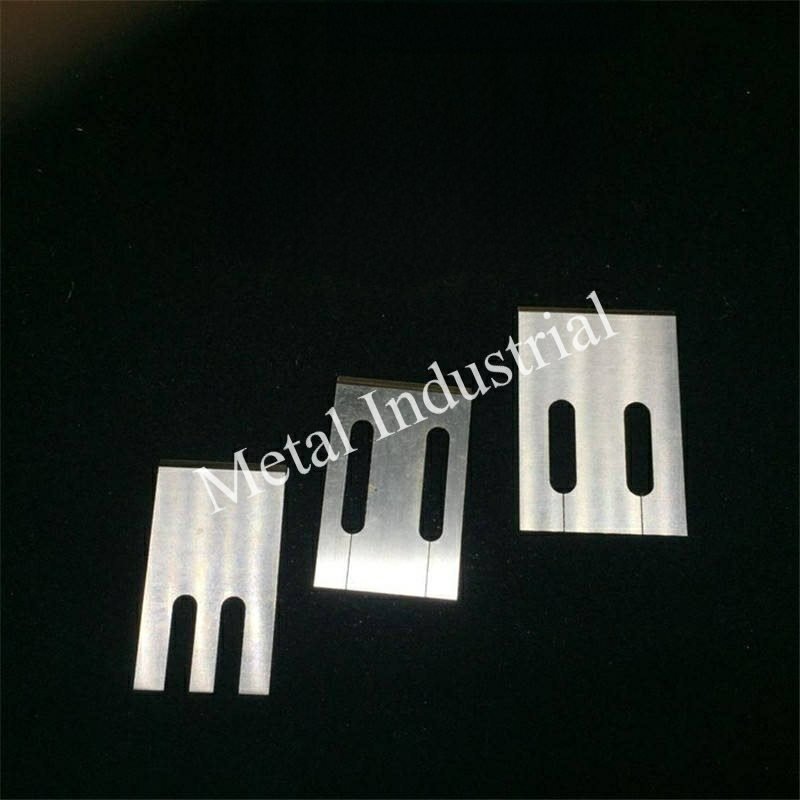
If your underwater pelletizer throws tails, fines, or intermittent leaks, the fix often starts at the knife–die interface. This guide gives operators and engineers a stepwise playbook for pelletizer blade pressure adjustment and die protection across startup, steady long runs, abrasive formulations, and extreme MFI conditions—so you can reduce die wear, extend time between leak events, and stabilize pellet consistency. Key takeaways Safety and disclosure The core method: pelletizer blade pressure adjustment Getting contact right is less about a magic number and more about a routine tied to observable signals. Scenario A — Startup/changeover: prevent leaks and stabilize cut Startup and changeovers are when most leaks and knife marks appear […]

 English
  Spanish
  Italian
  French
  Portuguese
  Russian
  German
  Arabic
  Hindi
Hindi  Vietnamese
  Indonesian
  Japanese
  Korean