
Устранение нестабильности ширины реза: Контроль накопленного допуска по толщине при многоножевой резке
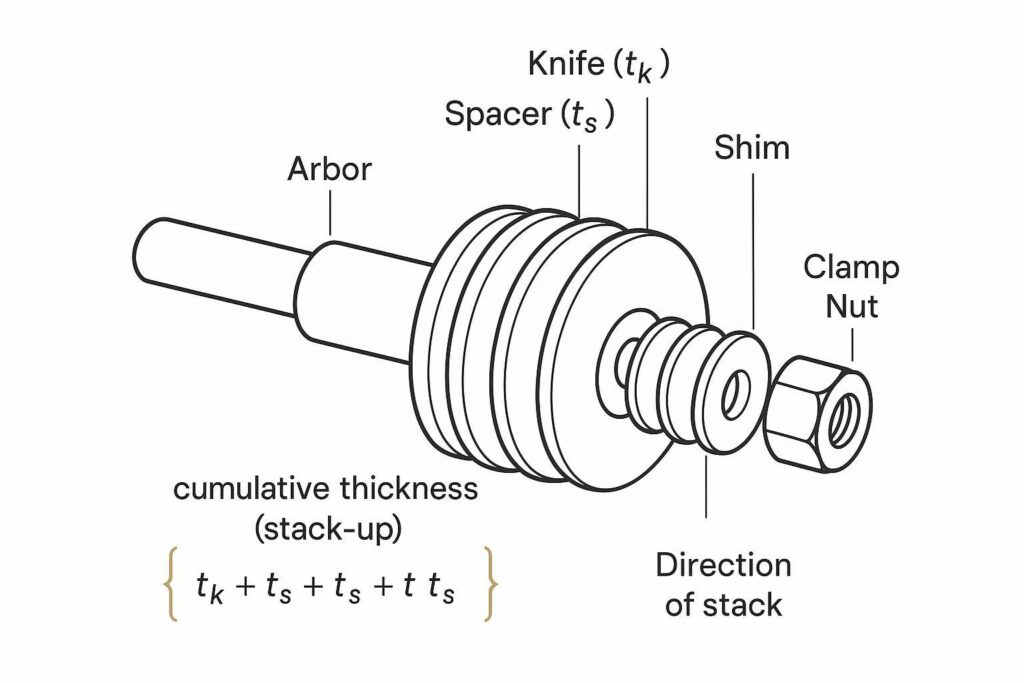
Maxtor Metal builds custom, precision-ground industrial knives for converting and slitting lines. In day-to-day slitting, one of the fastest ways to lose slit-width stability (and OEE) is to ignore what small thickness errors do when you stack many knives, spacers, and shims on one arbor. Basics of cumulative thickness tolerance Definition and terms Cumulative thickness […]
HSS против твердого сплава: подбор материала и скорости для продления срока службы кромки
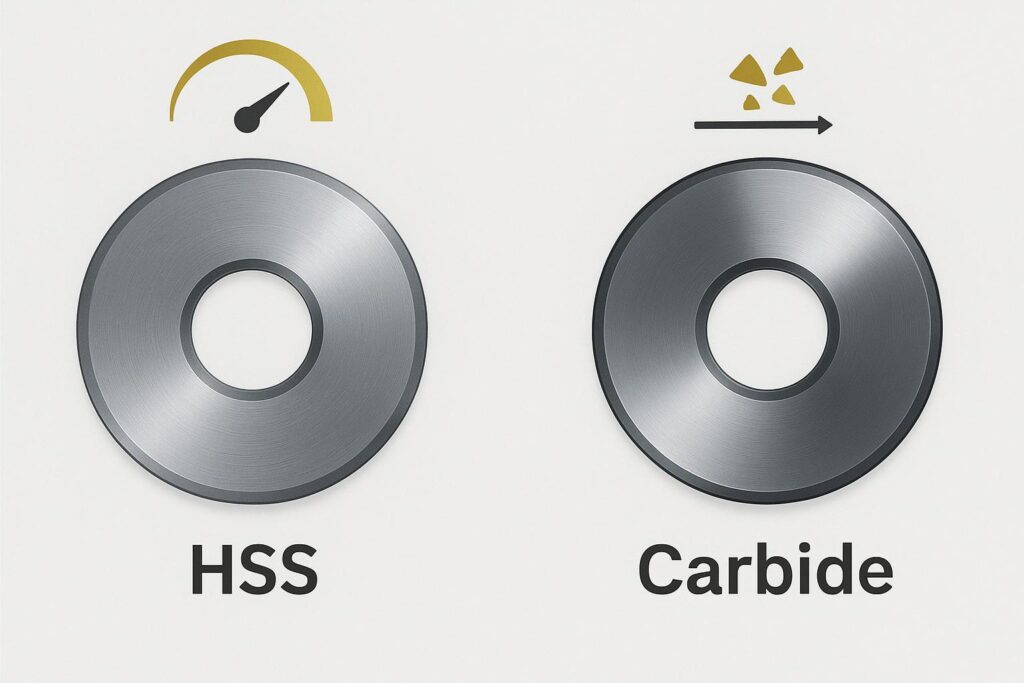
Основные выводы: Почему использование быстрорежущей стали (HSS) и твердосплавных материалов влияет на срок службы кромки, общую эффективность оборудования (OEE) и общую стоимость владения (TCO). Срок службы кромки определяет, как часто вам приходится менять ножи, насколько стабильно остается режущая кромка и сколько брака образуется до того, как кто-то заметит отклонение реза. В линиях по переработке это превращается в три бизнес-показателя: Ключевые переменные, которые необходимо учитывать перед […]
Нижние дисковые ножи: как подобрать пару к верхним ножам для резки без заусенцев

Last updated: 2026-05-12 Note: Always verify knife geometry, overlap/pressure, and safety procedures against your OEM slitter manual and holder design. The ranges below are starting points and must be validated on your line at low speed before running production. Shear slitting fundamentals Shear slitting is a controlled “scissor cut” between a top knife and a bottom knife. […]
Отчет о долговечности твердосплавных ножей для резки электродов
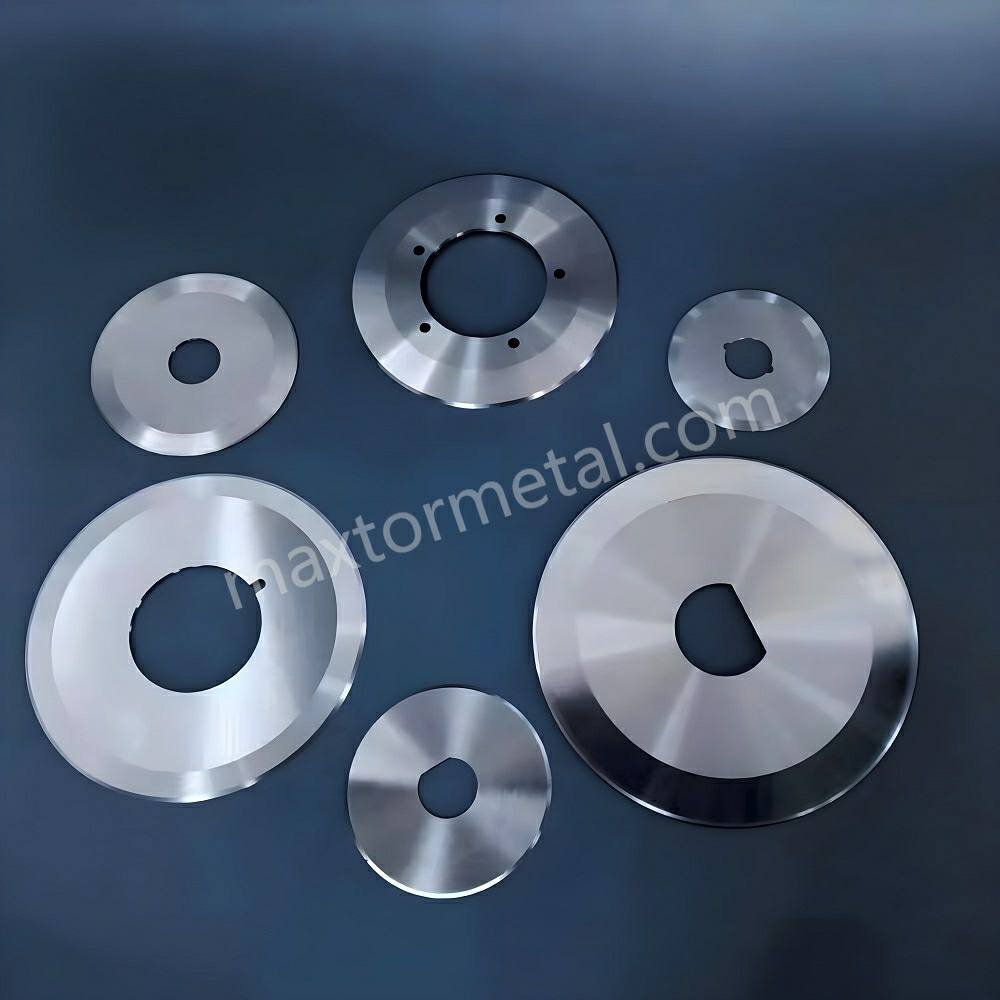
Область применения и ограничения (ознакомьтесь с информацией перед использованием): В этом отчете представлены практические рекомендации по измерению и управлению технологическими процессами при резке литий-ионных электродов и сепараторов. Целевые значения, настройки и частота проверок зависят от конструкции вашего оборудования (архитектура разреза/надреза), системы материалов (Cu/Al, покрытие, тип сепаратора), скорости линии и возможностей измерения. Подтвердите любые изменения с помощью контролируемых испытаний на вашей линии и следуйте вашим рекомендациям […]
Как дистанционные кольца влияют на образование заусенцев и точность ширины реза
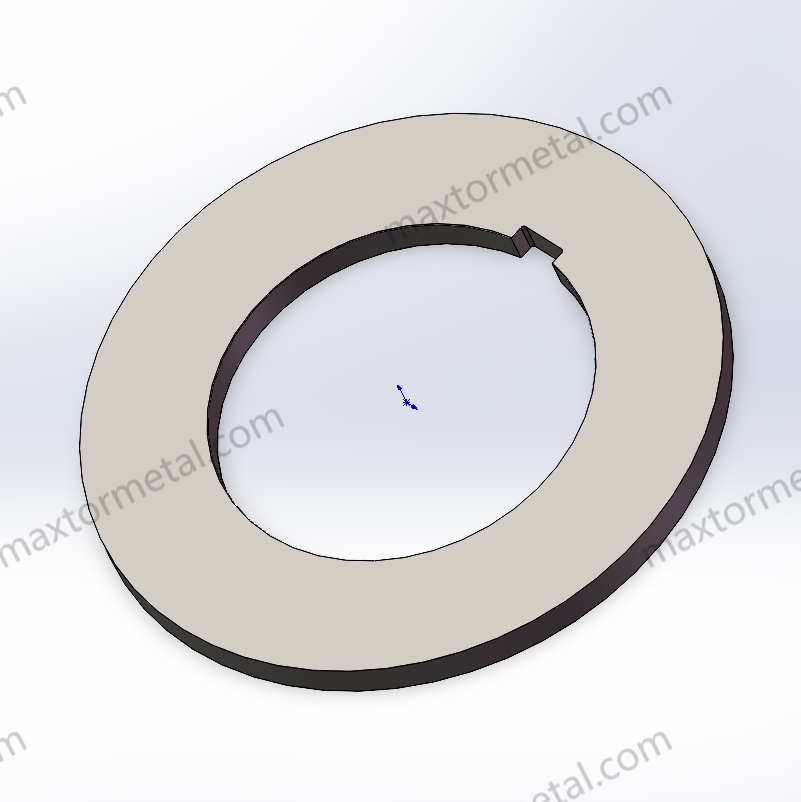
Ключевые выводы: заусенцы — это не просто косметический дефект. При резке пленок, фольги, текстиля и полотен с покрытием неровная кромка может привести к обрывам полотна на последующих этапах, образованию складок, плохой намотке и жалобам клиентов. При обработке металлов заусенцы могут стать причиной травм при работе, проблем со стыковкой и преждевременного износа формовочного оборудования. Отклонение ширины реза обходится не менее дорого. Если вы не можете выдержать ширину […]
Мгновенные способы устранения заусенцев при резке, которым доверяют начальники производства
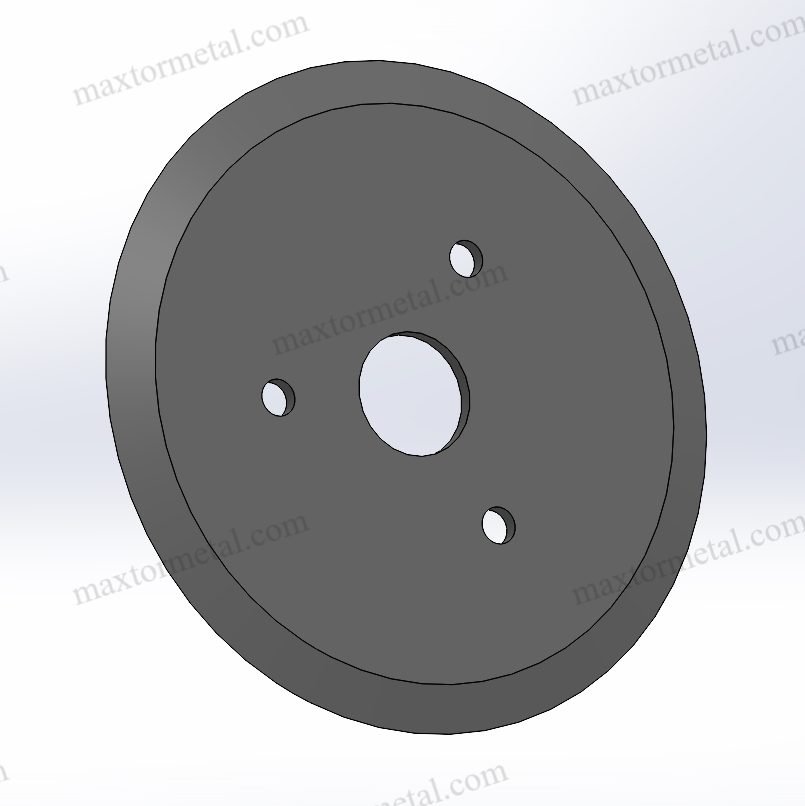
Заусенцы при продольной резке проявляются в виде приподнятой кромки, ворсистого края, пыления или “зажеванных” нитей вдоль линии реза — часто сильнее всего с одной стороны полотна. Они не просто ухудшают внешний вид; они приводят к увеличению брака (кромкообрезь, дефекты), замятиям на последующих этапах и незапланированным остановкам, когда операторам приходится корректировать настройки на ходу. Хорошая новость: многие всплески образования заусенцев […]
Руководство по настройке сдвижной резки для чистых кромок и долговечности ножей
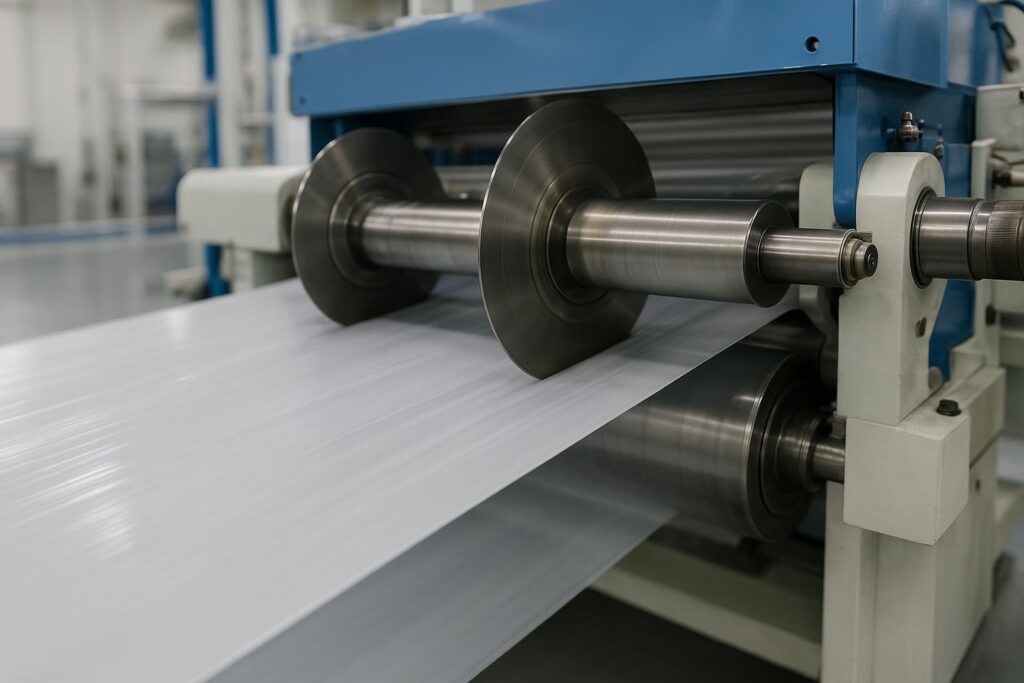
Если вы стремитесь к более чистой кромке и увеличению срока службы ножей, наибольший эффект обычно дает не только использование “более острых ножей”. Он достигается за счет воспроизводимой последовательности настройки, строгого контроля и ведения журнала, в котором четко определены рабочие диапазоны параметров для каждого SKU. Это руководство составлено в виде чек-листа для цеха: что настраивать, что проверять и что фиксировать […]
Как выбрать производителя ножей для хлеборезок для долгосрочных поставок
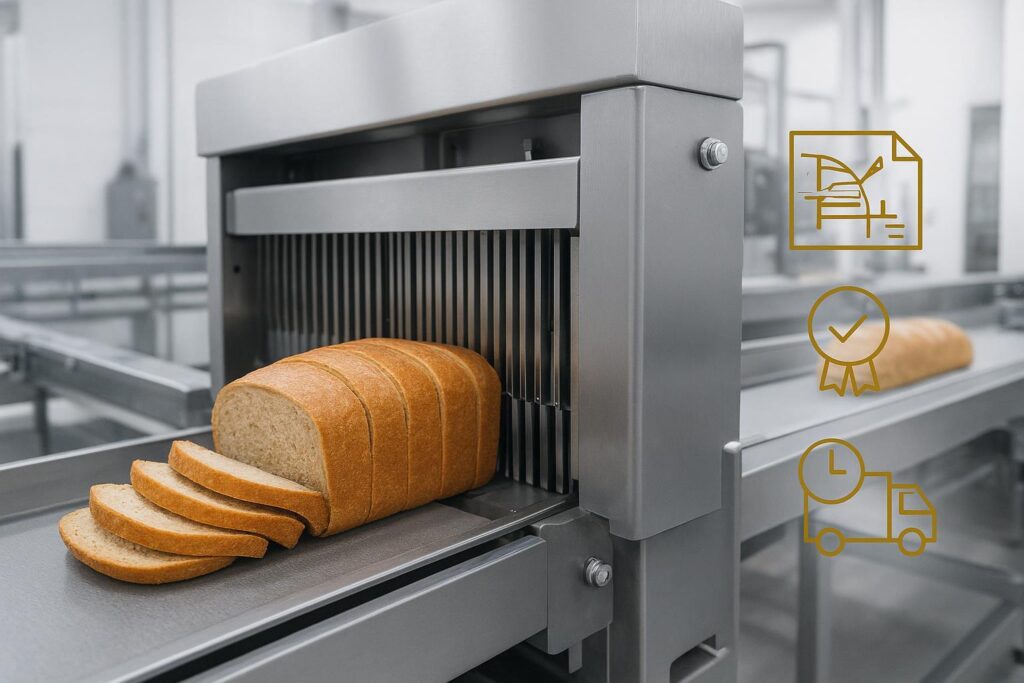
Выбор производителя ножей для хлеборезки — это долгосрочное эксплуатационное решение, а не просто покупка запасных частей. Если вы правильно оцените поставщика — его инженерно-технический потенциал, соблюдение стандартов контроля качества/соответствия и надежность поставок — вы получите более чистый срез, меньше крошек и дефектов, увеличенное время работы между заменами и более низкую совокупную стоимость владения (TCO). Это руководство написано для промышленных хлебопекарных […]
Когда выбирать ножи для хлеборезки с ПТФЭ-покрытием, а когда — с твердым покрытием
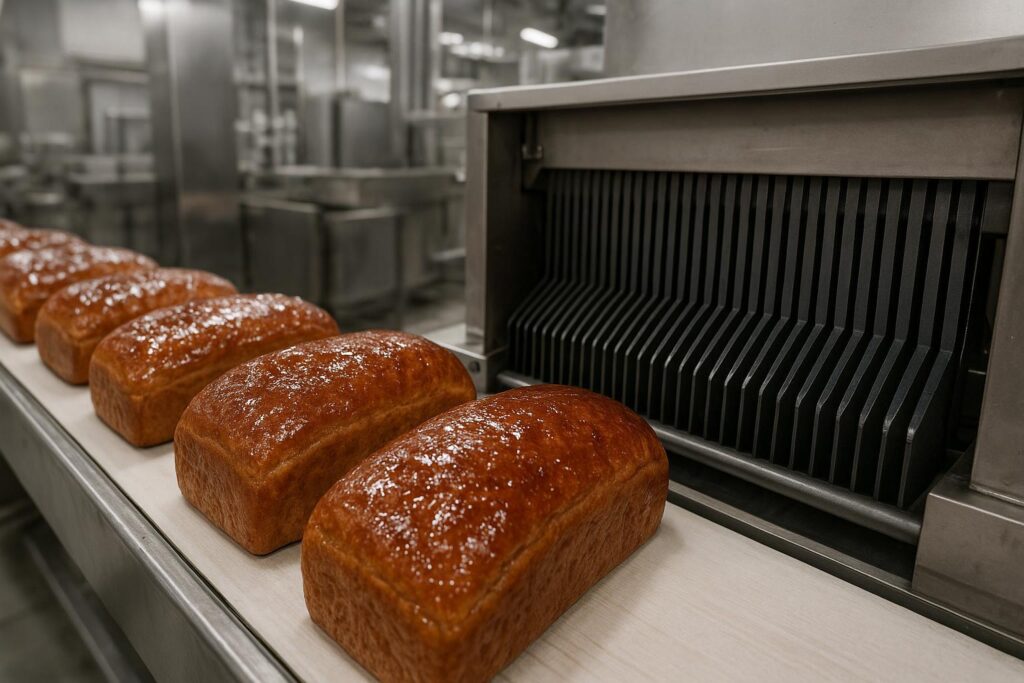
Как PTFE помогает при нарезке липкого хлеба. PTFE (часто называемый тефлоном) — это антипригарное покрытие с низким коэффициентом трения. При нарезке хлеба это имеет решающее значение, когда вашим главным врагом является еще не затупление ножа, а адгезия: сахара, глазурь, теплый мякиш и влага скапливаются на поверхности ножа до тех пор, пока машина не начнет рвать хлеб, затягивать его или заклинивать. Иными словами, если вы оцениваете антипригарное покрытие для хлеборезательных […]
Как заточка и покрытия помогают уменьшить количество хлебных крошек на производстве
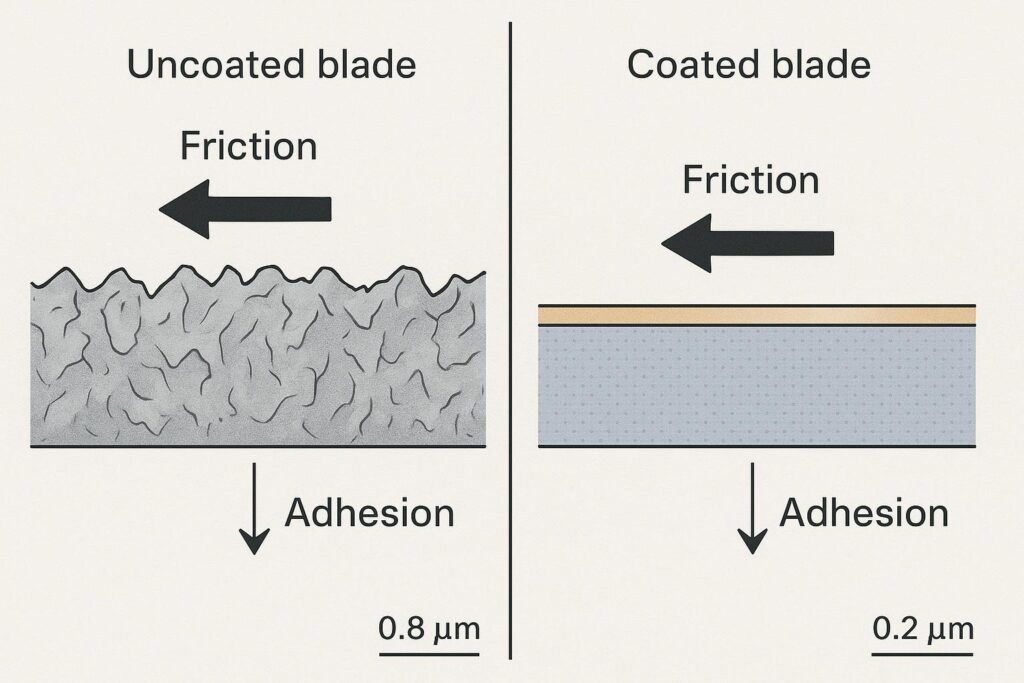
Потери в виде хлебных крошек легко списать на “просто уборку”. На промышленной линии нарезки это одновременно потеря выхода готовой продукции, проблема с OEE и риск для безопасности пищевых продуктов. Раскрытие информации: MAXTOR METAL поставляет промышленные режущие ножи. Принципы, изложенные в этой статье, не зависят от конкретного поставщика и ориентированы на измеримые параметры контроля процесса (масса крошек, допуск по толщине, время простоя), чтобы вы […]

 English
  Spanish
  Italian
  French
  Portuguese
  Russian
  German
  Arabic
  Hindi
Hindi  Vietnamese
  Indonesian
  Japanese
  Korean