
Erzielung von Granulatgleichmäßigkeit — Setup der Wasserstrang-Granulierung
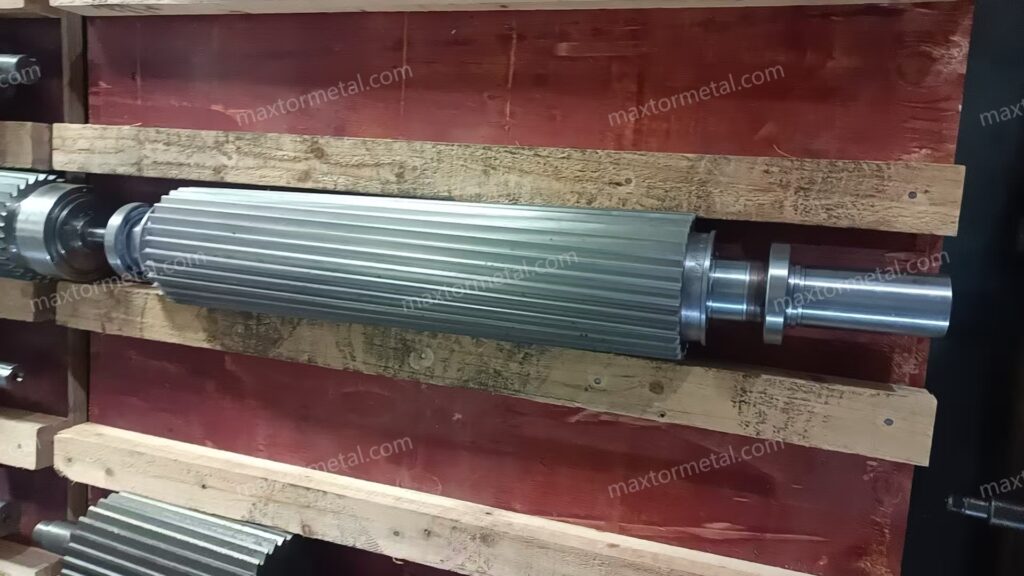
Injection moulding needs pellets that feed cleanly, melt uniformly, and meter consistently shot after shot. That means tight pellet length control, minimal fines and tails, and low variability in pellet weight and rheology. Strand lines vary because several stations—melt delivery and die, water bath, dewatering, and the cutter—each add their own tolerances and drift. Stabilising […]
Ultimativer Leitfaden: Rotorschneider mit Einsatzmessern für die Wasserstrang-Granulierung
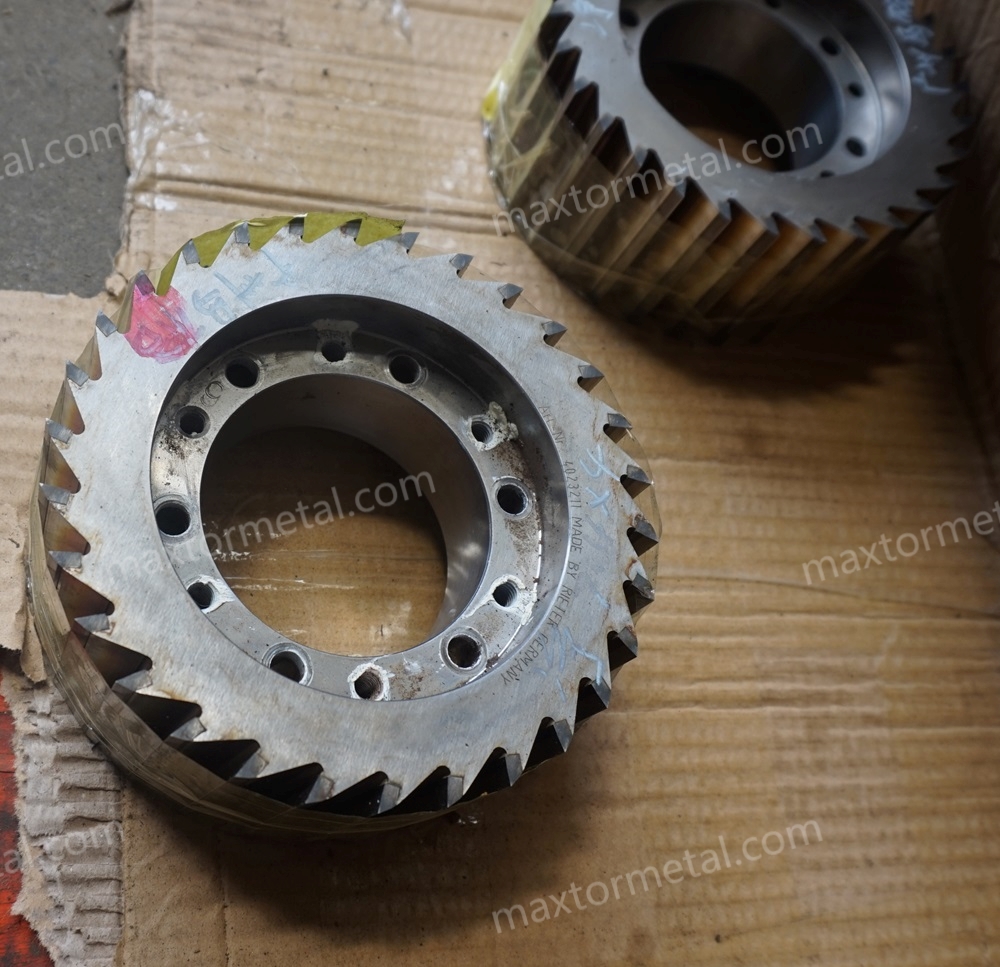
Water‑strand pelletising is a workhorse in UK compounding and recycling. Yet in abrasive, high‑fill and recycled formulations, solid rotary knives wear fast, changeovers drag on, and pellet quality drifts—fines and tails creep up, and operators chase clearances. Inserted blade rotary cutter designs attack the root causes by letting you index or replace edges in situ, […]
Haltbarkeit von Masterbatch-Rotormessern in hochgefüllten Compounds
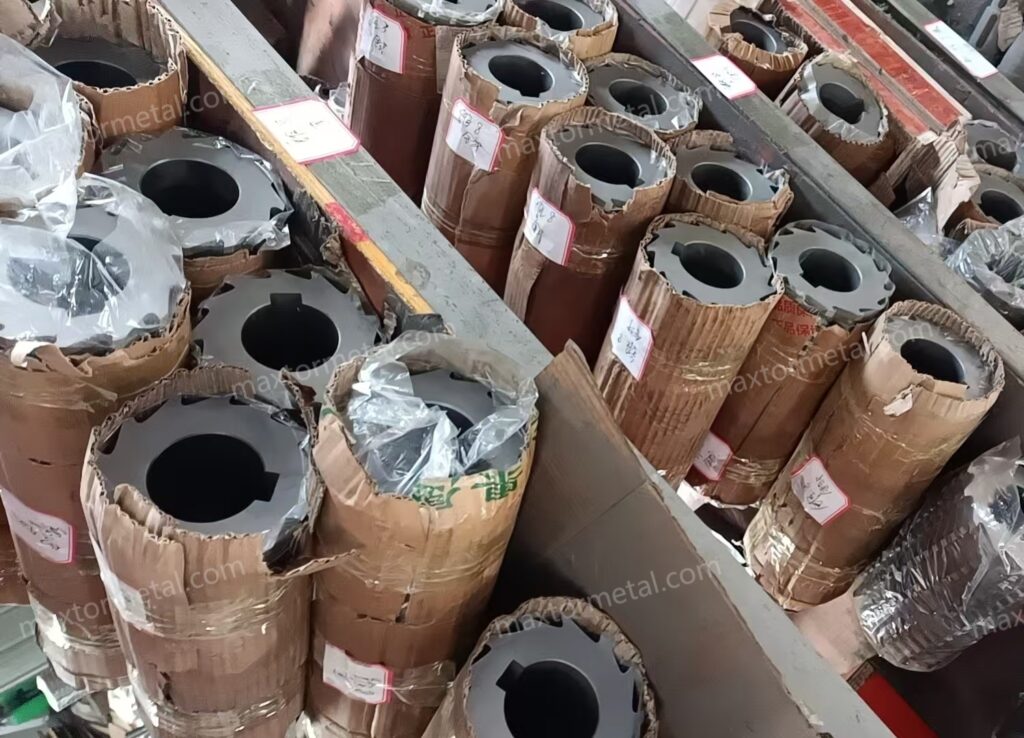
High‑filler masterbatch (glass fiber, CaCO3, talc, TiO2) is unforgiving on rotary cutters. Hard particulates plough the edge, accelerate rounding and micro‑chipping, and magnify any error in clearance, run‑out, or parallelism. The result is rising fines, tails, and unstable pellet geometry that drags down throughput and downstream yield. This guide focuses on extending life, reducing fines/tails, […]
Einstellung des Spalts zwischen Untermesser und Rotor für perfekte, saubere Schnitte
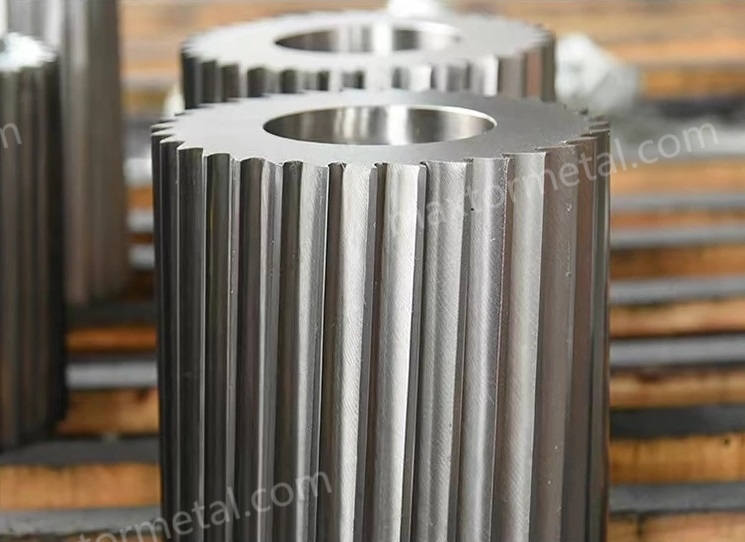
Introduction A crisp, square pellet depends on one thing more than any other: how precisely you set the bed knife–to–rotor gap. Get this right and you’ll stabilize pellet shape, suppress fines, and stretch the time between interventions. Miss it and you’ll fight tails, dust, and unplanned stops. Strand pelletizers run in a near‑zero clearance regime—sharp […]
Präzisionsschleifservice für Rotorschneider und Untermesser
Inspecting a rotary cutter and bed knife with micrometer and optical scope to verify geometry before reinstallation. Pellet quality, uptime, and total cost per ton all hinge on one deceptively simple thing: edge accuracy. When the cutting edges on the rotary cutter and bed knife drift from target geometry, pellets show tails and fines, vibration […]
Rotorschneider für Scheer Präzisionsrotoren – Kosteneffizienter als OEM
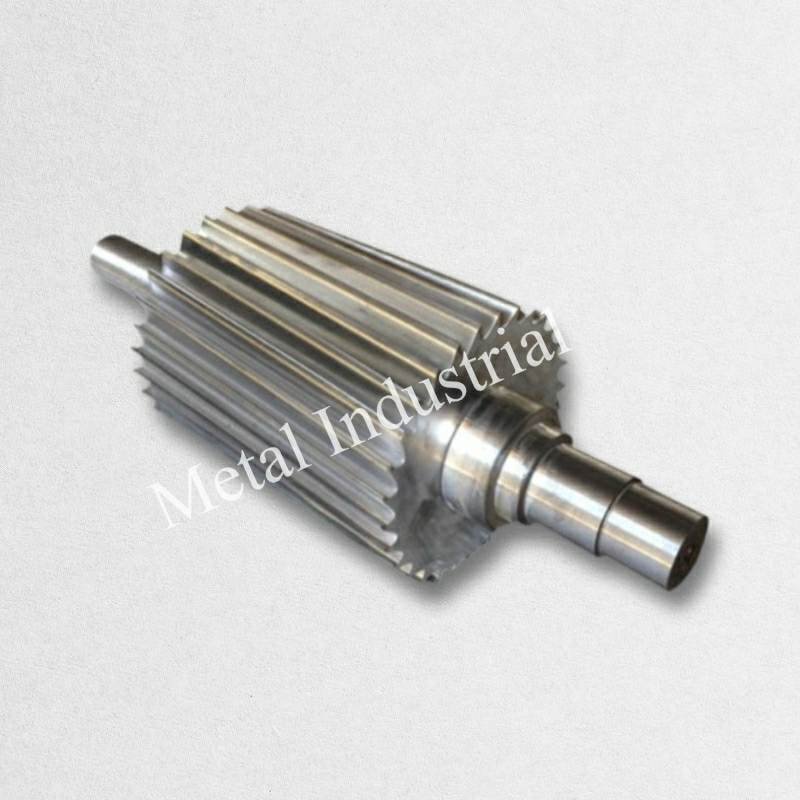
If you run Scheer strand pelletizers in the S3500/SGS families, you’re measured on pellet quality, runtime, and cost per ton. This guide shows exactly how to select, install, and validate high-precision replacement rotors and knives—so you can protect pellet geometry, cut fines, and reduce OEM spend without risking compatibility. What you’ll get here: a practical […]
Dynamisches Auswuchten für Rotorschneider zur Vibrationsvermeidung
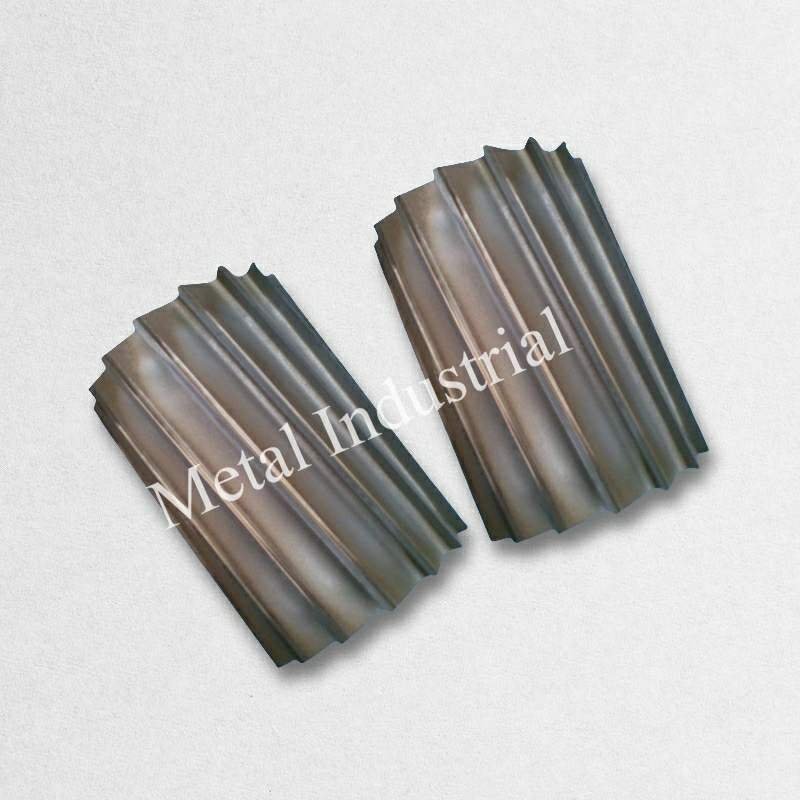
High-speed vibration robs you of uptime and quality. On rotary cutters, even a few tenths of a gram out of place can turn into jarring forces at operating RPM, showing up as chatter marks, tails and fines, premature knife wear, bearing heat, and rising scrap. Static balance helps with heavy spots in one plane, but […]
Wolframkarbid-bestückte Rotorschneider steigern die Betriebszeit bei GFRP
By Tommy Tang (Senior Sales Engineer, Nanjing METAL Industrial). 12 years in slitting & industrial cutting applications. Certifications: CSE, CME, Six Sigma Green Belt, PMP. Introduction Glass fiber–reinforced polymers (GFRP) are unforgiving on cutting edges. Hard, silica-based fibers abrade the knife, rounding the edge and seeding micro‑chips that show up as tails and later break […]
Leitfaden für wendelförmige Rotorschneider für geräuschärmeres Hochgeschwindigkeitsschneiden
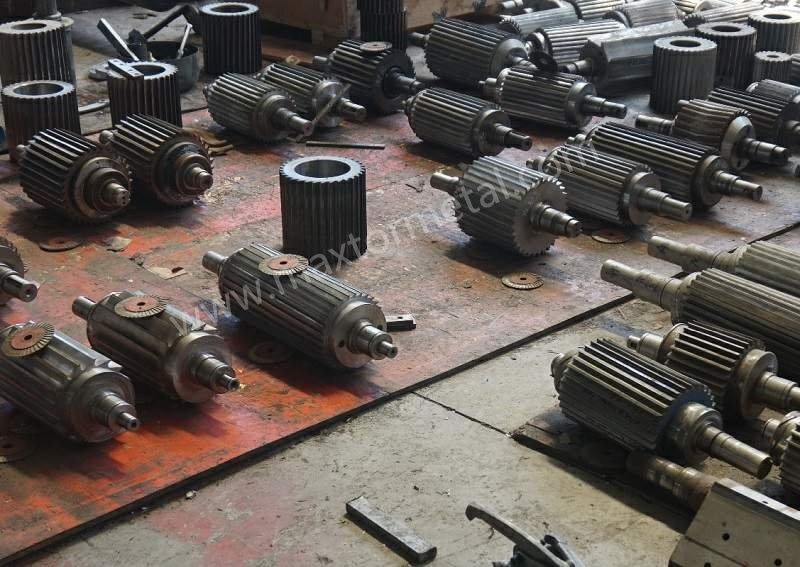
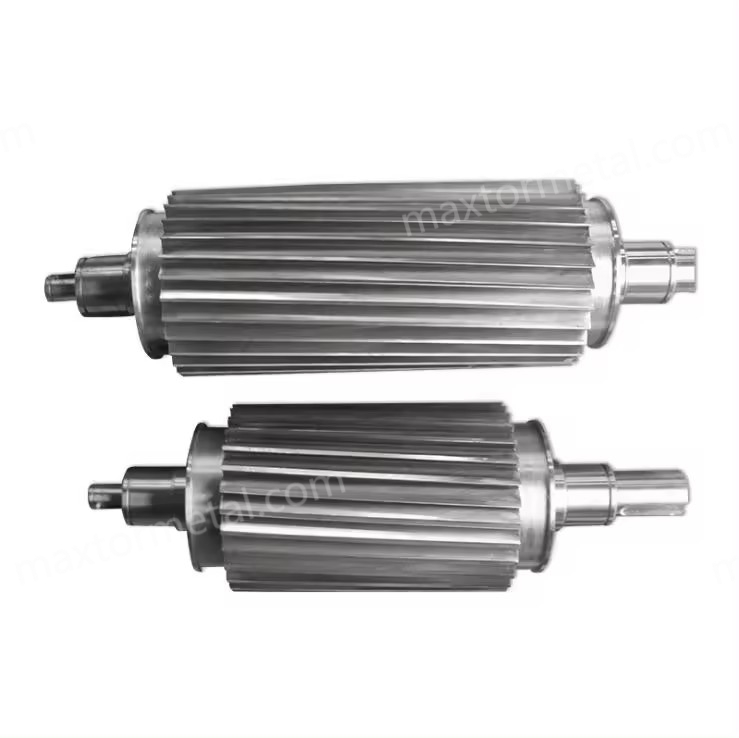
In strand pelletizing, polymer strands are guided into a rotary cutter that shears them against a fixed bed knife to create consistent pellets. A helical rotary cutter uses spiral knives rather than straight edges, so the cut occurs progressively along a helix instead of across the full width at once. At high RPM, this progressive […]
Rotierende Granuliermesser in OEM-Qualität — Rotormesser passend für Gala, MAAG und Scheer
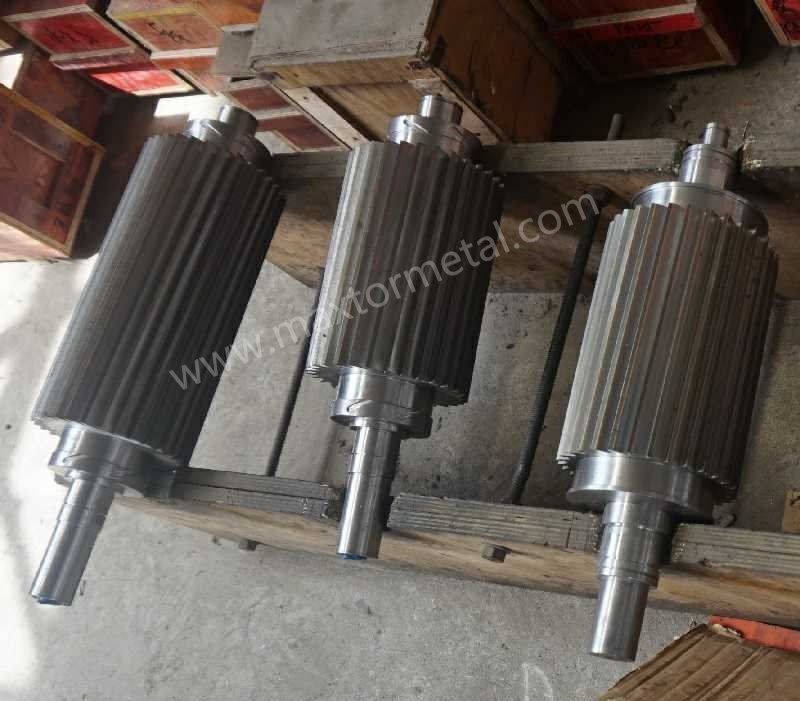
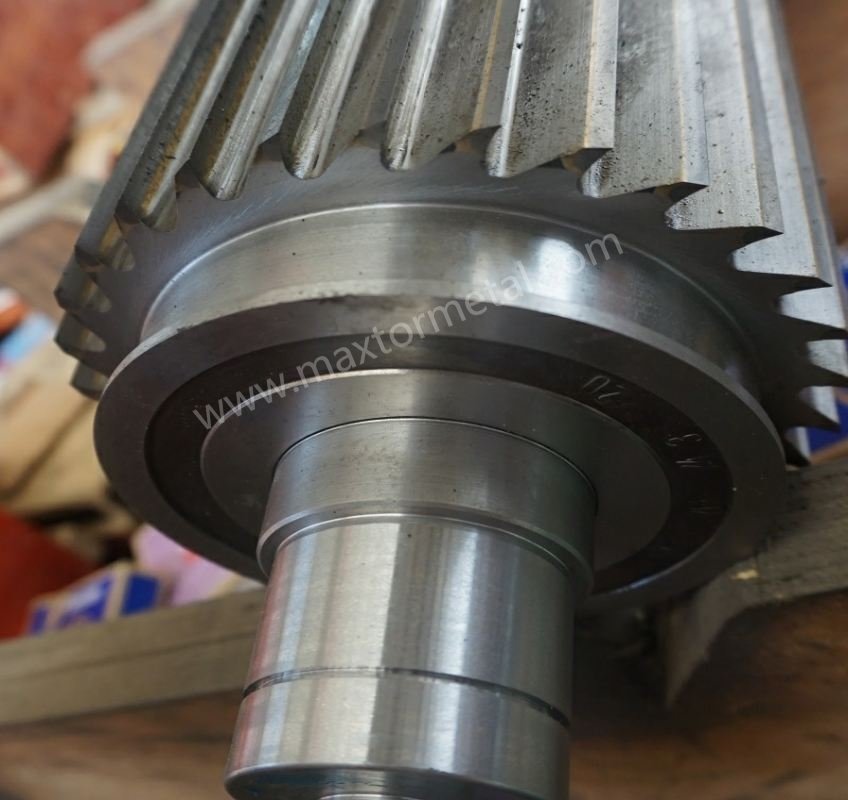
If you’re responsible for equipment, process, or purchasing on a strand pelletizer (MAAG Automatik/Scheer) or you maintain underwater systems (Gala/MAAG) as a secondary line, this guide is for you. OEM‑equivalent fit is what protects uptime and pellet quality: the moment OD/ID, thickness, bolt circle, or bore/pin fits drift, you get tails, rising fines, and more […]

 English
  Spanish
  Italian
  French
  Portuguese
  Russian
  German
  Arabic
  Hindi
Hindi  Vietnamese
  Indonesian
  Japanese
  Korean