
Oscillazione Assiale delle Lame Circolari: Calcolo dell'Impilamento, Target TIR e Controllo Larghezza
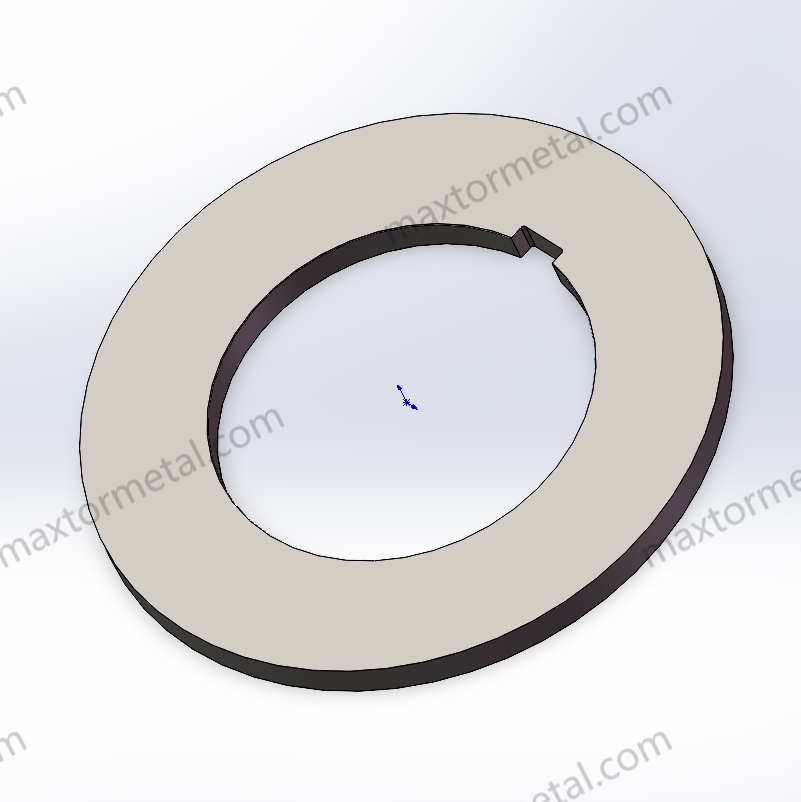
Quick Answer: Rotary Slitter Axial Runout What this guide covers: How blade thickness tolerance, axial runout and spacer seating stack into strip width error — and which contributor to tighten first. Who it’s for: Slitting line engineers and tooling engineers specifying knife packs or troubleshooting width drift on carbon steel, AHSS, stainless or aluminium lines. […]
Frattura catastrofica della lama: Cause principali metallurgiche, meccanica della frattura e controlli sui fornitori per la prevenzione

Quick Answer: Catastrophic blade shattering is almost never one cause—it’s the convergence of metallurgical defects (retained austenite, carbide banding), thermal-process errors (quench cracks, insufficient temper), and geometric stress risers, triggered by a contamination event. Fractography (macro mapping → SEM/EDS → metallography → XRD) identifies which lever failed; supplier controls like AMS 2750 pyrometry and lot-level […]
Accumulo di adesivo su lame da taglio circolare: Feedback da contatto termico, selezione dei rivestimenti e protocollo diagnostico stratificato.
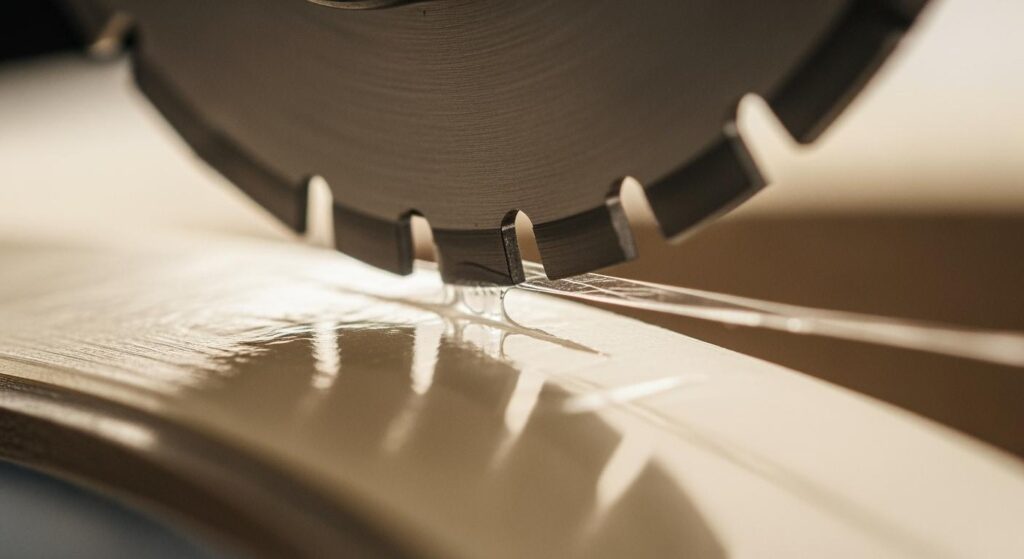
Quando l'adesivo inizia ad accumularsi sulle lame circolari per taglio longitudinale, il primo segnale è raramente evidente. I bordi di taglio diventano leggermente appiccicosi. La geometria del rotolo subisce deviazioni. La qualità del bordo si deteriora prima che il responsabile di turno riesca a individuarne il motivo. Nel momento in cui sul petto della lama si è ormai formato un deposito polimerico visibile — un tagliente di riporto (BUE) — la lama ha […]
Prevenire la rottura delle lame a griglia sul fondo cava: Raggio di raccordo, integrità EDM e controlli di doppio rinvenimento per design R≥0,2 mm
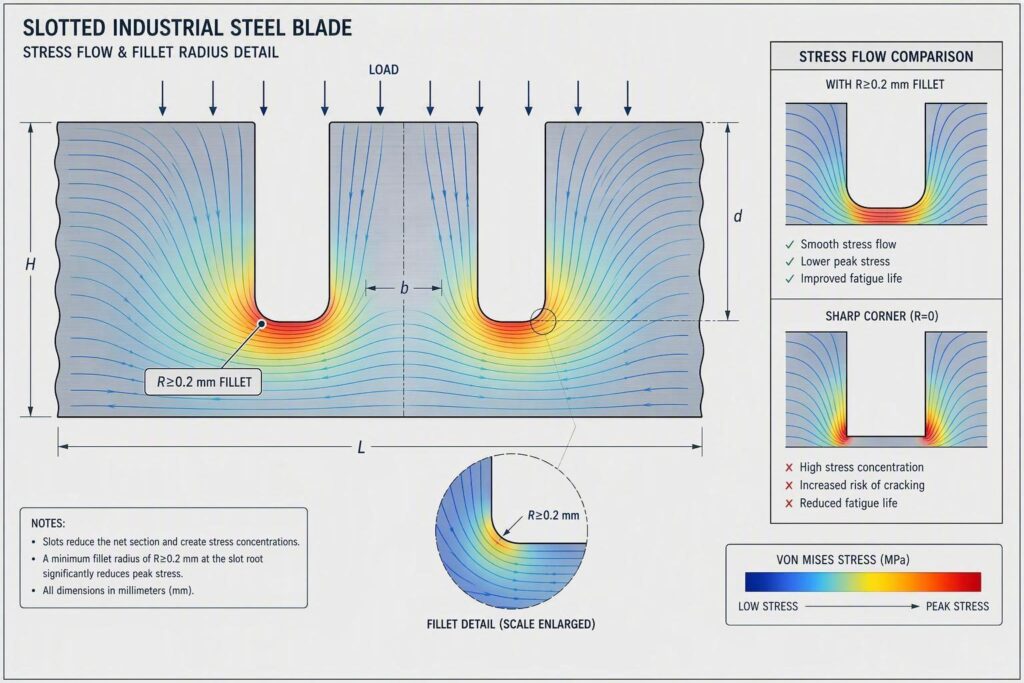
Risposta rapida: La rottura delle lame a griglia sul fondo delle cave è causata dalla coesistenza di tre fattori: elevata concentrazione degli sforzi elastici (Kt 7–12 per cave a spigolo vivo), difetti superficiali che agiscono da inneschi di cricca (strati di rifusione da EDM, bruciature di rettifica) e tenacità insufficiente del materiale circostante. La principale soluzione ingegneristica consiste nello specificare un raggio di raccordo sul fondo della cava […]
Selezione delle Lame per Polimeri ad Uso Medico: Acciaio Inox 420 vs 440C, Finitura Superficiale e Controllo del Circuito d'Acqua
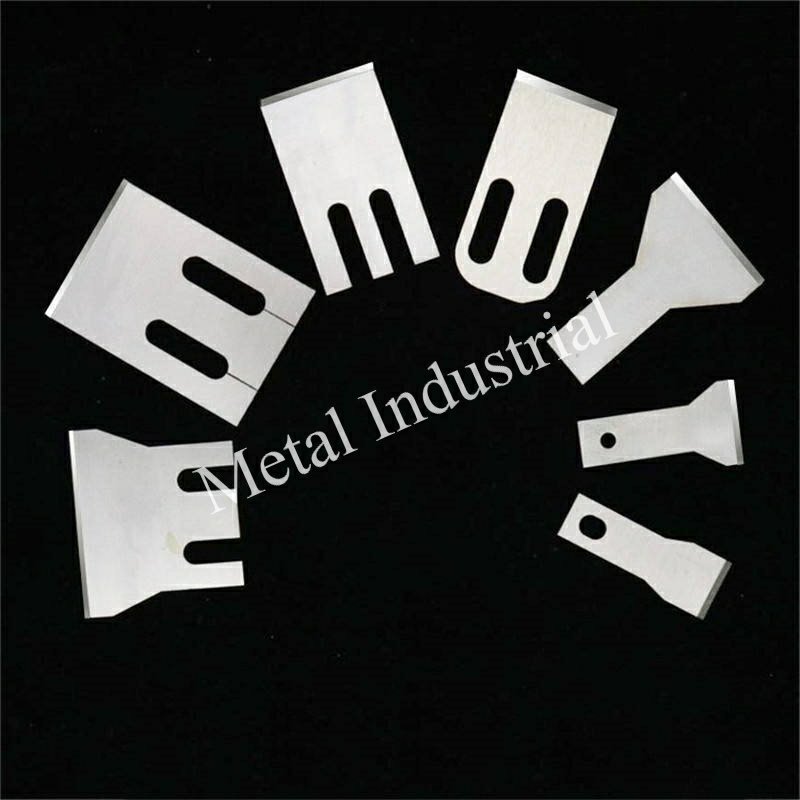
Risposta rapida: Nella granulazione di polimeri per uso medicale, gli acciai inossidabili 420 e 440C non sono intercambiabili: il 420 offre una maggiore tenacità, una migliore lucidabilità e una superiore tolleranza alla corrosione nei circuiti idrici a igienizzazione intensiva o con chimica variabile; il 440C assicura una tenuta del filo superiore per polimeri abrasivi in circuiti a chimica stabile e controllata. Entrambi i gradi richiedono una finitura a specchio Ra ≤ 0,4 µm e una passivazione verificata secondo ASTM […]
Analisi della causa radice della scheggiatura delle lame per cesoia: Frattografia, albero decisionale e correzioni SOP
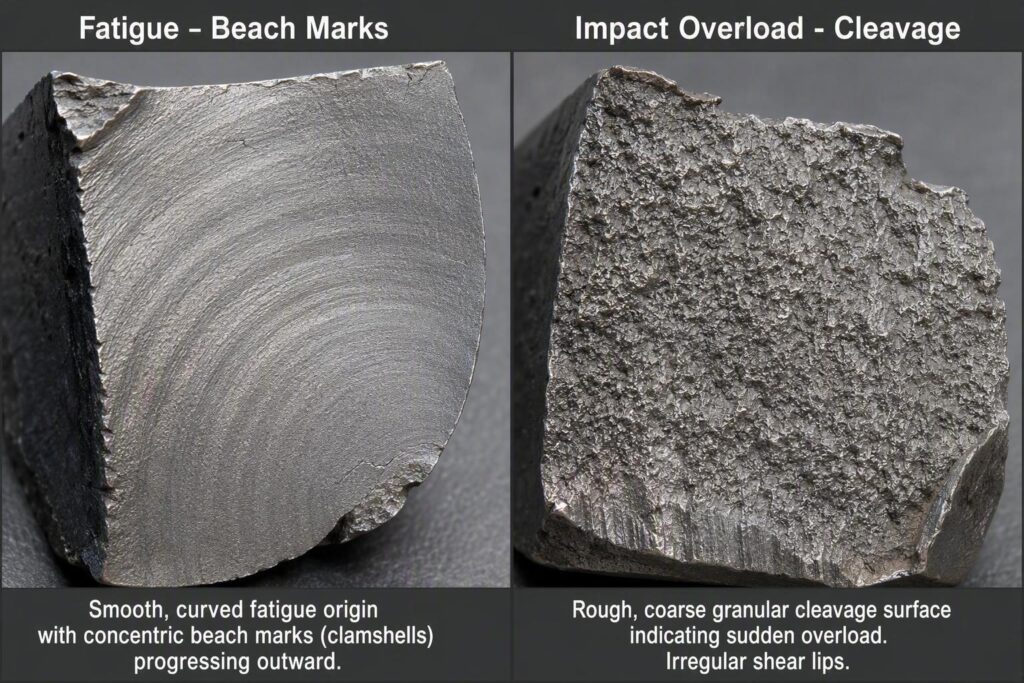
Quick Answer: Shear blade edge chipping root cause falls into two modes: fatigue (from cyclic stress — clearance errors, parallelism faults, or grinding burns) and impact (from sudden overload — foreign objects, excessive hardness, or geometry spikes). Read the fracture surface first: concentric arc-shaped beach marks mean fatigue; coarse granular cleavage with no arc pattern means […]
Regolazione della Sovrapposizione delle Lame Circolari: Meccanica di Taglio, Finestre Materiale e Controllo Albero

In continuous metal coil processing, achieving a clean, square, and burr-free edge is the primary benchmark of a well-calibrated slitting line. Behind every high-yield slitting run are two critical geometric parameters governing shear-cut quality: horizontal side clearance and vertical rotary knife overlap. While horizontal clearance dictates the stress concentration across the strip width, vertical knife […]
Lame per Trituratori di Pneumatici e PFV: Bilanciare Durezza e Resilienza per Ridurre il Costo per Tonnellata
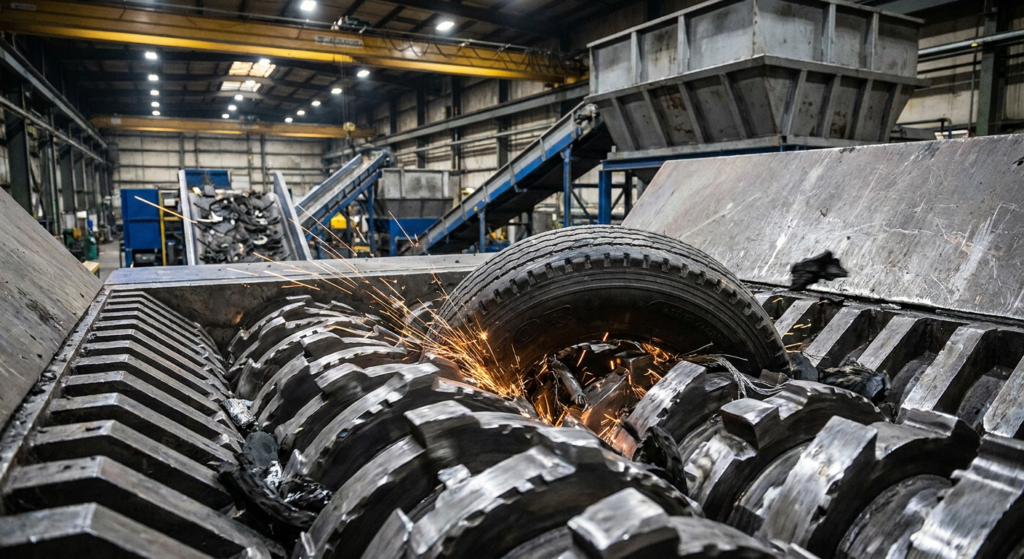
Quick Answer: Balance hardness (wear resistance) against Charpy impact toughness rather than maximizing HRC alone—DC53 at 58–60 HRC delivers roughly double D2’s impact toughness for contaminated tire/ELV streams, while a documented real-world case shows that fracture at mounting-hole geometry, not material hardness, is often the true root cause. Scope: This guide focuses primarily on primary and pre-shredding […]
Analisi della causa radice della polvere di taglio: Ra del fianco, microstruttura e tolleranze.
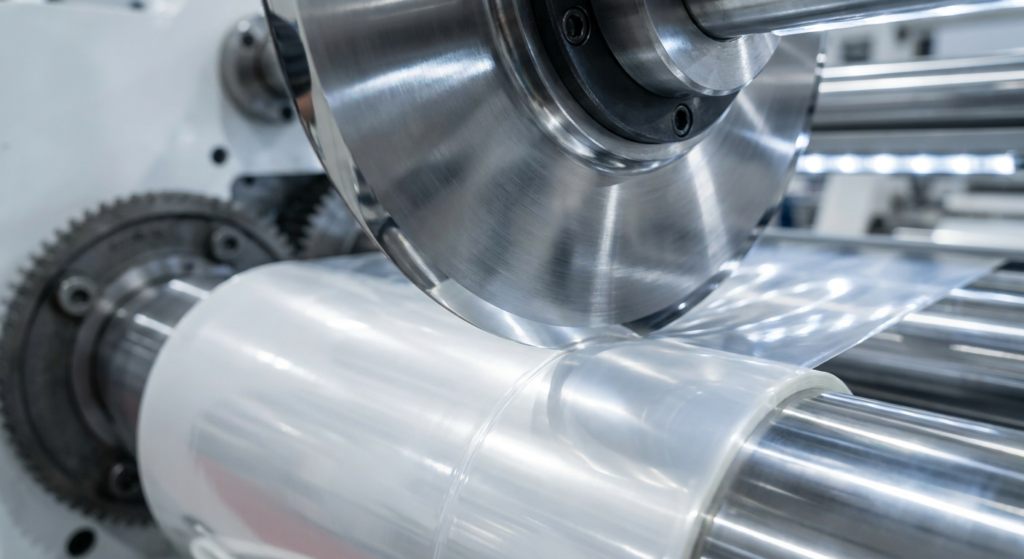
These four principles form the engineering framework Maxtor Metal’s application team applies when qualifying circular slitting knives for zero-dust converting programs in flexible packaging, nonwoven, and specialty paper lines. In high-speed flexible packaging, technical textile, non-woven, and specialty paper converting, particulate contamination is a major cause of unscheduled line shutdowns. What plant operators frequently diagnose […]
Rettifica delle Lame Industriali a Nastro: Soglie di Affilatura, Criteri di Rottamazione e Modello di Costo del Ciclo di Vita
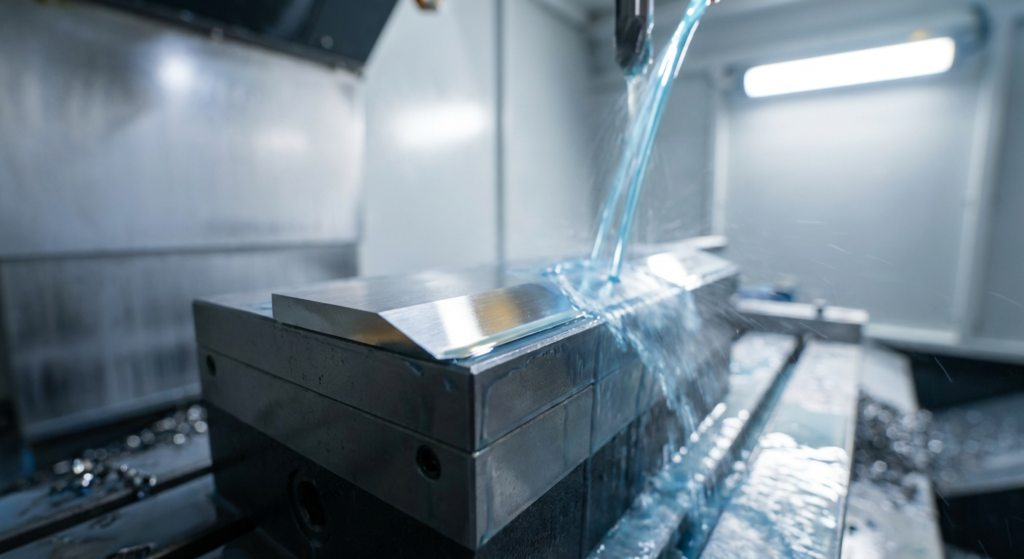
Quick Answer: Regrinding industrial strip blades is economical when: chipping depth is under 0.5 mm, remaining thickness is above 60–70% of nominal, and the estimated regrind cost is below 50% of a new replacement blade. The minimum safe stock removal is 0.010–0.015 in (0.254–0.381 mm) to clear the subsurface micro-fractured fatigue layer. Blades with radial cracks, […]

 English
  Spanish
  Italian
  French
  Portuguese
  Russian
  German
  Arabic
  Hindi
Hindi  Vietnamese
  Indonesian
  Japanese
  Korean