
Federbelastetes System für das Scherschnitt-Längsschneiden mit Nullspiel: Kontrolle von Überlappung, Anstellwinkel und Vorspannung
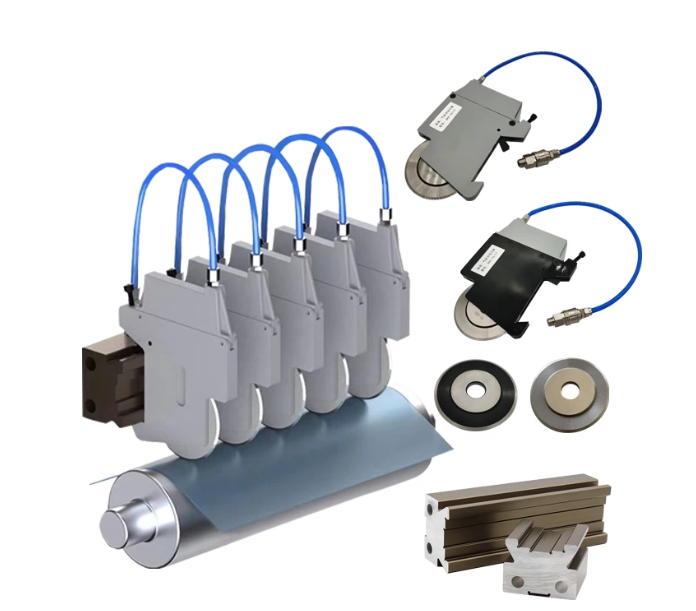
Wenn Sie dünne Folien oder Vliesstoffe mit hoher Geschwindigkeit verarbeiten, ist das Scherschnitt-Verfahren nicht mehr “nur eine Messereinstellung”, sondern verhält sich wie ein Stabilitätsproblem: Minimaler Rundlauffehler, ungleichmäßiger Kontakt oder ein driftender Luftvorlastdruck des Messerhalters führen zu Kantenfehlern und Ausfallzeiten. Dieser Leitfaden ist im praxisorientierten Ansatz verfasst, den Maxtor Metal bei der Unterstützung von Kunden im Bereich Folien […] anwendet.
Validierung von 440C Ersatzmessern für Urschel Würfelschneider bei HRC 56–58: Wärmebehandlungsfenster, RA-Kontrolle und QA-Protokoll
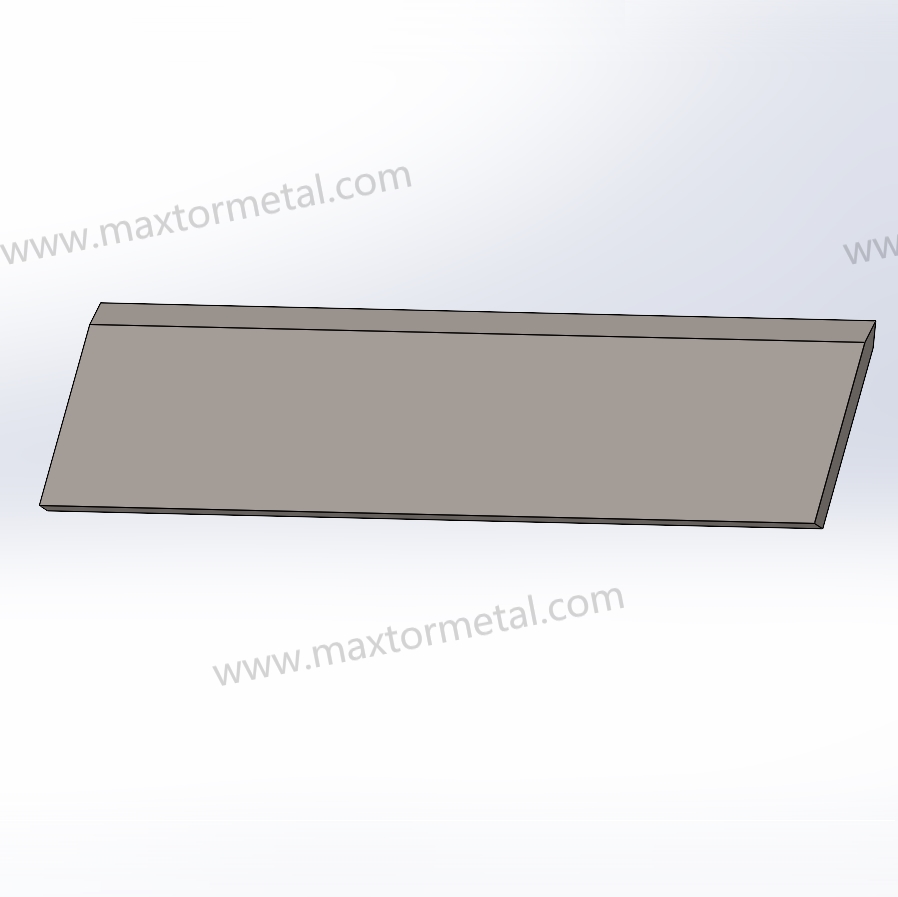
Urschel-style dicer heads operate under demanding cyclic loading: blade bands contact product at high frequency, with impact severity varying significantly between soft fresh produce and hard frozen product (IQF frozen vegetables and root crops can present surface hardness comparable to hardened wood). Cut-size capability and blade life are directly coupled—a band that chips on the […]
Technische Qualifizierung von Messersätzen für die petrochemische Großproduktion
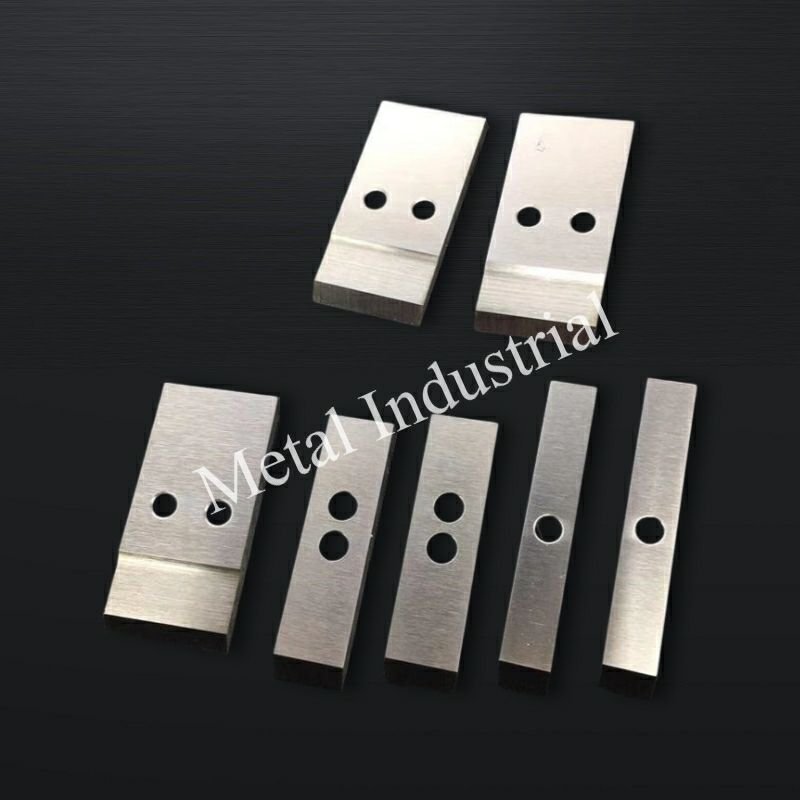
Quick answer: A water-ring pelletizer knife block is qualified for high-volume production by verifying four things: runout/TIR at functional datums (typically ≤0.03–0.04 mm), balance grade per ISO 21940 (G6.3 baseline, tightening to G2.5 at higher speeds), vibration acceptance per ISO 20816 (often ≤2.8 mm/s RMS), and full material traceability via EN 10204 3.1/3.2 certificates linked to […]
Kompensation der Dickenreduzierung beim Nachschleifen: Unterlegscheiben-Berechnung & Überlappungsprüfung für Schermesser
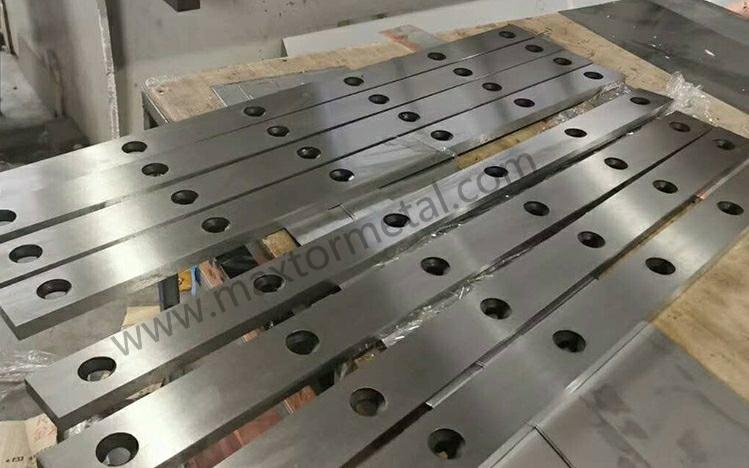
By Nancy Wu, Senior Manufacturing Engineer (Production Engineering), Maxtor Metal — SME–CMfgE, PMP, Six Sigma Black Belt, ASM International certifications Scope note: This guide is a technical reference to support measured setup work. Always follow your OEM service manual and your facility SOP for final settings and safety procedures. Regrinding restores edge condition, but it also […]
OEM-Kreismesser-Bauplan: Spindelpassungs-Audit, ISO-Toleranzen & TIR-Grenzwerte

A slitting line can have excellent knife steel and still struggle with burrs, width drift, and premature chipping if the bore–arbor interface is poorly specified or inconsistently verified. This checklist is meant to be used as an engineering audit: you take an OEM slitter knife blueprint, compare it against the spindle/arbor reality, and log pass/fail gates before […]
Beschaffung von Ersatzmessern für Zerkleinerer: Spezifikationskontrolle, CMM-Plan, MTR-Validierung und Überprüfung der funktionalen Passung.
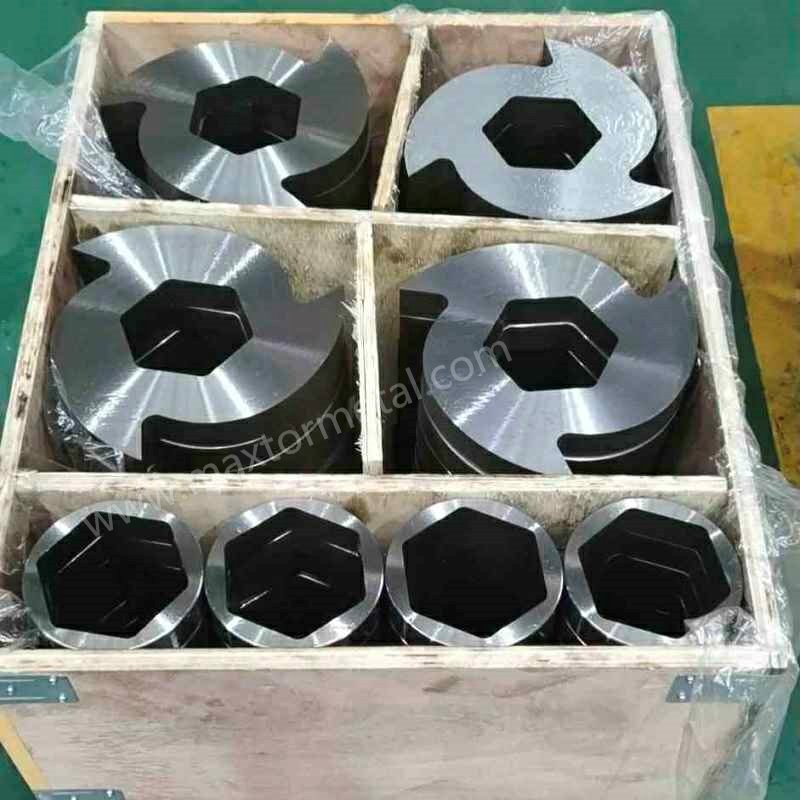
Disclosure: This guide is written by Maxtor Metal to document an audit-ready acceptance workflow. The methods and decision rules described here are supplier-agnostic and can be applied to OEM parts or any qualified aftermarket supplier. Where a Maxtor Metal page is referenced, it is used only as a geometry-family terminology reference; you may substitute any approved reference page or drawing package […]
Zentrierbohrungstoleranz und Rundlauffehler: Optimierung von ISO 286-Passungen zur Minderung von Vibrationen bei Hochgeschwindigkeits-Längsschneidemaschinen.
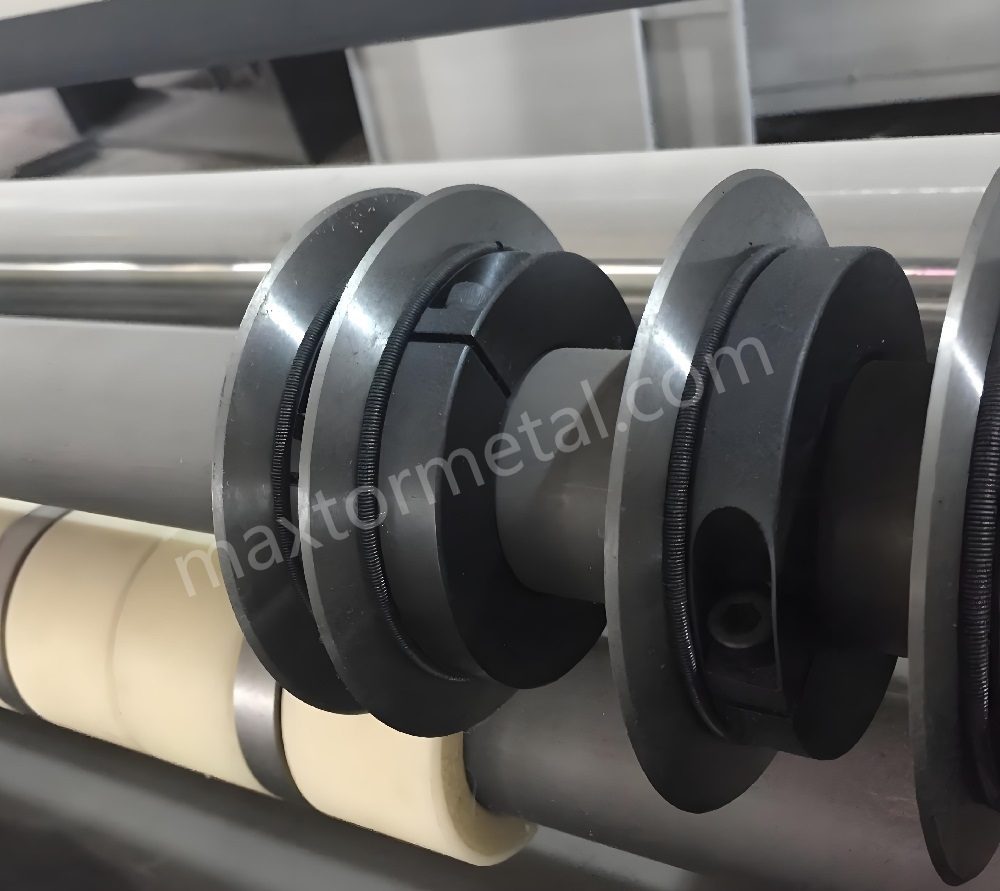
Das Hochgeschwindigkeitsschneiden verzeiht keine Fehler: Wenn ein Kreismesser nicht absolut rund läuft, verschlechtert sich die Qualität der Schnittkante, noch bevor das Messer überhaupt “stumpf” ist. In diesem Artikel setzt Maxtor Metal die Toleranz des Rundlaufs der Zentralbohrung (wie sich Bohrungsgröße + Geometrie bei hoher Geschwindigkeit als Gesamtrundlaufabweichung (TIR) an der Schneide zeigen) in Beziehung zu den Werten, die Sie spezifizieren können – und den Prüfungen, die Sie wiederholen können. Technischer Hinweis: Für Spezifikationen auf Messerebene […]
Einseitige, zweiseitige und kombinierte Fasen für Kreismesser: Ein steifigkeitsorientierter Auswahl- und Einrichtungsleitfaden
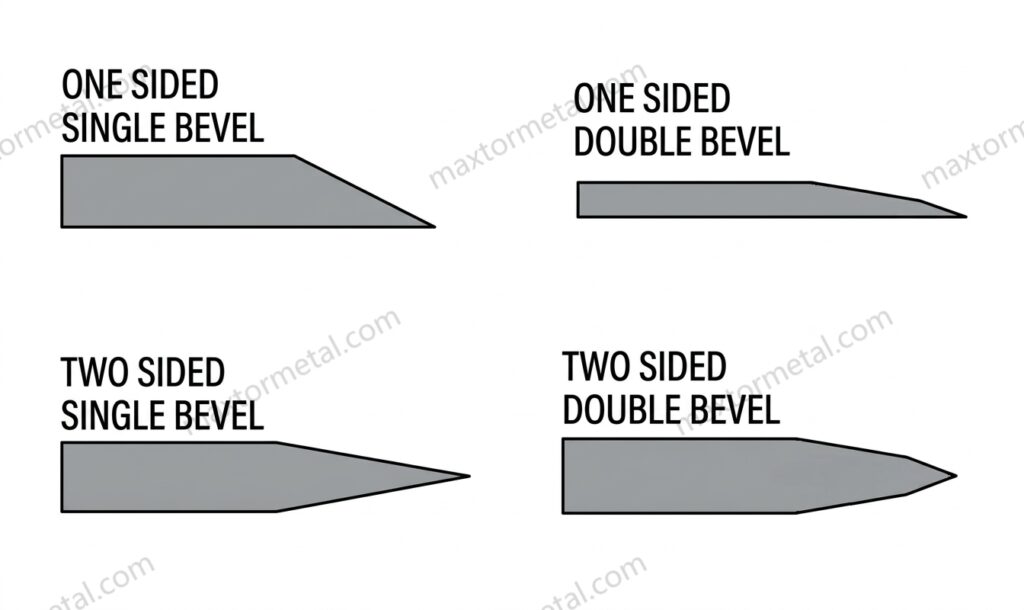
Verwendung dieses Leitfadens (Umfang & Annahmen): Die folgenden Bereiche und Schritte zur Fehlerbehebung sind praktische Ausgangspunkte für Kreismesser in typischen Converting-Anlagen. Die tatsächlichen optimalen Einstellungen hängen von Ihrer Maschinenkonstruktion (Haltersteifigkeit, Rundlauf, Zwischenring-Satz), der Bahnführung und der Substratvariabilität ab – validieren Sie Änderungen immer durch einen kontrollierten Versuch und ändern Sie jeweils nur eine Variable. Technischer […]
Optimierung von Überlappungstiefe und Seitenspiel bei Kreismessern: Mechanik, DOE und Pareto-Kompromisse für Kantenqualität und Messerstandzeit
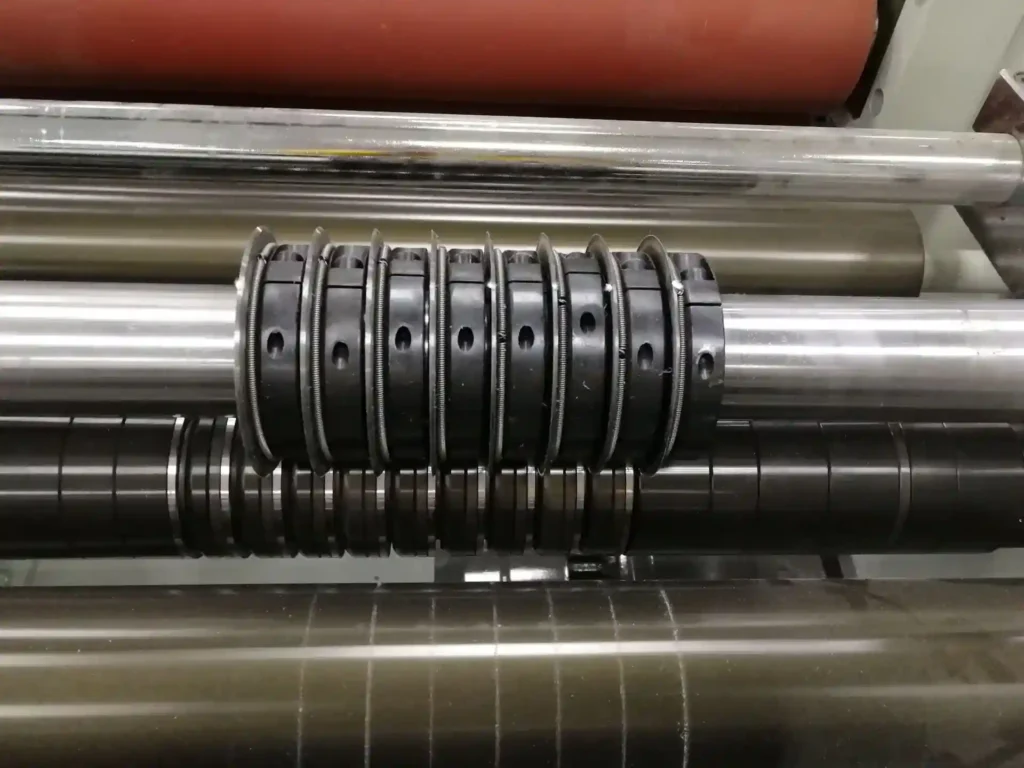
Published: 2026-05-28 | Last updated: 2026-05-28 If you’re chasing cleaner edges, less dusting, and longer knife life on a slitter/rewinder, Maxtor Metal sees the same pattern again and again: the fastest wins often come from two setup variables you can actually control—overlap depth and side clearance. When dusting is the primary quality complaint—especially on filled substrates like the coated […]
Axiallaufabweichung, dynamischer TIR und Schnittkantenqualität: Mechanismen, Messung und Minimierung für Hochgeschwindigkeits-Converting-Anlagen
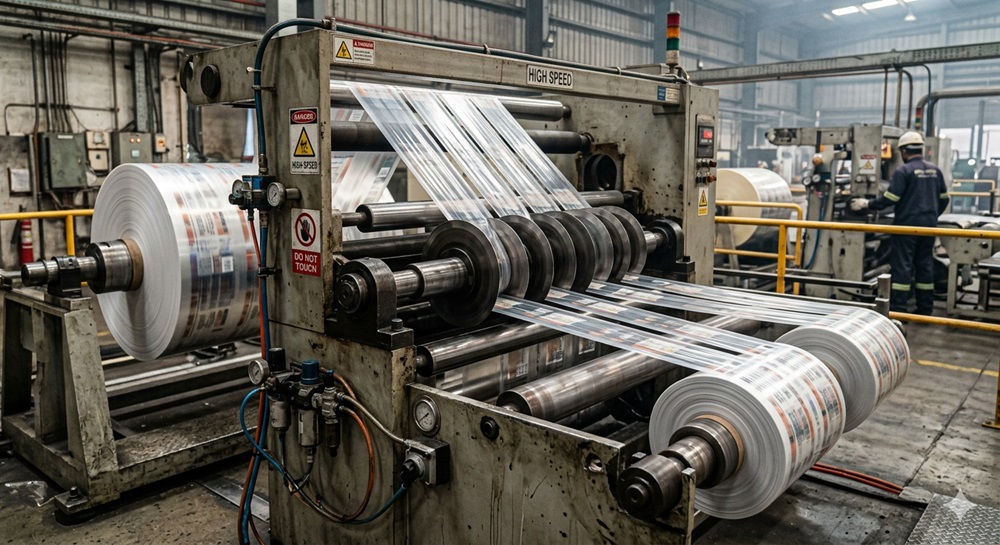
High-speed slitting is unforgiving: small geometry errors show up as burrs, feathering, and unstable lanes long before they show up on a maintenance checklist. At Maxtor Metal, we see runout problems most often when a line is pushed for higher OEE but the slit edge has to stay clean enough for downstream lamination, printing, or welding. […]

 English
  Spanish
  Italian
  French
  Portuguese
  Russian
  German
  Arabic
  Hindi
Hindi  Vietnamese
  Indonesian
  Japanese
  Korean